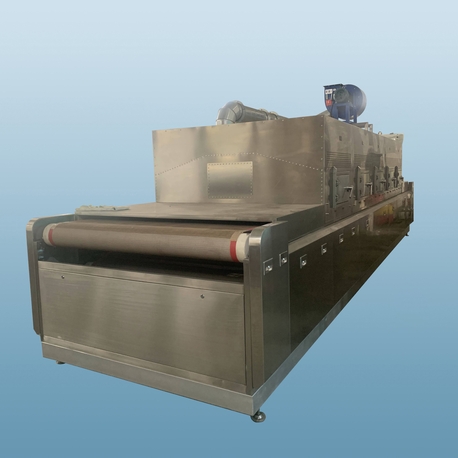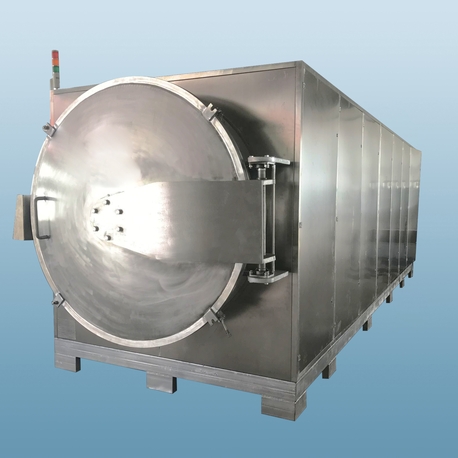


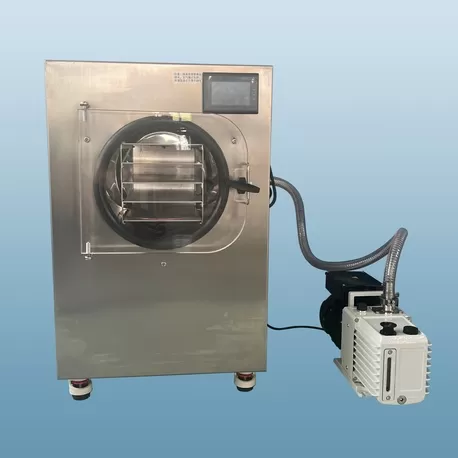
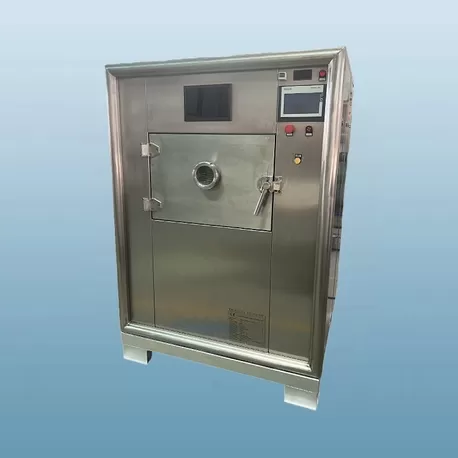
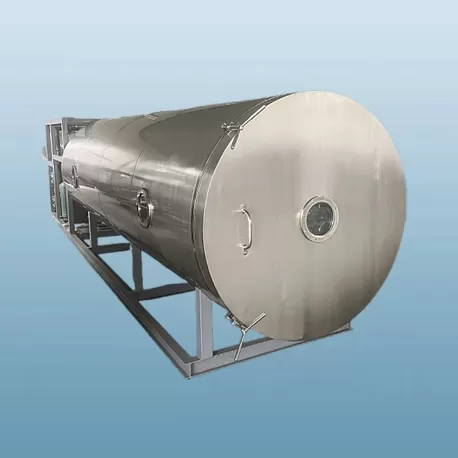
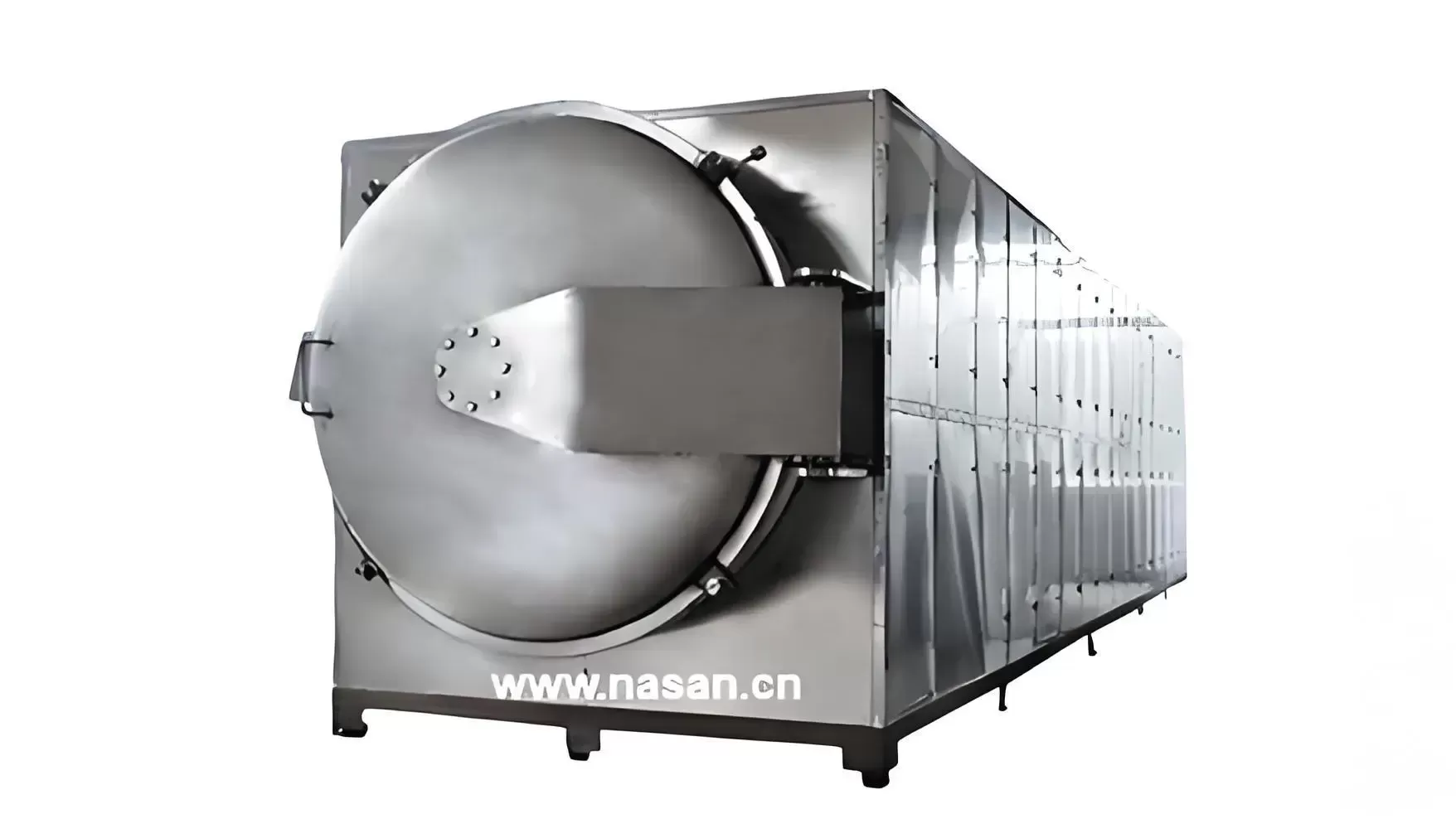
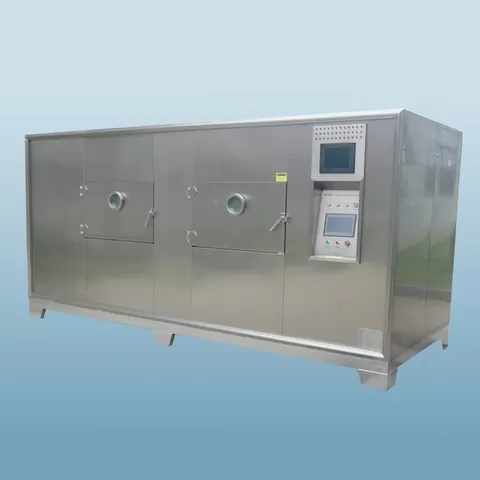
For fruit processing operations exceeding 5 tons per day, dehydration consistency dictates profit margins. A poorly designed industrial fruit drying machine generates hot spots, case hardening, and microbial risks. After auditing 23 dehydration lines across Southeast Asia and Latin America, the data confirms: proper airflow thermodynamics and staged heat recovery separate viable equipment from costly downtime. Nasan has engineered industrial drying solutions since 2002, integrating adaptive PLC controls that maintain product integrity at scale.
This guide examines verified technical specifications, common failure points in high-sugar fruit drying, and retrofit strategies. Facility managers and procurement leads will find concrete parameters for evaluating any industrial fruit drying machine before capital approval.

1. Thermal Zoning & Moisture Gradient Control
Conventional dryers apply uniform temperature across the chamber, leading to overcooked surfaces and wet cores—especially problematic for mangoes, bananas, and figs. Professional industrial fruit drying machine designs implement three distinct thermal zones:
Zone 1 (initial surface drying): 55–60°C, high air velocity (2.5–3.5 m/s) to remove free moisture without sugar migration.
Zone 2 (constant rate phase): 65–70°C, medium velocity, recirculated dry air to extract bound water.
Zone 3 (falling rate phase): 50–55°C, low velocity to equalize residual humidity and prevent brittleness.
Data from Nasan's CD series shows zone segmentation reduces total dehydration time by 22% compared to single-zone units while preserving ascorbic acid retention above 86% (AOAC method 967.21). Without this gradient, processors face rejected batches due to leathery texture and color degradation.
2. Heat Pump Integration vs. Conventional Electric Heating
An energy-efficient industrial fruit drying machine increasingly relies on closed-loop heat pump systems rather than resistive elements. Comparative field trials on apple slices (10 mm thickness) reveal:
Resistive heating: 2.4 kWh per kg of evaporated water, moisture non-uniformity ±9%
Heat pump dehumidification: 1.1 kWh/kg, moisture variation ±3.2%
Hybrid (heat pump + waste heat recovery): 0.85 kWh/kg, with ROI under 14 months for lines running 16 hours/day
Modern systems from Nasan integrate R290 refrigerant circuits with a dew point control range of 15–40°C. This allows drying heat-sensitive berries (blueberries, goji) at 45°C without oxidation—impossible with conventional dryers that bottom out at 60°C.
3. Material Contact Surfaces & Sanitary Design
Food safety audits (BRC, FSSC 22000) frequently penalize drying equipment with crevices, carbon steel components, or inaccessible belt structures. A compliant industrial fruit drying machine must adhere to:
All product-contact surfaces: AISI 304 or 316L stainless steel, Ra ≤ 0.8 µm finish.
Welded seams ground and passivated to eliminate bacterial harborage.
Belt splicing with open hinge design – avoids accumulation of fruit pulp residues.
Quick-release inspection ports and CIP (clean-in-place) lances for daily sanitation.
Nasan's belt dryers exceed 3-A sanitary standards, with independent validation showing aerobic plate counts below 10 cfu/cm² after standard washdown cycles. For high-acid fruits (pineapple, citrus peels), optional 316Ti linings extend service life beyond 12 years in aggressive environments.
4. PLC-Driven Adaptive Drying Curves for High-Sugar Commodities
Dates, raisins, and dried apricots present a unique challenge: sugar exudation causes sticking and equipment fires. An advanced industrial fruit drying machine combats this via adaptive algorithms that modulate:
Drying rate based on real-time inline capacitance moisture sensors (accuracy ±1.2%).
Air dew point – automatically elevates during surface sugar crystallization to prevent case hardening.
Belt speed variance – slows down in the second zone for hygroscopic fruits.
Empirical results from a Moroccan date processing facility using a industrial fruit drying machine with fuzzy logic control: final product water activity (aw) 0.58 ±0.02, zero bridging incidents over 18 months, and a 31% reduction in rejected product due to glass transition defects.
5. Airflow Distribution & Pressure Uniformity Metrics
Inconsistent airflow plagues multi-belt dryers, creating dry pockets and over-dried edges. Performance validation for any industrial fruit drying machine should include anemometer mapping across the belt width. Acceptable variation: ≤7% from mean velocity. Technologies that guarantee this uniformity:
Perforated plate air distribution with variable pitch openings.
Cross-flow versus through-flow configuration – through-flow (air passing through product layer) delivers 40% higher drying rates for diced fruits.
Individual damper adjustment per zone for seasonal humidity compensation.
Nasan dryers incorporate CFD-optimized plenums and side-sealed belts, achieving a uniformity index (Ui) of 0.94 on a 0–1 scale. Independent third-party tests on banana chips showed less than 2.5% moisture standard deviation across 2.4m wide belts—critical for B2B specifications requiring consistent water content (e.g., 14% ±1.5% for export-grade banana powder).
Application-Specific Throughput & Energy Benchmarks
Below reference data from a 6-meter, three-belt industrial fruit drying machine configured for tropical fruit blends (mango, papaya, pineapple):
Feed rate: 380 kg/h fresh fruit (80% initial moisture) → 98 kg/h dried (12% final moisture).
Total installed power: 87 kW (including heat pump, fans, PLC).
Specific energy consumption: 0.94 kWh per kg water evaporated.
Daily output (20h shift): 1,960 kg dried product – equivalent to 7.8 tons fresh input.
These figures surpass traditional steam-heated dryers that require 2.1–2.5 kWh/kg. For processors running 330 days annually, switching to a modern industrial fruit drying machine reduces annual energy cost by roughly $42,000 (based on $0.12/kWh). Waste heat recovered from the condenser can preheat facility wash water, adding another 12% efficiency gain.
Industry Pain Points & Mitigation Protocols
Fruit drying failures typically originate from four overlooked factors. Here is how engineered solutions address them:
Non-enzymatic browning (Maillard reaction): Mitigated by keeping product surface temperature below 71°C and initial blanching with 0.5% citric acid. A PLC-controlled industrial fruit drying machine from Nasan includes a pre-set browning avoidance curve for high-protein fruits (jackfruit, tomatoes).
Mold proliferation during storage: Requires final moisture content below 18% for tropical fruits and water activity ≤0.65. Inline NIR sensors can trigger extra drying time automatically.
High maintenance due to pulp adhesion: Teflon-coated belts and automated brush scraper systems reduce cleaning intervals from every 8 hours to every 72 hours of operation.
Inconsistent product color: Closed-loop humidity control prevents surface rewetting, which causes patchy caramelization. Dryers with dew point monitoring consistently achieve Delta E (color deviation) <3.5 between batches.
Comparative Analysis: Continuous Belt vs. Batch Tray Dryers
When selecting an industrial fruit drying machine, production scale dictates configuration. For volumes above 3 tons/day fresh fruit, continuous belt systems outperform batch tray dryers on labor, energy, and uniformity. Decision matrix:
Labor cost: Tray dryers require 2.5–3 operator hours per batch (loading/unloading). Continuous industrial fruit drying machine needs only 1 operator for monitoring – 68% labor reduction.
Energy: Batch dryers recirculate ambient air without heat recovery; continuous units using heat pump technology cut energy by 45–52%.
Product traceability: Continuous dryers with zone tracking support full lot genealogy – mandatory for EU organic certification.
CAPEX comparison: A 4-ton/day continuous system costs roughly 2.1x more upfront, but payback occurs by month 16 due to labor and energy savings.
Implementing Predictive Maintenance on Drying Lines
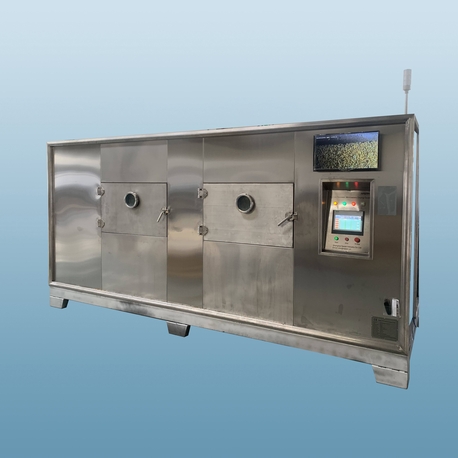
Unplanned downtime of a fruit drying line costs mid-sized processors $1,200–$1,800 per hour. Modern industrial fruit drying machine designs include vibration sensors on fan bearings, belt tension monitors, and automated filter pressure alarms. For example, Nasan's CDS series transmits real-time data to a centralized SCADA. Fault prediction algorithms send alerts 72 hours before bearing failure (validated by 98% accuracy from 2023 field data). Recommended monthly checks:
Measure belt alignment: skew beyond 3mm leads to edge fraying and product loss.
Verify steam/heating coil pressure drop (for hybrid models) clean if Δp exceeds 250 Pa.
Calibrate moisture sensors using reference oven method (ISO 579).
Frequently Asked Questions (FAQ)
Q1: What is the optimal temperature range for drying mangoes in an industrial fruit drying machine?
A1: For mango slices (6–8mm thickness), start at 60°C for the first 2 hours to remove surface moisture, then reduce to 55°C until final moisture reaches 14–16%. Exceeding 68°C causes sugar burn and dark edges. Continuous industrial fruit drying machine with zone control, such as those from Nasan, can execute this profile automatically.
Q2: How to prevent oxidation and vitamin C loss during fruit drying?
A2: Pre-treatment is critical: dip fresh fruit in 1% sodium metabisulfite (or 2% ascorbic acid solution) for 3 minutes. Additionally, drying under low-oxygen conditions (achievable with nitrogen injection in closed-loop systems) reduces ascorbic acid degradation from 65% loss to just 22% loss. A industrial fruit drying machine with sealed chamber allows inert gas purging – a premium option on Nasan's CD series.
Q3: What throughput can I expect from a 2.4m wide belt drying machine for apple cubes?
A3: Apple cubes (12 mm) with 82% initial moisture: a triple-belt industrial fruit drying machine of 2.4m width and 8m active drying length processes approximately 520 kg/h wet feed → 125 kg/h dried apple (15% moisture). Actual throughput depends on loading density (optimum 12–15 kg/m²) and air velocity.
Q4: How often must heat exchanger coils be cleaned in high-sugar fruit applications?
A4: For figs, dates, and plums, sugar volatiles condense on coils, reducing efficiency by 4% weekly. Therefore, schedule coil cleaning every 120 operational hours using low-pressure water (max 5 bar) and approved enzymatic degreaser. Some industrial fruit drying machine models include self-cleaning cycles that reverse airflow and inject cleaning solution – check with supplier Nasan for retrofit options on existing lines.
Q5: Can the same drying machine handle both low-moisture herbs and high-moisture tropical fruits?
A5: Yes, if the system includes adjustable belt speed (0.1–2.5 m/min), humidity setpoints from 10% to 70% RH, and temperature range 35–85°C. However, cross-contamination risks require thorough cleaning between product families. A multi-purpose industrial fruit drying machine should have quick-release belt cassettes and CIP spray nozzles. Nasan's modular design allows full strip-down in under 45 minutes for sanitization.
Q6: What is the typical ROI period for replacing an aging steam dryer with a heat pump machine?
A6: Based on 2024 energy prices ($0.12–0.15/kWh), a heat pump industrial fruit drying machine processing 8 tons/day of fresh fruit reduces annual energy spend by $48,000–$62,000. With maintenance savings and lower rejection rates, payback ranges from 12 to 18 months. Many processors combine the upgrade with government efficiency grants, shortening ROI to 9 months.
Ready to Optimize Your Drying Line? Request a Technical Consultation
Every fruit type—from banana, mango, and pineapple to more challenging berries and citrus peels—requires specific drying curve engineering. Nasan provides material testing in its process lab, followed by custom industrial fruit drying machine layouts with full heat integration. Send your throughput goals, fruit varieties, and existing utility specifications for a no-obligation performance model.
Contact our engineering team directly for detailed quotations or on-site trials: Submit your inquiry here or request a callback. Include your required daily wet feed capacity (kg/h) and target final moisture to receive a tailored energy consumption simulation within 48 hours.
For immediate assistance regarding retrofit components, spare parts or preventive maintenance contracts, reach out via the official B2B channel. All inquiries receive a personalized drying efficiency audit and a comparative cost analysis against your current method.