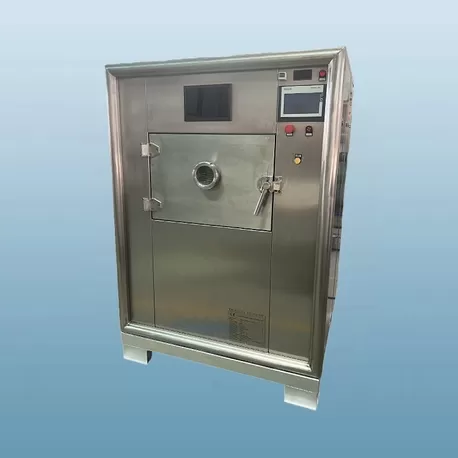
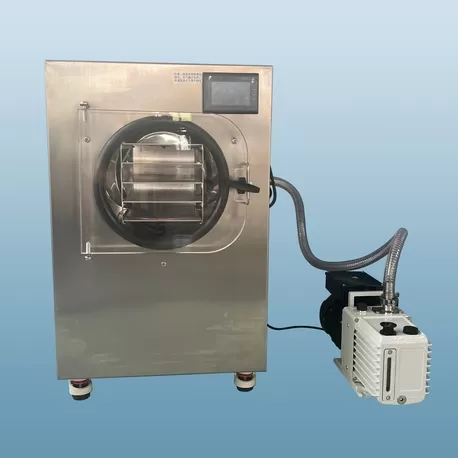
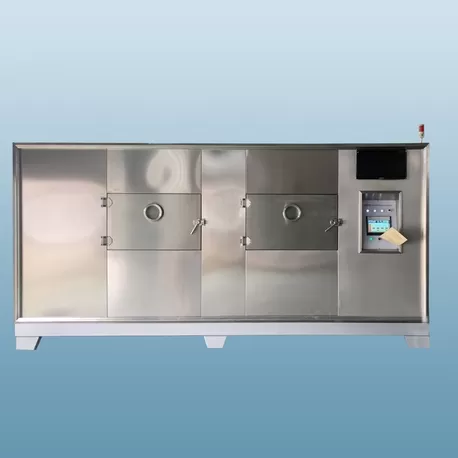
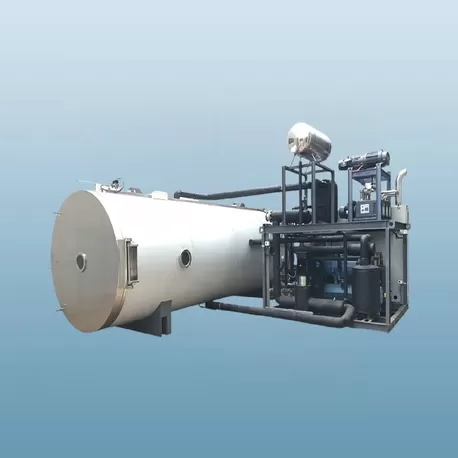
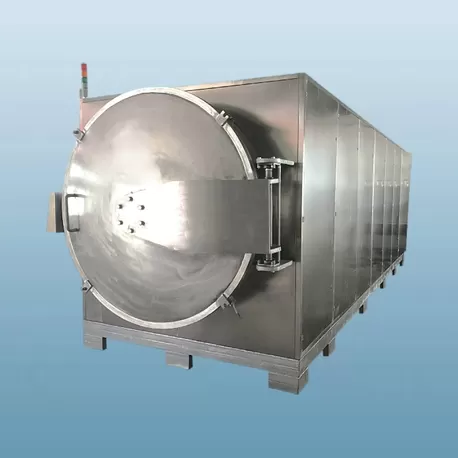
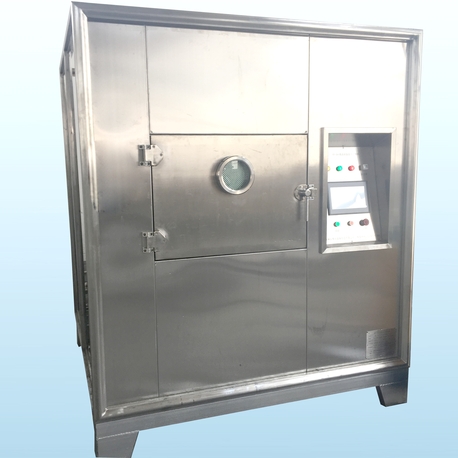
In modern manufacturing and laboratory environments, the ability to remove moisture with precision is a cornerstone of quality control. Whether you are curing specialized coatings, aging electronic components, or dehydrating delicate food products, the reliability of your thermal equipment dictates the success of your final output. Companies like Nasan have dedicated decades to refining these thermal processes, ensuring that a commercial drying oven does more than just heat up—it manages the delicate balance of airflow, temperature uniformity, and energy consumption.
Choosing the right equipment requires a deep understanding of your specific material requirements. A high-quality drying oven is an investment in consistency. When the stakes involve high-value industrial batches, the difference between a standard heater and a precision thermal chamber becomes apparent in the longevity and performance of the treated goods.

The Primary Role of a Professional Drying Oven in Modern Industry
The fundamental purpose of this equipment is the removal of solvents or water from a medium. However, in an industrial context, the process is rarely that simple. Thermal processing often involves complex chemical changes or physical shifts in the material being treated.
A commercial-grade drying oven provides a controlled environment where temperature fluctuations are minimized. This is critical for industries like aerospace or medical device manufacturing, where even a two-degree variance can lead to structural weaknesses or sterilization failures.
Beyond simple dehydration, these machines are used for tempering, annealing, and vulcanization. By providing a stable "soak" time at specific temperatures, the equipment allows materials to reach a state of internal equilibrium that air-drying or primitive heating methods simply cannot achieve.
Understanding the Different Methods of Heat Transfer
Not all drying processes are created equal. The way heat moves within the chamber significantly impacts the efficiency of the cycle. Most industrial units fall into two main categories: gravity convection and forced-air convection.
Gravity convection relies on the natural tendency of hot air to rise. This is ideal for lightweight powders or delicate samples that might be disturbed by a powerful fan. However, it is generally slower and less uniform than other methods.
Forced-air convection is the gold standard for most commercial applications. By using high-velocity fans, a modern drying oven can circulate air horizontally or vertically across every shelf. This eliminates "cold spots" and ensures that the items in the center of the stack receive the same thermal treatment as those near the walls. Nasan often emphasizes the importance of fan speed control to prevent "skinning" on wet materials.
How to Operate a Commercial Drying Oven for Best Results
Operating high-end thermal equipment requires a systematic approach to ensure both safety and efficiency. It begins with the pre-heating phase. You should never place a cold load into a chamber that hasn't reached its target temperature, as this can lead to uneven moisture evaporation.
Loading the chamber is an art form in itself. Operators must ensure that there is sufficient space between items to allow for unobstructed airflow. Crowding the shelves is the most common cause of "wet centers" in industrial batches.
Once the load is inside, the digital controller takes over. Modern systems allow for ramp-and-soak programming. This means you can program the drying oven to increase heat slowly, hold it for a specific duration, and then cool down at a controlled rate to prevent thermal shock to the material.
Monitoring the exhaust is the final critical step. In many solvent-based drying processes, the air inside the chamber can become saturated. Proper venting ensures that the moist air is replaced with fresh, dry air, which significantly accelerates the drying timeline.
Key Industry Applications for Thermal Processing Solutions
The versatility of a professional-grade drying oven makes it a staple in various high-tech sectors. In the electronics industry, these machines are used for "baking" circuit boards to remove any trapped moisture before soldering, which prevents the catastrophic "popcorn effect" during assembly.
In the pharmaceutical sector, precision is even more vital. Granule drying and glassware sterilization require strict adherence to temperature profiles. Here, the equipment must be easy to clean and often features stainless steel interiors to prevent any form of cross-contamination.
The food and beverage industry utilizes specialized versions of this technology for large-scale dehydration. Whether it is jerky, dried fruits, or spice blends, the goal is to lower the water activity levels to a point where microbial growth is impossible, all while preserving the nutritional value and color of the product.
Research and development labs also rely heavily on this technology. From soil testing in civil engineering to polymer aging in materials science, the drying oven serves as a baseline tool for standardized testing conditions. Nasan provides customized configurations for these specialized labs to meet specific ISO and ASTM standards.
Common Challenges and Solutions in Industrial Drying
One of the most frequent complaints in large-scale drying is energy waste. Heating a large steel box for 24 hours a day consumes significant power. The solution lies in advanced insulation materials and high-quality door gaskets.
Another challenge is "hot spots" caused by poor chamber design. If the air isn't pushed through the heating elements correctly, certain areas of the drying oven will always be hotter than others. Precision-engineered baffles and adjustable air vents are the primary solutions to this problem, allowing operators to fine-tune the environment.
Safety is also a major concern when dealing with volatile organic compounds (VOCs). If a material releases flammable vapors as it dries, a standard unit could become a fire hazard. The solution is an explosion-proof or "blow-out" back panel design, which ensures that any sudden pressure increase is safely vented away from the operator.
Maintenance Protocols for Long-Term Equipment Health
To keep a drying oven running at peak performance, a regular maintenance schedule is mandatory. The most critical component to monitor is the door seal. Even a tiny gap in the gasket can lead to massive heat loss and cause the heating elements to work twice as hard, leading to premature failure.
Sensor calibration should be performed at least once a year. Over time, thermocouples can drift, leading the controller to display an inaccurate temperature. Using an independent, certified thermometer to verify the internal heat ensures that your process remains within its required tolerances.
Cleaning the interior is not just about aesthetics. Accumulated dust or residue can become a fire hazard or interfere with the airflow patterns. If your process involves corrosive materials, ensuring that the interior lining is treated or made of high-grade 316 stainless steel will prevent rust from compromising the unit's structural integrity.
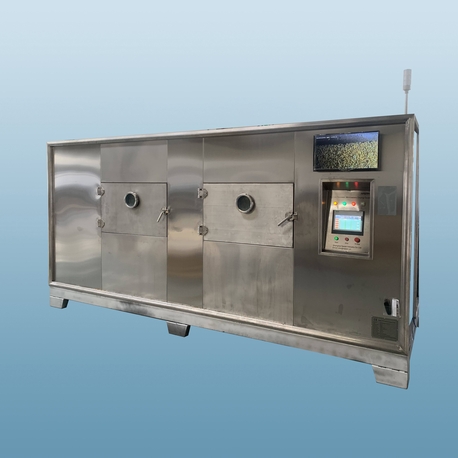
The Importance of Digital Control and Automation
We are currently seeing a shift toward fully automated thermal processing. Modern controllers now offer data logging capabilities, which are essential for industries that require a "paper trail" for quality audits. Every minute of the drying cycle can be recorded and exported to a computer.
Remote monitoring is another significant advancement. Managers can now check the status of a drying oven from their mobile devices, receiving alerts if the power fails or if the temperature exceeds a set limit. This level of connectivity reduces the need for constant manual supervision.
Automation also extends to the physical handling of goods. In high-volume factories, drying units are often integrated into conveyor systems. The doors open and close automatically as the product moves through different thermal zones, creating a seamless production flow that minimizes human error.
Strategic Benefits of High-Quality Thermal Equipment
Investing in a premium system offers a significant return on investment through reduced scrap rates. When every batch is dried perfectly, the cost per unit drops, and the reputation of the manufacturer grows. A reliable drying oven is the silent backbone of many successful production lines.
Beyond the immediate financial gains, high-quality equipment provides peace of mind. Knowing that your thermal process is stable allows your team to focus on other areas of production. This stability is why brands like Nasan have become trusted names in the global industrial market.
As we look toward the future, the focus will continue to be on sustainability and precision. The next generation of equipment will likely use even less energy while providing even tighter control over the micro-environments inside the chamber. Whether you are a small lab or a massive factory, the principles of efficient moisture removal remain the same.
In summary, choosing a drying oven is about understanding the relationship between heat, air, and time. By selecting equipment that offers robust construction and intelligent controls, you ensure that your business stays competitive in an increasingly demanding global market.
Frequently Asked Questions
Q1: What is the difference between a standard incubator and a drying oven?
A1: While both provide a heated environment, an incubator is designed for lower temperatures (usually up to 60°C or 70°C) and focuses on maintaining life or chemical reactions. A drying oven operates at much higher temperatures (often up to 250°C or 300°C) and is specifically designed to remove moisture and solvents through high-velocity air movement.
Q2: How do I determine the best temperature for my material?
A2: The ideal temperature is usually just below the point where the material would undergo an unwanted physical or chemical change (like melting or charring). It is always best to consult the Material Safety Data Sheet (MSDS) or perform a small-scale pilot test to find the balance between drying speed and material integrity.
Q3: Is forced-air convection always better than gravity convection?
A3: Not necessarily. While forced-air is faster and more uniform, it can blow around fine powders or damage very delicate samples. For general industrial use, forced-air is preferred, but for specific laboratory applications involving light particulates, a gravity convection drying oven might be the safer choice.
Q4: How often should I calibrate the temperature controller?
A4: Most industrial standards recommend a professional calibration once every 12 months. However, if you are working in a highly regulated field like pharmaceuticals or aerospace, you may need to calibrate every 6 months to ensure compliance with quality standards.
Q5: Can I dry flammable solvents in a standard unit?
A5: No. Drying materials that release flammable vapors requires a specialized "Class A" or explosion-proof drying oven. These units include specific safety features like spark-resistant fans and blowout panels to prevent accidents in the event of a vapor ignition.
Q6: Why is my drying process taking longer than expected?
A6: This is usually caused by poor airflow or high ambient humidity. Ensure that the shelves are not overloaded and that the exhaust vent is open. If the air inside the chamber is saturated with moisture, it cannot absorb any more from your product, which halts the drying process regardless of the temperature. Many Nasan models include adjustable exhaust ports to help resolve this specific issue quickly.