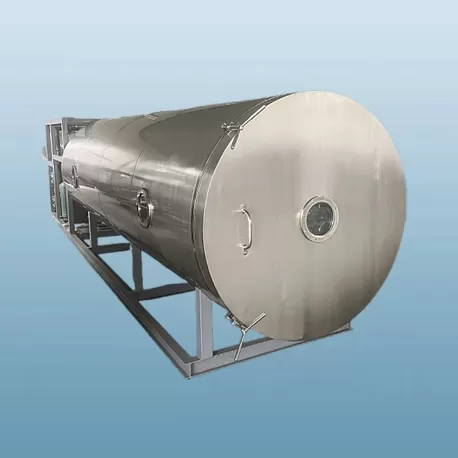
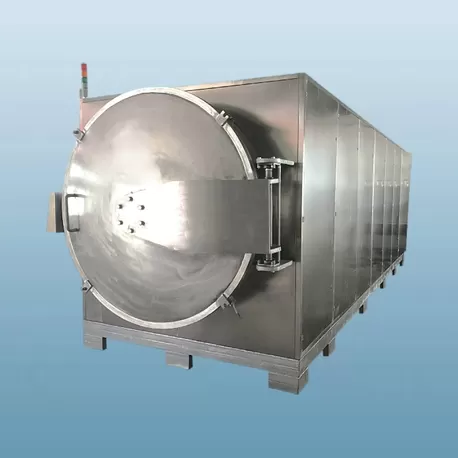
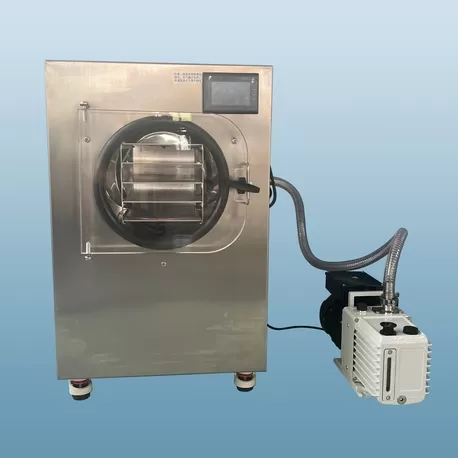
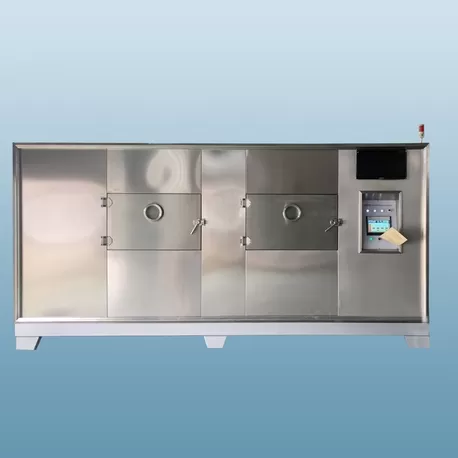
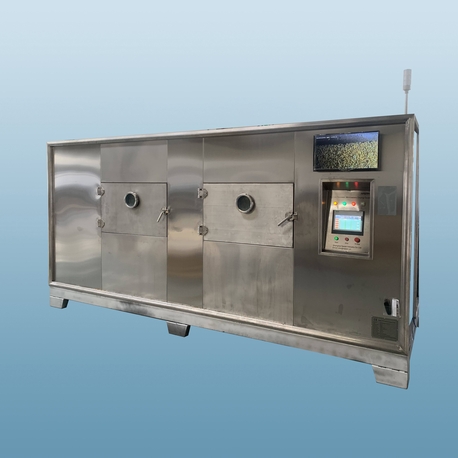
Mushrooms are tricky. They arrive fresh with a very short window for processing. For commercial growers and food processors, a reliable mushroom dryer is not just a piece of equipment—it’s a vital business asset. It’s the difference between profit and loss, between a premium product and a wasted harvest.
The right industrial mushroom dryer preserves flavor, color, and nutritional value. It extends shelf life from days to years, opening up new markets. But with different technologies available, making a choice can be complex. This article breaks down the key considerations, from how drying works to selecting a machine that fits your scale.
Brands like Nasan have been addressing these precise challenges in commercial dehydration for years.
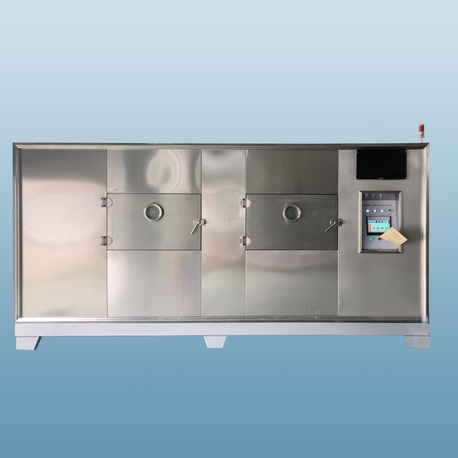
Why a Dedicated Mushroom Dryer is Non-Negotiable
You cannot dry mushrooms like you dry herbs or fruit. Their high moisture content (up to 90%) and delicate cellular structure demand specific conditions. A standard food dehydrator won’t cut it for commercial volumes.
A professional mushroom drying machine provides controlled, even heat with powerful airflow. This combination is crucial. It removes moisture rapidly without cooking the mushroom. This “case-hardening” prevents a hard exterior that traps interior moisture, which leads to spoilage.
The result is a perfectly dried product. It retains the umami flavor, original shape, and rehydrates well. For medicinal varieties like Reishi or Shiitake, it also preserves the bioactive compounds that are key to their value. This level of quality control is only possible with a proper commercial mushroom dryer.
The Commercial Drying Process: Step by Step
A consistent process ensures a consistent product. Here’s how a modern mushroom drying tunnel or cabinet system typically operates.
Preparation is Key. Fresh mushrooms must be cleaned and sliced uniformly. Slicing increases surface area, dramatically speeding up drying time. Consistency in slice thickness is critical for even results in the mushroom dryer.
Loading the Dryer. Slices are spread on trays, ensuring space for air circulation. Overloading is a common mistake that leads to uneven drying and longer cycles. An industrial mushroom dryer is designed for efficient batch loading.
The Critical Drying Phases. The cycle starts with a moderate temperature to remove surface moisture without shock. The temperature is then carefully raised. Advanced dryers use programmable logic controllers (PLCs) to manage this ramp. The final phase involves lower heat to finish drying without scorching.
Cooling and Stabilization. Once drying is complete, mushrooms are cooled inside the chamber before unloading. This prevents them from absorbing ambient moisture immediately. They are then ready for packaging in airtight containers.
Primary Industries Relying on Mushroom Drying Equipment
The use of a mushroom dryer extends far beyond the farm. It’s a cornerstone for several lucrative commercial sectors.
Large-Scale Cultivation Farms. For these businesses, a high-capacity mushroom dryer is essential for processing daily harvests. It turns a perishable product into a stable, shippable commodity for the wholesale ingredient market.
Food Manufacturing and Ingredient Supply. Powdered mushrooms are used in soups, sauces, seasonings, and snacks. An industrial drying system provides the volume and consistency needed by these manufacturers.
Nutraceutical and Supplement Companies. For medicinal mushrooms, preserving potency is paramount. A precision mushroom dryer that uses low-temperature drying protocols is mandatory in this high-value industry.
Specialty and Gourmet Food Producers. These companies value premium appearance and flavor. A commercial dryer that gently processes porcini, morels, or truffles helps them command top prices in the market.
Companies like Nasan provide solutions across all these sectors, offering scalable mushroom drying equipment.

Solving Common Industrial Drying Challenges
Every business faces hurdles. A well-chosen mushroom dryer comes with solutions built-in.
Challenge: Uneven Drying. Inconsistent batches hurt quality and efficiency.
Solution: Choose a dryer with a forced-air horizontal airflow design. This ensures every tray receives the same air temperature and velocity. Nasan dryers often feature this to guarantee uniform batch quality.
Challenge: High Energy Costs. Drying is energy-intensive, impacting operational expenses.
Solution: Look for dryers with high thermal efficiency, heat recovery systems, and good insulation. A modern heat pump mushroom dryer can reduce energy consumption by up to 60% compared to traditional models.
Challenge: Color and Nutrient Loss. High heat can degrade the product.
Solution: Opt for dryers that offer precise low-temperature control (typically 40-60°C range). This gentle drying preserves both the aesthetic and functional qualities of the mushrooms.
Challenge: Scaling Production. Needs change as a business grows.
Solution: Modular mushroom drying machines allow you to add capacity. Starting with a standard cabinet model and later connecting it to a larger tunnel system provides a clear growth path.
Challenge: Maintenance Downtime. A broken dryer during harvest is a disaster.
Solution: Invest in robustly built equipment with accessible components and reliable local service support. Simpler designs with proven track records, like some Nasan cabinet dryers, often mean less can go wrong.
Frequently Asked Questions (FAQs)
Q1: What is the main difference between a heat pump dryer and a traditional electric heating dryer for mushrooms?
A1: A traditional mushroom dryer uses electric heaters to produce hot air. A heat pump model works like a reverse air conditioner, extracting heat from the ambient air and concentrating it. Heat pump dryers are far more energy-efficient and excel at lower temperature drying, which is better for preserving quality in delicate mushrooms.
Q2: How long does a typical drying cycle take in an industrial mushroom dryer?
A2: Cycle time varies based on mushroom type, slice thickness, and dryer model. For sliced button mushrooms in a well-designed industrial mushroom dryer, cycles typically range from 6 to 10 hours. Thicker cuts or dense varieties like portobellos will take longer.
Q3: Can I use one dryer for both mushrooms and other vegetables or fruits?
A3: Technically, yes. A well-made commercial mushroom dryer with adjustable temperature and airflow can handle other produce. However, it is crucial to clean the unit thoroughly between different products to prevent cross-contamination of flavors and microbes. Some facilities dedicate dryers to specific product lines.
Q4: What are the most important features to look for in a commercial-grade mushroom dryer?
A4: Focus on these: 1) Precise and wide temperature range control. 2) Even horizontal airflow design. 3) Robust construction from food-grade stainless steel. 4) Energy efficiency ratings. 5) Reliable control system (PLC preferred). 6) Good after-sales service from the supplier, a strength often highlighted by established brands like Nasan.
Q5: How do I clean and maintain my mushroom drying equipment to ensure longevity?
A5: Daily: Wipe down exteriors and remove any debris from trays and chambers. Weekly: Perform a deeper clean of air filters and trays. Periodically: Have a technician inspect electrical components, fans, and heating elements. Always follow the manufacturer's specific maintenance schedule to keep your mushroom dryer running efficiently for years.
Choosing the right mushroom dryer is a significant investment. It requires balancing capacity, quality, energy use, and total cost of ownership. By focusing on the factors that directly impact your product and bottom line, you can make an informed decision. The goal is to find a workhorse that reliably transforms your fresh harvest into a durable, high-quality product day after day. Partnering with experienced manufacturers who understand these industrial needs, such as Nasan, can provide the technology and support to build a successful, sustainable drying operation.