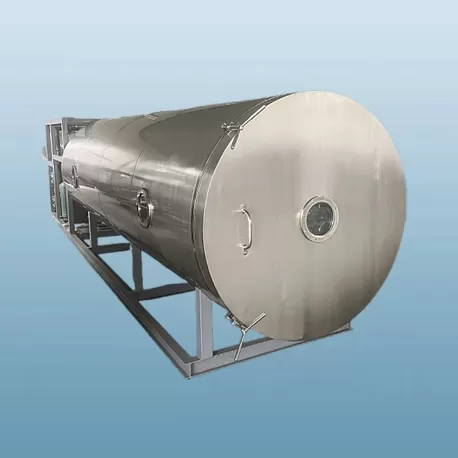
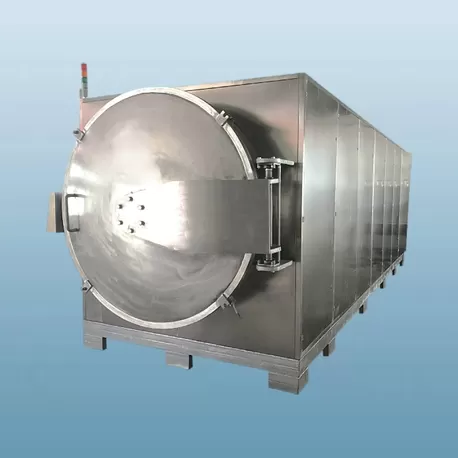
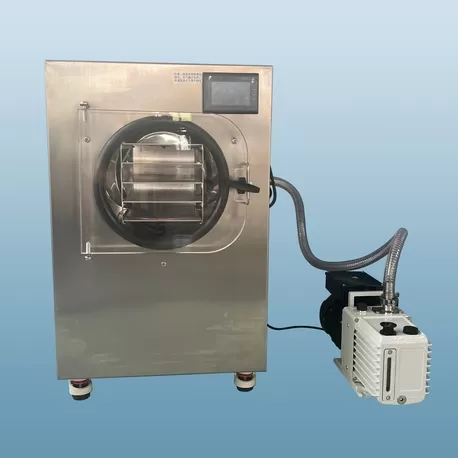
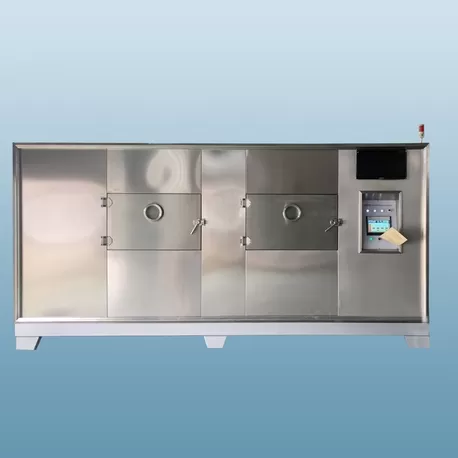
In the commercial food industry, preserving vegetables efficiently is a constant challenge. A vegetable drying machine offers a reliable solution by removing moisture to extend shelf life. Brands like Nasan have engineered robust models that meet industrial demands, ensuring consistent results. This technology is revolutionizing how businesses handle perishable produce. Let’s explore its key aspects, from functions to practical applications.

Key Benefits of Using a Vegetable Drying Machine
A vegetable drying machine significantly reduces food waste. By dehydrating vegetables, it prevents spoilage caused by bacteria and mold. This leads to cost savings for businesses dealing with bulk produce.
Nutritional retention is another major advantage. Unlike sun-drying, a vegetable drying machine uses controlled heat to preserve vitamins and minerals. This ensures dried vegetables remain healthy and flavorful.
Operational efficiency improves with a vegetable drying machine. Automated systems streamline the dehydration process, saving labor and time. This boosts productivity in fast-paced environments like food processing plants.
These machines also cut down on storage needs. Dried vegetables take up less space compared to fresh ones. This simplifies inventory management and reduces warehousing costs.
Energy efficiency is a highlight in modern vegetable drying machines. Nasan’s models, for instance, incorporate heat recovery systems. This lowers power consumption while maintaining high output.

Step-by-Step Operation Process
Starting with preparation, vegetables must be cleaned and sliced uniformly. This ensures even drying in the vegetable drying machine. Proper sizing avoids under or over-drying sections.
Loading the machine comes next. Arrange vegetables on trays without overcrowding. Good airflow is crucial for effective dehydration in any vegetable drying machine.
Setting parameters is key. Adjust temperature and time based on vegetable type. Most industrial vegetable drying machines allow programmable controls for precision.
Initiate the drying cycle and monitor progress. Sensors in advanced vegetable drying machines auto-adjust conditions. This prevents scorching or inadequate drying.
Unloading and storage complete the process. Once dried, cool vegetables before packaging. Regular maintenance of the vegetable drying machine prolongs its lifespan.
Diverse Application Areas
Food manufacturing plants rely heavily on vegetable drying machines. They produce ingredients for snacks, soups, and ready-to-eat meals. This speeds up supply chains and ensures product consistency.
In agriculture, a vegetable drying machine helps farmers manage surplus crops. It adds value by creating dried goods for market sale. This reduces post-harvest losses significantly.
Hospitality sectors use vegetable drying machines for ingredient preparation. Hotels and restaurants dehydrate veggies for garnishes and recipes. It enhances menu variety with preserved foods.
Pharmaceutical and herbal industries employ vegetable drying machines. They process medicinal plants and herbs for extracts. This maintains potency and purity in final products.
Nasan’s vegetable drying machines serve niche markets too. From camping food producers to pet food makers, versatility is a hallmark. Their adaptability meets diverse industrial needs.
Solutions for Common Drying Challenges
Uneven drying can plague vegetable drying machine operations. To fix this, ensure proper loading and use machines with balanced airflow. Nasan designs models with fan systems that distribute heat uniformly.
Moisture retention issues affect product quality. Advanced vegetable drying machines feature humidity sensors. These adjust cycles dynamically for thorough dehydration.
Energy costs are a concern in commercial settings. Opt for energy-efficient vegetable drying machines with insulation and heat pumps. Nasan’s units often include such eco-friendly technologies.
Maintenance hurdles like clogging or wear arise over time. Schedule regular cleaning of trays and filters. Inspect components periodically to keep the vegetable drying machine running smoothly.
Scaling production requires flexible solutions. Modular vegetable drying machines allow capacity expansion. Nasan offers customizable setups to grow with business demand.
Frequently Asked Questions
Q1: How does a vegetable drying machine compare to traditional sun-drying methods?
A1: A vegetable drying machine offers faster, more consistent results with controlled hygiene. It eliminates weather dependency and reduces contamination risks, making it ideal for industrial use.
Q2: What safety features should I look for in an industrial vegetable drying machine?
A2: Key features include overheating protection, automatic shut-off, and fire-resistant materials. Nasan’s models often incorporate these safeguards to ensure operational safety.
Q3: Can a vegetable drying machine handle delicate vegetables like herbs or leafy greens?
A3: Yes, most vegetable drying machines have low-temperature settings for delicate items. It’s best to use trays with fine mesh to prevent loss and ensure gentle drying.
Q4: How do I calculate the right drying time for different vegetables in a vegetable drying machine?
A4: Drying time depends on factors like moisture content, slice thickness, and machine power. Refer to manufacturer guidelines—Nasan provides charts for various vegetables to optimize cycles.
Q5: What is the average lifespan of a commercial vegetable drying machine, and how can I extend it?
A5: With proper maintenance, a vegetable drying machine can last 10-15 years. Regular cleaning, part replacements, and following Nasan’s service recommendations help maximize durability.
Investing in a vegetable drying machine is a smart move for businesses focused on quality and efficiency. It streamlines food preservation while supporting sustainability goals. Nasan continues to innovate in this field, providing reliable equipment for global industries. As demand for dried products grows, these machines will remain essential tools in commercial operations.