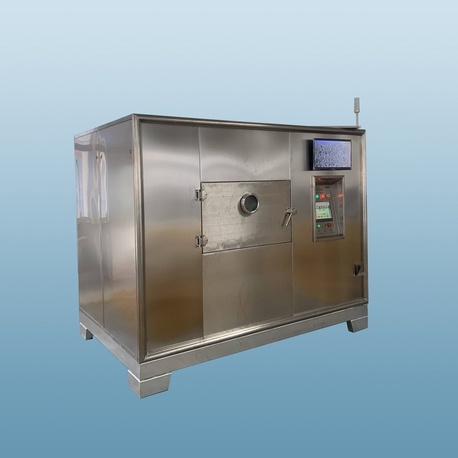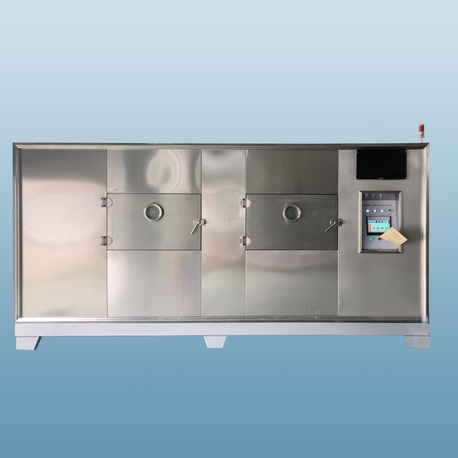



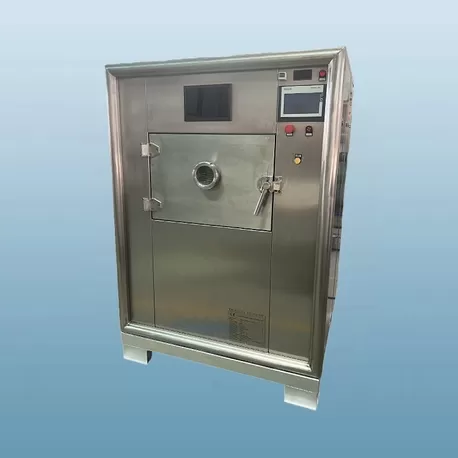
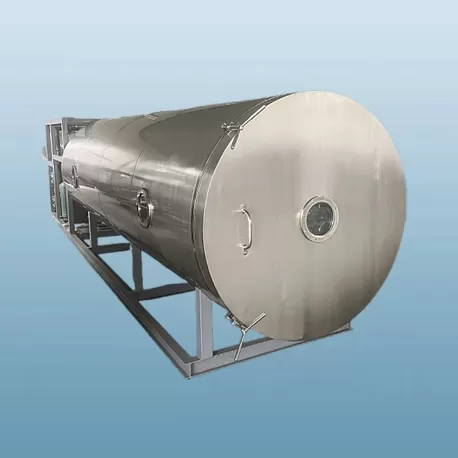
Food drying is one of the oldest and most effective methods of food preservation. In modern industry, it’s a sophisticated process that removes moisture to inhibit microbial growth and enzymatic activity, extending shelf life dramatically. This isn’t sun-drying on a clothesline; it’s a precise, controlled operation using advanced food dry technology.
For commercial food producers, choosing the right industrial food drying equipment is critical for product quality, energy efficiency, and scalability. This article explores the core principles, technologies, and solutions that define today’s industrial food dry landscape.

Why Industrial Food Drying is Essential
The primary role of commercial food dry processes is preservation, but the benefits run deeper. Removing moisture reduces weight and volume, which slashes transportation and storage costs. It creates shelf-stable products, from hiking trail mixes to instant soups, that require no refrigeration.
Furthermore, food drying can concentrate flavors, create unique textures (like crispy fruits or jerky), and prepare ingredients for further processing, such as milling into powders or flakes. In essence, it transforms perishable raw materials into stable, versatile, and valuable commodities.
How Industrial Food Dryers Work: The Core Process
While methods vary, all industrial food dry operations follow a basic sequence. First, prepared food (sliced, blanched, or treated) is loaded into the dryer. Heated air is then forced across the product’s surface. This hot air absorbs moisture and carries it away.
The key is precise control over temperature, airflow, humidity, and time. Too hot, and you scorch the product or case-harden it (forming a crust that traps interior moisture). Too slow, and you risk spoilage or off-flavors. Modern food drying equipment uses sophisticated sensors and PLC controls to navigate this delicate balance perfectly.
Primary Industries Relying on Food Drying Technology
The application of industrial food dry solutions is vast. The fruit and vegetable sector is a major user, producing everything from dried tomatoes and apple chips to powdered spinach for smoothies. The meat industry depends on it for jerky and meat snacks.
Herbs, spices, and tea leaves are almost universally dried to concentrate their aromatic compounds. In the seafood industry, food drying creates products like dried shrimp or fish jerky. Additionally, the nut and grain industry uses drying for post-harvest processing and to create cereal ingredients.
Comparing Common Types of Industrial Food Dryers
Not all food drying challenges are the same, so different technologies have emerged.
- Conveyor Dryers (Continuous Belt Dryers): The workhorse for high-volume processing. Food travels on a mesh belt through temperature-controlled zones, allowing for consistent, hands-off food dry processing of slices, granules, and pieces.
- Spray Dryers: Essential for transforming liquids into powders. Liquid food (like milk, coffee extract, or fruit puree) is atomized into a hot chamber, where droplets dry instantly. This is how milk powder and instant coffee are made.
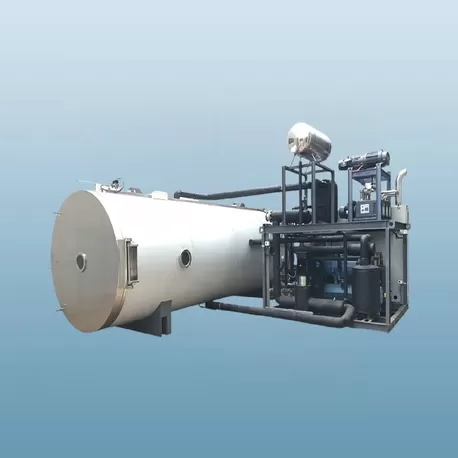
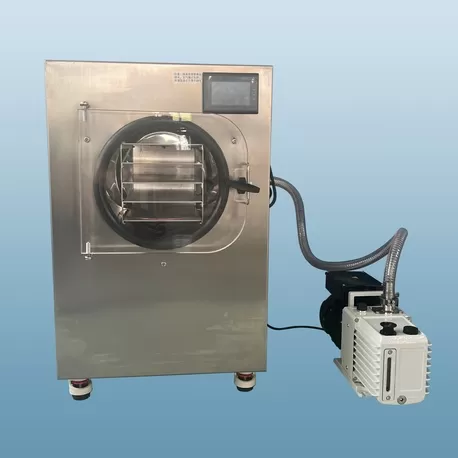
- Freeze Dryers (Lyophilizers): A premium process where food is frozen, and moisture is removed via sublimation in a vacuum. It preserves structure, flavor, and nutrients excellently, ideal for high-value products like camping meals, berries for cereals, and instant noodles’ premium toppings.
- Cabinet/Tray Dryers (Batch Dryers): Versatile units for smaller batches or R&D. Food is placed on trays inside an insulated chamber, perfect for testing recipes or processing high-value herbs and spices.
Each system offers distinct advantages in cost, product quality, and throughput.
Solutions for Modern Food Drying Challenges
Industrial food drying isn’t without hurdles. Energy consumption is a top concern. The latest food drying equipment tackles this with heat recovery systems, using exhausted moist air to preheat incoming fresh air.
Product consistency is another. Advanced dryers from leading engineers feature precise zoning and airflow design to ensure every piece dries uniformly. For delicate products, low-temperature food dry options preserve color, heat-sensitive vitamins, and raw food qualities.
Meeting these challenges requires expertise and robust technology. Companies like Nasan have built a reputation for designing food drying systems that address these very issues, focusing on efficiency and repeatable results for their global clientele.

Selecting the Right Food Drying Equipment for Your Business
Choosing a system requires careful analysis. What is your product’s form (solid, liquid, paste)? What are your target moisture content and final product quality? What is your required hourly or annual throughput? Answering these determines the dryer type.
Consider upstream and downstream processes. How will you prepare the food before it enters the food dry stage? How will you package it after? A holistic view of the production line ensures the dryer integrates seamlessly.
Finally, partner with a supplier that offers comprehensive support, from initial testing in their facility to installation, training, and spare parts. A reliable partner ensures your food drying operation is a long-term asset.
The Future of Food Drying Technology
Innovation continues. Heat pump drying technology is gaining traction for its remarkable energy efficiency, especially in humid climates. Hybrid systems that combine different food dry methods (e.g., hot air followed by finish drying in a vacuum) optimize quality and speed.
Smart factories are integrating IIoT (Industrial Internet of Things) sensors into food drying equipment, enabling predictive maintenance, real-time optimization, and full production traceability. The goal is smarter, more sustainable, and more adaptable drying solutions.
Industrial food drying is a dynamic field fundamental to the global food supply chain. From creating everyday ingredients to pioneering new snack formats, the technology empowers food businesses to innovate, scale, and deliver safe, stable products.
Investing in the right food drying technology is an investment in your product’s future. By understanding the methods, applications, and key selection criteria, businesses can make informed decisions that boost efficiency and product quality. For those seeking robust and reliable systems, expertise from established brands like Nasan provides a solid foundation for any commercial food dry operation.
Frequently Asked Questions (FAQs) About Industrial Food Drying
Q1: What is the typical temperature range for industrial food drying?
A1: The temperature varies widely by product and method. For delicate herbs and spices, air temperatures might be as low as 40-50°C (104-122°F) to preserve volatile oils. For vegetable pieces or jerky, temperatures often range from 60-80°C (140-176°F). Spray drying and conveyor drying for certain products can use inlet air temperatures well above 150°C (302°F), though the product itself experiences much less heat due to evaporative cooling.
Q2: How does food drying differ from dehydration?
A2: In casual conversation, the terms are used interchangeably. Technically, in industry, “dehydration” often refers specifically to the process of removing water, while “drying” is the broader operational term. However, when searching for machinery, “food drying equipment” is the more common commercial and industrial keyword used by manufacturers and buyers alike.
Q3: Which is more energy-efficient: freeze-drying or conventional hot-air drying?
A3: Conventional hot-air drying is generally more energy-efficient in terms of pure moisture removal per unit of energy. Freeze-drying is a much more energy-intensive process due to the need for deep freezing and maintaining a high vacuum. It is chosen for its superior product quality, not for energy savings. However, new heat pump-assisted conventional dryers are significantly closing the efficiency gap with standard dryers.
Q4: How important is airflow design in a food dryer?
A4: It is absolutely critical. Uniform airflow is what ensures consistent drying across the entire product bed. Poor airflow design leads to hot and cold spots, resulting in uneven moisture content—some product may be overdried and brittle, while other parts remain too wet and prone to spoilage. High-quality food drying equipment is engineered for optimal, laminar airflow distribution.
Q5: How often does an industrial food dryer require cleaning and maintenance?
A5: The schedule depends on the product and duty cycle. For dry products that don’t shed particles, a weekly or bi-weekly inspection and clean might suffice. For sticky or oily products, a full clean-down might be necessary after every batch or daily. Preventive maintenance for fans, bearings, heaters, and filters should follow the manufacturer’s strict schedule, often quarterly or semi-annually, to prevent unplanned downtime and maintain efficiency.