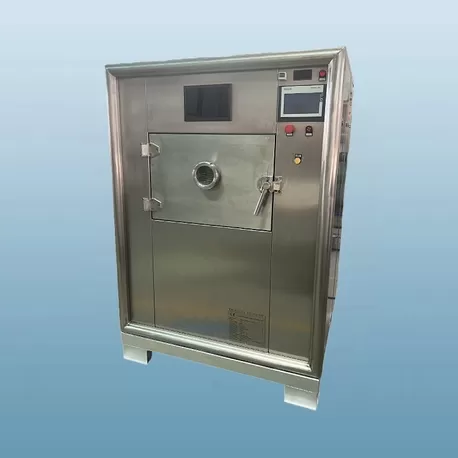
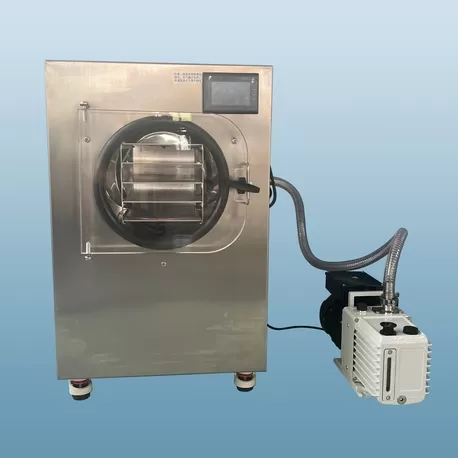
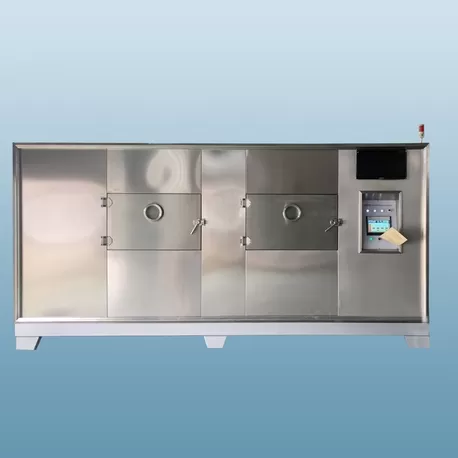
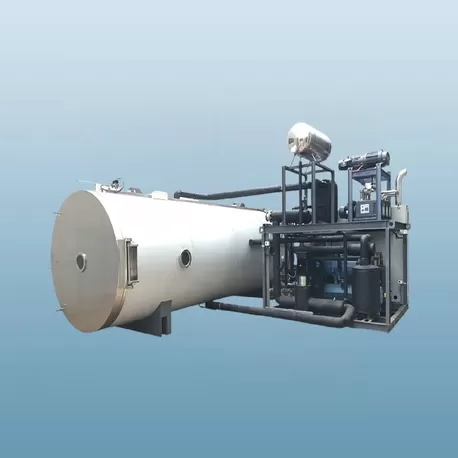
The global food processing landscape is undergoing a massive shift toward efficiency and sustainability. For commercial producers, the ability to preserve large quantities of produce while maintaining nutritional integrity is a significant competitive advantage. A high-capacity food dryer is no longer a luxury but a fundamental requirement for businesses aiming to scale their operations.
Whether you are processing fruits, vegetables, or proteins, the machinery you choose dictates your profit margins. Companies like Nasan have recognized this need, developing advanced thermal solutions that cater specifically to the rigors of industrial-scale production. Modern drying technology has moved far beyond simple heating, incorporating complex airflow dynamics and energy-recovery systems.

The Critical Role of a Food Dryer in Modern Manufacturing
In the international food supply chain, shelf life is everything. A professional food dryer allows manufacturers to transform perishable raw materials into stable, high-value products. This process reduces waste and opens up export opportunities that are impossible with fresh goods.
The primary goal of industrial drying is to remove moisture without damaging the cellular structure of the food. If the temperature is too high, you risk "case hardening," where the exterior dries while the interior remains damp. If it is too low, microbial growth can ruin the entire batch. Precision is the difference between a premium product and a total loss.
Transitioning from Traditional Ovens to Industrial Systems
Many small-scale businesses begin their journey using standard convection ovens. However, as volume increases, the limitations of these machines become clear. They consume excessive electricity and offer inconsistent results.
An industrial-grade food dryer is engineered for 24/7 operation. These systems utilize heavy-duty components designed to handle the high humidity and acidic environments often found in food processing plants. Moving to professional equipment is the first step in ensuring that every batch meets international safety standards.
Understanding Heat Pump Technology in Dehydration
Energy costs are one of the largest overhead expenses in the drying industry. Traditional electric heaters or gas burners release a vast amount of waste heat into the atmosphere. This is where heat pump technology, a specialty of brands like Nasan, changes the game.
A heat pump food dryer works by recycling the latent heat from the exhaust air. Instead of venting all the warm, moist air out, the system condenses the moisture and feeds the heat back into the drying chamber. This closed-loop or semi-closed-loop system can reduce energy consumption by as much as 70% compared to traditional methods.
Airflow Dynamics: Horizontal vs. Vertical Systems
When evaluating a food dryer, the direction of airflow is a technical detail that carries heavy weight. In smaller domestic units, air often moves from the bottom to the top. This is inefficient for large stacks of trays, as the bottom trays dry faster than the top ones.
Commercial systems almost exclusively use horizontal airflow. The fans are positioned on the side, blowing air across each tray individually. This ensures that every piece of food is exposed to the same temperature and wind speed. The result is a uniform product that doesn't require "tray rotation" during the middle of a shift.
Material Integrity and Sanitary Design
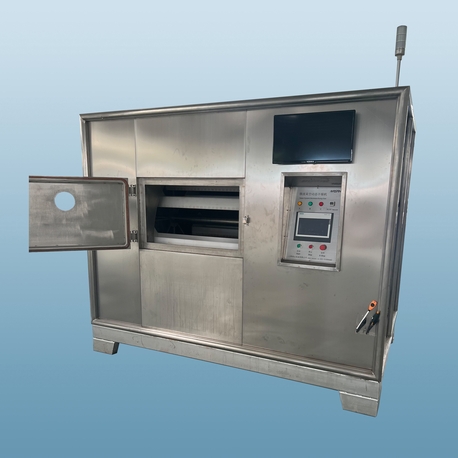
In the world of commercial food production, sanitation is a top priority. A food dryer must be built to withstand rigorous cleaning protocols. Stainless steel, particularly the 304 or 316 grades, is the industry standard for a reason.
Stainless steel does not leach chemicals into the food, and it resists the corrosive effects of salt and fruit acids. Furthermore, the interior of the drying chamber should be designed with rounded corners and minimal seams. This prevents the buildup of debris and bacteria, making it easier for facilities to pass HACCP and ISO audits.
The Impact of PLC Control Systems on Quality
Manual monitoring is prone to human error. A modern food dryer is usually equipped with a Programmable Logic Controller (PLC). This allows operators to set specific "drying curves" for different products.
For example, some products might require an initial high-temperature "shock" to kill surface bacteria, followed by a long period of low-temperature drying. A PLC can manage these transitions automatically. It can also monitor humidity levels in real-time, shutting down the machine only when the precise target moisture content is achieved.
Scalability: Batch Drying vs. Continuous Belts
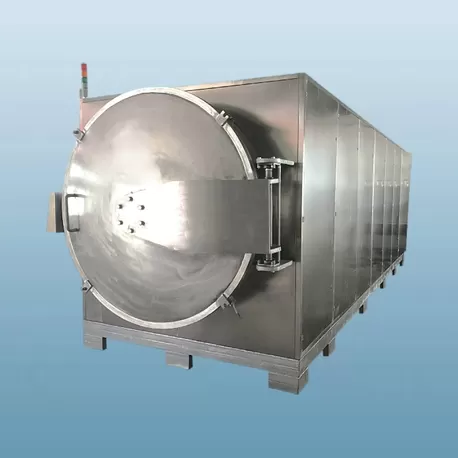
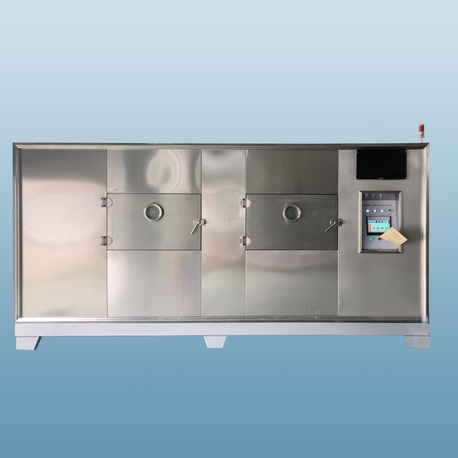
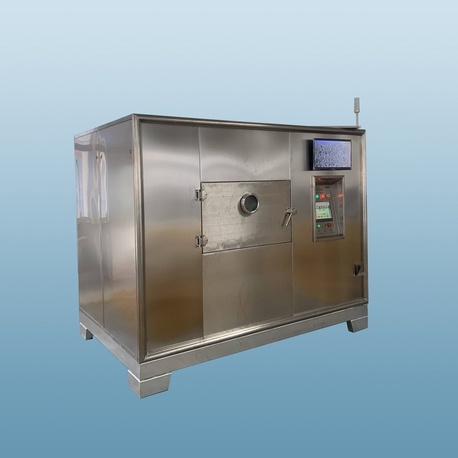
Deciding on the configuration of your food dryer depends on your production volume. Batch dryers are cabinet-style machines where trays are loaded and unloaded at specific intervals. They are ideal for facilities that process a wide variety of different items throughout the week.
For massive, single-product operations, a continuous belt dryer is often the better choice. The raw material enters on a conveyor at one end and exits dried at the other. While the initial investment for a continuous system is significantly higher, the reduction in labor costs for high-volume producers is substantial.
Reducing the Carbon Footprint of Food Processing
Sustainability is no longer just a buzzword; it is a requirement for many global retailers. Using an energy-efficient food dryer allows a company to market its products as "eco-friendly." By lowering the kilowatt-hours per kilogram of finished product, businesses can align with global green initiatives.
Nasan and other innovators are increasingly looking at solar-assisted drying and better insulation materials to further reduce the environmental impact. Efficient thermal management not only saves the planet but also significantly increases the net profit per batch by lowering utility bills.
Preservation of Nutrients and Bioactive Compounds
The consumer market is increasingly health-conscious. They don't just want dried food; they want "superfoods" that retain their vitamins and antioxidants. A high-quality food dryer allows for low-temperature dehydration, which is the key to nutrient preservation.
When drying at temperatures below 55°C (131°F), the vitamins and natural enzymes in the food stay intact. This is particularly important for high-value products like medicinal herbs, specialized berries, and functional food ingredients. Keeping the temperature low while maintaining high airflow is the secret to a bright color and a fresh taste.
Managing Moisture Content for International Export
International trade laws are very specific about the moisture content in dried goods. If a shipment is found to have a moisture level even 1% higher than the legal limit, it can be rejected at the border due to the risk of aflatoxins or mold.
A professional food dryer provides the precision needed to hit these targets consistently. By using moisture sensors that communicate directly with the control panel, manufacturers can guarantee that their products are safe for long-term shipping in containers across the ocean.
Operational Maintenance for Longevity
Investing in industrial equipment requires a plan for long-term maintenance. A food dryer is a workhorse, but it needs regular care. This includes cleaning the condenser coils, checking the fan bearings, and ensuring the door gaskets remain airtight.
Leaking air is a common cause of energy waste. If the seals are compromised, the machine has to work harder to maintain the internal temperature. A well-maintained machine can easily last 15 to 20 years, providing a massive return on the initial capital expenditure.
The Future of Thermal Processing Technology
As we look toward the next decade, the integration of AI and IoT (Internet of Things) into food dryer systems is the next frontier. Imagine a system that can sense the sugar content of the fruit and automatically adjust the drying time to prevent caramelization.
Remote monitoring is already becoming a standard feature. Managers can now check the status of their drying rooms from a smartphone, receiving alerts if a sensor detects an anomaly. This level of connectivity ensures that the factory can run with minimal supervision while maintaining maximum output quality.
Choosing the Right Partner for Your Drying Needs
The equipment is only one part of the equation. Finding a manufacturer that understands the science of food is equally important. Nasan provides the technical support and customization options that help businesses adapt to changing market demands. Whether you need a small batch unit for testing or a massive industrial line, the focus should always be on reliability and efficiency.
In conclusion, the selection of a food dryer is a pivot point for any food-based business. It influences everything from the taste of the product to the electricity bill at the end of the month. By prioritizing advanced airflow, energy-efficient heat pump technology, and robust stainless steel construction, manufacturers can position themselves for long-term growth in the global marketplace.
Frequently Asked Questions (FAQ)
Q1: How does a heat pump food dryer differ from a standard electric dryer?
A1: A standard electric dryer uses heating elements to warm the air and then vents the moist air out, wasting energy. A heat pump food dryer uses a refrigeration cycle to condense the moisture out of the air and recycles the heat back into the chamber, making it much more energy-efficient.
Q2: What is the average drying time for commercial quantities of vegetables?
A2: Drying times vary depending on the vegetable’s water content and how it is sliced. Generally, it takes between 6 and 14 hours. Leafy greens dry very quickly, while dense root vegetables like carrots or beets take longer to reach a shelf-stable state.
Q3: Is it necessary to blanch food before putting it in the food dryer?
A3: For many vegetables, blanching is recommended. It stops the enzymatic actions that cause loss of color and flavor. It also softens the cellular structure, which can actually speed up the drying process in some instances.
Q4: Can I dry different types of food at the same time in the same machine?
A4: It is possible if the foods require the same temperature. However, it is not recommended for foods with strong odors (like onions or garlic) as the flavors can cross-contaminate more delicate items like fruits or herbs.
Q5: What is the ideal moisture content for "shelf-stable" dried fruit?
A5: Most commercial dried fruits are considered safe and shelf-stable when the moisture content is between 15% and 20%. For vegetable powders or "crisp" snacks, the moisture content usually needs to be lowered to 3% to 5%.
Q6: How do I know if my food dryer is properly calibrated?
A6: You should regularly use independent handheld moisture meters and thermometers to verify the readings on your machine’s control panel. If there is a discrepancy of more than 1-2 degrees, the sensors may need cleaning or recalibration by a technician.