
News Categories

Hot Articles

Industrial Fruit and Vegetable Dehydrators: A Guide for Commercial Drying Efficiency

Source:NASAN
Published on:2026-02-05 10:08:38
Industrial Fruit and Vegetable Dehydrators: A Guide for Commercial Drying Efficiency

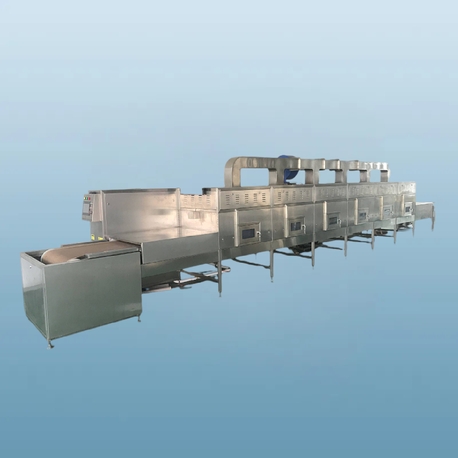
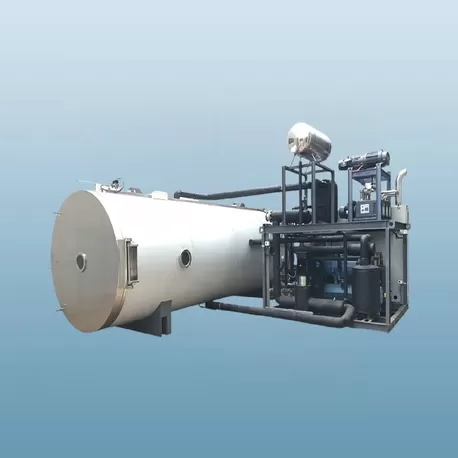
In commercial food processing, a reliable fruit and vegetable dehydrator is essential. It removes moisture to preserve nutrients and extend shelf life. This technology supports large-scale operations, reducing waste and improving productivity. Brands like Nasan have innovated in this space, offering robust solutions for industrial needs. The global market demands efficient drying, and these machines meet that challenge head-on.

Technical Principles of a Fruit and Vegetable Dehydrator

Understanding how a fruit and vegetable dehydrator works is key to leveraging its benefits. The process involves controlled heat and airflow to extract water. This preserves texture and flavor while inhibiting microbial growth. Modern units use precise sensors for optimal results.

How Dehydration Preserves Food

Dehydration works by lowering water activity. Heat gently circulates through the produce, evaporating moisture. This method retains vitamins and minerals better than canning. Active drying cycles ensure consistent output for commercial settings.

  • Heat application at controlled temperatures prevents cooking.

  • Airflow systems distribute heat evenly across trays.

  • Timers and humidity controls automate the process for efficiency.

Key Components in Industrial Dehydrators

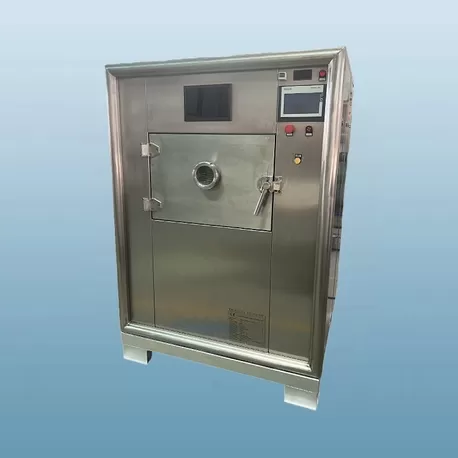
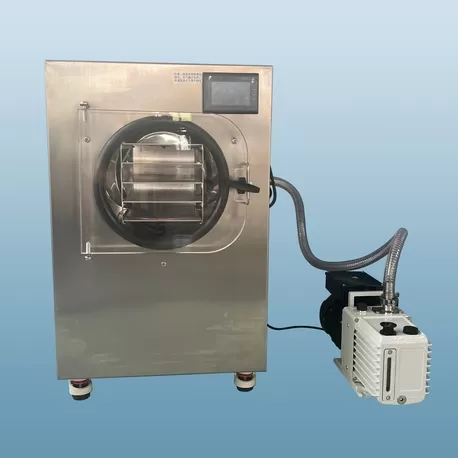
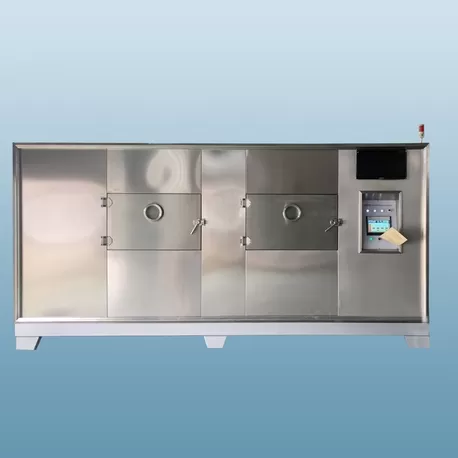
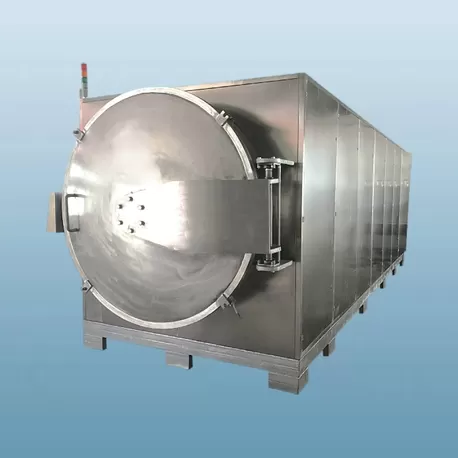
Industrial dehydrators feature durable parts for continuous use. Heating elements, fans, and trays are built to last. Stainless steel construction resists corrosion. These components work together to handle high volumes. Brands like Nasan integrate smart technology for monitoring.

Core Advantages of Using an Industrial Fruit and Vegetable Dehydrator

An industrial fruit and vegetable dehydrator offers significant benefits over traditional methods. It boosts efficiency and reduces energy costs. The quality of dried products remains high, appealing to consumers. These advantages make it a staple in food production.

Efficiency and Productivity Gains

Commercial dehydrators process large batches quickly. They cut drying time by half compared to sun drying. This speeds up supply chains and increases output. Automated features minimize labor requirements. Companies save money and scale operations effectively.

  • Faster drying cycles enhance throughput for businesses.

  • Energy-efficient designs lower operational expenses.

  • Uniform drying reduces product loss and rework.

Quality Preservation and Shelf Life Extension

These machines maintain color, taste, and nutrition. Controlled conditions prevent over-drying or under-drying. Shelf life extends to months or years, reducing spoilage. This quality consistency builds brand trust. Nasan models excel in preserving delicate produce like berries and herbs.

Application Fields for Fruit and Vegetable Dehydrators in Industry

The versatility of a fruit and vegetable dehydrator spans multiple sectors. From food processing to agriculture, it supports diverse needs. This adaptability drives adoption across global markets. Industrial applications require robust performance, and dehydrators deliver.

Food Processing and Packaging

In food plants, dehydrators make snacks, ingredients, and ready-to-eat meals. They handle fruits, vegetables, and even meats. Dried products are lightweight, easy to store, and transport. This efficiency supports export and retail demands. Nasan equipment meets stringent food safety standards.

Agricultural and Farm Use

Farms use dehydrators to preserve surplus harvests. This reduces waste and adds value to crops. Small-scale commercial farmers benefit from affordable models. Dried goods can be sold directly or used in animal feed. The technology empowers sustainable practices.

  • Preserves seasonal produce for year-round sales.

  • Supports organic and non-GMO product lines.

  • Integrates with farm-to-table supply chains.

Competitive Comparison: Fruit and Vegetable Dehydrators vs. Alternatives

Comparing a fruit and vegetable dehydrator with other drying methods highlights its superiority. Traditional sun drying is weather-dependent and slow. Oven drying often lacks precision. Industrial dehydrators offer control and consistency.

Comparison with Traditional Drying Methods

Sun drying exposes food to contaminants and pests. It takes days and requires large spaces. Dehydrators complete the job in hours with enclosed systems. This improves hygiene and product safety. Energy use is optimized, making it cost-effective.

Features of Leading Brands like Nasan

Nasan dehydrators stand out for durability and innovation. They include programmable settings and remote monitoring. Competitive models may lack these advanced features. Nasan focuses on user-friendly designs for industrial clients. Their machines ensure reliable performance in harsh environments.

  • High-capacity trays accommodate varied produce sizes.

  • Low noise operation suits indoor facilities.

  • Compliance with international industrial standards.

The Future of Industrial Drying with Fruit and Vegetable Dehydrators

The industrial fruit and vegetable dehydrator is transforming food preservation. It combines technology with practicality for commercial success. As demand for dried goods grows, these machines will evolve. Brands like Nasan continue to lead with cutting-edge solutions. Investing in a quality dehydrator boosts efficiency and product quality.

Frequently Asked Questions about Fruit and Vegetable Dehydrators

Q1: What is the average drying time in an industrial fruit and vegetable dehydrator?

A1: Drying time varies by produce type and moisture content. Typically, it ranges from 4 to 12 hours. Industrial units with higher temperatures can shorten this. Factors like slice thickness and airflow also affect duration.

Q2: How does a fruit and vegetable dehydrator preserve nutrients compared to canning?

A2: Dehydration uses low heat, which minimizes nutrient loss. Canning often involves high heat that degrades vitamins. The dehydrator retains more fiber and antioxidants. This makes dried foods a healthier option for consumers.

Q3: Can industrial dehydrators handle other products besides fruits and vegetables?

A3: Yes, many models dry herbs, meats, and even flowers. Industrial dehydrators are versatile for various materials. Adjust settings for different products. This flexibility adds value to commercial operations.

Q4: What maintenance does an industrial fruit and vegetable dehydrator require?

A4: Regular cleaning of trays and filters is essential. Check heating elements and fans for wear. Lubricate moving parts annually. Proper maintenance extends machine life and ensures consistent performance.

Q5: How do I choose the right size dehydrator for my business?

A5: Consider your daily production volume and space. Small businesses may start with compact units. Large facilities need high-capacity models. Assess features like energy efficiency and automation. Brands like Nasan offer scalable options for growth.