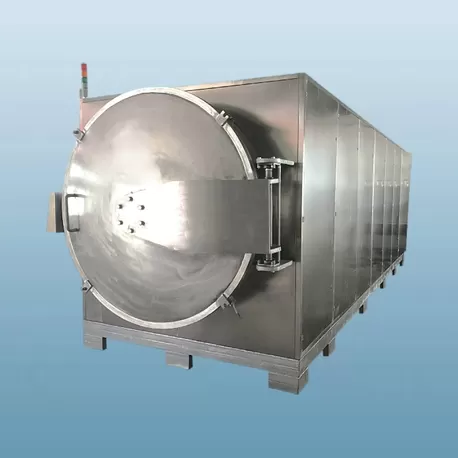
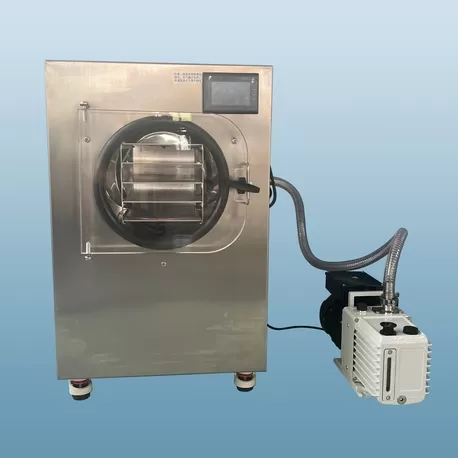
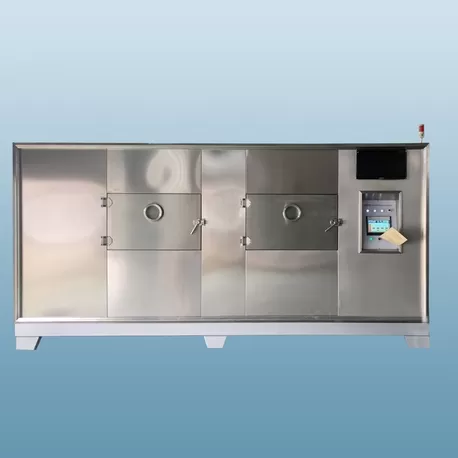
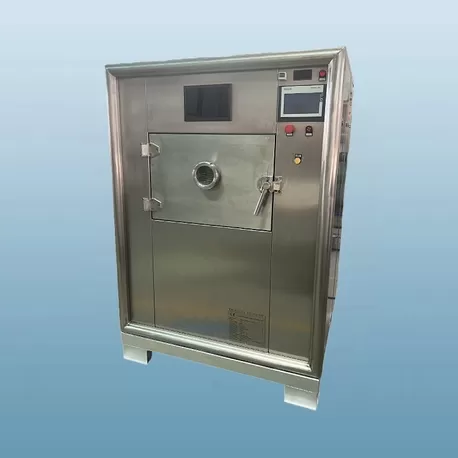
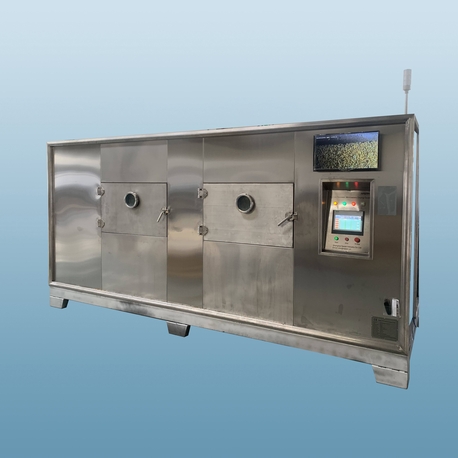
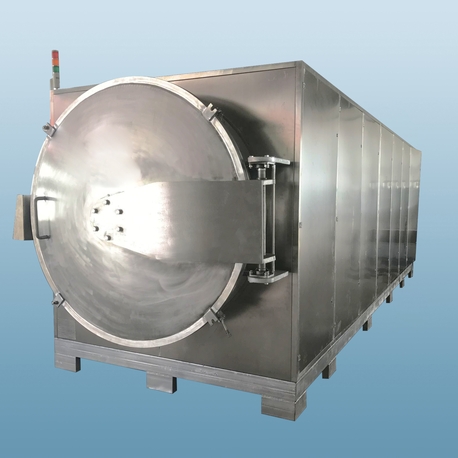
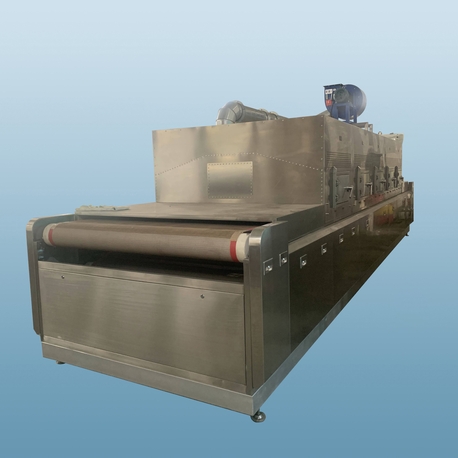
In the global food processing industry, efficient preservation is paramount. An industrial vegetable dryer is a critical piece of equipment designed to remove moisture from produce, extending shelf life, reducing waste, and maintaining nutritional value. For businesses looking to scale operations and ensure product consistency, investing in robust drying technology is a strategic move. Brands like Nasan have developed advanced drying systems that cater to the rigorous demands of commercial and industrial applications, ensuring reliability and high throughput.
The Core Function of a Commercial Vegetable Dryer
A commercial vegetable dryer is not a simple dehydrator. It is an engineered system that precisely controls temperature, airflow, and humidity. The primary goal is to efficiently remove water content without compromising the vegetable's cellular structure, color, flavor, or essential nutrients.
This process inhibits the growth of microorganisms like bacteria, yeast, and mold. By doing so, it transforms perishable fresh produce into a stable, lightweight, and easily transportable product. This is essential for creating ingredients for soups, snacks, spices, and ready-to-eat meals.
How an Industrial Drying System Operates: A Streamlined Process
The operation of an industrial-scale dryer follows a logical, automated sequence designed for consistent results.
Preparation. Vegetables are first thoroughly washed and sorted. They are often sliced, diced, or blanched to ensure uniform drying. Blanching, in particular, helps preserve color and deactivate enzymes that cause spoilage.
Loading. Prepared produce is evenly spread onto trays or conveyor belts. Uniform loading is crucial for consistent airflow and heat distribution throughout the drying chamber.
The Drying Phase. The core process begins. Heated air is forced through the chamber in a controlled pattern. Modern systems, such as those engineered by Nasan, use precise temperature zones. This allows for gentle initial drying followed by more intense moisture removal, optimizing energy use.
Cooling and Stabilization. After drying, the product is often cooled before packaging. This step prevents condensation inside the packaging, which could lead to rehydration and spoilage.
Packaging. The dried vegetables are then packaged in moisture-proof containers, ready for storage, distribution, or further processing.
Key Applications Across Industries
The use of an industrial vegetable dryer spans several major sectors beyond basic food processing.
Large-Scale Food Manufacturing. This is the primary domain. Companies producing instant noodles, dried soup mixes, baby food, and snack seasonings rely on high-capacity dryers to process onions, carrots, peppers, tomatoes, and herbs in bulk.
Agricultural Cooperatives and Exporters. Farmers' cooperatives use dryers to preserve surplus harvest. This reduces post-harvest losses dramatically and creates new, value-added products for export, such as dried mango slices or okra.
Pharmaceutical and Nutraceutical Sectors.* Many vegetables and herbs are sources of vitamins and phytochemicals. A precision vegetable dryer is used to dry materials like spinach, kale, or medicinal herbs while preserving their active compounds for use in supplements and health products.
Hotel, Restaurant, and Catering (HORECA) Supply.* Suppliers to large food service providers often offer pre-dried vegetables for ease of use, consistency in recipes, and reduced preparation time in commercial kitchens.
Addressing Common Challenges with Modern Solutions
Industrial drying faces specific challenges that modern equipment directly addresses.
Energy Consumption. Traditional drying can be energy-intensive. Contemporary designs from manufacturers like Nasan incorporate heat recovery systems and insulated chambers. This significantly reduces operational costs and environmental impact.
Product Quality Consistency. Inconsistent drying leads to uneven moisture content. Advanced dryers use automated controls and even airflow designs to ensure every batch meets strict quality standards.
Handling Diverse Products. A single facility may need to dry leafy herbs and dense root vegetables. Modular and customizable dryers offer adjustable tray spacing, variable speed conveyors, and programmable recipes for different products.
Hygiene and Compliance. Industrial dryers for food must meet stringent hygiene standards (e.g., FDA, EU regulations). Units are constructed with food-grade stainless steel, feature easy-clean surfaces, and are designed to prevent cross-contamination.

Selecting the Right Drying Technology
Several dryer types exist, each suited to different needs.
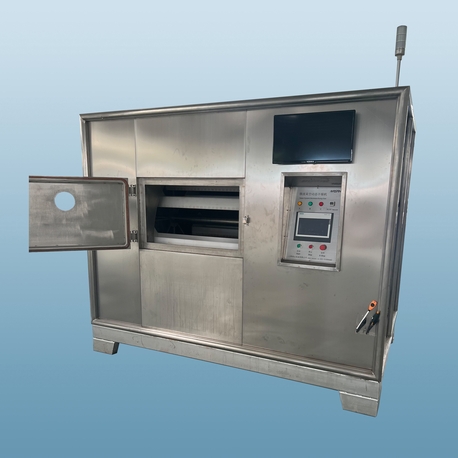
Tray Dryers (Batch Type). Ideal for smaller batches or R&D. Vegetables are placed on stacked trays inside a closed chamber. They offer flexibility for testing different products.
Belt Dryers (Continuous Flow). The most common for high-volume processing. Vegetables move on a conveyor belt through temperature zones, allowing for uninterrupted, automated production.
Heat Pump Dryers. These are highly energy-efficient, using a refrigerant cycle to dehumidify and recirculate air. They operate at lower temperatures, which is excellent for heat-sensitive products.
Freeze Dryers.* While costly, they offer the highest quality preservation by sublimating ice in a vacuum. This is typically reserved for high-value products where shape, color, and nutrient retention are critical.
For most commercial operations seeking a balance of capacity, efficiency, and quality, advanced belt dryers or hybrid heat pump systems provide the optimal solution. Brands that focus on industrial durability, like Nasan, build systems that can run continuously with minimal maintenance.
Integrating an efficient vegetable dryer into a production line is a transformative investment for any business in the food or agricultural sector. It directly contributes to waste reduction, product diversification, and market expansion. The technology has evolved to be smarter, more energy-efficient, and more adaptable than ever.
When considering such an investment, partnering with an experienced manufacturer is crucial. Nasan, with its focus on industrial-grade construction and tailored drying solutions, represents the kind of expertise that can ensure a project's long-term success and return on investment.
Frequently Asked Questions (FAQ)
Q1: What is the average drying time for vegetables in an industrial dryer?
A1: Drying time varies widely based on the vegetable type, initial moisture content, slice thickness, and the dryer's technology. Leafy herbs may dry in 2-4 hours, while thicker slices of carrots or potatoes might take 6-12 hours. Continuous belt dryers process product in a single pass, with residence times typically between 4 to 8 hours depending on the configuration.
Q2: How does an industrial vegetable dryer preserve nutrients compared to sun drying?
A2: Industrial dryers offer controlled, consistent environments. Precise temperature and airflow management minimize the exposure to high heat for prolonged periods, which can degrade vitamins. This often results in better nutrient retention than sun drying, which is subject to unpredictable weather, dust, insects, and potential overheating.
Q3: What are the main maintenance requirements for a large-scale vegetable dryer?
A3: Key maintenance includes regular cleaning of filters and air ducts to ensure optimal airflow, inspection and lubrication of conveyor belts and fan motors, and calibration of temperature and humidity sensors. Daily visual checks and scheduled professional servicing, as recommended by manufacturers like Nasan, are essential for peak performance.
Q4: Can one dryer handle all types of vegetables effectively?
A4: While a well-designed industrial dryer is versatile, optimal results often require adjustable settings. Different vegetables need specific temperature profiles and airflow. High-quality dryers offer programmable controls to save "recipes" for each product, allowing one unit to process many types effectively by adjusting parameters for each run.
Q5: What is the typical energy source for these dryers, and are there eco-friendly options?
A5: Most industrial dryers use electricity, natural gas, or steam. Eco-friendly options are increasingly available. Heat pump dryers are highly efficient, using electricity to move heat rather than generate it. Some systems can also be integrated with solar thermal panels or biomass boilers to reduce the carbon footprint of the drying operation.