
News Categories

Hot Articles

Industrial Herb Dehydrator: Technology for Preserving Botanicals and Spices

Source:NASAN
Published on:2026-02-12 16:24:12

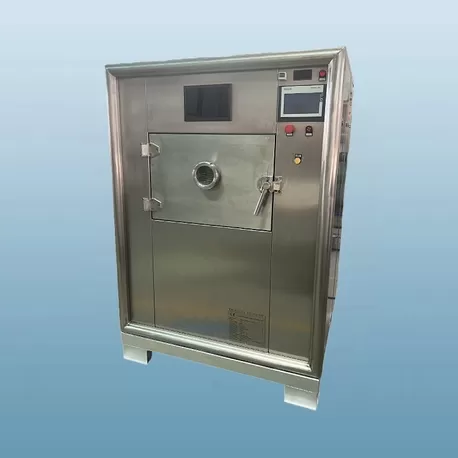
Herbs, both culinary and medicinal, are valued for their delicate flavors, aromas, and bioactive compounds. Preserving these qualities during processing is a significant challenge. An industrial herb dehydrator provides the precise, controlled environment needed to remove moisture while maintaining the integrity of these sensitive botanicals. This specialized equipment is essential for producing high-quality dried herbs, spices, and tea leaves on a commercial scale. Manufacturers like Nasan design systems that meet the exacting standards of the global herb processing industry, ensuring potency and consistency.

How an Industrial Herb Dehydrator Works

The drying of herbs is fundamentally different from drying fruits or vegetables. The goal is to preserve volatile oils, color, and active compounds, which requires gentle, low-temperature drying with precise humidity control. An industrial herb dehydrator is engineered specifically for this delicate process.

Low-Temperature Drying and Volatile Oil Preservation

High temperatures quickly degrade the essential oils that give herbs their characteristic scent and therapeutic value. Industrial herb dehydrators typically operate in a low-temperature range, often between 30°C and 45°C (86°F - 113°F). This gentle heat slowly removes moisture without cooking the plant material or causing the rapid evaporation of volatile compounds. The key is to maintain this temperature consistently throughout the drying chamber.

  • Precise Thermostatic Control: Advanced systems maintain temperature within a ±1°C range to prevent heat spikes.
  • Even Heat Distribution: Engineered airflow ensures every leaf, flower, or stem receives the same gentle warmth.
  • Gradual Moisture Removal: Slow drying prevents the outer cells from sealing shut, allowing internal moisture to escape naturally.

Airflow and Humidity Management for Quality

Uniform, gentle airflow is critical. It must be strong enough to carry away moisture but not so turbulent that it damages delicate leaves or causes the loss of fine particles. Many industrial dehydrators use horizontal airflow (HAF) systems that sweep evenly across trays. Equally important is humidity control. Removing the moist air quickly is necessary to prevent mold, but doing so too rapidly can strip aroma. Modern systems balance this by controlling the rate of air exchange and, in advanced models, using dehumidification cycles.

This level of control is achievable with programmable logic controllers (PLCs). Operators can set specific drying profiles for different herbs—basil requires different conditions than rosemary or chamomile. Equipment from suppliers like Nasan often includes these programmable features, allowing processors to replicate perfect drying conditions batch after batch.

Core Advantages of a Commercial Herb Dehydrator

Investing in a dedicated industrial system offers distinct benefits that directly translate to superior product quality and operational efficiency for herb processors.

Superior Preservation of Active Compounds and Color

The primary advantage is quality retention. A properly controlled dehydrator preserves a higher percentage of essential oils, flavonoids, and other active constituents compared to sun-drying or oven-drying. This results in more potent medicinal herbs and more flavorful culinary spices. The natural green color of herbs is also better retained, which is a key visual indicator of quality for consumers.

Hygienic Processing and Consistent Results

Open-air drying exposes herbs to dust, insects, and other contaminants. An enclosed industrial dehydrator provides a clean, controlled environment. This is crucial for meeting food safety standards and producing pharmaceutical-grade botanicals. Furthermore, the consistency of machine-dried herbs is unparalleled. Every batch has uniform moisture content, which prevents mold growth in storage and ensures consistent weight and potency.

High Efficiency and Scalable Production

While gentle, industrial drying is efficient. These systems can process large volumes of fresh herbs in a single cycle, dramatically increasing throughput over traditional methods. They reduce drying time from days or weeks to a matter of hours. This scalability allows businesses to handle seasonal harvests effectively and meet larger market demands.

  • Large Capacity: Can dry hundreds of kilograms of fresh herbs per day.
  • Reduced Labor: Automated loading and unloading minimize manual handling of delicate materials.
  • Year-Round Operation: Not dependent on weather conditions, enabling consistent production schedules.

By focusing on gentle efficiency, manufacturers like Nasan create dehydrators that protect the product while maximizing output, offering a strong return on investment.

Primary Applications Across Multiple Industries

The use of specialized herb drying technology spans several major sectors where botanical quality is paramount.

In the culinary world, it is used for drying basil, oregano, thyme, parsley, and other kitchen herbs and spices. The tea industry relies on it for processing green tea, black tea, chamomile, peppermint, and hibiscus. The pharmaceutical and nutraceutical sectors use these dehydrators for medicinal herbs like echinacea, ashwagandha, ginseng, and valerian root. The cosmetic and aromatherapy industries also depend on them to dry plant materials for essential oil extraction and direct use in products.

Comparing Different Types of Industrial Herb Dryers

Choosing the right technology depends on the herb type, production volume, and desired final characteristics. Here’s a comparison of common systems.

Tray Dryers vs. Conveyor Dryers for Herbs

Tray dryers are the most common choice for herbs. They allow for careful loading of delicate materials and are ideal for batch processing of multiple different herbs. Conveyor (belt) dryers offer continuous processing but are better suited for sturdier, chopped herbs or tea leaves. They provide higher automation but may require more complex airflow design to handle lightweight leaves without blowing them off the belt.

The Critical Role of Heat Pump Dehydration

For premium quality, heat pump dehydrators are increasingly the standard. They excel at low-temperature drying with precise humidity control. By dehumidifying the air before reheating it, they create an ideal drying environment for herbs, often resulting in better color and oil retention than conventional hot-air dryers. This technology, offered by leading brands including Nasan, is particularly valuable for high-value medicinal and organic herbs.

Vacuum and Freeze Drying for Premium Products

While not strictly "dehydrators" in the conventional sense, vacuum and freeze dryers represent the pinnacle of quality preservation. They operate at very low temperatures and pressures, preserving nearly 100% of volatile compounds and the plant's natural structure. However, their extremely high capital and operational costs limit them to the most premium segments of the pharmaceutical and specialty food industries, where an industrial herb dehydrator provides the best balance of quality and cost-effectiveness.

Key Selection Criteria for a Commercial Herb Dehydrator

Selecting the right system requires careful attention to details that affect both the final product and operational efficiency. Consider these essential factors.

  • Temperature Range and Precision: The system must offer stable, adjustable temperatures in the 30°C - 50°C range with minimal fluctuation.
  • Gentle, Uniform Airflow: Look for designs specifically noted for herb drying, such as horizontal airflow systems, to prevent damage.
  • Material and Hygiene: All surfaces should be food-grade stainless steel. The design should allow for easy, thorough cleaning to prevent cross-contamination between batches.
  • Capacity and Drying Time: Match the dryer's capacity to your harvest volumes. Consider the drying time for your specific herbs to calculate daily throughput.
  • Energy Efficiency: Heat pump technology offers significant energy savings for low-temperature drying, reducing long-term operating costs.
  • Control and Flexibility: Programmable controls for temperature, humidity, and time are essential for processing different herb varieties consistently.

Partnering with a manufacturer experienced in herb processing is invaluable. A company like Nasan can provide critical application insights to ensure the selected dehydrator meets your specific quality and production goals.

Frequently Asked Questions (FAQs)

Q1: What is the best temperature to dehydrate herbs without losing their potency?

A1: The optimal temperature range is between 35°C and 40°C (95°F - 104°F). This range is low enough to preserve most volatile essential oils and heat-sensitive compounds but efficient enough for commercial drying. Delicate flowers like chamomile may require the lower end of this range, while hardier stems can tolerate slightly higher temperatures.

Q2: How long does it take to dry herbs in an industrial dehydrator?

A2: Drying time depends on the herb's moisture content, leaf thickness, and loading density. Generally, most leafy herbs take between 4 to 8 hours in a well-designed industrial dehydrator. This is significantly faster than air-drying, which can take days, and much more consistent.

Q3: Should herbs be washed before dehydrating?

A3: Washing is recommended to remove soil and debris, but it must be done carefully. Herbs should be thoroughly patted dry or spun in a salad spinner to remove excess surface water before loading into the dehydrator. Excessive moisture will prolong drying time and increase the risk of bacterial growth during the initial drying phase.

Q4: Can I dry different types of herbs together in the same batch?

A4: It is not recommended. Different herbs have different drying times and moisture contents. Mixing them can lead to some being over-dried and others under-dried. Furthermore, strong aromas can cross-contaminate more delicate herbs. Always dry separate varieties in individual batches.

Q5: What is the ideal moisture content for commercially dried herbs?

A5: For safe storage and to prevent mold, dried herbs should typically have a final moisture content between 8% and 12%. This leaves them brittle enough to crumble but retains enough residual moisture to prevent them from turning to dust. An industrial herb dehydrator provides the control needed to reliably achieve this target.

An industrial herb dehydrator is an indispensable tool for any business that processes botanical materials. By providing gentle, precise, and hygienic drying conditions, it protects the very qualities that make herbs valuable—their aroma, flavor, color, and medicinal potency. For processors aiming to deliver consistent, high-quality products to the culinary, tea, or nutraceutical markets, investing in the right drying technology is a critical step. Exploring the specialized solutions from established manufacturers like Nasan provides a reliable path to achieving excellence in herb processing.

Related News

More +