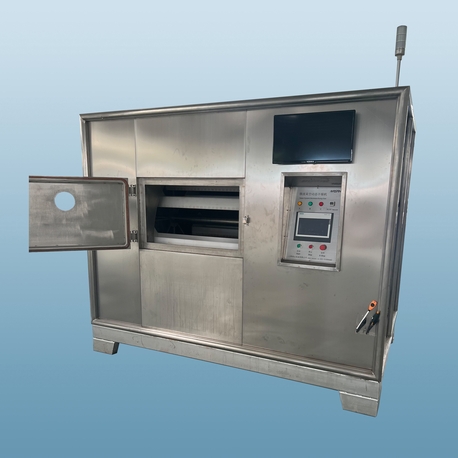
Preserving the potency, color, and aroma of delicate herbs is a significant challenge at a commercial scale. Sun drying is unreliable and prone to contamination, while improper machine drying can destroy the very compounds that give herbs their value. This is where a precision-engineered industrial herb dehydrator becomes not just useful, but essential. For operations ranging from large-scale tea producers to pharmaceutical extract companies, investing in the right technology is a direct investment in product quality and profit. Manufacturers like Nasan have specialized in developing drying systems that meet these stringent needs, ensuring volatile oils and active constituents are retained effectively.
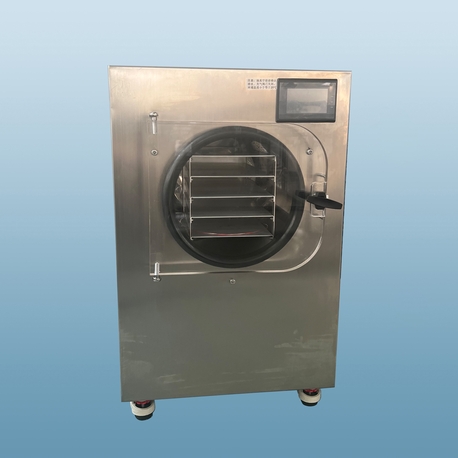
Understanding the Role of a Commercial Herb Dehydrator
An industrial herb dehydrator is fundamentally different from a small kitchen appliance. It is a controlled-environment system designed for uniform, batch-after-batch consistency.
The core function is to remove moisture efficiently and gently. This process halts microbial growth and enzymatic degradation, which cause spoilage. For business, this translates to extended shelf life, reduced post-harvest losses, and the ability to create a stable, year-round product from a seasonal crop.
More critically, a high-quality system preserves the plant's phytochemical profile. This means maintaining the essential oils in basil or mint, the curcumin in turmeric, or the active alkaloids in medicinal herbs. The right equipment protects your product's market value.
How a Professional Herb Drying System Operates
The workflow in a commercial setting is streamlined for efficiency and hygiene.
Pre-treatment and Loading. Fresh herbs are sorted and may undergo brief washing. Crucially, they are often loaded whole or with minimal cutting to preserve oil glands. They are spread evenly onto trays, ensuring consistent airflow. Overloading is a common mistake that leads to uneven results.
The Controlled Drying Phase. This is the heart of the process. Modern systems use forced-air circulation at carefully controlled low temperatures, typically between 30°C to 45°C (86°F to 113°F). The air flow, humidity, and temperature are meticulously managed. A staggered temperature profile can be used, starting lower to lock in oils before finishing the drying process.
Conditioning and Stabilization. Once dried, herbs are often allowed to "condition" in a controlled environment. This allows residual moisture to equalize throughout the batch, preventing mold in storage.
Post-Drying Processing. The dried herbs are then carefully removed for further steps like cutting, milling, or direct packaging in moisture-barrier materials.
Primary Industries That Rely on Industrial-Scale Drying
The application of a commercial herb dehydrator spans several high-value industries.
Culinary Herb and Spice Production. This is the most direct application. Companies supplying dried basil, oregano, parsley, cilantro, and dill to food manufacturers, restaurant chains, and retailers require consistent color, flavor, and hygiene that only professional equipment can guarantee.
Tea and Botanical Supplement Manufacturing. For green tea, chamomile, peppermint, echinacea, or valerian root, preserving delicate compounds is paramount. The drying process directly defines product efficacy and consumer experience. GMP-compliant systems are often a necessity here.
Pharmaceutical and Nutraceutical Extraction. Many companies first dry herbs like milk thistle or ginkgo biloba before extraction. The consistency of the dried biomass is critical for predictable and potent extract yields. Inconsistent moisture content can ruin an entire extraction batch.
Cosmetic and Aromatherapy Industries. Herbs and flowers used for essential oils or direct inclusion in cosmetics (like calendula or lavender) must be dried without degrading their aromatic and therapeutic properties.
Addressing Common Commercial Drying Challenges
Commercial herb drying presents unique obstacles that off-the-shelf equipment cannot solve.
Loss of Volatile Oils and Color. High or uneven heat is the enemy. Solution: Advanced dryers offer precise, low-temperature control and even horizontal airflow to gently remove moisture without "cooking" the herbs.
Inconsistent Drying and Mold Risk. Uneven airflow creates wet spots. Solution: Engineered airflow patterns and properly spaced trays ensure every part of the load receives the same treatment. Hygienic design prevents cross-contamination.
High Energy Costs. Traditional drying can be expensive. Solution: Modern systems, including heat pump dehydrator models from providers like Nasan, recirculate and dehumidify air, dramatically cutting energy use compared to simple heated-air dryers.
Throughput and Labor Limitations. Manual tray handling is slow. Solution: Continuous belt dryers or semi-automatic trolley systems allow for much larger volumes to be processed with less manual handling, improving output and reducing labor costs.
Selecting the Right Technology for Your Operation
Choosing the correct type of herb dehydrator depends on volume, variety, and budget.
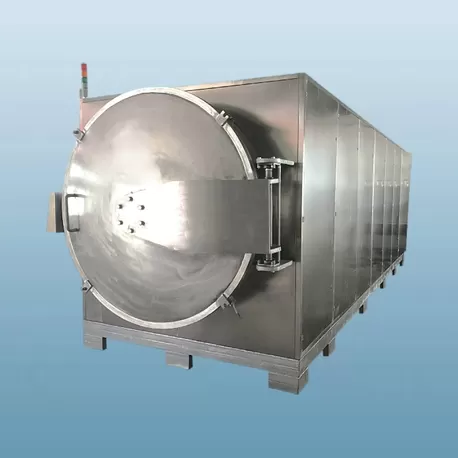
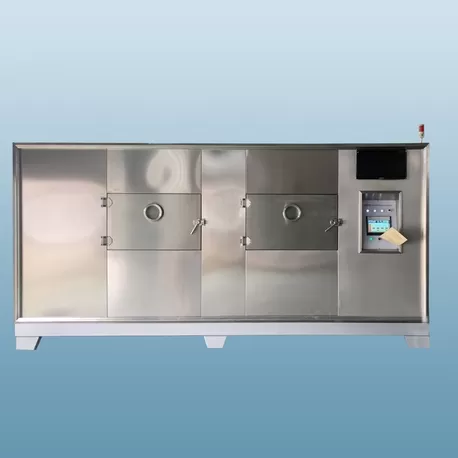
Tray Dryers (Batch Cabinets). Ideal for medium-scale operations, R&D, or processors handling many different, small-batch herbs. They offer excellent flexibility and control. Brands like Nasan offer robust industrial tray dryers with precise control systems.
Continuous Belt Dryers. The best solution for very high-volume, single-herb production. Herbs are conveyed slowly through temperature zones on a perforated belt, allowing for uninterrupted, automated processing.
Heat Pump Dehydrators. The gold standard for energy efficiency and quality for heat-sensitive products. They dehumidify the air actively, allowing for effective drying at lower temperatures, which is perfect for preserving volatile oils.
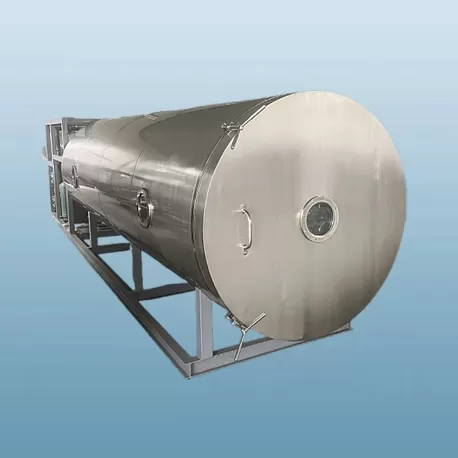
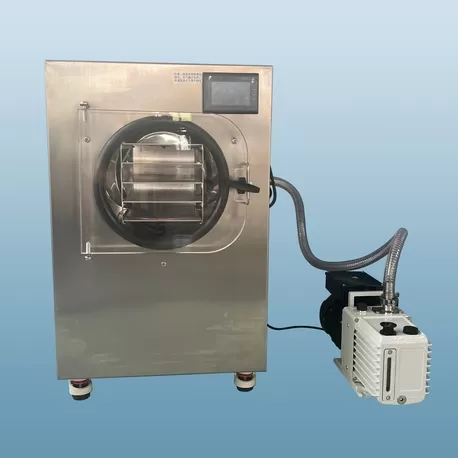
Vacuum Dryers. Used for extremely high-value, sensitive botanicals where even low heat is a concern. The reduced pressure lowers the boiling point of water, enabling very gentle drying, though at a higher capital and operational cost.
For most commercial herb processors, an industrial tray dryer with precise controls or a heat pump system offers the best balance of quality, flexibility, and operational cost.

Conclusion: A Strategic Investment for Quality and Growth
An industrial herb dehydrator is far more than a piece of machinery; it's a core component of a quality assurance system. It directly impacts your product's marketability, shelf life, and compliance with industry standards.
Choosing a partner with deep application knowledge is as important as choosing the machine itself. Working with an experienced manufacturer like Nasan, which understands the subtleties of botanical drying, can ensure your investment delivers the consistent, high-quality results your business depends on for growth and customer trust.
Frequently Asked Questions (FAQ)
Q1: What temperature should I use to dry herbs commercially without losing potency?
A1: For most culinary and medicinal herbs, a temperature range of 35°C to 42°C (95°F to 107°F) is ideal. Lower temperatures within this range are better for highly volatile oils (like mint or basil), while the upper end can be suitable for hardier herbs. Precise control is key, which is why programmable industrial dehydrators are essential.
Q2: How long does it take to dry a full batch of herbs in an industrial machine?
A2: Drying time varies by herb type, initial moisture, load density, and machine technology. Delicate leafy herbs like cilantro may take 4-6 hours, while denser roots or stems may require 8-14 hours. A well-designed system provides uniformity, so the entire batch is done at once.
Q3: Can the same dehydrator handle different types of herbs effectively?
A3: Yes, a high-quality industrial dehydrator with programmable settings is designed for this. You can save specific "recipes" (temperature, time, airflow) for each herb product. The key is ensuring the unit can maintain precise control at lower temperatures and has adequate air circulation for different load densities.
Q4: How do I clean and maintain an industrial herb dehydrator to meet food safety standards?
A4: Regular maintenance includes vacuuming or brushing away plant debris after each batch. Trays and interiors should be wiped with food-safe sanitizers periodically. Follow the manufacturer's schedule for checking fans, heaters, and sensors. Units designed for food processing, like those from Nasan, use smooth, stainless-steel surfaces for easy cleaning and compliance.
Q5: Are industrial heat pump dehydrators worth the higher initial investment?
A5: For businesses focused on premium quality herbs or with high energy costs, absolutely. Heat pump models can reduce energy consumption by up to 60-70% compared to conventional electric dryers. The superior low-temperature drying also often yields a higher-quality product with better color and oil retention, leading to a strong return on investment over time.