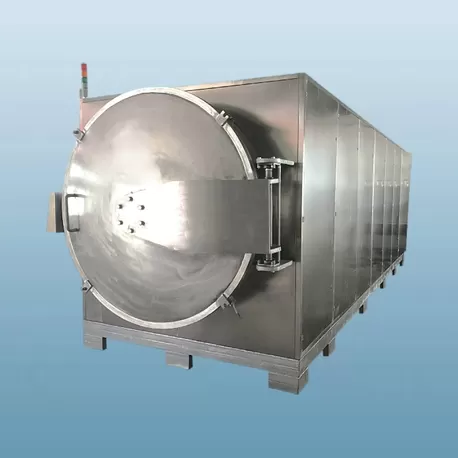
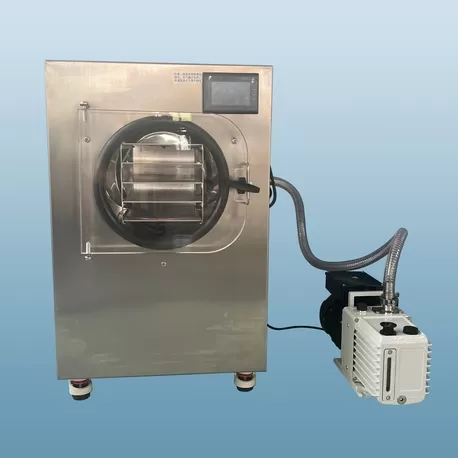
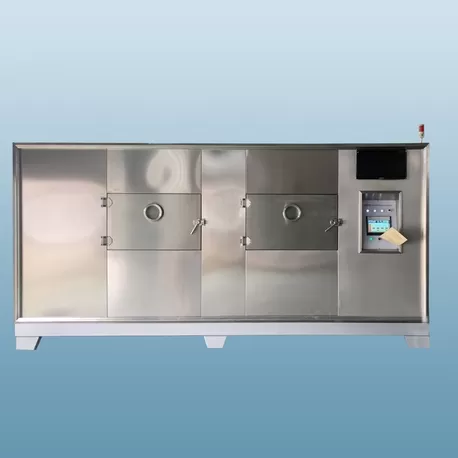
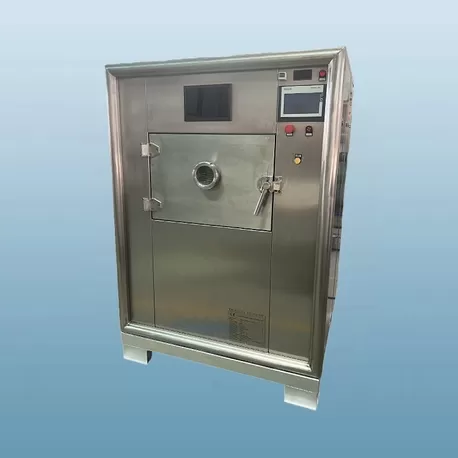
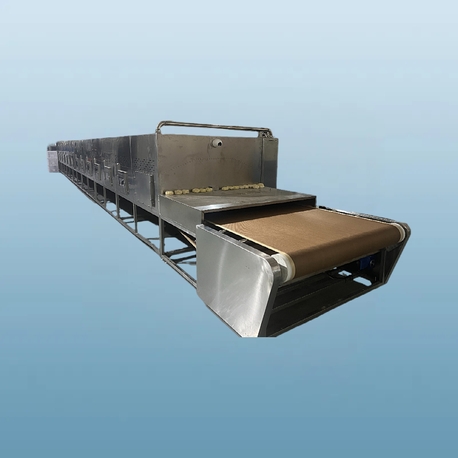
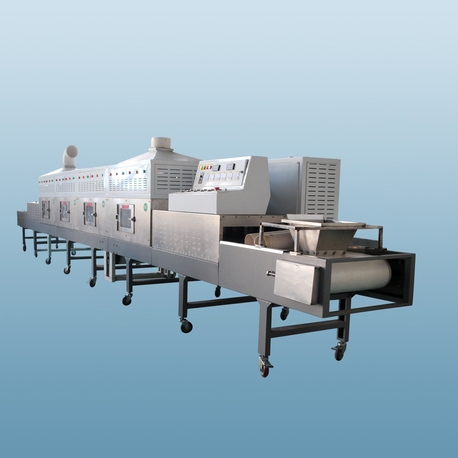
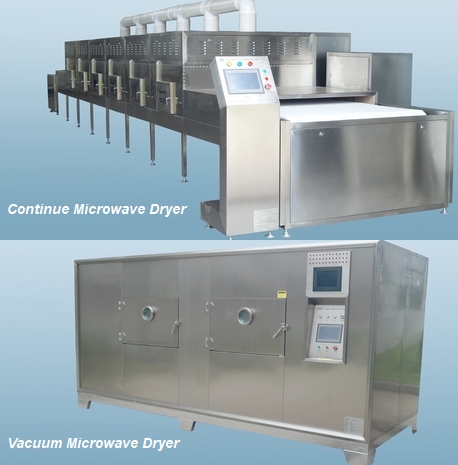
In industrial processing environments, the selection of a commercial dryer represents a foundational decision affecting throughput consistency, energy
expenditure, and final product integrity. Unlike batch-type residential units,
industrial-scale drying equipment must operate under sustained thermal loads,
manage variable feedstock characteristics, and comply with stringent safety and
hygiene regulations. This article provides a technical examination of commercial
drying technology—covering thermodynamic design, material selection, control
architectures, and sector-specific adaptations. With a focus on quantifiable
performance indicators and lifecycle cost analysis, we examine how engineering
leaders such as Nasan deliver solutions that align
with production targets and sustainability mandates.

Core Engineering Architecture of a Commercial Dryer
A commercial dryer integrates multiple subsystems that must function in harmony to achieve uniform
moisture removal. Understanding these components enables operators to diagnose
performance deviations and optimize drying parameters.
1. Airflow Distribution and Plenum Geometry
Uniform air velocity across the product bed is achieved through computational
fluid dynamics (CFD)-optimized plenums. High-performance units maintain velocity
variation below ±3%, preventing edge-case overdrying and center-line
underdrying. Airflow patterns—whether cross-flow, through-flow, or
impingement—are selected based on product density and geometry. For instance,
through-flow designs are preferred for granularmaterials, while impingement
nozzles accelerate drying on flat surfaces such as trays of extruded snacks.
2. Heat Transfer Systems and Energy Recovery
Thermal input methods include direct gas-fired burners, steam coils, electric
resistance, and heat pump circuits. Heat pump commercial dryer configurations have gained significant adoption due to coefficient of
performance (COP) values ranging from 3.5 to 4.8, translating to 45–55% energy
savings compared to conventional electric resistance units. Integrated heat
recovery wheels or run-around loops capture exhaust enthalpy, preheating
incoming supply air and reducing peak thermal demand.
3. Process Control and Data Acquisition
Modern drying equipment utilizes programmable logic controllers (PLC) with
touchscreen HMIs, enabling recipe-based operation with multiple phases. Critical
parameters—dry-bulb temperature, wet-bulb temperature, air velocity, and exhaust
humidity—are monitored in real time. Advanced systems incorporate near-infrared
(NIR) moisture sensors for closed-loop control, automatically adjusting heat
input and airflow to maintain endpoint moisture content within ±0.5% tolerance.
Remote telemetry allows maintenance teams to analyze historical trends and
predict component wear.
Quantitative Performance Metrics for Commercial Dryers
Evaluating a commercial dryer requires moving beyond nameplate capacity to assess operational efficiency and
product quality consistency. The following metrics are standard in engineering
specifications and procurement tenders.
Specific Moisture Extraction Rate (SMER): Measured in
kilograms of water removed per kilowatt-hour (kg/kWh). Premium heat pump systems
achieve SMER values between 3.0 and 4.5 kg/kWh, while gas-fired direct dryers
typically range from 1.8 to 2.8 kg/kWh depending on exhaust heat recovery.
Drying Uniformity Coefficient: Expressed as the standard
deviation of moisture content across multiple sampling points. Pharmaceutical
and premium food applications require deviation below 2.5% to satisfy quality
specifications.
Recovery Time Constant: The time required to return to
setpoint temperature after door opening or product loading. Rapid recovery
(under 3 minutes) minimizes cycle time extension and maintains throughput
schedules.
Thermal Efficiency Ratio: The proportion of input energy
that contributes to latent heat of vaporization. Well-designed units achieve
thermal efficiency above 65% for continuous operation, with heat recovery
systems pushing values beyond 80%.
Engineering teams utilize drying kinetics models—such as the logarithmic or
two-term exponential models—to predict drying curves for novel products,
enabling accurate cycle time estimation before physical trials. Manufacturers
like Nasan provide
custom drying curve mapping as part of their pre-sales engineering services.
Industry-Specific Commercial Dryer Applications
The versatility of a commercial dryer is
demonstrated through its adaptation to diverse industrial sectors, each with
distinct material properties, hygiene requirements, and regulatory
frameworks.
Food Processing and Preservation
Fruits, vegetables, herbs, and meat products require precise control of water
activity (aw) to inhibit microbial growth while preserving color, flavor, and
nutritional content. For high-sugar fruits, staged temperature profiles prevent
case hardening, which traps internal moisture. Meat products demand consistent
airspeed to avoid surface fat oxidation. Construction materials must meet FDA
and USDA guidelines, with full-welded stainless steel 304 interiors, sanitary
welds, and crevice-free designs. Batch capacities range from 200 kg to 15,000 kg
per cycle, with modular tray systems enabling rapid changeovers between product
families.
Pharmaceutical and Nutraceutical Drying
Active pharmaceutical ingredients (APIs), herbal extracts, and probiotics
demand validated drying processes that comply with current Good Manufacturing
Practices (cGMP). Here, a commercial dryer must incorporate
HEPA H14 filtration for incoming air, positive pressure differentials to prevent
cross-contamination, and 21 CFR Part 11 compliant data logging. Low-temperature
drying (30–45°C) preserves thermolabile compounds, while inert gas purging
(nitrogen or argon) prevents oxidation of sensitive APIs. Sampling ports and
glove ports allow in-process moisture testing without breaching containment.
Industrial Materials and Specialty Chemicals
Ceramics, catalysts, pigments, and polymer pellets require controlled
moisture removal to preserve structural integrity and avoid agglomeration.
Solvent-wetted materials necessitate explosion-proof electrical components,
spark-resistant fan blades, and ATEX or NEC Class I/II Division 1
certifications. Continuous belt dryers with zoned temperature control are
frequently specified for high-volume mineral and chemical drying
applications.
Selection Framework for Commercial Dryer Investments
Procurement decisions should integrate technical specifications, lifecycle
cost projections, and operational safety considerations. The following framework
is employed by industrial engineers and plant managers during equipment
evaluation.
Throughput and Scalability: Define required output in
kilograms per hour (kg/h) on a wet-input or dry-output basis. Modular systems
allow additional drying chambers to be added as production scales, avoiding
premature replacement.
Material Compatibility and Surface Finish: For food and
pharmaceutical applications, specify 304 or 316L stainless steel with
electropolished interior surfaces to facilitate sanitation and resist corrosion
from acidic products.
Automation and Data Integration: Determine whether the
control system supports recipe management, alarm escalation, and connectivity to
plant-wide SCADA or MES platforms. Remote diagnostics reduce mean time to repair
(MTTR).
Utility Infrastructure: Assess availability of natural gas,
steam, or three-phase electrical supply. Hybrid systems that can switch between
energy sources offer operational flexibility and hedge against utility price
volatility.
Regulatory Certifications: NSF/ANSI 4, 3-A Sanitary
Standards, CE, and UL 60335-2-49 certifications are non-negotiable for
export-oriented food and pharmaceutical installations.
Nasan exemplifies
these selection criteria, offering modular commercial dryer systems with clean-in-place (CIP) capabilities, integrated weighing systems for
batch consistency, and energy monitoring dashboards that quantify cost per
kilogram of water removed.
Emerging Technologies in Commercial Drying
As Industry 4.0 principles mature, next-generation commercial
dryer systems incorporate artificial intelligence, advanced sensors,
and low-carbon energy sources. These innovations directly impact operational
expenditure and product quality.
Machine Learning for Process Optimization: Algorithms
trained on historical drying data can predict optimal setpoints for new product
batches, reducing trial runs by 30–50%. Adaptive control systems adjust
parameters in real time based on moisture sensor feedback.
Electrohydrodynamic (EHD) Enhanced Drying: Corona discharge
fields accelerate moisture migration without elevating bulk temperature,
preserving heat-sensitive compounds. Commercial adoption is increasing for
nutraceutical and botanical drying.
Hydrogen Combustion Systems: For facilities with access to
green hydrogen, hydrogen-fueled burners provide high-temperature drying with
zero direct CO₂ emissions, supporting corporate decarbonization targets.
Digital Twin Simulation: Full virtual replicas of drying
chambers allow engineers to test new recipes, predict wear patterns, and train
operators without interrupting production or risking product loss.
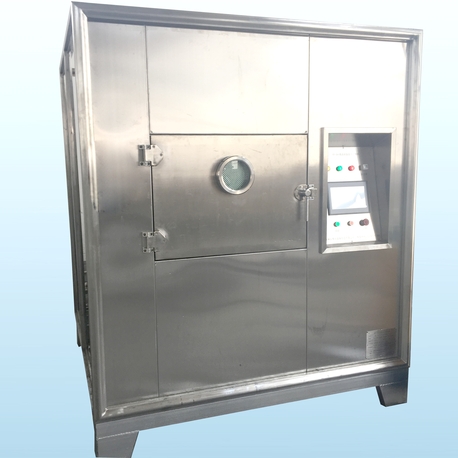
Operational Challenges and Engineering Countermeasures
Even well-designed commercial dryer installations encounter
performance limitations. Addressing these requires systematic diagnostics and
targeted upgrades.
Challenge: Non-uniform drying leading to
out-of-specification batches.
Solution: Conduct quarterly
airflow mapping using thermal anemometers; install adjustable baffles to correct
velocity gradients.
Challenge: Rising energy costs eroding profit
margins.
Solution: Retrofit with heat recovery wheels or
upgrade to a heat pump–based system. Energy audits typically identify 15–25%
savings potential.
Challenge: Microbial contamination in low-temperature
drying operations.
Solution: Integrate ultraviolet-C (UV-C)
lamps in the air handling unit and maintain positive pressure relative to
surrounding areas.
Challenge: Labor-intensive loading and unloading
procedures.
Solution: Implement automated rack transfer
systems or continuous conveyorized dryers to reduce manual handling time and
ergonomic risks.
Frequently Asked Questions (FAQ)
Below are responses to common inquiries from production managers, quality
assurance personnel, and facility engineers regarding commercial drying
equipment.
Q1: How do I calculate the required capacity for a commercial dryer based on
my production targets?
A1: Capacity is determined by wet product input per hour,
initial moisture content, target final moisture, and desired cycle time. For
example, processing 1,500 kg of wet vegetables (85% moisture) to 10% moisture
requires removing approximately 1,250 kg of water. A commercial dryer with
a moisture extraction rate of 35 kg/h would require about 36 hours per batch.
For continuous operations, calculate the required evaporation rate (kg/h) and
select equipment that meets or exceeds that rate with a 15% safety margin.
Manufacturers like Nasan provide engineering support
for mass-balance calculations tailored to specific products.
Q2: What maintenance procedures are essential for prolonging the service
life of industrial drying equipment?
A2: Daily maintenance includes inspecting door gaskets for
leakage, cleaning intake filters, and checking condensate drains. Monthly tasks
involve verifying sensor calibration, lubricating bearings, and cleaning heat
exchanger surfaces. Annually, conduct refrigerant charge verification (for heat
pump units), PLC software updates, and structural integrity inspections.
Following a documented preventive maintenance schedule extends equipment life
beyond 20 years and reduces unplanned downtime by up to 40%.
Q3: Can a single commercial dryer be used for drying different product
categories, such as herbs, meat, and chemical powders?
A3: Yes, provided the unit supports programmable drying
profiles with adjustable temperature ranges and airflow patterns. However,
cross-contamination risks necessitate thorough cleaning between batches,
especially when switching between allergen-containing foods and non-allergen
products or between food-grade and industrial materials. Some manufacturers
offer dedicated tray systems and removable plenum inserts to streamline
changeovers. Ensure the commercial dryer can
achieve the required temperature range—herbs typically require 35–50°C, while
jerky demands 60–75°C for pathogen reduction.
Q4: How do heat pump commercial dryers compare to gas-fired models in terms
of operating cost and environmental impact?
A4: Heat pump dryers typically reduce energy consumption by
45–60% compared to electric resistance units and by 25–40% versus gas-fired
systems operating in similar temperature ranges. They also eliminate combustion
emissions at the point of use and provide integrated dehumidification without
venting conditioned air. While initial capital expenditure is higher, payback
periods range from 1.5 to 3.5 years for operations running two or more shifts.
Lifecycle cost analyses should factor in potential carbon credits and utility
rebates for energy-efficient equipment.
Q5: What certifications are required for a commercial dryer used in food and
pharmaceutical applications?
A5: For food applications, NSF/ANSI Standard 4 (commercial
cooking and food warming equipment) or NSF/ANSI 3-A for dairy processing is
essential. Electrical safety requires UL 60335-2-49 or CSA certification for
North American installations, and CE marking for European markets.
Pharmaceutical applications demand cGMP compliance, ISO 14644 cleanroom
compatibility if installed in controlled environments, and 21 CFR Part 11
compliance for data integrity. Nasan provides documentation
packages tailored to meet these regulatory requirements for each
jurisdiction.
Q6: Can existing drying systems be upgraded with advanced controls and heat
recovery to improve efficiency?
A6: Retrofitting is feasible in many cases. Upgrading a
legacy commercial dryer with modern PLC controls, variable
frequency drives (VFDs) for fans, and heat recovery wheels can improve energy
efficiency by 20–35%. However, structural constraints—such as insufficient duct
sizing or inadequate chamber insulation—may limit potential gains. A site audit
by engineering specialists is recommended to evaluate ROI. Manufacturers like
Nasan offer retrofit
packages designed to integrate with existing enclosures while minimizing
production disruption.
Selecting and operating a commercial dryer involves balancing engineering precision, operational discipline, and strategic
investment. By focusing on validated performance metrics, industry-specific
configurations, and future-proof automation capabilities, processing facilities
can achieve consistent product quality while controlling energy and maintenance
costs. Engaging with manufacturers that combine deep technical expertise with
responsive support—such as Nasan—ensures that drying
infrastructure remains a competitive advantage in evolving markets.
For detailed specifications and consultation on tailored drying systems,
explore the full range of commercial dryer
solutions engineered for demanding industrial
environments.