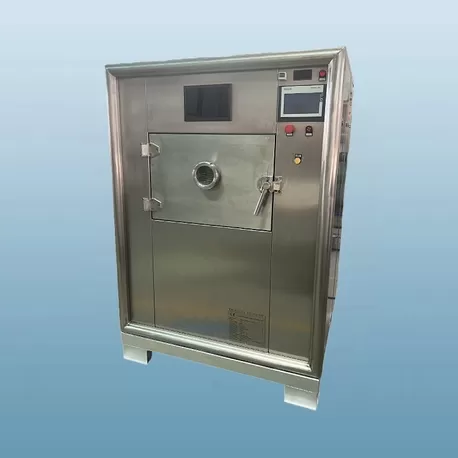
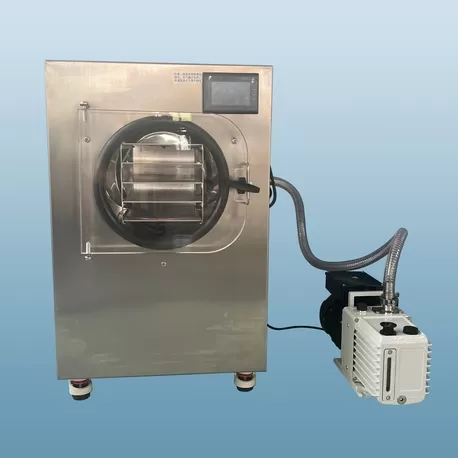
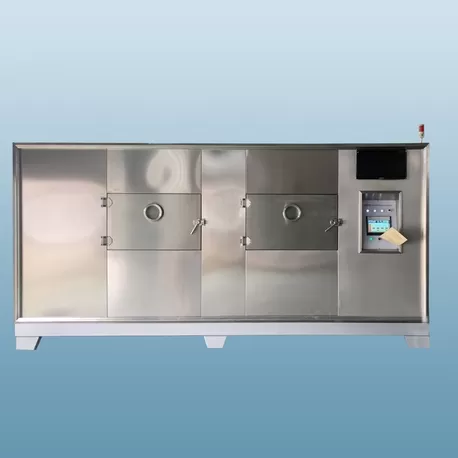
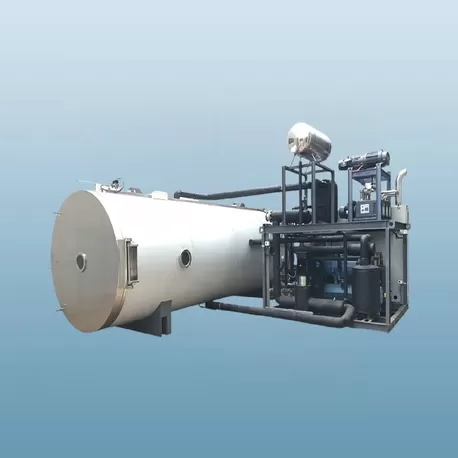
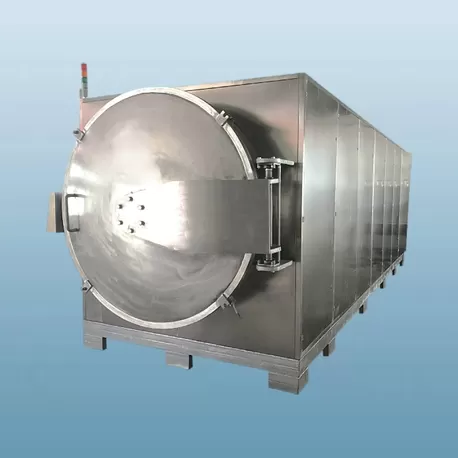
The global demand for dried snacks has shifted from a niche health trend to a massive industrial market. For food manufacturers looking to scale their operations, selecting the right equipment is the most critical decision in the production chain. A high-performance fruit dehydrator is no longer just a heating cabinet; it is a precision-engineered system designed to preserve nutrients while maximizing output.
As global export standards become stricter, companies like Nasan have focused on developing drying solutions that meet international hygiene and efficiency requirements. Whether you are processing tropical mangoes or temperate berries, understanding the mechanics of moisture removal is essential for maintaining a competitive edge in the food industry.

The Evolution of Industrial Drying Technology
In the past, many food processors relied on basic sun drying or primitive kilns. However, these methods offered no control over humidity or hygiene. The modern industrial fruit dehydrator has revolutionized this by using forced-air convection and heat pump technology.
These systems allow for consistent results regardless of external weather conditions. By controlling the internal micro-climate, manufacturers can ensure that every batch meets the exact same quality specifications. This consistency is what allows brands to secure long-term contracts with international retailers.
Why Airflow Dynamics Matter in Commercial Systems
In a commercial setting, "hot air" isn't enough. The way that air moves across the product determines the texture and shelf life of the fruit. Most high-end fruit dehydrator models use a horizontal airflow design. This ensures that air moves evenly across every tray rather than rising from the bottom to the top.
Uniform airflow prevents "case hardening," a common issue where the outside of the fruit dries too quickly, trapping moisture inside. If moisture remains in the center, the product will eventually mold, leading to massive financial losses. Industrial-grade fans and adjustable vents are the hallmarks of a professional system.
Energy Efficiency and Operational Costs
For large-scale facilities, energy is often the highest overhead cost. Traditional electric heating elements can be expensive to run 24/7. This is where modern innovations from brands like Nasan come into play. By integrating heat pump technology, a modern fruit dehydrator can recycle the latent heat generated during the evaporation process.
By capturing exhaust heat and feeding it back into the system, energy consumption can be reduced by up to 60% compared to older models. For a factory running dozens of units, these savings directly impact the bottom line and allow for a more sustainable production model.
Material Selection and Food Safety Standards
In the international market, food safety is non-negotiable. A commercial fruit dehydrator must be constructed from food-grade materials, typically 304 or 316 stainless steel. These materials resist corrosion from fruit acids and can withstand high-pressure cleaning.
The interior design should be seamless, with minimal crevices where bacteria could grow. Trays should also be made of polished stainless steel or BPA-free food-grade mesh. Meeting these standards ensures that the facility can pass audits for ISO, HACCP, or FDA certifications, which are required for global trade.
Precision Control with PLC Systems
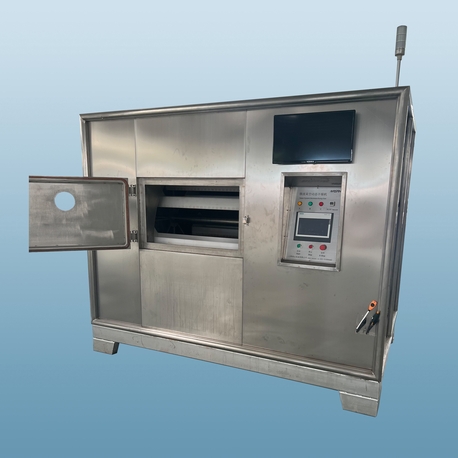
Manual monitoring of temperature is a thing of the past. Today’s industrial fruit dehydrator units are equipped with Programmable Logic Controllers (PLC). These touch-screen interfaces allow operators to set multi-stage drying cycles.
For example, a technician can program the machine to start at a high temperature to kill surface bacteria, then lower the temperature for the remainder of the cycle to preserve delicate vitamins. Sensoring technology monitors the relative humidity in real-time, automatically shutting the machine off when the target moisture content is reached.
Scaling Production: Batch vs. Continuous Drying
When choosing a fruit dehydrator, business owners must decide between batch ovens and continuous belt dryers. Batch dryers are excellent for processing different types of fruit simultaneously or for smaller, high-quality artisanal runs. They offer incredible flexibility.
Continuous dryers, on the other hand, are designed for massive volumes of a single product. The fruit moves on a conveyor belt through different heat zones. While the initial investment is higher, the labor costs are significantly lower. Many growing enterprises start with batch systems and gradually transition to automated lines as their market share increases.
Preserving Nutritional Value and Color
One of the biggest challenges in fruit dehydration is preventing oxidation. Brown, shriveled fruit is difficult to sell at a premium price. A sophisticated fruit dehydrator manages the balance between heat and airspeed to prevent browning.
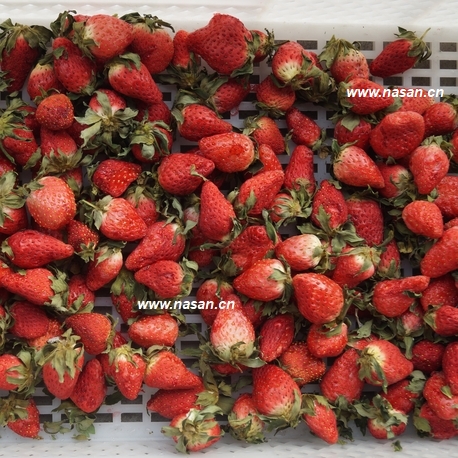
Low-temperature dehydration is often the preferred method for high-value products like dragon fruit or strawberries. By keeping temperatures below 60°C (140°F), the natural enzymes and pigments of the fruit remain intact. This results in a vibrant, "fresh-looking" dried product that commands a higher price on supermarket shelves.
The Importance of Pre-Treatment Equipment
While the fruit dehydrator is the heart of the operation, the peripherals are just as important. To get the most out of a drying system, the fruit must be sliced uniformly. Variable thickness leads to uneven drying times, where some pieces are burnt while others are still damp.
Investing in industrial slicers, washers, and blanching machines creates a streamlined workflow. Nasan emphasizes that the synergy between pre-treatment and the final drying stage is what defines a successful production facility. Proper blanching, for instance, can deactivate enzymes that cause spoilage, making the drying process more efficient.
Maintenance and Long-Term Reliability
An industrial machine is an investment that should last a decade or more. Routine maintenance of a fruit dehydrator involves checking fan belts, cleaning sensors, and ensuring the seals on the doors remain airtight. Leaky seals are a primary cause of heat loss and inconsistent drying.
Choosing a manufacturer that provides accessible spare parts and technical support is vital. Downtime in a food processing plant can result in tons of wasted raw material. Robust construction and simplified mechanical designs are often better than overly complex systems that are difficult to repair on-site.
Environmental Impact of Modern Drying
As the world moves toward "green" manufacturing, the environmental footprint of food processing is under scrutiny. Modern fruit dehydrator systems are being designed to use eco-friendly refrigerants and solar-assisted heating.
Reducing the carbon footprint of dried fruit products can be a powerful marketing tool. Consumers are increasingly willing to pay a premium for "carbon-neutral" or "sustainably processed" snacks. Efficient machinery not only saves money but also aligns a brand with global environmental goals.
Global Market Trends for Dried Fruit
The export market for dried mango, pineapple, and citrus is expanding rapidly in Europe and North America. These regions have high quality-control barriers. Utilizing a professional fruit dehydrator ensures that the product meets the strict moisture percentage requirements (usually below 15%) needed for long-distance shipping.
Furthermore, the rise of "fruit powders" used in the supplement and baking industries has created a new demand for ultra-dry fruit. This requires equipment capable of reaching very low humidity levels without scorching the product, a task that only industrial-grade machinery can handle.
Selecting a fruit dehydrator is a strategic decision that affects every aspect of a food business, from product quality to operational overhead. By focusing on airflow precision, energy efficiency, and food-grade construction, manufacturers can ensure a high return on investment.
Brands like Nasan continue to push the boundaries of what is possible in thermal processing, offering tools that help businesses transition from small-scale setups to international powerhouses. As the global appetite for healthy, shelf-stable food grows, having the right technology in place will be the deciding factor in who leads the market.
Frequently Asked Questions (FAQ)
Q1: What is the ideal temperature for drying most fruits in a commercial fruit dehydrator?
A1: For most fruits, the ideal temperature range is between 50°C and 60°C (122°F to 140°F). Drying at lower temperatures helps preserve the fruit's color, flavor, and nutritional content, although it may take longer than high-heat methods.
Q2: How long does it typically take to dry a full batch of fruit in an industrial machine?
A2: The duration depends on the sugar content and thickness of the fruit. Generally, a commercial fruit dehydrator will take anywhere from 8 to 22 hours. For instance, thin apple slices dry quickly, while thick mango chunks or whole grapes (raisins) require much more time.
Q3: Can a fruit dehydrator be used for other products like jerky or herbs?
A3: Yes, most industrial dehydrators are multi-functional. However, you must adjust the temperature and airflow settings. Herbs require very low heat (around 35-40°C) to prevent the loss of essential oils, while meat jerky requires higher initial heat to ensure safety.
Q4: How do I calculate the capacity I need for my processing facility?
A4: Capacity is usually measured by tray area or total wet weight. You should calculate your daily raw material intake and match it to the machine’s capacity. It is often better to have two medium-sized fruit dehydrator units rather than one massive one to allow for maintenance and different product runs.
Q5: Why is my fruit still sticky after the drying cycle is complete?
A5: Stickiness is common in high-sugar fruits like pineapple or figs. However, if the fruit feels soft or "squishy," it likely still has too much internal moisture. You should check the humidity sensors in your fruit dehydrator to ensure the air is being properly exhausted from the chamber.
Q6: Is it necessary to use stainless steel trays?
A6: In a commercial and industrial context, yes. Stainless steel is durable, non-reactive with acidic fruits, and can be sanitized at high temperatures. Plastic trays can warp over time and may retain odors from previous batches.