


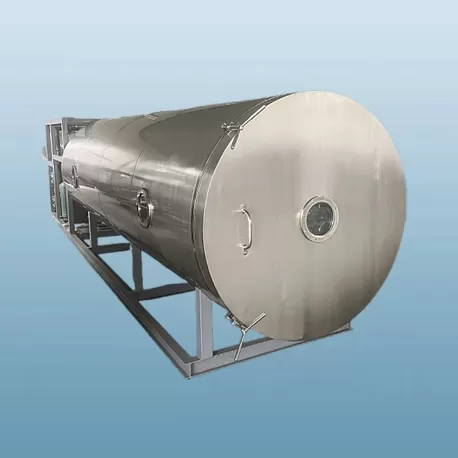
In the competitive landscape of industrial food processing, efficiency and preservation are paramount. One tool that has revolutionized how businesses handle perishable goods is the fruit dehydrator. These machines are not just for home enthusiasts; they play a critical role in reducing waste, extending shelf life, and creating value-added products like dried fruits for snacks, ingredients, and exports. As companies seek reliable solutions, brands like Nasan have emerged as key players, offering robust fruit dehydrator models tailored for commercial use. In this article, we’ll delve into the essentials of choosing and utilizing these dehydrators, covering technology, costs, and real-world applications to help you make an informed decision. Whether you're a small-scale processor or a large industrial facility, understanding the nuances of a fruit dehydrator can transform your operations.
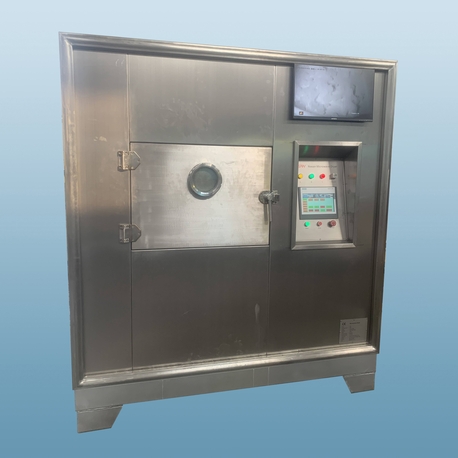
Understanding the Basics of a Fruit Dehydrator
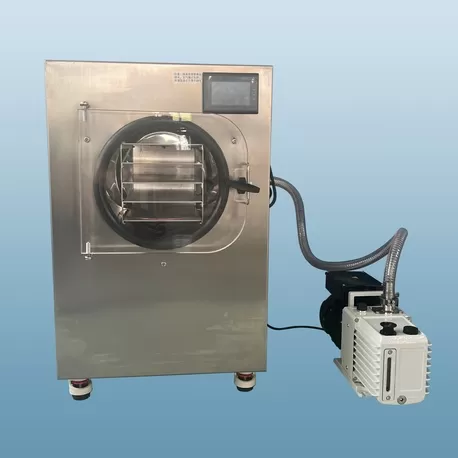
A fruit dehydrator is a device designed to remove moisture from fruits through controlled heat and airflow, thereby inhibiting microbial growth and preserving nutritional content. In industrial settings, these machines are far more advanced than their domestic counterparts, often featuring large capacities, precision temperature controls, and energy-efficient systems. The core principle involves circulating warm air evenly across trays of fruit, which slowly dries them without cooking. This process retains vitamins and minerals while concentrating flavors, making it ideal for producing snacks, ingredients for cereals, or even bases for powdered foods. For businesses, investing in a high-quality fruit dehydrator means achieving consistent results batch after batch, which is essential for meeting industry standards and customer expectations. Brands like Nasan incorporate user-friendly interfaces and durable materials in their fruit dehydrator designs, ensuring they withstand the rigors of daily use in environments like food manufacturing plants.
Key Benefits of Using Commercial Fruit Dehydrators
The adoption of a commercial fruit dehydrator brings numerous advantages to food processors. First and foremost, it significantly reduces food waste by preserving surplus produce that might otherwise spoil. This aligns with sustainability goals and can lower disposal costs. Additionally, dehydrated fruits have a longer shelf life, enabling businesses to expand their market reach to regions with limited cold chain infrastructure. From a nutritional standpoint, a well-designed fruit dehydrator maintains high levels of vitamins and antioxidants, appealing to health-conscious consumers. Economically, it allows for the creation of premium products, such as organic dried fruits, which can command higher prices. In terms of operational efficiency, modern fruit dehydrator units from suppliers like Nasan often include features like programmable settings and automated trays, reducing labor costs and minimizing human error. Overall, integrating a fruit dehydrator into your workflow can boost profitability while supporting eco-friendly practices.
Advanced Technologies in Fruit Dehydration
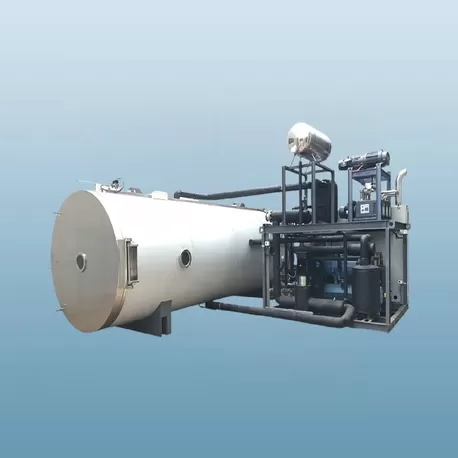
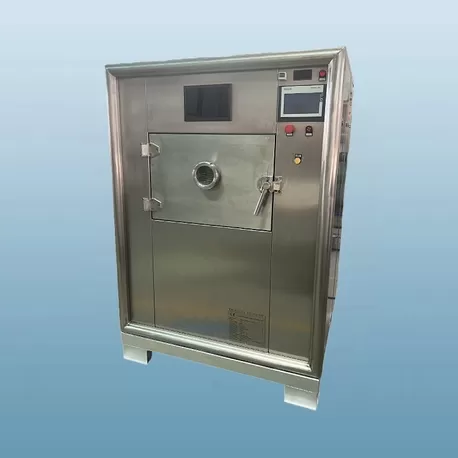
When it comes to technology, the fruit dehydrator industry has seen remarkable innovations aimed at enhancing performance and reducing energy consumption. Key advancements include heat pump systems, which recycle thermal energy to cut electricity usage by up to 50%, and IoT-enabled monitors that provide real-time data on moisture levels and temperature. These features are crucial for industrial applications where precision is vital—for instance, in producing uniformly dried fruits for baby food or dietary supplements. Another trend is the use of stainless steel construction in fruit dehydrator models, which ensures hygiene and corrosion resistance in harsh environments. Brands such as Nasan have integrated these technologies into their fruit dehydrator offerings, often including customizable airflow patterns to handle different fruit types, from delicate berries to sturdy apples. By leveraging these innovations, businesses can achieve faster drying times and better product quality, making the fruit dehydrator a smart investment in today’s tech-driven market.
How to Choose the Right Fruit Dehydrator for Your Business
Selecting the appropriate fruit dehydrator requires careful consideration of several factors to match your specific needs. Start by assessing capacity: industrial fruit dehydrator units range from small batch processors to large-scale systems handling tons of produce daily. Next, evaluate the heating mechanism—options include electric, gas, or solar-powered models, each with distinct cost and efficiency profiles. For example, electric fruit dehydrator systems are common for their controllability, while gas-powered ones might suit facilities with existing infrastructure. Also, look at features like digital controls, which allow for precise temperature settings crucial for sensitive fruits. Don’t overlook maintenance requirements; a fruit dehydrator with easy-to-clean components can save time and reduce downtime. Brands like Nasan offer consultation services to help match their fruit dehydrator products to your operational scale, ensuring you get a machine that balances performance with affordability. Ultimately, a thorough needs analysis will guide you to a fruit dehydrator that enhances productivity without overspending.
Cost Considerations and ROI of Industrial Fruit Dehydrators
The cost of a commercial fruit dehydrator can vary widely, from a few thousand dollars for basic models to over $50,000 for high-end systems with advanced features. Factors influencing price include capacity, technology level, and additional accessories like trays or software integrations. While the initial investment might seem steep, it’s essential to calculate the return on investment (ROI). A well-chosen fruit dehydrator can lead to savings through reduced waste, lower energy bills (thanks to efficient designs), and increased revenue from new product lines. For instance, by dehydrating seasonal fruit surpluses, businesses can sell value-added goods year-round. Maintenance costs should also be factored in—opting for a reliable brand like Nasan can mean fewer repairs and longer machine life. In many cases, a fruit dehydrator pays for itself within 1-2 years, especially in industries like agriculture or snack manufacturing where preservation is key. By comparing total cost of ownership versus benefits, you can justify the expense and select a fruit dehydrator that aligns with your budget.
Applications of Fruit Dehydrators in Various Industries
The versatility of a fruit dehydrator extends across multiple sectors, making it a valuable asset beyond traditional food processing. In the agricultural industry, farmers use fruit dehydrator units to preserve harvests, reducing post-harvest losses and creating additional income streams. For pharmaceutical and nutraceutical companies, these machines dry fruits for use in supplements and health products, where nutrient retention is critical. The hospitality sector benefits from a fruit dehydrator for preparing ingredients for menus, such as dried garnishes or backpacking meals. Even in the cosmetic industry, dehydrated fruits are used in natural skincare products. Brands like Nasan have developed fruit dehydrator models adaptable to these diverse needs, often with modular designs that allow for customization. By exploring these applications, businesses can uncover new opportunities and maximize the utility of their fruit dehydrator, driving innovation and growth.

Maintenance and Safety Tips for Long-Term Use
To ensure your fruit dehydrator operates efficiently and safely, regular maintenance is crucial. Start by cleaning trays and interior surfaces after each use to prevent bacterial buildup and cross-contamination. Inspect heating elements and fans periodically for wear, and replace parts as needed to avoid breakdowns. Safety-wise, always follow manufacturer guidelines—for example, place the fruit dehydrator in a well-ventilated area to prevent overheating and ensure proper electrical grounding. Training staff on operational procedures can minimize accidents and extend the machine’s lifespan. Brands such as Nasan often provide detailed manuals and support for their fruit dehydrator products, emphasizing user safety. By adhering to these practices, you’ll not only protect your investment but also maintain consistent output quality, making your fruit dehydrator a dependable part of your operations for years to come.
In conclusion, a commercial fruit dehydrator is more than just a drying machine—it’s a strategic tool that can elevate your business by improving efficiency, sustainability, and profitability. From understanding core technologies to evaluating costs and applications, taking a methodical approach to selection will yield long-term benefits. As you explore options, consider reputable brands like Nasan, which combine innovation with reliability in their fruit dehydrator solutions. By investing in the right equipment, you can tap into the growing demand for dried fruit products and stay ahead in a competitive market.
Frequently Asked Questions (FAQ)
Q1: What is the average lifespan of a commercial fruit dehydrator?
A1: The lifespan of a commercial fruit dehydrator typically ranges from 5 to 15 years, depending on usage, maintenance, and build quality. Regular cleaning and part replacements can extend this, and brands like Nasan often design their fruit dehydrator models with durable materials to withstand heavy industrial use.
Q2: How energy-efficient are modern fruit dehydrators?
A2: Modern fruit dehydrator units are highly energy-efficient, with many incorporating heat pump technology or insulated chambers to reduce electricity consumption. On average, an industrial fruit dehydrator can cut energy costs by 30-50% compared to older models, making them a cost-effective choice for businesses focused on sustainability.
Q3: Can a fruit dehydrator handle other types of food besides fruits?
A3: Yes, a fruit dehydrator is versatile and can dehydrate vegetables, herbs, meats, and even dairy products like yogurt. However, it’s important to adjust temperature and time settings based on the food type to ensure safety and quality, and some industrial fruit dehydrator models come with presets for different products.
Q4: What safety features should I look for in a commercial fruit dehydrator?
A4: Key safety features in a commercial fruit dehydrator include automatic shut-off mechanisms, overheating protection, and secure door locks. Additionally, models with stainless steel construction, like those from Nasan, offer better hygiene and fire resistance, reducing risks in busy processing environments.
Q5: How do I calculate the right capacity for my business's fruit dehydrator needs?
A5: To calculate capacity, estimate your daily production volume in kilograms or pounds of fruit to be dehydrated. A general rule is to choose a fruit dehydrator that can handle 10-20% more than your peak load to allow for growth. Consulting with suppliers such as Nasan can help tailor a fruit dehydrator to your specific throughput requirements.