
News Categories

Hot Articles

10 Essential Insights into Fruit Dehydrators: Optimizing Drying for Home and Industry

Source:NASAN
Published on:2026-02-04 10:01:40
10 Essential Insights into Fruit Dehydrators: Optimizing Drying for Home and Industry

Preserving fruits effectively requires reliable technology, and a fruit dehydrator has become a key solution in both kitchens and factories. Companies like Nasan lead the way with innovative designs that balance efficiency and quality. This article dives into how these devices work, their advantages, and where they excel across different sectors.

How Fruit Dehydrators Work: The Technical Principles

A fruit dehydrator removes moisture from fruits through controlled heat and airflow. This process extends shelf life while retaining nutrients. The mechanism is simple but precise, making it a staple in modern food processing.

Heat Application and Temperature Control

Dehydrators use low heat, typically between 95°F and 165°F. This range prevents cooking the fruit. Instead, it gently evaporates water. Consistent temperature is crucial for even drying. Many models, including those from Nasan, feature digital thermostats for accuracy.

  • Low heat preserves enzymes and vitamins.

  • Adjustable settings cater to different fruit types.

  • Uniform heating avoids hot spots and spoilage.

Air Circulation and Ventilation Systems

Airflow is as important as heat. Fans distribute air across trays. This removes moist air and brings in dry air. Proper ventilation speeds up drying and ensures consistency. Industrial units often have enhanced systems for large batches.

For example, Nasan's commercial models use horizontal airflow. This design reduces drying time by up to 30%. It also improves energy efficiency in busy settings.

Core Advantages of Using a Fruit Dehydrator

Choosing a fruit dehydrator offers multiple benefits over traditional methods. These advantages make it popular from homes to factories. Let's explore the key perks.

Preservation of Nutritional Value

Dehydrating fruits at low temperatures locks in nutrients. Vitamins like C and A remain intact. Minerals such as potassium are also preserved. This results in healthy snacks with long shelf lives.

  • Retains antioxidants and fiber.

  • No added sugars or preservatives needed.

  • Supports dietary goals and wellness trends.

Energy Efficiency and Cost Savings

Modern dehydrators use less power than ovens or freezers. They run for hours without spiking electricity bills. This efficiency is vital for commercial operations. Over time, businesses save on operational costs.

Nasan devices incorporate energy-saving modes. They optimize airflow and heat based on load size. Users report lower energy use compared to competitors.

Applications of Fruit Dehydrators in Various Fields

The versatility of a fruit dehydrator spans many areas. From small kitchens to large industries, these machines adapt to different needs. Here’s where they shine.

Home and Residential Use

Homeowners use dehydrators to make snacks like dried apples or banana chips. It’s a fun way to reduce food waste. Compact models fit on countertops. They are user-friendly and safe for families.

  • Create healthy treats for kids and adults.

  • Preserve garden harvests without canning.

  • Experiment with recipes like fruit leathers.

Commercial Food Production

Restaurants and bakeries rely on dehydrators for ingredients. Dried fruits add flavor to dishes. They also reduce storage space needs. Commercial-grade units handle higher volumes with precision.

Brands like Nasan supply robust models for cafes. These machines maintain consistency in texture and taste. They help businesses meet quality standards efficiently.

Industrial Agricultural Processing

Large farms use industrial dehydrators to process surplus fruit. This minimizes post-harvest losses. The dried products are sold to manufacturers. It’s a sustainable approach to food management.

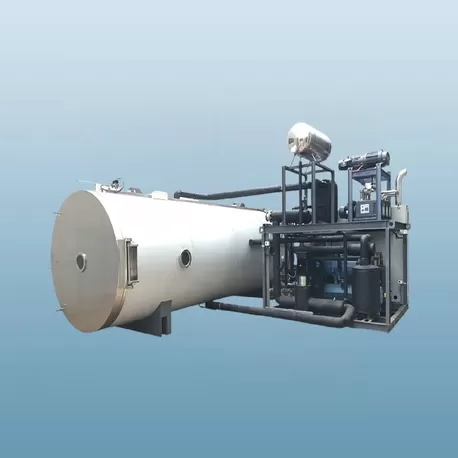
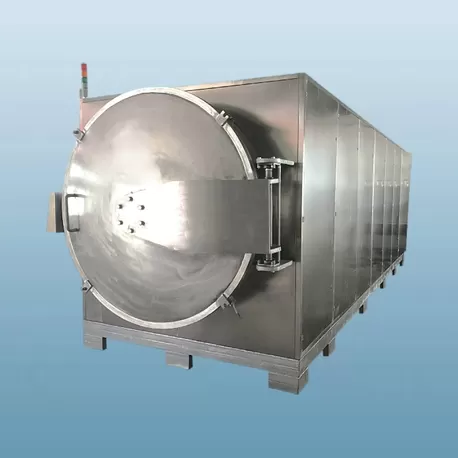
In this sector, durability matters. Nasan's industrial fruit dehydrator lines offer stainless steel construction. They withstand continuous use in harsh environments.

Comparing Fruit Dehydrators with Other Drying Methods

How does a fruit dehydrator stack up against alternatives? This comparison highlights its strengths. We’ll look at sun drying, oven drying, and freeze drying.

Versus Sun Drying

Sun drying is ancient and cost-free. However, it depends on weather and takes days. Contamination risks from insects or dust are high. Dehydrators provide controlled, faster results year-round.

  • Dehydrators are more reliable and hygienic.

  • They reduce drying time from days to hours.

  • Consistent output ensures better quality.

Versus Oven Drying

Ovens can dry fruit but use high heat. This may cook the fruit or cause nutrient loss. Energy consumption is higher. Dehydrators operate at lower temperatures with focused airflow.

Tests show Nasan models use 50% less energy than typical ovens. They also offer larger capacity for bulk processing.

Versus Freeze Drying

Freeze drying preserves texture and nutrients well. Yet, it’s expensive and slow. Equipment costs are prohibitive for many. Dehydrators offer a balanced, affordable option for most users.

For routine drying, a fruit dehydrator is practical. It’s easier to maintain and widely accessible. Nasan provides options that bridge the gap between cost and performance.

A fruit dehydrator is more than a kitchen gadget. It’s a tool for sustainability and efficiency in food processing. As technology advances, these devices will become even more integral. Brands like Nasan continue to innovate, offering solutions for every scale. Whether for home or industry, investing in a quality dehydrator pays off in health and savings.

Frequently Asked Questions About Fruit Dehydrators

Q1: How long does it take to dehydrate fruits in a typical fruit dehydrator?

A1: Drying time varies by fruit type and thickness. Soft fruits like bananas take 6-10 hours, while harder fruits like apples may need 12-24 hours. Factors like temperature and humidity also affect duration. Using a reliable model, such as those from Nasan, can optimize speed.

Q2: Can a fruit dehydrator be used for vegetables or meats?

A2: Yes, many dehydrators handle vegetables, herbs, and even meats like jerky. Adjust settings for different foods. Ensure proper hygiene to prevent cross-contamination. Industrial models often come with versatile trays for diverse products.

Q3: What maintenance does a fruit dehydrator require?

A3: Regular cleaning of trays and interiors is key. Check filters and fans for dust buildup. For long-term use, inspect heating elements annually. Nasan designs easy-to-clean parts to simplify maintenance.

Q4: Are fruit dehydrators energy-intensive for continuous industrial use?

A4: Not necessarily. Modern units are built for energy efficiency. Features like insulated chambers and smart timers reduce power consumption. In industrial settings, Nasan dehydrators often include energy-saving modes to cut costs.

Q5: How do I choose between a home and industrial fruit dehydrator?

A5: Consider volume and frequency. Home models suit occasional use with small batches. Industrial dehydrators, like Nasan's commercial lines, offer higher capacity, durability, and advanced controls for heavy-duty processing.