Thermal processing of sensitive materials presents distinct challenges across
various manufacturing sectors. Traditional dehydration methods, such as hot air
convection drying, often lead to oxidation, structural collapse, or the
degradation of volatile compounds due to prolonged exposure to elevated
temperatures. To address these limitations, industrial facilities require
sophisticated methods that minimize heat exposure while achieving precise
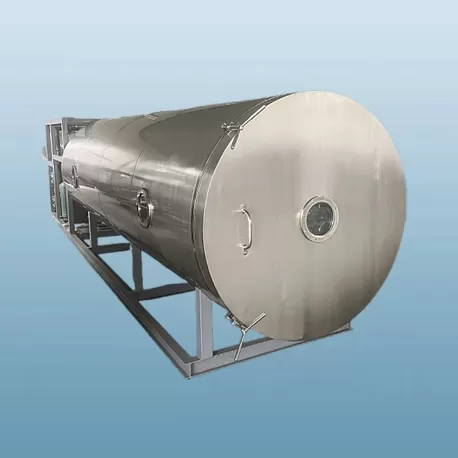
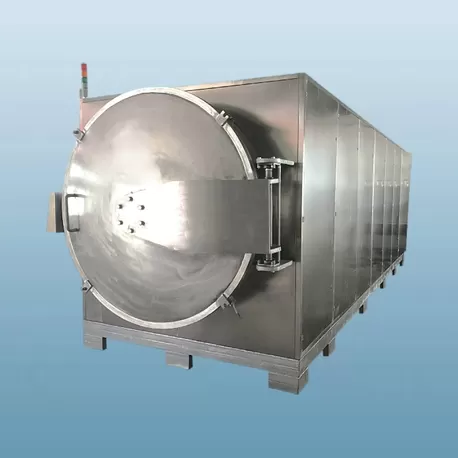
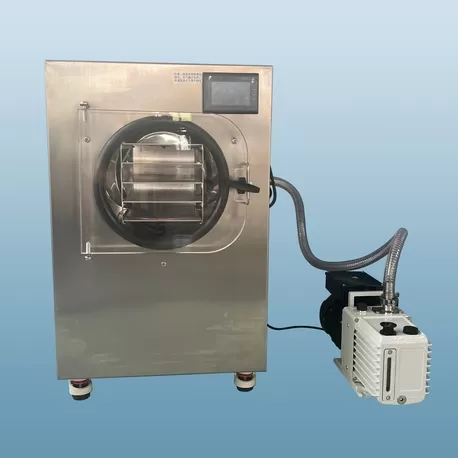
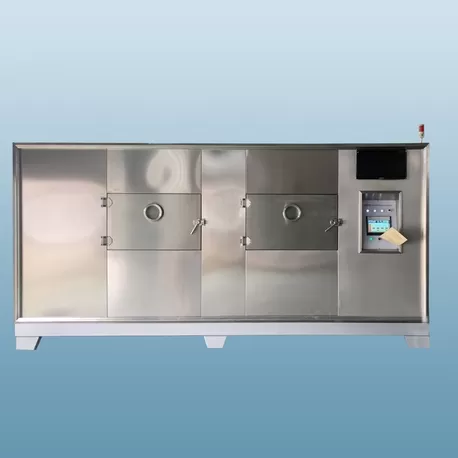
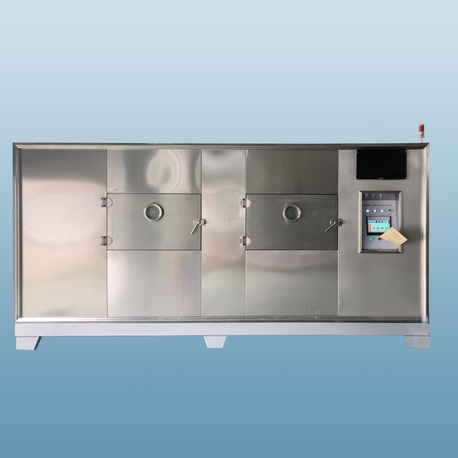
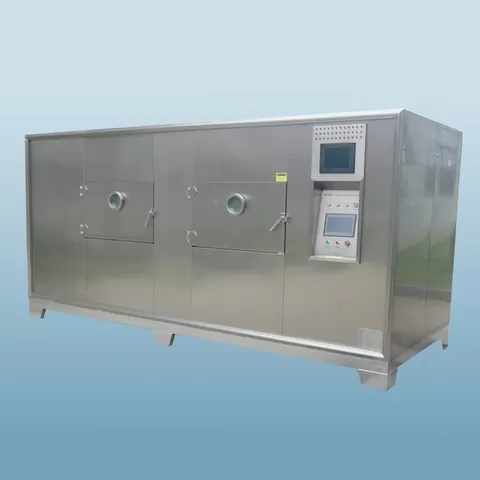
moisture profiles. A vacuum microwave drying machine represents an integration
of two distinct physical principles: sub-atmospheric pressure and
electromagnetic volumetric heating. Engineered systems from specialized
manufacturers like Nasan provide precise moisture removal while maintaining the
physical and chemical integrity of the target materials.
Understanding the underlying mechanics, operational benefits, and system
configurations of this technology is key for industrial operators seeking to
replace outdated drying setups. By combining vacuum conditions with microwave
energy, processing plants can bypass the limitations of surface-bound heat
transfer, resulting in shortened cycle times and reduced thermal stress on
products.

The operational efficiency of a vacuum microwave drying machine relies on the
physics of water evaporation at reduced pressures combined with the mechanics of
dielectric heating.
The Synergy of Electromagnetic Energy and Low Pressure
Under standard atmospheric pressure, water boils at 100 degrees Celsius. In a
vacuum chamber, however, lowering the pressure directly reduces the boiling
point of water. For instance, when chamber pressure is maintained at 10 kPa,
moisture within a product evaporates at approximately 45 degrees Celsius. This
reduction in boiling temperature protects heat-sensitive substances from thermal
degradation.
While low pressure facilitates low-temperature evaporation, it also limits
heat transfer. In a vacuum, convection is virtually non-existent, leaving only
conduction or radiation to transfer heat. Traditional conductive heating in a
vacuum is slow and often uneven. Microwave energy solves this limitation by
penetrating the material directly. Rather than relying on thermal conduction
from the surface inward, the electromagnetic waves interact with polar molecules
(primarily water) within the material, causing them to rotate rapidly and
generate friction. This volumetric heat generation ensures that moisture is
vaporized uniformly throughout the product mass.
Heat and Mass Transfer Mechanisms
The simultaneous application of vacuum and microwave energy alters the
moisture migration process. In conventional drying, a dry outer crust forms,
creating a barrier that slows down further moisture removal. In contrast, the
volumetric heating of a vacuum microwave drying machine creates an internal
vapor pressure gradient. The heat generated within the core of the product
pushes water vapor outward toward the lower-pressure environment of the chamber.
This continuous outward flux prevents the formation of a surface crust, allowing
for rapid dehydration and maintaining a porous product structure.
Structural Components of a Vacuum Microwave Drying Machine
To achieve reliable, repeatable drying cycles, the construction of a vacuum
microwave drying machine requires precise engineering. Standard systems consist
of several integrated assemblies designed to manage pressure, electromagnetic
fields, and temperature.
The Vacuum Chamber: Built from heavy-gauge stainless steel,
the chamber must withstand high differential pressure without deformation. The
internal geometry is designed to prevent microwave reflection hotspots, which
could lead to uneven drying.
Microwave Generators (Magnetrons): These components
generate electromagnetic waves, typically at frequencies of 2450 MHz or 915 MHz.
Industrial setups utilize multiple magnetrons positioned strategically around
the chamber to ensure uniform field distribution.
Waveguides and Tuners: These structures guide the microwave
energy from the magnetrons into the vacuum chamber. Tuners are used to match the
impedance of the chamber, preventing energy reflection back into the magnetrons,
which could shorten their operational lifespan.
Condensation and Vacuum System: Positioned between the
chamber and the vacuum pump, the condenser rapidly cools and liquefies the
evaporated water vapor. This step is necessary to protect the vacuum pump from
moisture damage and to maintain a stable vacuum level during high-rate
evaporation phases.
Control System: Modern systems utilize programmable logic
controllers (PLCs) to monitor real-time variables. Nasan integrates sensors for
product temperature, chamber pressure, and microwave power reflection, enabling
automated feedback loops that adjust energy output based on the drying
stage.
Addressing Industrial Bottlenecks and Processing Challenges
Industrial manufacturers face ongoing pressure to reduce energy consumption,
shorten processing times, and maintain strict quality control. Standard drying
methods often present compromises in one or more of these areas.
Freeze drying, or lyophilization, is widely recognized for preserving
material structure and heat-sensitive compounds. However, freeze drying is a
lengthy process, requiring up to several days per batch, and involves
substantial capital expenditure and energy costs for refrigeration. A vacuum
microwave drying machine offers an alternative for products that require high
preservation quality but cannot support the high operational costs of freeze
drying. The processing time is often reduced from days to a matter of hours,
lowering energy consumption per kilogram of water removed.
On the other end of the spectrum, continuous tunnel dryers and spray dryers
are fast but expose materials to high temperatures and oxygen, leading to
oxidation, color degradation, and loss of active ingredients. Operating under a
vacuum excludes oxygen from the drying process, preventing oxidative reactions
and preserving natural colors, volatile flavors, and active chemical compounds.
The table below illustrates the typical operational differences between these
primary drying methods:
| Drying Method | Operating Temperature | Oxygen Exposure | Typical Drying Time | Energy Consumption |
|---|
| Hot Air Convection | High (60°C - 120°C) | High | 6 - 24 Hours | Moderate to High |
| Freeze Drying (Lyophilization) | Very Low (Below 0°C) | Very Low | 24 - 72 Hours | High |
| Vacuum Microwave Drying | Low (30°C - 55°C) | Very Low | 1 - 4 Hours | Moderate to Low |
Applications Across Diverse Sectors
The combination of rapid processing and low-temperature drying makes this
technology suitable for several demanding industries.
Pharmaceuticals and Biotechnology
In pharmaceutical manufacturing, active ingredients (APIs), biological
extracts, and proteins are frequently thermolabile. High temperatures can
denature proteins or alter chemical compositions, rendering the product
ineffective. A vacuum microwave drying machine allows for the dehydration of
these sensitive materials under low-temperature, oxygen-free conditions. This
ensures that the biological activity and chemical stability of the therapeutic
agents are preserved. Additionally, the rapid removal of moisture aids in
producing granular or powdered intermediates with consistent residual moisture
levels, facilitating subsequent tableting or packaging steps.
Food and Agricultural Processing
Preserving nutritional value, color, and texture is a primary goal in food
dehydration. Standard hot air drying often causes shrinkage, browning, and loss
of vitamins. Utilizing microwave vacuum technology allows for the dehydration of
fruits, vegetables, and herbal extracts with high retention of heat-sensitive
nutrients such as Vitamin C and natural antioxidants. The internal vapor
pressure generated during the process prevents the cellular structure from
collapsing, resulting in dried products with high rehydration ratios and a
porous, crispy texture without the need for additives.
Chemical Synthesis and Advanced Materials
Specialty chemicals, catalysts, and advanced polymers often require precise
drying to avoid thermal degradation or unwanted secondary reactions. The
presence of oxygen during drying can cause polymerization, oxidation, or fire
hazards when organic solvents are present. The vacuum environment mitigates
these risks, while the volumetric heating ensures that bulk powders or dense
cakes are dried uniformly, avoiding wet spots that can compromise final product
quality.
Process Parameters and Performance Management
Operating a vacuum microwave drying machine requires careful balancing of
several interdependent parameters to prevent product damage and ensure efficient
operation.
One primary variable is microwave power density, which represents the amount
of electromagnetic energy applied per unit mass of the product. If the power
density is set too high, particularly during the final stages of drying when
moisture content is low, localized overheating can occur. Water molecules absorb
microwave energy much more readily than dry solids. As moisture is depleted, the
energy must be scaled down to prevent the dry material from absorbing excess
heat. PLC systems developed by manufacturers like Nasan address this by
utilizing multi-stage drying profiles, automatically stepping down microwave
power as the product approaches its target moisture content.
Chamber pressure is another key parameter. Lowering the pressure reduces the
boiling point of water, but if the pressure is too low, the risk of electrical
arcing (corona discharge) within the chamber increases. Arcing can damage both
the equipment and the product. Operating parameters must therefore be maintained
within a specific range, typically between 2 kPa and 15 kPa, to balance
low-temperature evaporation with stable electrical performance.
Choosing the Right System Configuration
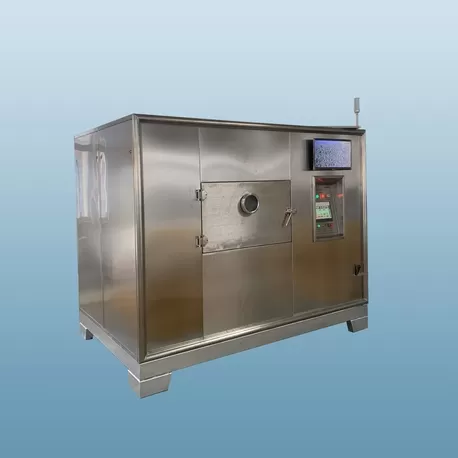
Industrial requirements dictate whether a batch or a continuous drying system
is appropriate. Each configuration has specific operational benefits depending
on production volumes and material handling requirements.
Batch systems are commonly selected for high-value, lower-volume applications
where strict product segregation and thorough sanitization between batches are
required, such as in pharmaceutical and specialized chemical production. These
systems allow operators to easily clean the vacuum chamber and customize drying
profiles for individual batches.
Continuous vacuum microwave drying systems are designed for high-throughput
production lines, such as agricultural processing. These systems utilize
continuous vacuum locks, such as rotary valves or double-door chambers, to feed
material onto a conveyor belt inside the vacuum chamber. This setup allows for
continuous production without losing vacuum pressure, maximizing throughput and
reducing manual labor. Nasan works with processing facilities to analyze
material behavior, throughput demands, and facility footprints to engineer
configured drying systems.
Frequently Asked Questions
Q1: How does a vacuum microwave drying machine prevent localized
overheating during the final drying phase?
A1: Liquid water has a high dielectric loss factor, meaning it absorbs
microwave energy rapidly. As the material dries, its overall dielectric loss
factor decreases, reducing its capacity to absorb microwave energy. To prevent
overheating of the remaining dry solid matrix, the system's control program
dynamically reduces the microwave power output based on real-time temperature
feedback and preset moisture curves.
Q2: Is this technology suitable for materials containing organic
solvents instead of water?
A2: Yes, the system can process materials containing solvents, provided the
unit is designed for solvent recovery. Because the drying occurs in an
oxygen-depleted vacuum chamber, the risk of combustion is significantly reduced.
Specialized condensation systems must be integrated to capture and reclaim the
evaporated solvent vapors, preventing them from entering the atmosphere or
damaging the vacuum pumps.
Q3: How do the operating costs of vacuum microwave systems compare to
freeze dryers?
A3: Operational costs are generally lower than those of freeze dryers. Freeze
drying requires continuous, high-energy refrigeration to maintain materials in a
frozen state under deep vacuum for extended periods. Vacuum microwave drying
achieves low-temperature moisture removal in a fraction of the time, resulting
in reduced overall energy consumption per batch.
Q4: What maintenance is required to keep these systems running
efficiently?
A4: Routine maintenance involves checking the integrity of the vacuum seals
to prevent pressure leaks, cleaning the internal chamber surfaces to prevent
product residue from causing microwave arcing, and monitoring the lifespan of
the magnetrons. Magnetrons degrade over time and must be monitored for
efficiency loss and replaced as part of preventive maintenance schedules.
Q5: Can this equipment handle high-viscosity pastes or only solid
materials?
A5: The technology is adaptable to various material states, including
liquids, high-viscosity pastes, granules, and solid slices. For pastes, the
volumetric heating helps prevent surface skinning, allowing moisture to escape
from the deep layers of the paste without causing splattering or uneven
drying.
Industrial Inquiry and Technical Consultation
Selecting the appropriate drying technology requires careful analysis of your
material’s chemical properties, thermal limits, and production requirements.
Nasan designs and manufactures industrial vacuum microwave drying systems
tailored to meet specific processing standards across the pharmaceutical, food,
and chemical industries.
If you are looking to upgrade your existing thermal processing equipment,
reduce processing times, or solve quality issues related to heat damage, our
engineering team is available to assist. We invite you to contact us with your
specific material specifications, initial and target moisture levels, and
expected throughput capacities. Our team can provide technical evaluations and
recommend customized system configurations to support your production goals.