


Industrial food preservation relies heavily on moisture control to prevent microbial spoilage, reduce transportation weight, and retain the nutritional value of agricultural yields. Dehydration is a complex thermodynamic process involving simultaneous heat and mass transfer. Achieving consistent product quality at a commercial scale requires a deep understanding of drying kinetics, airflow distribution, and mechanical design. Drying technologies developed by manufacturers like Nasan focus on addressing these specific processing challenges, ensuring that large-scale operations maintain product integrity while optimizing energy use.

Thermodynamics of Food Dehydration: Heat and Mass Transfer
The core mechanism of vegetable dehydration involves transferring heat from the drying medium—typically heated air—to the moisture within the product, followed by the transport of that moisture away from the vegetable surface. This process is governed by specific physical phases that dictate how a drying system must perform:
The Constant Rate Period: During this initial stage, the surface of the vegetable remains completely wet. The rate of evaporation is independent of the solid material and is governed solely by the temperature, humidity, and velocity of the surrounding air. The surface temperature of the product approximates the wet-bulb temperature of the air.
The Falling Rate Period: As drying progresses, surface moisture is depleted, and internal moisture must migrate to the surface via diffusion, capillary flow, or vapor pressure gradients. During this phase, the drying rate drops, and the product temperature rises toward the dry-bulb temperature of the processing air. Managing temperature during this phase is crucial to prevent thermal damage.
Because vegetables vary widely in cellular structure, skin thickness, and initial water content, a drying system must offer precise control over these thermodynamic parameters. Leafy greens lose moisture rapidly due to their high surface-area-to-volume ratio, whereas root vegetables like carrots or potatoes require prolonged, controlled heat exposure to draw moisture out of dense fibrous tissues without causing surface hardening.
Structural Configurations: Batch vs. Continuous Drying Systems
Selecting the appropriate physical footprint and material flow system is a primary decision for processing plant engineers. Industrial dryers are generally classified into batch systems (such as cabinet or tray dryers) and continuous systems (such as conveyor belt dryers).
Batch Cabinet Dryers
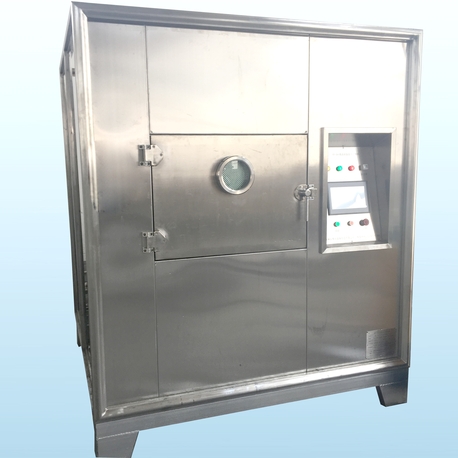
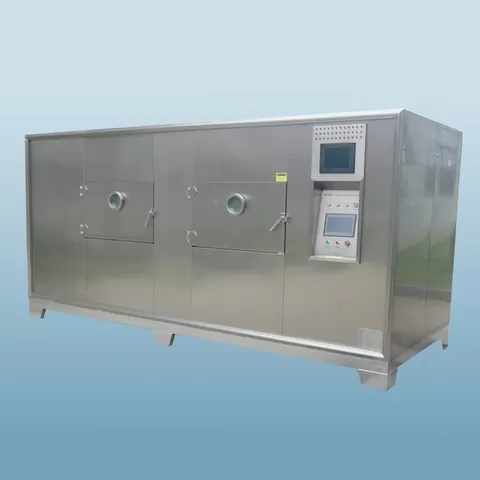
Batch systems are highly suitable for operations requiring high flexibility, frequent product changeovers, and relatively small production volumes. Raw vegetables are loaded onto uniform mesh trays, which are stacked on mobile trolleys and inserted into a sealed drying chamber. Air is recirculated through the trays using internal fans, with a controlled portion of moist air exhausted from the system.
While batch dryers offer precise control over single runs, they demand significant manual labor for loading, unloading, and cleaning. They also present challenges in maintaining absolute thermal uniformity across all tray levels, which requires advanced baffle designs and reversible airflow systems.
Continuous Conveyor Belt Dryers
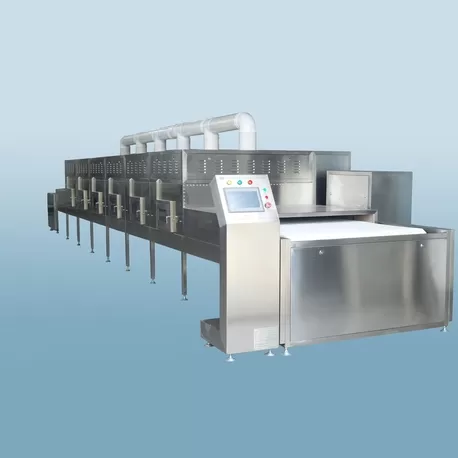
For high-throughput, automated production lines, continuous systems are the industry standard. Raw, pre-treated vegetables are distributed uniformly onto a moving perforated belt. As the belt progresses through multiple heating zones, hot air is forced either upward or downward through the product bed.
When selecting a continuous belt vegetable dehydration machine, processing plants must evaluate several crucial mechanical factors:
Bed Depth Optimization: The thickness of the product layer on the belt must be carefully calibrated. If the bed is too deep, airflow is restricted, leading to uneven moisture levels; if it is too shallow, thermal energy bypasses the product, reducing efficiency.
Multi-Zone Temperature Profiling: Continuous systems must feature independent heating sections. The first zone utilizes higher temperatures to maximize evaporation during the constant rate drying period, while subsequent zones maintain lower temperatures to protect the product during the falling rate phase.
Retention Time Control: Variable speed drives on the conveyor belts allow operators to adjust the residence time of the product within the drying tunnel, accommodating seasonal variations in raw material moisture content.
Airflow Dynamics and Relative Humidity Management
Air serves two purposes in a convection dryer: it supplies the latent heat of vaporization needed to evaporate water, and it acts as a carrier to transport the evaporated moisture out of the chamber. The efficiency of this process depends on three interrelated variables: temperature, velocity, and relative humidity (RH).
If the air velocity is insufficient, a stagnant boundary layer of saturated air forms around the product, halting the drying process. Conversely, if the air velocity is too high, lightweight sliced vegetables can become airborne, leading to product loss and clogged air filters. Modern systems utilize variable frequency drives (VFDs) on circulation fans to fine-tune the face velocity across the product bed based on its changing weight and density during the drying cycle.
Relative humidity control is equally vital. Simply heating ambient air increases its water-carrying capacity, but as the air absorbs moisture from the vegetables, its relative humidity rises, and its drying capacity declines. Implementing automated damper systems allows the exhaust of saturated air and the intake of fresh, dry air. Advanced heat recovery systems can extract thermal energy from the exhaust stream to preheat incoming fresh air, significantly reducing energy requirements without sacrificing drying speed.
Sanitary Design and Material Integrity
In food processing, equipment design must prioritize hygiene and ease of sanitation to prevent microbial contamination, cross-contamination of allergens, and physical hazards. Industrial drying equipment must comply with stringent regulatory standards, such as those set by the FDA and USDA.
Key sanitary design features include:
Material Selection: All product-contact surfaces must be constructed from high-grade stainless steel (typically SUS304 or SUS316L). These materials resist corrosion from food acids, humidity, and harsh chemical sanitizers.
Hygienic Welding: Welds on internal surfaces must be ground smooth and continuous, eliminating crevices, pits, and sharp corners where organic debris or bacterial biofilms can accumulate.
Self-Draining Surfaces: The structural frame and internal chamber floors must be sloped toward dedicated drains to ensure that washdown water does not pool inside the machine after cleaning.
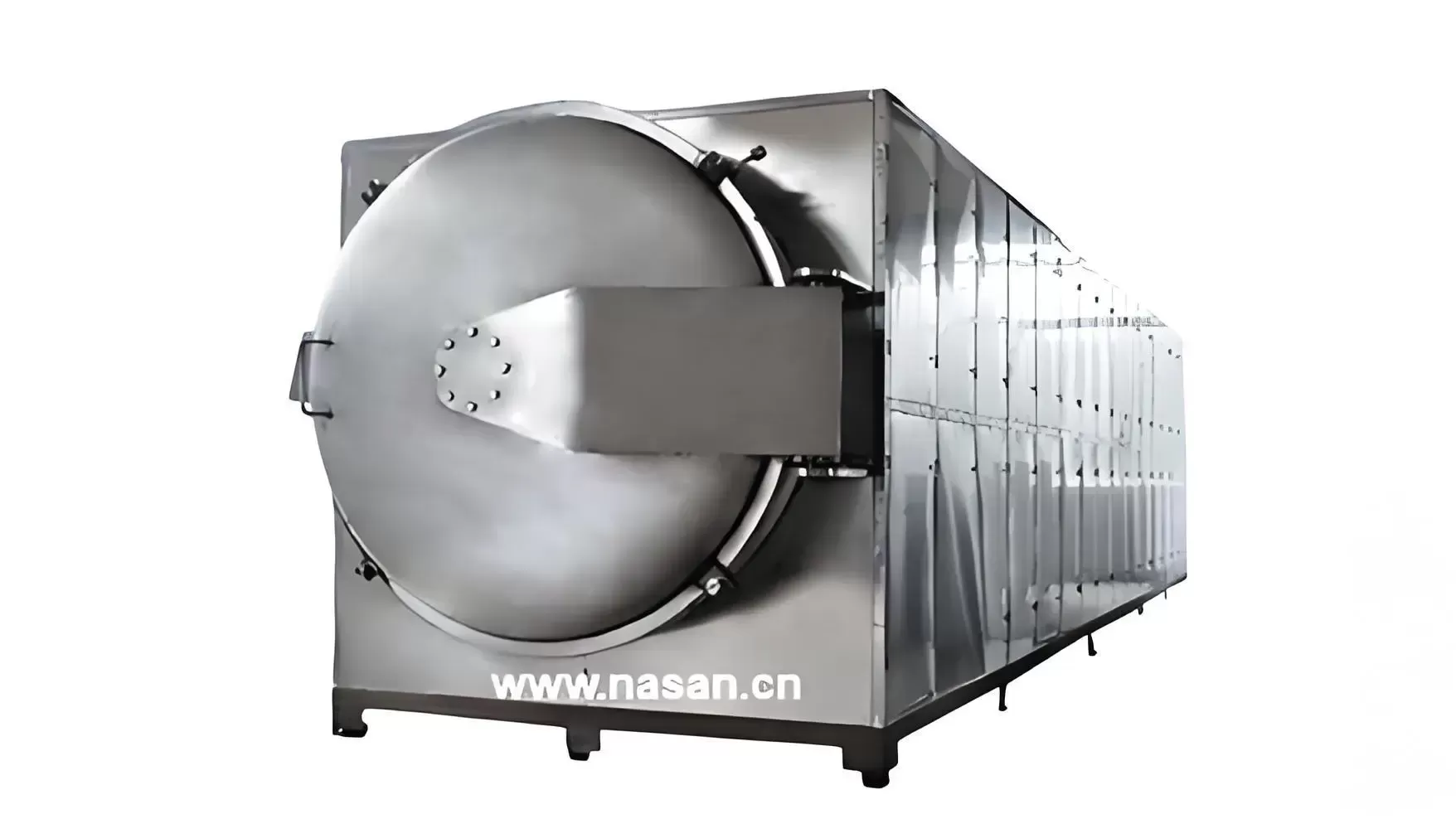
Access and Clean-in-Place (CIP) Systems: Large access doors with high-temperature food-grade silicone gaskets are necessary for physical inspection. For continuous belt systems, integrated belt washing stations and CIP spray bars automate the sanitation cycle, reducing downtime.
Optimizing Product Quality and Preventing Case Hardening
A common challenge in industrial dehydration is case hardening. This phenomenon occurs when the surface of the vegetable dries too rapidly, forming an impermeable crust. This crust traps moisture within the center of the piece, leading to subsequent mold growth or spoilage during packaging.
Integrating an automated vegetable dehydration machine into the production line helps prevent case hardening by executing a precise humidity-controlled drying profile. By keeping the relative humidity of the drying air relatively high during the initial stage, the surface of the vegetable remains pliable, allowing internal moisture to migrate outward. Once the core moisture content is reduced to a safe level, the relative humidity of the air is lowered to complete the final drying stage.
Proper pre-treatment also plays a major role in final quality. Blanching (either with steam or hot water) is a vital pre-processing step for most vegetables. It inactivates enzymes such as peroxidase and polyphenol oxidase, which cause browning, off-flavors, and loss of vitamins during drying and storage. Blanching also alters the cellular structure of the tissue, increasing permeability and accelerating the subsequent drying rate.
Automation, PLC Integration, and Processing Diagnostics
Modern industrial operations require continuous monitoring and data logging to guarantee batch-to-batch consistency and trace product parameters. Advanced heating controls, such as those integrated into Nasan drying systems, utilize Programmable Logic Controllers (PLCs) paired with intuitive Human-Machine Interfaces (HMIs).
These automation platforms monitor several performance metrics in real time:
Multi-Point Temperature Sensors: RTD or thermocouple sensors monitor temperature profiles across different zones of the drying chamber, adjusting the modulating steam valves or gas burners to maintain set points within tight tolerances.
In-Line Moisture Analyzers: Near-Infrared (NIR) or microwave-based moisture sensors measure the water content of the vegetables as they exit the drying chamber. This feedback loop can automatically adjust the conveyor belt speed or drying temperature to prevent over-drying or under-drying.
System Diagnostics and Recipe Management: Operators can store pre-programmed profiles for different vegetables (e.g., onions, garlic, cabbage, bell peppers), ensuring rapid changeovers and consistent operation regardless of operator shifts.
Furthermore, these control panels record operational data, enabling processing plants to analyze system performance, plan predictive maintenance cycles, and maintain complete compliance with food safety auditing frameworks.
Industrial System Integration
A dehydration system does not operate in isolation. It must be seamlessly integrated with upstream preparation equipment (such as washing, peeling, slicing, and blanching units) and downstream packaging lines (including cooling tunnels, optical sorters, and multi-head weighers). A modern high-efficiency vegetable dehydration machine mitigates this issue by incorporating modular infeed and discharge systems that prevent product accumulation and damage during transition phases.
As vegetables leave the drying chamber at elevated temperatures, they must be rapidly cooled to ambient temperature before packaging to prevent moisture condensation inside the storage bags. Integrating a dedicated cooling section at the discharge end of the continuous dryer ensures the product is stabilized, maintaining its crisp texture and preventing clumping during the packaging process.
By focusing on custom mechanical design, precise heat distribution, and advanced control systems, manufacturers can optimize their processing lines to deliver premium dried products while keeping energy utilization within optimal limits. How Nasan equipment supports system modularity ensures that processing facilities can scale up production capacity efficiently as demand grows.
Inquiries and Customized Process Engineering
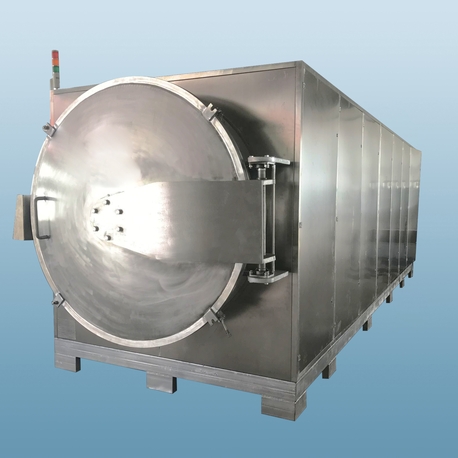
Every agricultural processing facility operates under unique parameters, including localized ambient humidity, varying raw material characteristics, and specific finished product specifications. Selecting a standard, off-the-shelf system often leads to operational inefficiencies. For custom requirements and system design for your vegetable dehydration machine, contact our team of application engineers. Consult with Nasan engineering specialists to receive a detailed processing layout, thermal load calculation, and customized equipment specifications tailored to your production requirements.
Frequently Asked Questions
Q1: What is the ideal residual moisture content for dehydrated vegetables to ensure long-term shelf stability?
A1: For most dehydrated vegetables, the target residual moisture content ranges from 4% to 8% by weight, corresponding to a water activity level (aw) below 0.60. At this level, microbial growth is completely arrested, and enzymatic deterioration is severely restricted, allowing for a shelf life of up to 12 to 24 months when packaged in moisture-barrier containers.
Q2: How does hot air speed affect the overall drying rate of leafy vegetables compared to root vegetables?
A2: Leafy vegetables have a thin profile and high surface area, meaning their drying rate is highly sensitive to hot air speed during the constant rate drying phase. High velocities speed up surface moisture evaporation. Root vegetables, however, are limited by internal moisture diffusion (falling rate period). Once the surface is dry, high air velocity has minimal impact on the drying rate, which is instead controlled by temperature and relative humidity gradients.
Q3: Why is stainless steel grade SUS304 or SUS316L preferred for commercial drying systems?
A3: These stainless steel grades contain high levels of chromium and nickel, which provide superior resistance to corrosion caused by food acids, humidity, and chemical cleaning agents. SUS316L includes molybdenum, offering even greater resistance to chloride-induced pitting, making it suitable for processing salted or highly acidic vegetables.
Q4: How does a heat recovery system improve the thermal efficiency of a drying chamber?
A4: A heat recovery system utilizes a heat exchanger to transfer sensible heat from the hot, humid exhaust air to the incoming fresh, cold makeup air. This process preheats the intake air before it reaches the main burners or steam coils, reducing the energy input required to achieve the target operating temperature.
Q5: Can multi-stage continuous belt dryers process different types of vegetables without physical modifications?
A5: Yes, provided the system is equipped with advanced PLC controls and variable speed drives. By adjusting belt speed (residence time), temperature profiles in each zone, fan speeds (airflow volume), and exhaust damper positions, a single continuous dryer can be configured to process a wide range of vegetables, from delicate herbs to dense root crops.