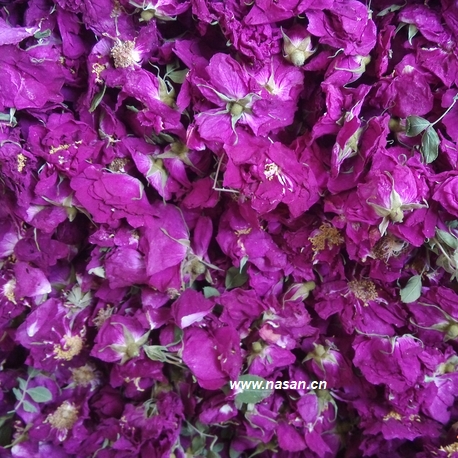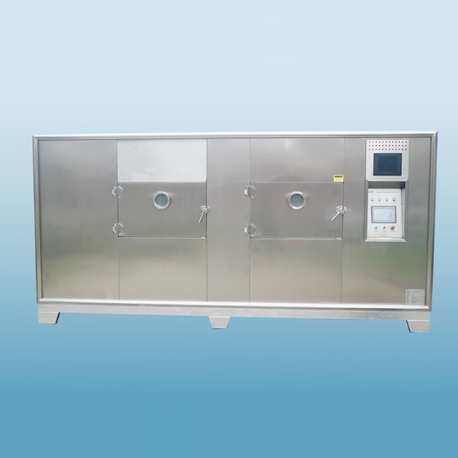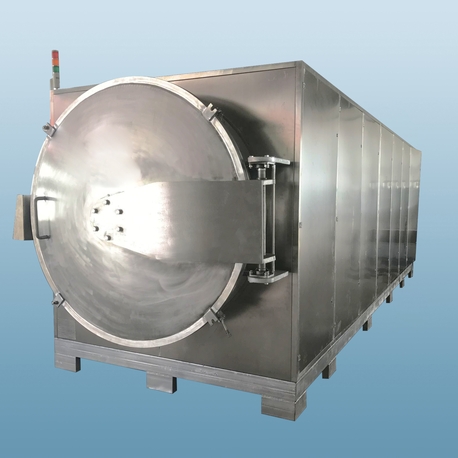


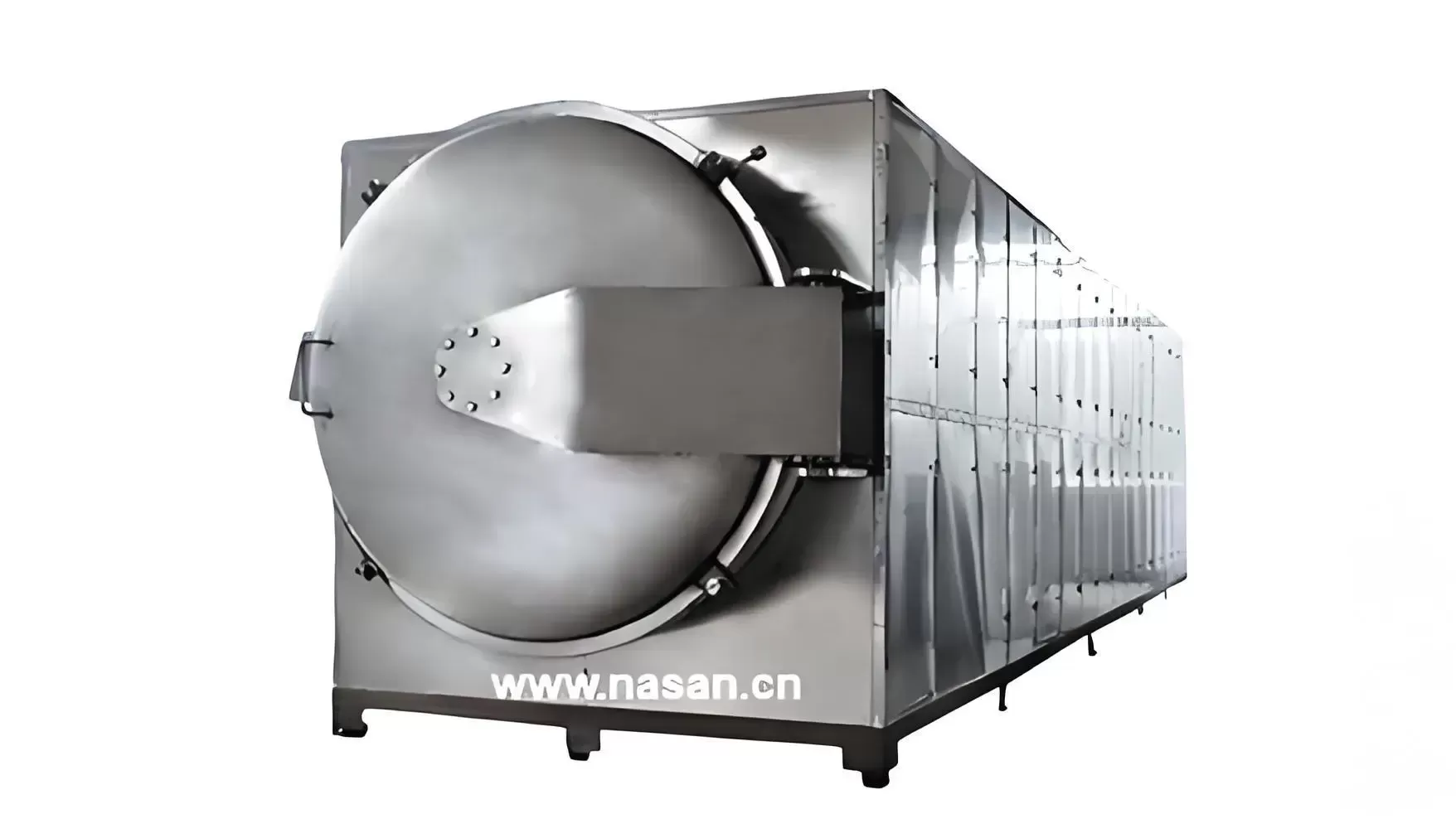


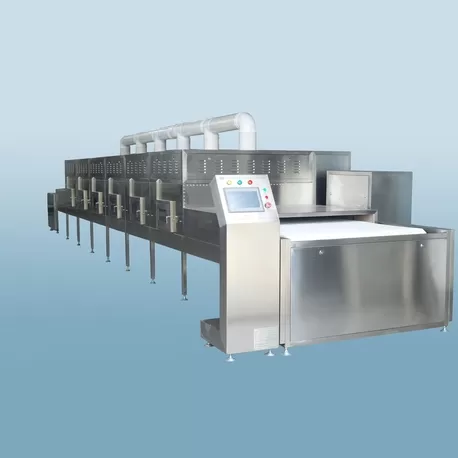
The processing of delicate botanical materials requires a balance between moisture removal and quality preservation. Unlike robust agricultural commodities, flowers contain highly sensitive compounds, volatile oils, and pigment structures that degrade rapidly when exposed to uncontrolled heat or improper moisture gradients. Selecting the correct flower dehydrator is therefore a key decision for commercial processors who must maintain the visual and chemical integrity of their raw materials. High-capacity drying equipment manufactured by companies like Nasan utilizes advanced thermodynamic cycles to achieve uniform drying outcomes without compromising the active ingredients of the plants.
To optimize industrial-scale operations, it is necessary to understand the underlying physical mechanisms of dehydration. This analysis examines the thermodynamic principles, common operational challenges, and system configurations required to achieve high-efficiency botanical preservation.
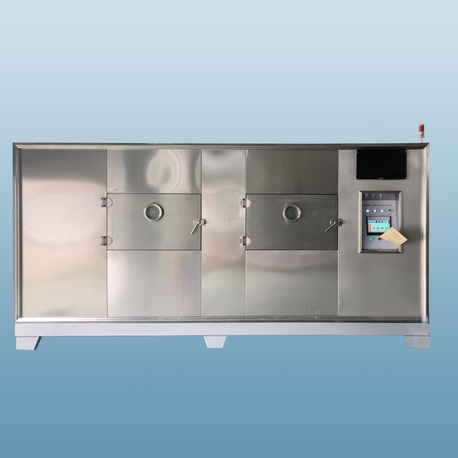
The Science of Flower Dehydration: Thermodynamics and Kinetics
The primary objective of dehydrating flowers is to reduce water activity to a level where microbiological growth and enzymatic activity are arrested. Typically, this means lowering the moisture content from approximately 80% to less than 10%. However, the rate of moisture extraction must align with the natural diffusion rate of water through the floral tissues.
Moisture Migration Mechanisms
Moisture within botanical tissues exists in two primary states: free water and bound water. Free water resides on the surface and within the intercellular spaces, evaporating relatively easily during the initial stages of drying. Bound water is chemically or physically held within the cellular structure, requiring higher activation energy to release. During the drying cycle, moisture moves from the interior of the petal to the surface via capillary flow and vapor diffusion, driven by a concentration gradient.
Thermal Degradation of Bioactive Compounds
Many flowers are processed for their therapeutic, aromatic, or culinary values, which are derived from volatile organic compounds (VOCs) like terpenes, as well as pigments like anthocyanins. High temperatures accelerate the oxidation and thermal decomposition of these elements. For example:
Terpenes and Essential Oils: These compounds have relatively low boiling points. Exposure to temperatures exceeding 50 degrees Celsius often results in significant volatilization, reducing the aroma and medicinal efficacy of the dried product.
Pigment Oxidation: Anthocyanins (responsible for red and blue hues) and carotenoids (yellow and orange hues) are sensitive to heat and oxygen. Poor temperature regulation leads to enzymatic browning, turning vibrant petals into dull brown materials that hold lower market value.
Structural Integrity: Rapid evaporation can cause cell wall collapse, leading to shriveled, brittle petals rather than preserved, open-flower structures.
Structural Components and Airflow Dynamics in a flower dehydrator
Industrial drying chambers are engineered to manage the heat and mass transfer processes occurring at the boundary layer of the flower tissue. The design of the chamber directly influences the uniformity of the final moisture content.
Airflow Distribution Patterns
Uniformity in drying requires consistent contact between the drying medium (warm, dry air) and the product surfaces. Standard drying chambers use horizontal laminar airflow. Air is forced parallel to the drying trays, ensuring that each layer of the product experiences the same velocity and temperature. Vertical airflow configurations are sometimes applied, but they require careful tray loading density management to prevent air channeling, where air bypasses dense pockets of material, leaving wet spots.
Integrating Heat Pump Dehumidification
Traditional direct-fired or electrical resistance dryers exhaust hot, humid air directly into the atmosphere, resulting in substantial thermal energy loss. Modern industrial drying plants rely heavily on closed-loop heat pump technology. In this configuration, the moist air leaving the drying chamber is directed across an evaporator coil. The air is cooled below its dew point, causing the moisture to condense and drain out of the system. The cold, dry air is then passed over a condenser coil, where it reclaims the latent heat of vaporization before being reintroduced into the drying cabinet. This cycle minimizes energy waste and allows for precise relative humidity (RH) control at lower operating temperatures.
Automation and PLC Control Systems
Because botanical varieties respond differently to moisture removal, modern processing systems employ programmable logic controllers (PLCs). These controllers monitor real-time data from dry-bulb temperature sensors, wet-bulb temperature sensors, and humidity transmitters. By utilizing PID (Proportional-Integral-Derivative) loop control, the system dynamically adjusts fan speeds and compressor output to maintain a specific drying curve. This precise regulation prevents overdrying and minimizes thermal stress on the delicate tissues.
Common Operational Pain Points in Commercial Flower Drying
Processors face several challenges that affect output quality and operational throughput. Addressing these pain points requires an understanding of the relationship between temperature, humidity, and airflow.
Uneven Drying Profiles: If the airflow within the chamber is poorly distributed, some trays will dry faster than others. This results in a finished batch with variable moisture levels, increasing the risk of mold formation during storage in the under-dried portions.
Case Hardening: When the initial drying temperature is set too high, or the relative humidity is dropped too quickly, moisture evaporates from the surface faster than it can diffuse from the interior. This causes the surface cells to shrink and form a hard, impermeable crust, trapping moisture inside the petal and making complete drying difficult to achieve without thermal damage.
Over-Dehydration: Reducing the moisture content below the optimum equilibrium moisture content (EMC) wastes energy and makes the flowers excessively fragile. This leads to crumbling during the packaging and transport stages.
High VOC Loss: Standard ventilation dryers continually exhaust air, carrying away the natural aromatic compounds of the flowers and reducing the value of the final extract or tea.
Engineering Solutions by Nasan for High-Capacity Processing
The commercial drying systems engineered by Nasan address these operational challenges through precise physical design and balanced thermal management. By focusing on low-temperature, high-volume dehumidification, these systems are constructed to handle dense tray arrangements without causing structural collapse or chemical degradation of the flower buds.
Instead of relying on high heat to drive evaporation, these systems use controlled air dew points. By supplying very dry air to the drying chamber, a steep vapor pressure gradient is established between the wet flower tissue and the surrounding environment. This allows moisture to evaporate efficiently at temperatures as low as 35 to 45 degrees Celsius. This method preserves heat-sensitive pigments and aromatic oils, producing dried flowers that retain their natural color profiles and active compounds.
Applications of Industrial Drying Systems across Industries
Industrial drying equipment serves diverse markets, each with specific requirements for moisture control and physical preservation.
Nutraceuticals and Herbal Teas
Species such as chamomile, hibiscus, and chrysanthemum are dried for human consumption. For these products, maintaining chemical integrity is paramount. The drying process must preserve active polyphenols, flavonoids, and essential oils. Dehydrators used for food and supplement production must feature sanitary stainless steel construction (typically SUS304 or SUS316) to comply with international hygiene standards and facilitate thorough cleaning cycles.
Cosmetic and Extraction Industries
Flowers like rose, lavender, and jasmine are harvested for essential oil extraction. When these materials are dried before steam distillation or solvent extraction, preserving the volatile oil profile is crucial. Improper drying can result in the loss of top-note aromas, directly reducing the yield and quality of the extracted oils.
Decorative Floristry and Crafts
For decorative applications, retaining the physical structure and original color of the petals is the main objective. Traditional air drying often leads to drooping, color loss, and a high susceptibility to insect damage. Controlled mechanical dehydration keeps the flower structure intact and locks in the natural pigment molecules, creating durable decorative elements.
Optimizing the Parameters of Your flower dehydrator
Achieving consistent results requires the systematic optimization of several operational variables based on the specific properties of the botanical species being processed.
Tray Loading Density
Loading density refers to the mass of wet material distributed per square meter of tray area. High loading densities restrict airflow, leading to localized pockets of high humidity and prolonged drying times. Conversely, low densities underutilize the chamber capacity, reducing overall throughput. For most loose petals, a uniform layer thickness of 2 to 3 centimeters is recommended, ensuring that air can pass freely through the bed of material.
Multi-Stage Drying Profiles
Advanced operations utilize multi-stage drying cycles programmed into the PLC system. A typical cycle for sensitive flowers may consist of the following stages:
| Stage | Target Temperature (°C) | Relative Humidity (%) | Primary Objective |
|---|---|---|---|
| Stage 1: Initial Warming | 38 °C - 42 °C | 65% - 70% | Gently heat the product to initiate moisture migration without causing surface sealing. |
| Stage 2: Active Dehydration | 42 °C - 48 °C | 40% - 50% | Maximize mass transfer rates while the moisture content is high, protecting volatile compounds. |
| Stage 3: Final Conditioning | 35 °C - 40 °C | 15% - 20% | Slowly bring the material to its final equilibrium moisture content, avoiding brittleness. |
Applying this structured approach prevents thermal shock to the plant tissues and ensures that the core of thicker flower buds reaches the desired dryness level simultaneously with the thin petals.

Procuring Custom Dehydration Solutions
Every industrial drying requirement is unique, shaped by regional ambient humidity, local energy supplies, and the specific physical characteristics of the processed flora. Selecting an industrial flower dehydrator requires careful consideration of chamber capacity, material handling systems, and heat source integration. For operations seeking customized drying configurations, Nasan provides design consultations to tailor equipment parameters to your production scale.
To receive an engineering assessment regarding your drying requirements, including tray configurations, energy efficiency metrics, and material compatibility analyses, please submit your processing specifications directly to our application engineering team.
Frequently Asked Questions
Q1: How does a commercial flower dehydrator preserve natural colors during the drying process?
A1: Color preservation is achieved by limiting temperature levels and managing relative humidity. By using a dehumidification cycle at lower temperatures (typically between 35 and 45 degrees Celsius), the system avoids the thermal breakdown of heat-sensitive pigments like anthocyanins and carotenoids. Additionally, rapid removal of boundary-layer moisture minimizes the time the plant tissue spends in a semi-wet state, reducing enzymatic browning reactions.
Q2: Why is relative humidity control more important than temperature alone?
A2: Temperature controls the rate of moisture movement from the interior of the plant to its surface, but relative humidity determines the capacity of the surrounding air to absorb that moisture. If the air inside the chamber is saturated (high RH), evaporation stops, regardless of the temperature. Controlling RH allows the system to maintain a consistent vapor pressure gradient, facilitating safe drying at lower, safer temperatures.
Q3: What tray loading density is recommended for delicate blossoms?
A3: For delicate blossoms, a single layer with minimal overlapping is recommended to ensure even exposure to the horizontal airflow. Typically, this translates to a loading density of approximately 1.5 to 2.5 kilograms of wet material per square meter of tray surface. Over-packing trays can block airflow, causing uneven drying and localized decay.
Q4: How do closed-loop heat pump drying systems reduce energy consumption?
A4: Unlike conventional dryers that vent warm, moist air to the outside, a closed-loop heat pump system recycles the air. It passes the wet air over an evaporator to condense and remove water, then routes the dry, cold air back across the condenser to recover the latent heat of vaporization. This cycle retains thermal energy within the insulated cabinet, significantly reducing energy requirements compared to open-exhaust designs.
Q5: Can the same drying cabinet be used for different floral species?
A5: Yes, commercial drying chambers equipped with programmable PLC systems can store multiple drying profiles. This allows operators to easily switch parameters—such as temperature curves, humidity setpoints, and fan speeds—to match the requirements of different species like lavender, rosebuds, or chamomile. Thorough cleaning between batches is necessary to prevent cross-contamination of volatile oils and aromas.