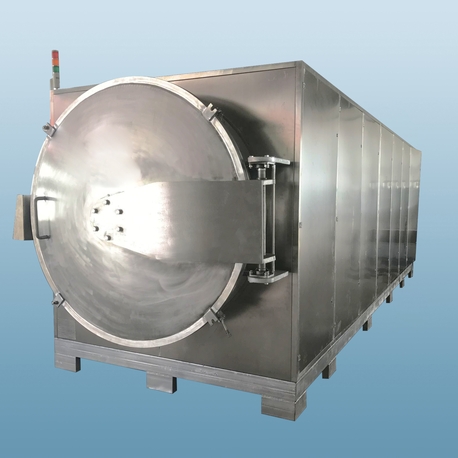
Garlic is a global staple, essential in cuisines ranging from Italian pasta sauces to complex Asian curries. For agricultural processors and food manufacturers, garlic represents a massive market opportunity. However, fresh garlic is notoriously difficult to store for long periods. It sprouts, rots, and loses its potency if not handled correctly.
The most effective way to stabilize this crop and create value-added products like garlic powder, granules, or flakes is through precise moisture removal. This is where a specialized garlic dehydrator becomes the heart of the operation. Unlike sun drying, which is inconsistent and unhygienic, or traditional ovens that burn the sugars, modern dehydration technology offers control.
Companies like Nasan have stepped into this space, providing equipment that manages the delicate balance between heat and humidity. This ensures the final product retains that signature pungent aroma and bright white color that buyers demand.

The Science Behind Drying Garlic
Garlic is unique compared to other vegetables. It has a high sugar content and contains volatile oil compounds, specifically allicin, which give it its medicinal properties and flavor.
If you apply too much heat too quickly, the sugars carmelize. This turns the garlic brown and bitter, rendering it unsellable for premium markets. If the drying is too slow, the garlic may mold or ferment before it dries.
A professional garlic dehydrator must navigate these risks. The goal is to lower the moisture content from approximately 65-70% down to roughly 6% for flakes, or even lower for powder production. This shelf-stable state prevents microbial growth and locks in the flavor profile for years.
In the industrial sector, the shift has moved away from coal and oil boilers toward heat pump technology. A heat pump dryer is essentially an energy recovery system.
The machine circulates air within a closed or semi-closed chamber. As the hot air passes over the sliced garlic, it absorbs moisture. Instead of venting this hot, wet air outside—which wastes huge amounts of energy—the system passes it over a cold evaporator coil.
The water condenses and drains away. The air, now dry, is reheated by the condenser coil and sent back into the chamber. This cycle repeats continuously.
For a facility manager, this means operational costs are significantly reduced. A heat pump system can be three to four times more efficient than electric resistance heating. It also allows for precise temperature modulation, which is critical for a sensitive crop like garlic.
Preparation: The Key to Consistency
You cannot simply throw whole bulbs into a machine and expect good results. The efficiency of a garlic dehydrator relies heavily on how the product is prepared before it enters the chamber.
Breaking and PeelingFirst, the bulbs must be broken into cloves and peeled. Industrial air peelers are typically used here to avoid damaging the flesh. Any bruising on the garlic will oxidize and turn dark during drying.
Slicing UniformityThis is the most critical step. Garlic cloves must be sliced into flakes, typically 1.5mm to 3mm thick. Uniformity is non-negotiable. If you have thick slices mixed with thin ones, the thin ones will burn while the thick ones remain wet inside.
WashingAfter slicing, the garlic is often washed to remove the sticky surface fluids. These fluids contain sugars that can block airflow and cause slices to stick to the trays. However, the surface water must be removed (using an air knife or centrifuge) before the garlic enters the dryer.
Phased Drying Strategy
A sophisticated garlic dehydrator allows operators to program a drying curve. This is a sequence of temperature and humidity settings that change over time.
Phase 1: High Airflow, Moderate HeatInitially, the surface moisture is high. The temperature is usually set around 55°C to 60°C. The focus here is on high air velocity to strip away the water evaporating from the surface.
Phase 2: Internal Moisture DiffusionAs the surface dries, the moisture must migrate from the center of the slice to the outside. The temperature might be adjusted slightly, but humidity control becomes vital. If the air is too dry, the surface hardens (case hardening), trapping moisture inside.
Phase 3: Final DryingTo reach the final moisture content required for grinding into powder, the temperature might be raised to 65°C for a short period. This drives out the bound water. However, temperatures typically should not exceed 70°C to preserve the allicin.
Selecting the Right Industrial Garlic Dehydrator
When investing in machinery, the build quality dictates the lifespan of the factory. Garlic is corrosive. The sulfur compounds released during drying can attack lower-grade metals.
Material StandardsThe interior of the drying chamber, the trolleys, and the trays must be made of high-grade Stainless Steel 304. This resists corrosion and ensures the equipment meets food safety standards like HACCP and GMP.
Airflow DesignLook for a system that guarantees 360-degree airflow. In cheaper units, trays in the corners often dry slower than those in the center. This requires manual labor to rotate trays, which destroys efficiency. Brands like Nasan design their airflow channels to ensure every tray receives the same velocity of air, eliminating the need for manual rotation.
Control SystemsModern manufacturing demands data. A good dryer will feature a PLC touchscreen. This allows you to save "recipes" for different garlic varieties or cut sizes. It also provides historical data logs, which are often required for food safety audits.
Applications of Dried Garlic
Once the product leaves the garlic dehydrator, it enters various supply chains.
Dehydrated FlakesThese are often sold directly to consumers or restaurants. They can be rehydrated in water and used just like fresh chopped garlic.
Garlic GranulesThe dried flakes are chopped into smaller, sand-like particles. These are popular in spice blends and rubs where a distinct texture is desired but fresh garlic would burn.
Garlic PowderThe most common application. The dried flakes are milled into a fine dust. This is used in everything from potato chips to sausage manufacturing. The moisture content for powder must be extremely low to prevent clumping.
Addressing the Odor Challenge
Processing garlic creates a very strong smell. In residential or mixed-use industrial zones, venting garlic-scented air outside can lead to complaints from neighbors.
This is another area where a closed-loop heat pump garlic dehydrator excels. Because the air is recycled internally and the water is removed as liquid condensate, there is very little exhaust air venting into the atmosphere. This acts as a built-in odor containment system, making it an environmentally friendly option for urban-adjacent factories.

Common Production Issues
Even with top-tier equipment, operators face challenges.
Pink or Red DiscolorationSometimes garlic turns pink during drying. This is often due to a chemical reaction caused by specific soil conditions or harvesting timing, but it can be exacerbated by slow drying at low temperatures. Increasing the initial drying rate can help.
Brown or Burnt GarlicThis is a temperature issue. The Maillard reaction (browning) accelerates above 70°C. Check the accuracy of your temperature sensors.
Sticky TraysIf the garlic sticks to the stainless steel trays, it usually means the washing step was skipped or insufficient. The sugar on the cut surface acts like glue. Using perforated silicone mats or ensuring a thorough pre-wash can solve this.
Efficiency and Profit Margins
The economics of garlic dehydration are favorable. Fresh garlic is heavy and expensive to transport. It is also prone to price fluctuations based on harvest seasons.
By drying the garlic, you reduce the weight by a factor of roughly 6:1 or 7:1. This drastically cuts shipping costs. Furthermore, dried garlic has a stable price and can be stored for over a year, allowing producers to sell when the market price is high.
Energy consumption is the largest operating cost. Using an efficient garlic dehydrator reduces this overhead. If a factory saves 30% on electricity compared to a competitor using old technology, that saving goes directly to the bottom line.
Maintenance and Care
To keep the machine running 24/7 during harvest season, maintenance is required.
Cleaning the CoilsThe evaporator coils will accumulate dust and potentially sticky residue from the garlic production environment. If these fins are blocked, the machine cannot dehumidify. They must be cleaned with compressed air or water regularly.
Checking SealsThe door gaskets ensure the chamber remains airtight. If these wear out, energy escapes, and the drying times will extend.
Sensor CalibrationHumidity and temperature sensors can drift over time. Calibrating them ensures your programmed recipes remain accurate.
Integrating into a Full Line
For most commercial businesses, the dryer is part of a larger system. The workflow typically looks like this:
Root cutting and splitting.Peeling.Color sorting (removing bad cloves).Slicing.Washing.Drying (The garlic dehydrator stage).Cooling.Milling/Grinding.Packaging.
Efficiency is achieved when these machines are balanced. The dryer is often the bottleneck because it takes the longest. Therefore, sizing the dryer correctly to match the output of the slicer is vital.
The transition from selling raw agricultural produce to processed goods is a major step for any business. It opens up international markets and provides stability against crop spoilage. However, the quality of the final product is entirely dependent on the drying technology used.
Garlic is unforgiving. It demands precise temperature management and efficient moisture removal to remain white and potent. A specialized garlic dehydrator is not just a machine; it is a tool for profit maximization.
Manufacturers who prioritize equipment quality, such as the solutions offered by Nasan, position themselves for long-term success. By combining advanced heat pump technology with rigorous processing standards, producers can deliver top-tier garlic products to a hungry global market.
Common Questions (FAQ)
Q1: What is the best temperature to dry garlic without losing flavor?
A1: The ideal temperature range is generally between 55°C and 65°C (131°F - 149°F). Temperatures above 70°C can destroy the allicin (the compound responsible for flavor and health benefits) and cause the garlic to turn bitter and brown.
Q2: How long does it take to dry garlic in a commercial dehydrator?
A2: For sliced garlic flakes (approx. 3mm thick), the process typically takes between 6 to 10 hours depending on the efficiency of the machine and the initial moisture content. Whole cloves take significantly longer and are rarely dried whole for commercial powder production.
Q3: Why does my dried garlic turn brown?
A3: Browning is usually caused by excessive heat or the drying process taking too long. If the temperature is too high, the sugars carmelize. If the airflow is poor and the garlic remains wet and warm for too long, enzymatic oxidation occurs. Ensuring good airflow and keeping temperatures moderate prevents this.
Q4: Can I use the same dehydrator for garlic and fruit?
A4: Technically yes, but practically it is difficult due to odor transfer. Garlic has a very potent smell that can linger in the seals and trays. If you switch to drying apples or strawberries afterward, they may taste like garlic. It is best to have dedicated machines or perform extremely rigorous cleaning between crops.
Q5: What is the difference between a tray dryer and a belt dryer for garlic?
A5: A tray dryer is a batch system where you load trolleys manually; it is better for small to medium operations (e.g., 500kg to 2 tons per batch). A mesh belt dryer is a continuous system where garlic is fed on a conveyor; it is designed for massive industrial outputs (e.g., 10 tons+ per day) and requires less labor but a higher initial investment.