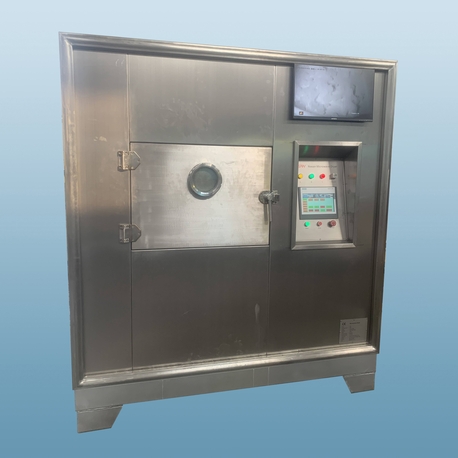
Fresh mushrooms are incredibly perishable. For commercial growers and food processing facilities, the window between harvest and spoilage is unforgivingly short. Because mushrooms are roughly 90% water, they lose quality within days if not processed immediately.
This is where a professional mushroom dehydrator becomes an essential asset. It transforms a highly volatile crop into a stable, high-value commodity. Whether you are producing gourmet dried ingredients for restaurants, medicinal powders, or packaged retail snacks, the drying process dictates your final profit margin.
In the industrial sector, relying on the sun or basic convection ovens is no longer feasible. Consistency is king. Brands like Nasan have recognized this shift, developing drying technologies that prioritize energy efficiency and precise humidity control to maintain the mushroom's structural integrity.
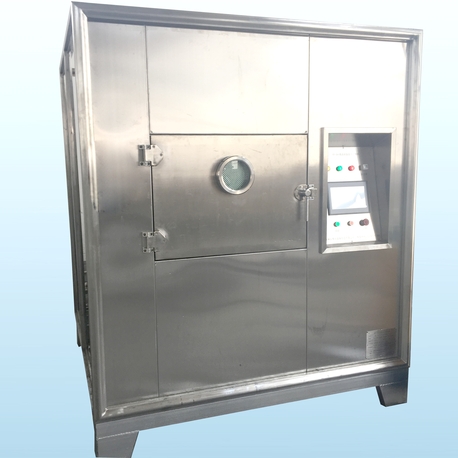
The Challenge of Moisture Management
Drying mushrooms isn't just about applying heat. If you apply high heat immediately, the outer layer of the mushroom hardens—a phenomenon known as "case hardening." This traps moisture inside, leading to rot from the center outwards even after the product looks dry.
Conversely, if the temperature is too low, enzymatic activity continues. This causes the mushrooms to oxidize, turning dark and unappealing. A dedicated mushroom dehydrator solves this by managing airflow and humidity simultaneously. The goal is to remove moisture from the core to the surface at a steady rate.
How Industrial Heat Pump Dryers Work
Modern commercial drying relies heavily on heat pump technology. Unlike traditional heating elements that burn massive amounts of electricity to generate heat, a heat pump moves existing heat. It works similarly to an air conditioner but in reverse.
The machine circulates air within a closed chamber. As the air passes over the mushrooms, it absorbs moisture. The system then passes this wet air over a cold evaporator coil, condensing the water and draining it away. The dry air is then reheated and sent back into the chamber.
This closed-loop system ensures that no heat is wasted. For large-scale operations, this can reduce energy bills by up to 70% compared to conventional electric, oil, or coal dryers.
Critical Stages of the Drying Process
To get a premium product, you cannot simply turn the machine on and walk away. The process requires a staged approach.
1. The Pre-heating PhaseBefore loading the trays, the drying chamber should be pre-heated to around 35°C (95°F). This prevents thermal shock and ensures immediate evaporation starts upon loading.
2. Constant Rate DryingOnce the mushroom dehydrator is loaded, the temperature is gradually increased to roughly 45°C to 50°C. During this phase, massive amounts of water are moving from the mushroom to the air. High airflow is critical here to sweep away the saturated air surrounding the trays.
3. The Deceleration PhaseAs the free water evaporates, the remaining moisture is bound within the cellular structure. The temperature is often raised slightly to 55°C or 60°C, but the humidity control becomes the priority. If the humidity drops too fast, the texture becomes brittle.
4. Final FinishingThe final stage brings the moisture content down to safe storage levels, typically below 12%. The temperature might be lowered slightly to preserve the aroma.
Selecting the Right Equipment
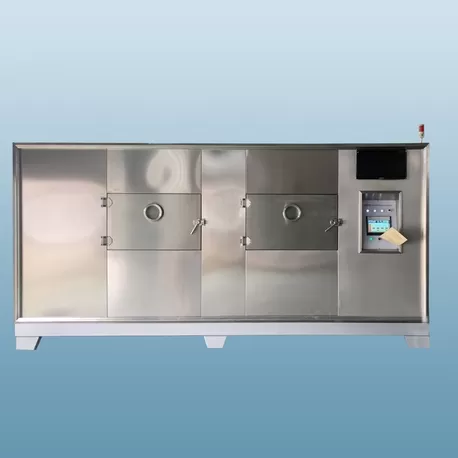
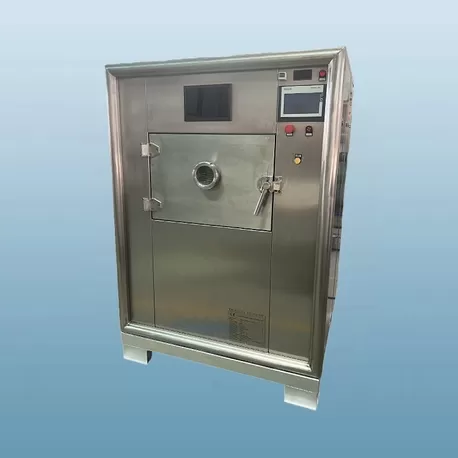
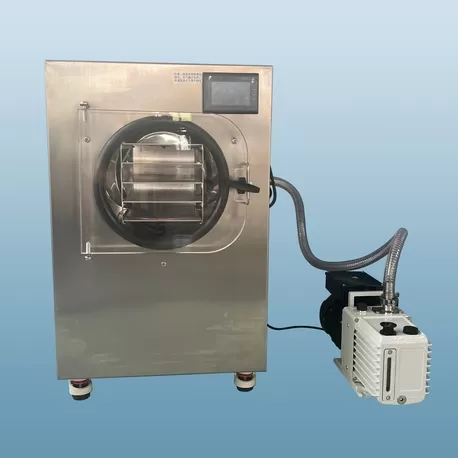
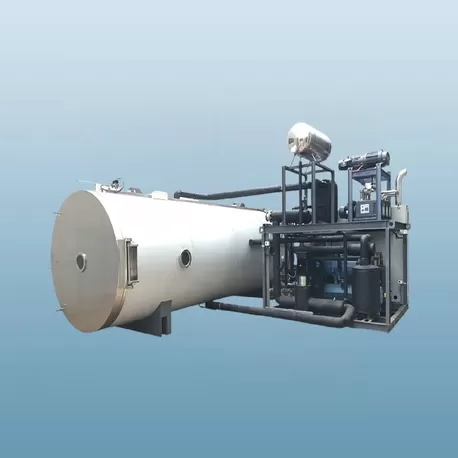
When evaluating a mushroom dehydrator for your facility, build quality is non-negotiable. Mushrooms are food products; therefore, the interior and trays must be made of food-grade 304 stainless steel. This prevents rust and contamination, ensuring compliance with international food safety standards.
Capacity is the next factor. Are you drying 100kg per batch or 5 tons? Trolley-based systems are popular for medium operations because they allow for easy loading and unloading. For massive outputs, continuous mesh belt dryers are the standard.
You also need to look at the control system. Manufacturers like Nasan often equip their machines with PLC (Programmable Logic Controller) touch screens. This allows operators to program specific "drying curves." You can set different temperatures and humidity levels for different time segments, automating the complex stages mentioned above.
Applications Beyond Culinary Use
While Shiitake, Oyster, and Button mushrooms dominate the culinary market, the scope of dehydration is much wider.
Medicinal MushroomsVarieties like Reishi, Turkey Tail, and Lion’s Mane are tough and woody. They are rarely eaten fresh. They must be dried and then ground into powders for supplements or teas. The drying temperature for these must be carefully controlled to prevent destroying heat-sensitive polysaccharides and triterpenes. A precise mushroom dehydrator ensures these medicinal compounds remain potent.
Pet Food IndustryDried mushroom stems or "ugly" mushrooms that don't meet retail aesthetic standards are increasingly used in premium pet foods for their immune-boosting properties.
Soup Mixes and SeasoningsDehydrated mushrooms are often pulverized into fine powders to create natural MSG alternatives (umami boosters) for soups and sauces. The dryer must ensure the mushroom is bone-dry to prevent clumping during the grinding process.
Operational Tips for Consistency
Preparation is just as important as the machine itself.
Uniform SlicingIf you are drying sliced mushrooms, the thickness must be uniform. A slice that is 5mm thick will dry much faster than one that is 8mm thick. If you mix them, you will end up with a batch where half are over-dried and half are still wet.
Tray DensityDo not overload the trays. Operators often try to squeeze in "just a little more" product to maximize output. This blocks airflow. If the air cannot touch the surface of the mushroom, it cannot dry it. Leave space for circulation.
CleanlinessMushrooms often come from the field with soil. However, washing them adds surface moisture that increases drying time. Many industrial processors use air blowers or soft brushes to clean the mushrooms rather than soaking them. If you must wash them, ensure they go through a spin cycle or air knife to remove excess water before entering the mushroom dehydrator.
Energy Efficiency and ROI
Investing in an industrial dryer is a significant capital expenditure. However, the Return on Investment (ROI) is calculated based on energy savings and product quality improvements.
Old-fashioned wood-fired or coal dryers are cheap to build but labor-intensive and dirty. They often result in smoky flavors or uneven drying, leading to a high rejection rate by buyers.
Electric heat pump dryers require a higher upfront cost but operate with minimal labor. Once the curve is programmed, the machine runs itself. The reduction in spoiled inventory and the ability to command a higher price for "Premium Grade" dried mushrooms usually pays for the machine within one to two years.
Troubleshooting Common Issues
Even with the best equipment, things can go wrong if the settings are incorrect.
Issue: Dark or Black MushroomsThis is usually caused by temperatures being too high at the start of the cycle, or the drying taking too long due to poor airflow. The enzymes have had time to oxidize.
Issue: Sour SmellIf the humidity inside the chamber isn't vented quickly enough, the mushrooms effectively "steam" or ferment instead of drying. Check your exhaust fans and dehumidification settings.
Issue: Loss of AromaDrying at extremely high temperatures (above 65°C) for prolonged periods can volatilize the aromatic compounds. Keep the temperature moderate.

Maintenance of Your Drying System
To keep your mushroom dehydrator running for a decade or more, regular maintenance is required.
The evaporator and condenser coils need to be cleaned regularly. Dust and spores from the mushrooms can clog these fins, reducing heat exchange efficiency. If the machine struggles to reach temperature, dirty coils are often the culprit.
Check the door seals. A commercial dryer relies on being a sealed system. If the gaskets are cracked, you are leaking energy and upsetting the humidity balance.
Inspect the fan bearings. These run continuously for days. Listen for grinding noises and lubricate or replace them as needed to prevent a mid-cycle failure.
The Future of Mushroom Processing
The global demand for dried foods is rising, driven by the need for longer shelf lives and lighter transport weights. Mushrooms are at the forefront of this trend due to their growing popularity as a plant-based meat alternative.
As the industry evolves, we are seeing smarter machines. Remote monitoring allows facility managers to check drying cycles from their phones. Data logging helps in proving food safety compliance to inspectors.
Companies that refuse to modernize their drying infrastructure risk being left behind. Utilizing a high-efficiency system from a reputable brand like Nasan places a producer in a strong position to supply large retail chains that demand consistency.
Drying mushrooms is an art that has been perfected by science. It allows farmers to stabilize prices, reduce waste, and reach global markets. The transition from simple sun-drying to using a sophisticated mushroom dehydrator is a hallmark of a maturing agricultural business.
By controlling temperature, airflow, and humidity with precision, you honor the effort that went into growing the crop. Whether you are processing delicate Morels or robust Shiitakes, the right machinery is the bridge between a perishable crop and a profitable product.
Common Questions (FAQ)
Q1: What is the ideal temperature for drying mushrooms in a commercial machine?
A1: Generally, a range between 45°C and 60°C (113°F - 140°F) is ideal. It is best to start lower (around 45°C) to prevent case hardening and gradually increase the temperature to 60°C to finish the drying process. Delicate mushrooms may require lower temperatures to preserve color.
Q2: How long does it take to dry mushrooms in an industrial dehydrator?
A2: The time varies based on the mushroom variety, slice thickness, and moisture content. Typically, sliced mushrooms take between 6 to 10 hours. Whole mushrooms, like shiitakes, can take anywhere from 12 to 18 hours. A heat pump system usually dries faster than conventional heating due to active dehumidification.
Q3: Can I dry different types of mushrooms at the same time?
A3: It is not recommended. Different mushrooms have different water contents and sizes. Drying them together often results in smaller mushrooms being over-dried while larger ones remain wet. For consistent quality, sort your batches by species and size.
Q4: How do I know when the mushrooms are fully dry?
A4: The mushrooms should snap easily when bent. If they are flexible or leathery, they still contain moisture. For commercial standards, the moisture content should be below 12% to prevent mold growth during packaging and storage.
Q5: Is a heat pump mushroom dehydrator more expensive to run than a gas dryer?
A5: No, it is generally much cheaper to operate. While the initial purchase price of a heat pump dryer might be higher, it is 3 to 4 times more energy-efficient than electric resistance or gas dryers because it recycles waste heat. The operational savings are significant over the long term.