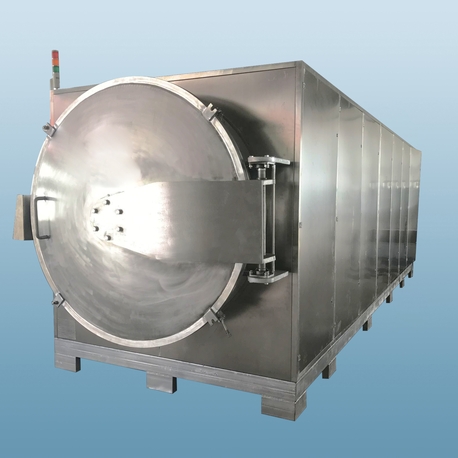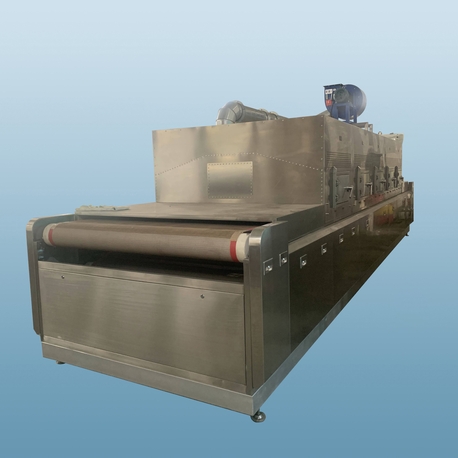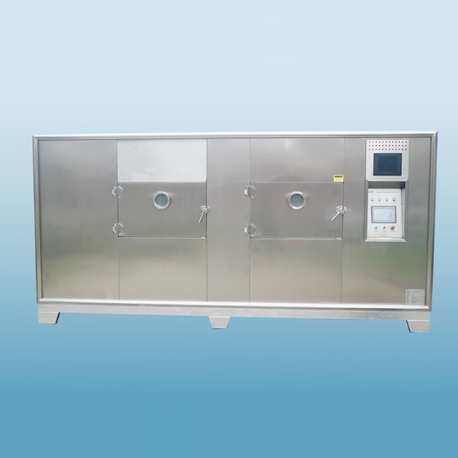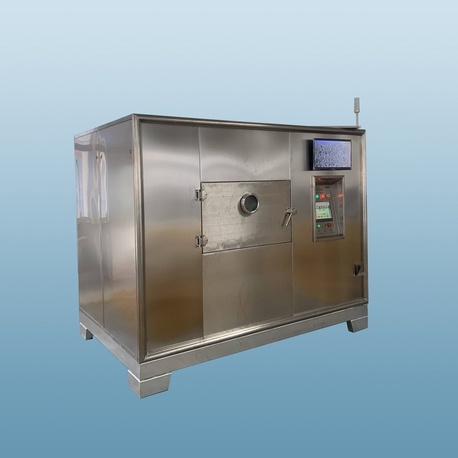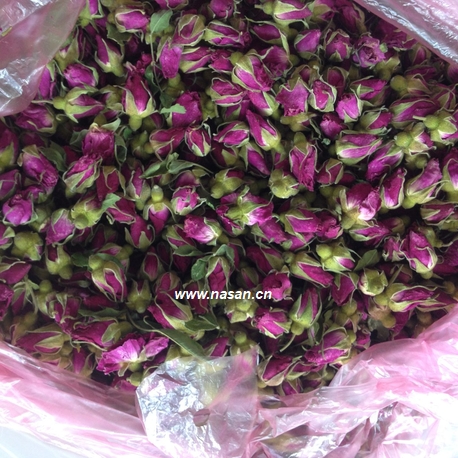

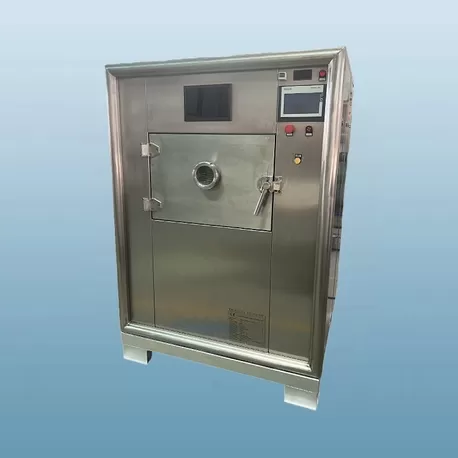
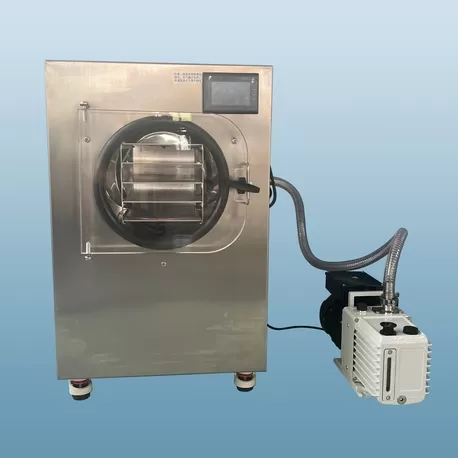
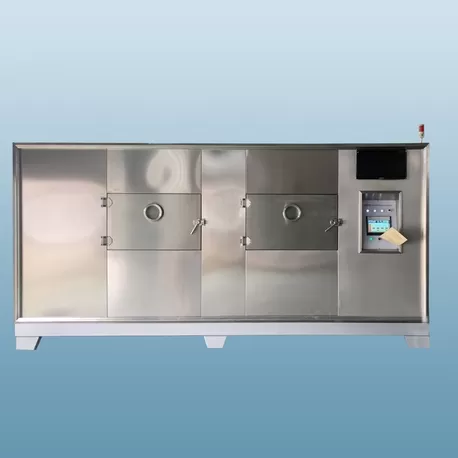
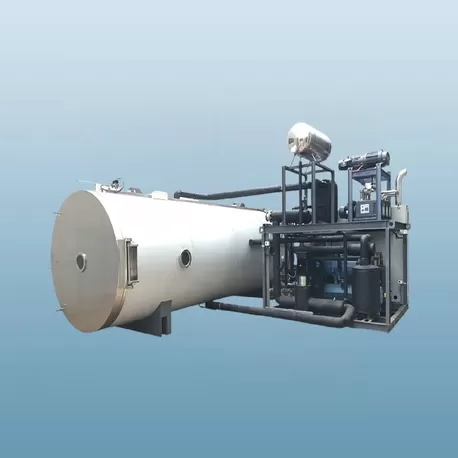
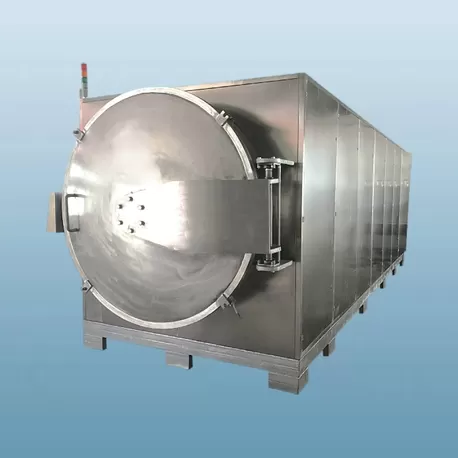
For growers, florists, and herbal product manufacturers, drying flowers is more than just removing moisture. It's a critical process that determines the final product's market value, visual appeal, and bioactive potency. Traditional air-drying methods are slow and weather-dependent, often leading to mold, faded colors, and inconsistent results. A modern industrial flower dryer solves these problems. It provides a controlled, efficient environment to preserve nature's delicate beauty at commercial scale. Leading manufacturers like Nasan have developed specialized drying technology that meets the unique demands of this sensitive application.

Today's high-performance dryers move far beyond simple heated air. They integrate precise engineering to handle delicate botanical structures. The core challenge is removing water quickly while maintaining cellular integrity, vibrant color, and essential oils.
Advanced systems use a combination of controlled temperature, airflow, and often, dehumidification. The process is carefully calibrated to different flower types. This ensures petals don't wilt or crumble, and stems dry evenly. The right flower dryer acts as a time capsule, locking in peak bloom perfection.
Heat is necessary, but too much is destructive. Industrial dryers for flowers operate at relatively low temperatures, typically between 30°C to 50°C (86°F to 122°F). The exact setting depends on the flower's sensitivity.
Dehumidification: Actively removing moist air from the chamber accelerates drying without raising temperature excessively.
Programmable Stages: Sophisticated units allow for multi-stage programs. An initial higher airflow phase can be followed by a gentler, lower-temperature finish.
Uniform Airflow: Even air distribution is non-negotiable. It prevents pockets of humidity that can cause rot and ensures every bloom in a batch dries at the same rate.
Investing in a dedicated system offers transformative benefits for any business dealing with dried flowers, whether for decoration, culinary use, or extraction.
Superior Product Quality: Preserves natural colors, shapes, and delicate structures far better than sun-drying or basic oven methods. Flowers look more vibrant and lifelike.
Dramatically Reduced Drying Time: Cuts drying from weeks to hours or days. This speeds up production cycles, improves cash flow, and reduces the risk of loss during long drying periods.
Consistent, Repeatable Results: Once the optimal settings for a flower type are found, every batch can be replicated exactly. This builds brand reliability.
Year-Round, Weather-Independent Operation: Production is no longer at the mercy of humidity or rain. It enables consistent output regardless of the season.
Higher Throughput in Less Space: Stackable trays and optimized chamber designs allow for drying large volumes in a compact footprint compared to vast air-drying rooms.
These advantages directly translate to a better bottom line and a more competitive product on the shelf. Companies like Nasan engineer their dryers with these specific commercial outcomes in mind.
Industrial flower drying technology serves a diverse range of markets. Each sector has specific quality requirements that a well-designed dryer must meet.
This includes blooms for dried floral arrangements, wreaths, and potpourri. Aesthetic qualities are paramount.
Roses, Lavender, Statice: Color retention is critical.
Baby's Breath, Gypsophila: Maintaining delicate, cloud-like structure without clumping.
Hydrangeas: Preventing browning and preserving the full, rounded shape of the flower head.
Edible flowers must be dried hygienically while preserving flavor and color. This category is growing rapidly in the food and beverage industry.
Chamomile, Hibiscus, Jasmine: Used for herbal teas; essential oils and aroma must be retained.
Calendula, Lavender (culinary grade): Used as ingredients or garnishes; require food-safe drying conditions.
This is perhaps the most demanding application, where preserving active compounds (like cannabinoids or terpenes) is the primary goal, alongside visual quality.
Cannabis and Hemp: Precise control over temperature and humidity is vital to preserve THC/CBD content and the unique terpene profile that defines each strain's effects and flavor.
Echinacea, Calendula: Dried for medicinal extracts and tinctures.
How does modern technology compare to age-old practices? The differences in output quality, speed, and scale are substantial.
Air drying is the oldest method. Flowers are hung upside down in a dark, dry, well-ventilated area. While low-cost, it has major drawbacks for commercial use.
Time: Takes 2-4 weeks, tying up capital and space.
Consistency: Highly variable. Flowers on the outside of a bundle dry faster than those inside. Dust and pests can be a problem.
Quality Risk: High chance of mold in humid conditions. Colors often fade significantly.
A dedicated flower dryer eliminates these uncertainties, providing a clean, controlled, and predictable process.
Using a standard food oven is an improvement in speed but often a step backward in quality.
Temperature Control: Most ovens cannot maintain the low, steady temperatures required. They often overheat, cooking the flowers and destroying volatiles.
Airflow: Lack of dedicated airflow leads to uneven drying and hot spots.
Scale: Completely impractical for anything beyond tiny, experimental batches.
Industrial dryers are designed specifically for the task, with precision controls that basic ovens lack.
Not all dryers are suitable for delicate flowers. When evaluating equipment, prioritize these features.
Precise Temperature Range: Look for a range that starts at ambient or slightly above (30°C) and goes up to about 60°C, with accurate control.
Forced Air Circulation with Adjustable Fans: This is essential for uniformity. Variable speed allows gentle drying for the most delicate petals.
Stainless Steel Construction: Ensures a food-safe, hygienic, and corrosion-resistant interior that is easy to clean.
Programmable Logic Controller (PLC): Allows you to save and repeat custom drying programs for different flower species, ensuring consistency.
Energy Efficiency: Heat pump technology, like that used in some Nasan dryers, can dramatically reduce operating costs by recycling heat and dehumidifying efficiently

The shift from traditional methods to controlled industrial drying is a clear progression for any serious business. The ability to preserve color, form, and potency consistently and at scale is a powerful competitive advantage. An industrial flower dryer is not just a piece of equipment; it's a quality control instrument that protects your raw material investment and enhances your final product.
For operations looking to standardize quality, increase throughput, and bring a superior product to market, exploring the engineered solutions from specialists like Nasan is a logical and profitable next step. The right dryer transforms a fragile, perishable bloom into a stable, beautiful, and valuable commodity.
Q1: What is the average drying time for flowers in an industrial dryer?
A1: Drying time varies greatly by flower type, density, and initial moisture content. Delicate petals may dry in 4-8 hours, while dense, moisture-rich blooms like large roses or cannabis buds may take 48-72 hours in a low-and-slow cycle. It is significantly faster than air drying, which takes weeks.
Q2: Can I use the same dryer for different types of flowers?
A2: Yes, a high-quality industrial dryer is versatile. The key is programmability. You can create and save different drying profiles (temperature, humidity, fan speed, duration) for lavender, roses, chamomile, etc. This allows one machine to handle a diverse product range efficiently.
Q3: Will machine-drying cause flowers to lose their fragrance?
A3: On the contrary, proper low-temperature drying helps trap essential oils within the plant material. High heat destroys fragrance. A well-calibrated dryer preserves aroma much more effectively than sun-drying (which bleaches scent) or inconsistent air-drying.
Q4: How do I prevent flowers from becoming brittle during drying?
A4: Brittleness is usually a sign of excessive heat or overly rapid drying. The solution is to use lower temperatures and ensure proper humidity control in the chamber. Some advanced dryers have humidity settings to prevent the interior atmosphere from becoming too arid too quickly.
Q5: Is an industrial flower dryer a large investment? What's the ROI?
A5: Initial cost is higher than simple racks. However, the return on investment comes from multiple directions: vastly reduced product loss from mold, higher selling prices due to superior quality, increased production capacity, and year-round operation. For a commercial operation, the ROI is often realized in a single season or production cycle.