
News Categories

Hot Articles

Vacuum Dryer Guide: Technology, Benefits, and Industrial Applications

Source:NASAN
Published on:2026-02-07 10:54:37
Vacuum Dryer Guide: Technology, Benefits, and Industrial Applications

In industrial processing, removing moisture from sensitive materials demands precision. A vacuum dryer provides an effective solution by drying products at low temperatures. This technology is vital for industries like pharmaceuticals and fine chemicals where heat can degrade quality. Brands such as Nasan engineer these systems for reliability and efficiency. This article explains how vacuum dryers function, where they are used, and what makes them a preferred choice.

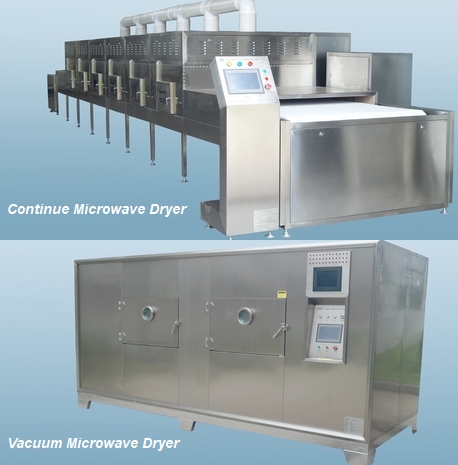
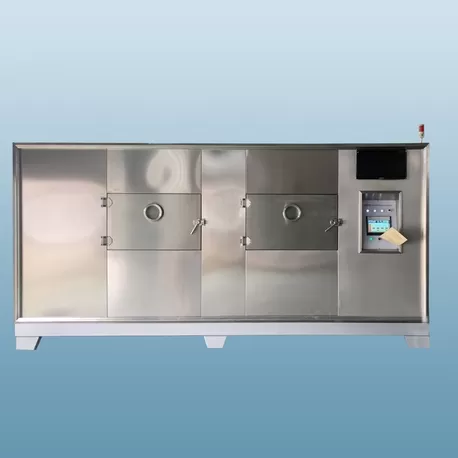
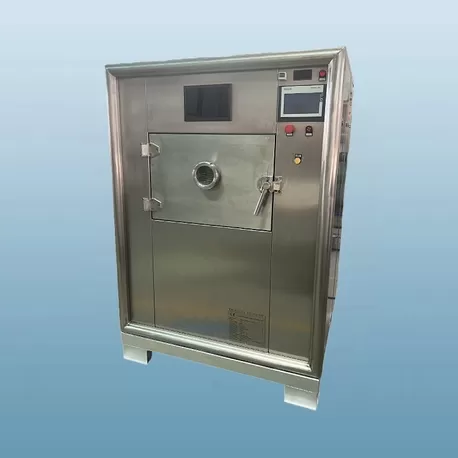
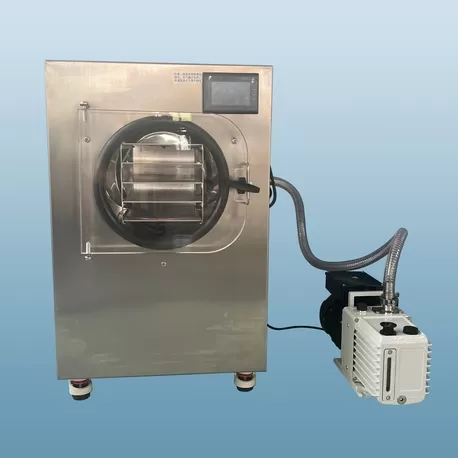
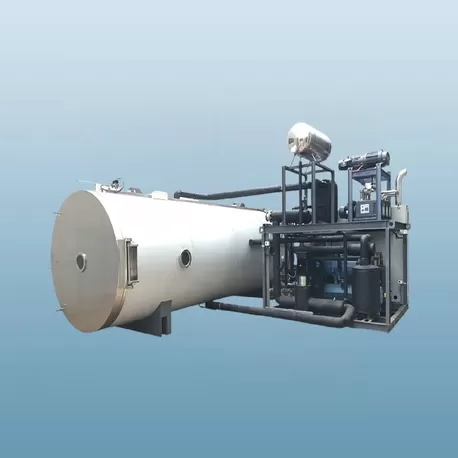
vacuum dryer

How Does a Vacuum Dryer Work? Technical Principles Explained

A vacuum dryer operates on a straightforward but effective principle. It reduces the pressure inside the drying chamber, which lowers the boiling point of water or solvents. This allows moisture to evaporate at much lower temperatures than at atmospheric pressure. The system then removes the vapor, resulting in gentle and thorough drying.

The Role of Pressure Reduction and Heat Transfer

Creating a vacuum is the first critical step. A pump removes air and gases from the sealed chamber. This pressure drop is what enables low-temperature evaporation. Heat is usually applied through jacketed walls or shelves to provide the necessary energy for phase change. The combination ensures efficient drying without overheating the product.

  • Pressure Control: Precise vacuum levels are maintained for consistent results.

  • Indirect Heating: Heated surfaces transfer thermal energy to the product.

  • Vapor Removal: Condensers and vacuum pumps continuously extract evaporated moisture.

Key System Components

A typical industrial vacuum dryer consists of several integrated parts. The main chamber is a robust, sealed vessel designed to withstand pressure changes. Heating shelves or a jacket surround the product area. A vacuum generation system, including pumps and condensers, manages the atmosphere inside. Advanced controls monitor temperature and pressure throughout the cycle.

Manufacturers like Nasan focus on component durability and system integration. This ensures consistent performance and reduces maintenance needs over the dryer's lifespan.

Primary Advantages of Using an Industrial Vacuum Dryer

Choosing a vacuum dryer offers distinct benefits over conventional thermal dryers. These advantages are particularly important for high-value or delicate materials. The process enhances product quality, improves safety, and can lead to significant operational savings.

Product Quality and Safety

The low-temperature drying environment is the biggest advantage. It prevents thermal degradation, preserving a material's active ingredients, color, flavor, or structure. This is crucial for pharmaceuticals and food products. The closed system also minimizes oxidation risks and limits operator exposure to dust or solvents.

  • Prevents decomposition of heat-sensitive compounds.

  • Maintains consistent product morphology and potency.

  • Reduces fire and explosion hazards when drying flammable solvents.

Operational Efficiency and Control

Despite longer cycle times compared to some methods, vacuum drying offers superior efficiency in other ways. It often achieves lower final moisture content. The process is highly repeatable, with precise control over all parameters. This reduces batch-to-batch variation and product loss.

Modern systems, including those from Nasan, feature automated controls. These systems optimize the drying cycle, saving energy and labor. The ability to recover solvents can also provide economic and environmental benefits.

Where Are Vacuum Dryers Used? Key Application Areas

The unique capabilities of vacuum dryers make them indispensable across several high-tech industries. Their application is driven by the need for gentle, contaminant-free drying. From creating life-saving drugs to advanced ceramics, this technology plays a key role.

Pharmaceutical and Biotechnology Industries

This is one of the most critical applications. Vacuum dryers are used to produce antibiotics, vaccines, and sterile powders. They ensure the stability of active pharmaceutical ingredients (APIs). The closed system also helps meet stringent hygiene and containment standards required in GMP facilities.

Drying bulk powders, granules, or even coating pellets are common tasks. The gentle process helps maintain the precise crystalline form of a drug, which directly impacts its efficacy.

Chemical and Food Processing

In chemical manufacturing, many intermediates and final products are sensitive. A vacuum dryer safely removes moisture or organic solvents from catalysts, pigments, and polymers. In food processing, it is used for high-value ingredients like flavors, vitamins, and certain extracts where heat would destroy delicate aromas and nutrients.

  • Fine Chemicals: Drying of catalysts, dyes, and advanced polymer resins.

  • Food Ingredients: Preservation of natural colors, flavors, and heat-sensitive nutrients.

  • Herbal Extracts: Producing stable, potent powdered extracts from botanical materials.

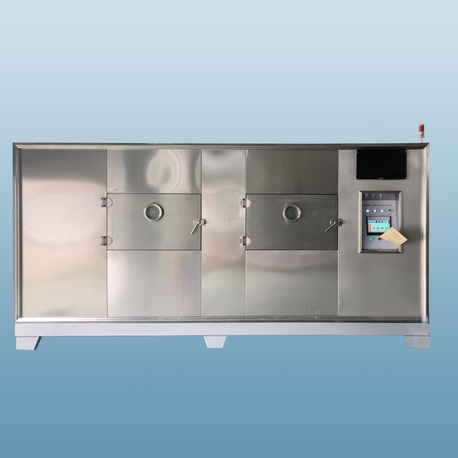
vacuum dryer

Comparing Vacuum Drying to Other Industrial Drying Methods

Selecting the right dryer requires understanding the alternatives. Vacuum drying is often compared to spray drying, freeze drying, and conventional convective drying. Each has its place, defined by the product needs and cost considerations.

Vacuum vs. Spray Drying and Freeze Drying

Spray drying is a continuous, high-throughput method but uses high inlet air temperatures. It's less suitable for extremely heat-sensitive materials. Freeze drying (lyophilization) offers excellent quality preservation but is typically more expensive and has slower cycles than vacuum drying. Vacuum drying strikes a balance, offering gentle processing at a lower operational cost than freeze drying for many applications.

Vacuum vs. Convection Oven Drying

Standard oven dryers use hot air circulating at atmospheric pressure. They are simpler and cheaper but apply more thermal stress. For products where quality is paramount, the vacuum dryer is superior. The table below highlights key differences:

  • Drying Temperature: Vacuum: Low (30-80°C). Convection: High (80-200°C).

  • Risk of Oxidation: Vacuum: Very Low. Convection: High.

  • Solvent Recovery: Vacuum: Easy. Convection: Difficult.

  • Energy Efficiency: Vacuum: High for heat-sensitive materials. Convection: Can be lower due to heat loss.

Brands like Nasan provide solutions that maximize these advantages, offering robust construction and efficient designs that improve the overall cost-effectiveness of vacuum drying.

An industrial vacuum dryer is a specialized tool for challenging drying tasks. Its ability to dry heat-sensitive materials effectively and safely makes it a cornerstone in pharmaceuticals, chemicals, and food production. By understanding its working principles and benefits, operators can better leverage this technology. Investing in a well-designed system from a reputable manufacturer like Nasan ensures product integrity, operational safety, and long-term reliability for critical industrial processes.

Frequently Asked Questions (FAQs)

Q1: What is the main difference between a vacuum dryer and a regular oven dryer?

A1: The core difference is the drying environment. A vacuum dryer removes air to create a low-pressure chamber, allowing evaporation at low temperatures. A regular oven dryer uses hot air at atmospheric pressure, requiring higher temperatures. This makes vacuum drying gentler and better for sensitive materials.

Q2: Can a vacuum dryer handle solvent-based products?

A2: Yes, this is one of its strengths. The closed system allows for safe evaporation and recovery of organic solvents. Condensers capture the solvent vapors, which can often be reused. This enhances safety by minimizing exposure and explosion risks.

Q3: Are vacuum dryers energy-efficient?

A3: They can be very efficient for specific applications. While the vacuum pump requires energy, the low drying temperatures often mean less total thermal energy is needed compared to high-temperature methods. Features like insulated chambers and heat recovery in advanced models, like some from Nasan, further improve efficiency.

Q4: What types of materials are NOT suitable for vacuum drying?

A4: Materials that are not sensitive to heat and require very fast, high-volume drying might be better suited for other methods like spray or flash drying. For example, drying large volumes of minerals or certain plastics might be more cost-effective with conventional dryers if product quality isn't compromised.

Q5: How important is maintenance for a vacuum dryer?

A5: Regular maintenance is crucial for reliability and consistent performance. Key tasks include checking door seals for integrity, maintaining the vacuum pump (oil changes, filter replacements), and cleaning the condenser. Following the manufacturer's schedule, such as that provided by Nasan, prevents unplanned downtime and extends equipment life.

Related News

More +