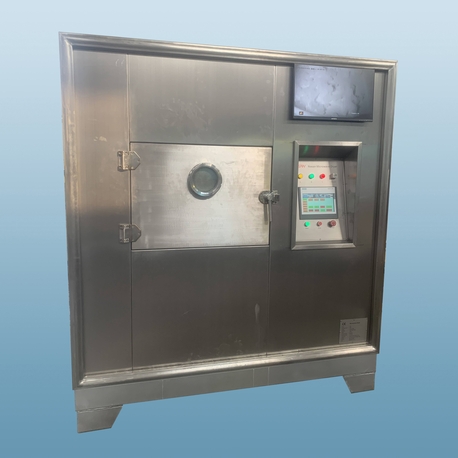
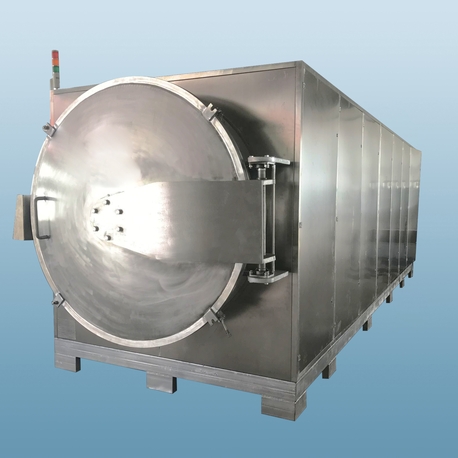
The global demand for preserved foods has surged in recent years. Consumers are looking for healthy snacks that offer convenience without sacrificing nutritional value. For food processing factories and agricultural cooperatives, meeting this demand requires moving beyond traditional sun drying. Investing in a high-performance fruit dryer is the most effective way to scale production while maintaining consistency.
Dried fruit commands a higher market price and has a significantly longer shelf life than fresh produce. However, achieving the perfect texture and color requires precise control over humidity and temperature. This is where industrial-grade equipment separates professional operations from small-scale hobbyists.
Brands like Nasan have observed this shift in the market. Processors now prioritize energy efficiency and automation over manual labor. A modern drying system is not just a machine; it is a complete solution for value-added agriculture.

The Evolution of Commercial Dehydration
Historically, drying fruit was a weather-dependent gamble. An unexpected rainstorm could ruin tons of produce. Open-air drying also exposed food to dust, insects, and variable temperatures. This often resulted in inconsistent product quality.
Modern industrial drying eliminates these variables. By using a closed-loop system, processors can operate 24 hours a day, regardless of the season. This reliability is crucial for businesses that have contracts with supermarkets or export partners.
A dedicated fruit dryer allows for the processing of seasonal gluts. When harvest yields are high and fresh prices drop, drying preserves the inventory. This inventory can then be sold when market prices recover.
Mechanics of a Heat Pump Fruit Dryer
In the commercial sector, heat pump technology has become the gold standard. Unlike traditional electric heating coils or coal-fired boilers, heat pumps recover energy. They work similarly to an air conditioner but in reverse.
The system draws moisture out of the food and condenses it into water, which is drained away. The latent heat is then recycled back into the drying chamber. This process is significantly more energy-efficient than venting hot air outside.
For a business, this translates to lower operational costs. Electricity often represents the largest expense in dehydration. Reducing this cost directly improves the profit margin on every kilogram of dried fruit produced.
Critical Steps in the Drying Operation
Operating a fruit dryer involves more than just flipping a switch. The process begins with material selection. Fruit must be sorted for ripeness to ensure uniform drying. Over-ripe fruit may become mushy, while under-ripe fruit lacks flavor.
Washing and peeling are the next standard procedures. For fruits like apples or bananas, slicing requires precision. Uniform slice thickness ensures that every piece dries at the same rate. This prevents a scenario where some pieces are brittle while others remain damp.
Once prepared, the fruit is loaded onto trays. Proper spacing is vital. Overloading trays blocks airflow, leading to "dead zones" inside the chamber where moisture lingers.
Importance of Airflow and Circulation
Heat creates the potential for evaporation, but airflow drives the process. A static oven will cook the fruit rather than dry it. Industrial machines utilize complex fan systems to circulate air across every tray.
Turbulence is actually a benefit in this context. It disrupts the boundary layer of moisture surrounding the fruit slices. This allows fresh, dry air to contact the surface and wick away water.
Advanced systems employ 360-degree circulation. This ensures that trays in the corners receive the same airflow as trays in the center. Without this, operators must manually rotate racks, which increases labor costs.
Temperature Control and Nutritional Preservation
One of the biggest challenges in food processing is preserving vitamins and enzymes. High temperatures destroy Vitamin C and can alter the natural sugar structure, leading to a burnt taste.
A commercial fruit dryer should operate within a specific temperature range, typically between 40°C and 75°C. Lower temperatures are used in the initial stages to prevent "case hardening."
Case hardening occurs when the outside of the fruit dries too fast, forming a crust. This crust traps moisture inside, leading to spoilage during storage. Gradual temperature ramping is the solution to this problem.
Addressing Common Processing Challenges
Even with good equipment, operators face challenges. Color retention is a primary concern. Apples and pears oxidize quickly, turning brown. While sulfur treatments are common, many modern consumers prefer additive-free options.
Controlled drying speeds can mitigate oxidation. By removing moisture rapidly in the early phase without excessive heat, the fruit retains its natural hue.
Another issue is energy waste during low-capacity cycles. Manufacturers like Nasan often design their systems with modular controls. This allows operators to run the machine efficiently even if it is not fully loaded, adjusting power consumption to match the actual load.
While the keyword is fruit dryer, these machines are versatile assets. They serve multiple sectors within the food industry.
Vegetable dehydration is a massive market. Dried onions, garlic, and tomatoes are essential ingredients for spice blends and instant meals. The same machine used for mangoes can often be adjusted for vegetables.
Herbs and flowers also require drying. However, these delicate items need strictly low temperatures to preserve volatile oils and fragrances. The precision of industrial heat pumps makes them suitable for high-value crops like saffron or mint.
Meat products, such as jerky or pet treats, also utilize this technology. The principles of moisture removal remain the same, though sanitation protocols may differ.
Energy Efficiency and ROI Analysis
When evaluating a purchase, the Return on Investment (ROI) is the deciding factor. The initial price of the machine is only one part of the equation. Running costs over five years often exceed the purchase price.
Heat pump dryers typically use 70% less energy than oil-burning dryers and 40% less than simple electric heaters. For a factory running continuously, these savings are substantial.
Furthermore, government incentives for green technology often apply to heat pump systems. Switching away from fossil fuels can open doors to grants or tax breaks in many jurisdictions.
Installation and Factory Layout
Integrating a fruit dryer into a production line requires planning. The machine needs adequate space for air intake and exhaust. There must also be room for workers to load and unload trolleys.
Proximity to the preparation area is important. Moving wet fruit long distances increases the risk of contamination. Ideally, the slicing machine should feed directly toward the dryer loading zone.
Ventilation in the room is also key. Even though the machine condenses water, some ambient heat will escape. Keeping the facility cool ensures a comfortable working environment for staff.
Maintenance for Long-Term Reliability
Industrial machinery requires maintenance to perform at peak levels. The air filters are the most critical component to check. Dust and debris can clog the intake, forcing the fans to work harder and reducing efficiency.
Condenser coils should be cleaned regularly. If these coils are coated in grime, the heat exchange process becomes inefficient. This leads to longer drying times and higher electricity bills.
Tray cleanliness is also a food safety issue. Stainless steel trays are the industry standard because they are durable and easy to sanitize. Plastic trays may degrade over time under heat stress.
Customizing Solutions for Specific Crops
Different fruits have different biological structures. A blueberry has a waxy skin that resists water loss, while a sliced strawberry is porous.
A generic setting does not work for everything. Advanced controllers allow users to save "recipes." A recipe might specify a high fan speed for the first two hours, followed by a low-temperature hold phase.
This customization is where manufacturers distinguish themselves. Companies like Nasan provide support to help clients dial in these parameters. Understanding the specific moisture content of the raw material is essential for programming the machine correctly.

The Future of Food Dehydration
The industry is moving toward smart technology. Internet of Things (IoT) integration allows managers to monitor drying cycles remotely. Alerts can be sent to a smartphone if a temperature spike occurs.
Sustainability is the other major trend. Solar-assisted heat pumps are gaining traction in sunny climates. These hybrid systems use free solar energy during the day and grid power at night.
As supply chains become more concerned with carbon footprints, the energy efficiency of the fruit dryer becomes a marketing point for the final product. Sustainable processing appeals to eco-conscious retailers.
Investing in the right dehydration technology is a pivotal decision for any food processor. It transitions a business from a seasonal operation to a year-round supplier. The ability to control texture, flavor, and shelf-life defines the success of a dried fruit brand.
From energy-saving heat pumps to intelligent airflow designs, the technology has matured significantly. It offers a tangible solution to food waste and opens new revenue streams. Whether you are drying mangoes in the tropics or apples in temperate zones, the equipment dictates the quality.
Reliable partners are necessary for this journey. Manufacturers such as Nasan continue to refine these systems, ensuring that producers have the tools needed to compete on a global stage. By selecting a high-quality fruit dryer, businesses secure their future in the competitive food industry.
Frequently Asked Questions
Q1: How long does it typically take to dry fruit in a commercial machine?
A1: The duration varies significantly based on the sugar content, water content, and slice thickness of the fruit. Generally, sliced apples or lemons may take 10 to 15 hours, while whole fruits or high-sugar items like figs might require 20 to 30 hours.
Q2: What is the difference between a heat pump dryer and a conventional electric dryer?
A2: A conventional electric dryer uses heating elements to generate heat and vents the moist air out, which wastes energy. A heat pump fruit dryer recycles the waste heat and condenses the moisture, making it roughly 3 to 4 times more energy-efficient.
Q3: Can different types of fruit be dried simultaneously in the same batch?
A3: It is not recommended. Different fruits have different humidity release rates and aroma profiles. Drying strong-smelling fruits like durian with mild fruits like apples can lead to cross-contamination of flavors, and uneven drying times may spoil the faster-drying batch.
Q4: How does the dryer affect the nutritional content of the fruit?
A4: Industrial dryers allow for precise low-to-medium temperature control (usually 40°C-60°C). This gentle process retains most vitamins, minerals, and enzymes compared to high-heat methods or direct sun exposure, which destroys UV-sensitive nutrients.
Q5: What maintenance is required for an industrial fruit dryer?
A5: Routine maintenance involves cleaning the air filters, sanitizing the stainless steel trays after every batch, checking the condenser fins for dust buildup, and inspecting the fan motors for smooth operation. Regular checks ensure consistent energy efficiency.