I remember walking into a mid-sized pasta facility in New Jersey about ten years ago. The floor was covered in what looked like shattered glass, but it was actually hundreds of pounds of penne. They had rushed the drying process. The surface of the pasta had hardened too quickly, trapping moisture inside. A few hours after packaging, the internal pressure caused the pasta to literally explode.
Drying is the single most critical stage in pasta production. You can have the best semolina and the most expensive extruders, but if your drying curve is off, your product is worthless.
Choosing the right equipment is not just about heat; it is about moisture management. In this industry, we often say that you don't dry pasta; you stabilize it. Whether you are scaling up a boutique noodle operation or retrofitting a massive continuous line, the pasta dryer you select will dictate your breakage rates, your energy bills, and your shelf life.
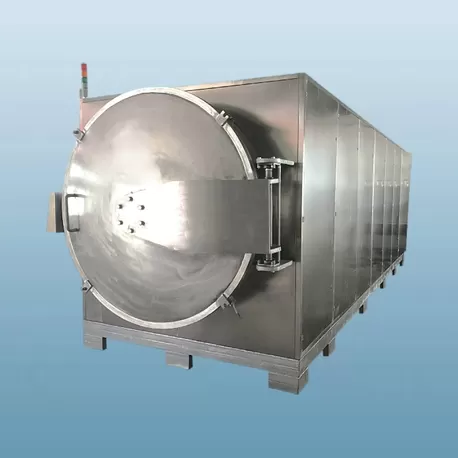
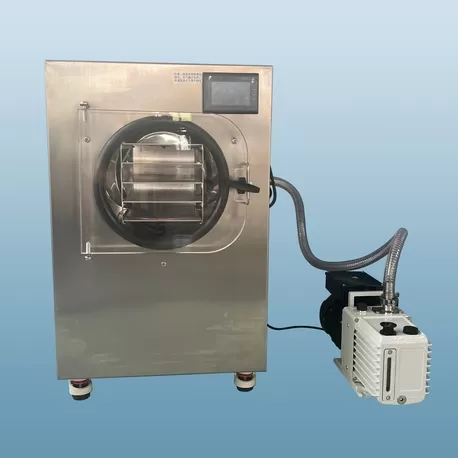
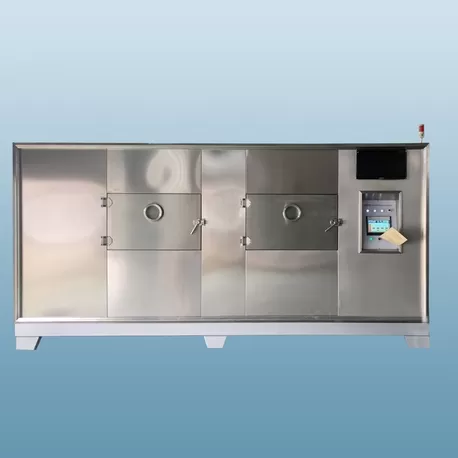
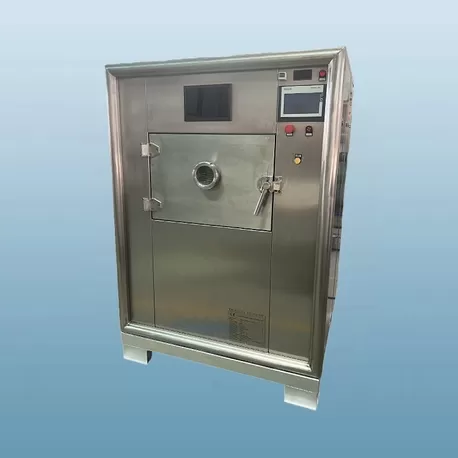
Brands like Nasan have been pushing the envelope on what is possible with modern drying technology, but before you cut a check, you need to understand the mechanics behind the machine.

Understanding the "Glass Transition" Phase
To pick the right machine, you have to understand the chemistry. Pasta is not like drying fruit or wood. It is a starch lattice. As it dries, it moves from a rubbery state to a glassy state.
If this transition happens unevenly—say, the outside becomes "glass" while the inside is still "rubbery"—you create mechanical stress. This is what we call "checking."
A high-quality pasta dryer must have precise zoning controls. It needs to be able to maintain high humidity in the early stages. It sounds counterintuitive to keep the air wet when you are trying to dry something, but it is necessary to keep the pores of the dough open so deep moisture can migrate to the surface.
Comparing Static Chambers vs. Continuous Tunnel Pasta Dryers
The first big decision you face is the architecture of the line.
Static Drying Chambers (Batch Systems):These are essentially large, sophisticated ovens. You load trolleys full of trays, push them in, and run a recipe program.
Pros: Great for short runs, specialty shapes (like nests or lasagna sheets), and changing recipes frequently.Cons: Labor intensive. Inconsistent airflow if the trays are stacked too densely.
Continuous Tunnel Dryers:This is where the money is made in high-volume production. The product travels on a belt through different climate zones.
Pros: Zero labor handling. Extremely consistent results.Cons: Massive footprint. High CAPEX.
If you are producing over 500kg per hour, you need a continuous system. I have seen hybrid setups where companies use a continuous pre-dryer (shaker) to set the shape, and then finish in static chambers to save on space. However, companies utilizing advanced gear from manufacturers like Nasan often prefer the full continuous route because modern controls allow for faster throughput without the risk of cracking.
The Heat Source: Microwave vs. Hot Air
For decades, hot air was the only game in town. You heat air with gas or steam, blow it over the pasta, and vent the moist air out. It works, but it is slow. Spaghetti can take 12 to 24 hours to dry this way.
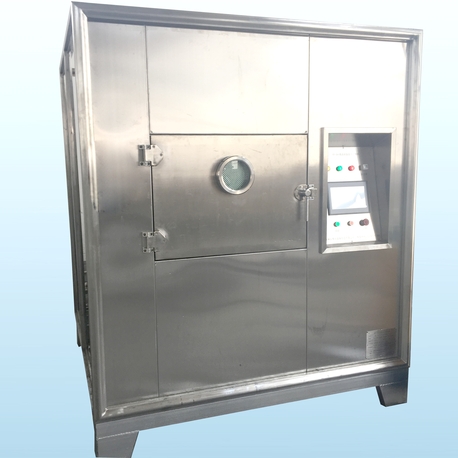
This is where the industry is shifting. Microwave pasta dryer technology is changing the math.
Microwaves don't heat the air; they heat the water molecules inside the pasta. This creates an internal steam pressure that pushes moisture to the surface. It is an "inside-out" drying process.
I have consulted for factories that switched to microwave-assisted drying and cut their processing time by 80%. Instead of 10 hours, they are done in under 2 hours.
This speed also has a secondary benefit: sterilization. The microwave energy effectively kills bacteria and mold spores, which is a massive advantage for fresh or semi-dry pasta products that need a longer shelf life without preservatives.
Why Airflow Management in a Pasta Dryer is Critical
You can have all the heat in the world, but if the air isn't moving correctly, you will have wet spots.
In a poorly designed chamber, you get "channeling." The air takes the path of least resistance, usually around the sides of the trolley or belt, leaving the pasta in the center untouched.
When evaluating a pasta dryer, look at the fan placement. Reversible airflow is a must-have feature for static dryers. This means the fans blow left-to-right for 30 minutes, then right-to-left for 30 minutes. This ensures that the pasta on the "windward" side doesn't dry faster than the pasta on the "leeward" side.
For tunnel dryers, look for vertical airflow impingement. This pushes air down through the pasta bed rather than just across the top. It ensures every noodle, even the ones buried at the bottom of the layer, gets treated equally.
Material Handling and Sanitation
Pasta dust is abrasive and, when wet, incredibly sticky (it is basically glue).
Your equipment needs to be built for war. I always tell clients to look for stainless steel 304 or 316 construction. Painted steel will eventually chip, and you do not want paint flakes in your fettuccine.
Look at the belt design. If you are using a tunnel dryer, you want a belt that is easy to clean. Intralox-style plastic belts are popular, but stainless steel mesh is better for heat transfer.
Most importantly, look for "Clean In Place" (CIP) capabilities. Can you wash down the interior without dismantling the whole machine? Brands like Nasan pay attention to these details, designing access doors and sloped floors so that washdown water drains away rather than pooling and creating a bacteria trap.
Energy Efficiency and Operational Costs of a Pasta Dryer
Energy is usually the second highest cost in pasta production after raw materials.
Old dryers are like sieves; they leak heat everywhere. Modern insulation is standard, but the real efficiency comes from humidity control.
You want a system with a good "exhaust strategy." If you vent the air too early, you are throwing away hot air that still has drying capacity. If you vent too late, the air is saturated and you stop drying.
Advanced dryers use dew point sensors to control the exhaust dampers. They only open the vent when the air is absolutely saturated.
Furthermore, if you choose electric options (like microwave systems), you eliminate the reliance on volatile natural gas prices. With the rise of industrial solar installs, an electric dryer can actually become cheaper to run in the long term than a gas-fired equivalent.
The Importance of the "Resting" Phase
Novices rush the end of the process. Once the pasta hits the target moisture content (usually 12.5% for dry pasta), you cannot just bag it immediately.
It is still hot. If you bag hot pasta, condensation forms inside the plastic, and you get mold.
A good industrial pasta dryer system includes a cooling and stabilization zone. This brings the product down to room temperature slowly. This final step also allows the remaining internal moisture to equalize throughout the pasta shape, further reducing the risk of those post-packaging cracks I mentioned earlier.

Selecting a Vendor and Support
Buying industrial machinery is like a marriage. You are going to be stuck with this vendor for 15 to 20 years.
Do not just look at the price tag. Look at the spare parts list. are the motors standard sizes I can buy at a local supply house, or are they proprietary custom units that take six weeks to ship from overseas?
Ask for reference customers. Go visit a plant that is running the machine you want to buy. Watch it run. Listen to it. Is it rattling? Is the operator frustrated?
Companies like Nasan have built a reputation not just on the hardware, but on the process engineering support. They help you dial in the recipe. Because let’s be honest, a dryer is only as good as the settings you program into it.
The market for pasta is evolving. Consumers want gluten-free, pulse-based, and high-protein pastas. These alternative flours behave very differently than traditional durum semolina. They are more brittle and harder to dry.
This makes your choice of pasta dryer even more critical. You need versatility. You need a machine that can handle a sturdy rigatoni today and a delicate lentil penne tomorrow.
Don't cut corners on the drying stage. It is the bridge between a raw dough and a sellable product. Whether you opt for the traditional reliability of hot air or the speed and efficiency of microwave technology from leaders like Nasan, ensure the engineering principles are sound. Your reputation is inside every bag that leaves your dock.
Frequently Asked Questions (FAQ)
Q1: What is the ideal temperature for drying pasta?
A1: There is no single "ideal" temperature; it depends on the method. Low-temperature drying (LT) typically happens around 40-50°C and preserves nutritional value but takes a long time. High-temperature (HT) drying operates at 70-85°C, and Ultra-High Temperature (UHT) can go above 90°C. HT and UHT create a stronger gluten network and better cooking resilience ("al dente" feel), which is why most industrial lines prefer higher temperatures.
Q2: How do I prevent my pasta from cracking (checking) after drying?
A2: Cracking is caused by the surface drying much faster than the core. To prevent this, you must use a "stepped" drying profile. This involves alternating between drying phases (low humidity) and resting/sweating phases (high humidity). The resting phases allow moisture from the center of the pasta to migrate to the dry surface, equalizing the tension.
Q3: How much energy does an industrial pasta dryer consume?
A3: This varies wildly by technology. A traditional gas-fired tunnel dryer might consume between 250 to 400 kcal per kg of evaporated water. Microwave systems operate differently; while electricity costs are higher per unit than gas, the efficiency is better because you aren't heating the air and steel structure, only the water. Generally, allow for 1.2 to 1.5 kW of connected power per kg of water evaporated for electric systems.
Q4: Can one pasta dryer handle both short-cut and long-cut pasta?
A4: Generally, no, not efficiently. Short-cut pasta (penne, fusilli) is usually dried on conveyor belts or in rotary drums (shakers). Long-cut pasta (spaghetti, fettuccine) must be hung on sticks (canes) to dry straight. If you dry spaghetti on a belt, it will warp and become "nests." Most factories have separate lines or specialized equipment for each type.
Q5: What are the signs that my pasta dryer is not performing correctly?
A5: The most obvious sign is inconsistent moisture content in the final batch. Visually, look for "white spots" on the dried pasta, which indicates areas that dried too fast. Also, perform a "stress test" by leaving a dried sample exposed to air; if it shatters within 24 hours, your dryer is inducing too much internal stress. Finally, the presence of sour smells indicates the drying was too slow, allowing fermentation to begin.