Industrial Fruit Dryer: Technology and Benefits for Commercial Drying
Source:NASAN
Published on:2026-02-26 15:26:34
Fruits are nutritious and delicious, but their high moisture content makes them perishable. Drying is one of the oldest preservation methods, now revolutionized by modern technology. An industrial fruit dryer is designed to remove water efficiently while maintaining flavor, color, and nutrients. This equipment is essential for businesses that produce dried snacks, ingredients, or value-added products. Companies like Nasan specialize in manufacturing reliable dryers that meet the rigorous demands of global food processing.
How an Industrial Fruit Dryer Works
Understanding the drying process helps in selecting the right equipment. An industrial fruit dryer uses controlled heat and airflow to evaporate moisture from fruits. The goal is to achieve uniform drying without damaging the product's quality.
The Science of Dehydration
Dehydration involves transferring heat to the fruit and removing water vapor. The process occurs in stages. First, surface moisture evaporates quickly. Then, internal moisture migrates to the surface and evaporates. This stage requires careful control to prevent case-hardening, where the exterior dries too fast and traps moisture inside.
Moisture Migration: Water moves from the interior to the surface due to temperature and humidity gradients.
Evaporation Rate: Controlled by air temperature, humidity, and velocity around the fruit.
Critical Moisture Content: The point where drying slows down, requiring adjusted conditions.
Temperature and Airflow Management
Precise temperature control is vital. Most fruits dry best between 50°C and 70°C. Higher temperatures can cause browning or nutrient loss. Lower temperatures preserve quality but extend drying time. Airflow ensures even heat distribution and carries away moist air. Industrial systems use fans and ducts to create consistent air patterns across all trays or belts.
Humidity control complements temperature management. Dryers exhaust humid air and sometimes introduce fresh, dry air. This maintains a high vapor pressure deficit, driving moisture removal. Advanced dryers from brands like Nasan integrate sensors and PLCs to automate these adjustments, optimizing the drying cycle for each fruit type.
Core Advantages of a Commercial Fruit Dryer
Investing in a professional dryer offers significant benefits over traditional methods. These advantages impact product quality, operational costs, and business scalability.
Superior Product Quality and Shelf Life
A well-designed fruit dryer preserves the natural characteristics of fruits. It maintains vibrant colors, intense flavors, and essential nutrients like vitamins and antioxidants. Proper drying inhibits microbial growth, extending shelf life to months or years without preservatives. This consistency builds brand trust and meets consumer demand for healthy snacks.
High Efficiency and Cost-Effectiveness
Industrial dryers handle large volumes in a single cycle. They reduce drying time by up to 70% compared to sun-drying or small batch units. This efficiency translates to higher throughput and lower energy costs per kilogram. Automated features minimize labor requirements. For example, conveyor systems allow continuous loading and unloading, maximizing productivity.
Scalable Production: Process from hundreds to thousands of kilograms daily.
Energy Savings: Insulated chambers and heat recovery systems cut energy use.
Reduced Waste: Uniform drying minimizes product loss due to spoilage or uneven quality.
Manufacturers like Nasan focus on designing dryers that balance performance with operational costs. Their expertise helps businesses achieve a quick return on investment.
Applications of Fruit Dryers in Various Industries
The use of industrial drying technology extends beyond basic fruit preservation. It enables innovation and adds value across multiple sectors.
In the food industry, dried fruits are popular as snacks, baking ingredients, and cereal components. They are also processed into powders for smoothies, baby food, and flavorings. The pharmaceutical and nutraceutical industries use dryers for fruit-based supplements and herbal extracts. Pet food manufacturers incorporate dried fruits into natural treats. Even the cosmetic sector uses fruit powders in organic products.
Comparing Different Types of Industrial Fruit Dryers
Selecting the right dryer depends on production scale, fruit variety, and desired product form. Understanding the options ensures a good fit for your operation.
Tray Dryers vs. Belt Dryers
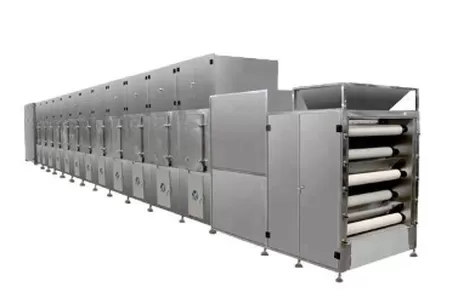
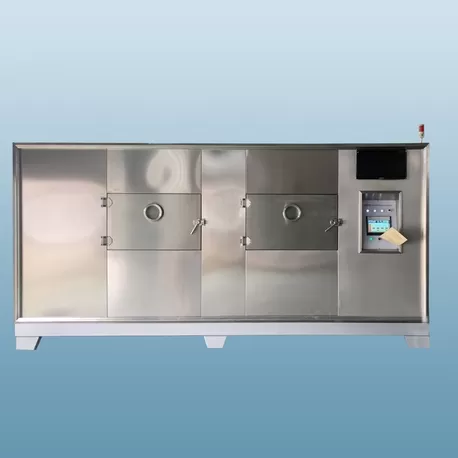
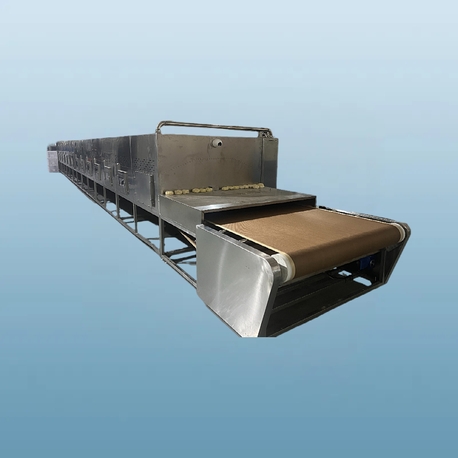
Tray dryers are versatile and suitable for small to medium batches. They allow easy loading and unloading of different fruits simultaneously. However, they may require more manual labor. Belt dryers, or conveyor dryers, are ideal for large-scale, continuous production. Fruits move on a belt through temperature zones, enabling fully automated processing. They excel in handling uniform products like slices or cubes.
Advanced Drying Technologies
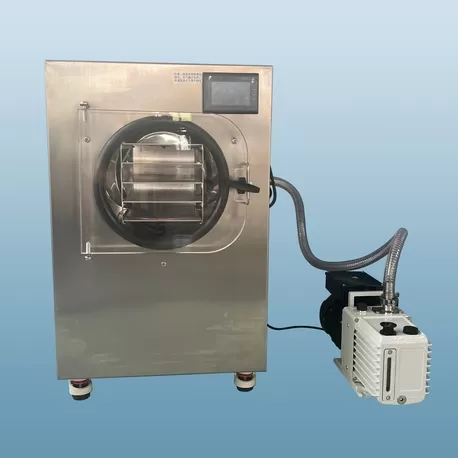
Heat pump dryers represent a leap in efficiency. They recycle heat within a closed system, drastically reducing energy consumption. These dryers operate at lower temperatures with precise humidity control. This technology is perfect for delicate fruits like berries or mangoes, preserving their aroma and color. Another innovation is vacuum drying, which removes moisture at low temperatures, though it is more costly and used for high-value products.
When evaluating an industrial fruit dryer, consider factors like flexibility, energy use, and maintenance needs. A supplier like Nasan offers a range of models, helping you choose based on your specific requirements.
Key Factors for Choosing a Fruit Dryer
Making an informed purchase requires assessing several technical and operational aspects. Focus on these criteria to find the best match for your business.
Temperature Range and Control: Ensure the dryer can maintain precise temperatures between 40°C and 80°C for various fruits.
Uniformity of Drying: Look for systems with even airflow distribution to prevent hotspots and uneven moisture content.
Capacity and Scalability: Match the dryer's throughput to your current and future production goals.
Hygiene and Materials: All food-contact surfaces should be stainless steel for easy cleaning and compliance with food safety standards.
Energy Efficiency: Check energy ratings and features like insulation or heat recovery to reduce operating costs.
Ease of Maintenance: Choose designs with accessible components for routine cleaning and repairs.
Consulting with an experienced manufacturer can streamline this process. They provide insights into optimal configurations and after-sales support.
Frequently Asked Questions (FAQs)
Q1: What is the ideal temperature range for drying fruits in an industrial dryer?
A1: The ideal range varies by fruit but generally falls between 50°C and 70°C (122°F to 158°F). Delicate fruits like berries may require lower temperatures (40°C-55°C) to preserve nutrients, while harder fruits like apples can tolerate higher settings. A professional fruit dryer offers adjustable controls for precise management.
Q2: How long does it take to dry fruits commercially?
A2: Drying time depends on fruit type, slice thickness, humidity, and dryer technology. For example, thin apple slices may dry in 4-6 hours, while thicker mango pieces could take 8-12 hours. Industrial dryers accelerate the process compared to traditional methods, often cutting time by half or more.
Q3: Can one dryer handle different types of fruits?
A3: Yes, most industrial dryers are versatile. By adjusting temperature, airflow, and time settings, you can process various fruits like bananas, pineapples, and kiwis. Tray dryers are especially flexible for running multiple small batches of different products.
Q4: What maintenance is required for an industrial fruit dryer?
A4: Regular maintenance includes cleaning trays or belts to remove residue, inspecting and cleaning air filters, checking fan motors and bearings, and calibrating temperature sensors. Follow the manufacturer's schedule to ensure efficiency and longevity. Brands like Nasan provide detailed maintenance guides with their equipment.
Q5: How do I choose the right capacity for my business?
A5: Assess your current daily production volume and projected growth. Calculate the weight of fresh fruit you need to dry per day. Choose a dryer that meets or slightly exceeds this capacity. Consider factors like batch vs. continuous processing. Consulting with a supplier can help match a fruit dryer to your specific needs.
Conclusion
An industrial fruit dryer is a vital tool for modern food processing. It combines science and engineering to transform perishable fruits into stable, high-value products. By ensuring precise control over temperature and airflow, it delivers consistent quality that consumers and manufacturers rely on. For businesses aiming to scale production, reduce waste, and enhance profitability, investing in robust drying technology is a smart move. Explore solutions from trusted providers like Nasan to find a dryer that fits your operational goals and drives long-term success.