Heat is often the enemy of quality. In the manufacturing world, removing moisture without cooking the product is a constant battle. High temperatures can destroy active pharmaceutical ingredients, ruin the texture of food, or degrade chemical compounds.
This is where the vacuum dryer solves a critical problem. By altering the physics of evaporation, this equipment allows manufacturers to remove water at much lower temperatures than standard ovens.
For businesses dealing with high-value or heat-sensitive goods, switching to vacuum technology is often the only way to meet strict quality standards. Companies like Nasan have recognized this shift, engineering solutions that prioritize material integrity over brute thermal force.
If you are seeing discoloration, nutrient loss, or texture issues in your current production line, standard hot air drying might be the culprit. Understanding how vacuum technology works could be the turning point for your processing facility.
To understand why this machine is effective, you have to look at the relationship between pressure and boiling points.
At standard atmospheric pressure (sea level), water boils at 100°C (212°F). If you try to dry a delicate herb or a fruit slice at this temperature, you are essentially cooking it. The sugars caramelize, and the vitamins break down.
A vacuum dryer works by pumping air out of the drying chamber. This creates a low-pressure environment. As pressure drops, the boiling point of water drops significantly. In a strong vacuum, water can vaporize at temperatures as low as 30°C or 40°C.
This means you can evaporate moisture rapidly while the product remains cool. The thermal stress on the material is minimal. This preservation of the "fresh" state is why vacuum-dried fruit chips look bright and colorful, rather than brown and shriveled.
Switching to vacuum technology brings distinct benefits that go beyond just temperature control.
Oxygen ReductionOxidation is a major issue in food and chemical processing. Hot air dryers blast oxygen over the product, which turns apples brown and degrades fats in meats. Since a vacuum dryer removes the air, it also removes the oxygen. This prevents oxidation during the process.
Faster Drying RatesEven at lower temperatures, the drying rate can be surprisingly fast. The pressure difference pulls moisture to the surface of the material. When combined with conductive heating (usually through heated shelves), the moisture removal is efficient.
Solvent RecoveryIn chemical and pharmaceutical industries, products are often dissolved in expensive or hazardous solvents. Vacuum drying creates a closed loop. The solvent vapor is pulled out, condensed, and collected. This saves money on raw materials and prevents toxic fumes from entering the factory floor.
Running this equipment is different from operating a standard convection oven. It requires a specific workflow to ensure safety and efficiency.
1. Loading the MaterialProducts are typically spread on trays. Uniformity is key here. If the layer is too thick, the middle won't dry. The trays are slid onto the heating plates inside the chamber.
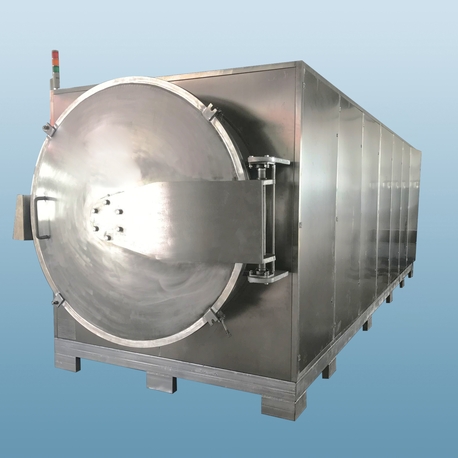
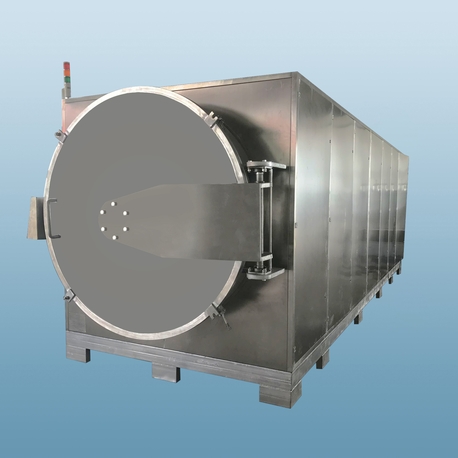
2. Sealing and DepressurizationThe heavy steel door is closed and locked. The operator activates the vacuum pump. You will see the pressure gauge drop rapidly. This stage removes the bulk of the air.
3. Heating PhaseOnce the target pressure is reached, the heating elements turn on. In many industrial units, hot water or oil flows through the shelves to provide gentle, indirect heat. The product warms up, and water begins to flash off.
4. Condensation and CollectionThe water vapor travels out of the chamber and hits a condenser. This is a cold coil that turns the vapor back into liquid, which is collected in a tank. This prevents vapor from entering and damaging the vacuum pump.
5. Breaking the VacuumOnce the moisture content hits the target, the heat is turned off. The vacuum is slowly released by letting filtered air (or nitrogen) back into the chamber. The door is opened, and the dried product is unloaded.
The versatility of the vacuum dryer allows it to serve various sectors.
PharmaceuticalsThis is perhaps the most common use. Making pills and powders often involves wet granulation. These granules must be dried without destroying the chemical efficacy of the drug. Vacuum systems ensure the active ingredients remain potent.
Food ProcessingConsumer demand for "healthy snacks" has spiked. Vacuum drying creates fruit and vegetable crisps that retain their original shape and nutritional value. It is also used for difficult items like viscous pastes, malt beverages, and extracts.
Chemical IndustryMany chemicals are explosive or flammable when heated. Drying them under vacuum removes the oxygen, reducing the risk of fire. It is also used for drying plastic granules and resin powders to prevent bubbles during molding.
ElectronicsDuring the manufacturing of PCBs (printed circuit boards) and semiconductors, even a tiny amount of moisture can cause failure. Vacuum drying ensures deep moisture removal from the microscopic pores of the components.
Choosing the right machine involves more than just picking a size. The build quality dictates the longevity of the operation.
Vacuum vessels are under immense physical stress. The external air pressure is constantly trying to crush the chamber. Low-quality welds or thin steel can lead to leaks or catastrophic failure.
Manufacturers like Nasan focus on structural integrity. Their equipment is designed to withstand continuous industrial cycling. When evaluating a supplier, look at the door hinges and seals. These are the first points of failure. A leak in the door seal means the vacuum pump runs continuously, wasting electricity and failing to reach the target pressure.
You also need to decide on the heating medium. Electrical plates are easier to install, but hot water or steam systems are often cheaper to run in large factories with existing boiler systems.
Even the best vacuum dryer can face operational hiccups. Here are practical solutions to common problems experienced on the factory floor.
The Vacuum Won't Go DownIf the pump is running but the pressure gauge isn't moving, you have a leak. Check the door gasket first. It might be dirty or cracked. If the gasket is fine, check the connection valves. Sometimes, the drain valve for the condenser is left slightly open.
Product is Drying UnevenlyThis usually happens because of poor contact. In a shelf dryer, the heat is transferred by conduction. If the bottom of your tray is warped, it won't touch the heated shelf properly. Use heavy-gauge, flat trays. Also, ensure the product is spread evenly.
Longer Cycle TimesIf drying is taking longer than usual, check the condenser. If the condenser is iced up or too warm, it cannot trap the vapor efficiently. The vapor stays in the chamber, slowing down the process.
Oil ContaminationFor oil-sealed pumps, backstreaming can occur if the pump is turned off while still under vacuum. Always isolate the pump from the chamber before shutting it down.
To protect your investment, a strict maintenance schedule is required.
Vacuum Pump CareThe pump is the heart of the system. If you are using an oil-sealed pump, the oil must be changed regularly. Moisture from the process often contaminates the oil, turning it milky. Wet oil destroys pump bearings.
Seal InspectionInspect the door gasket weekly. Clean it with a damp cloth to remove any powder or sticky residue. A single grain of sugar can compromise the vacuum seal.
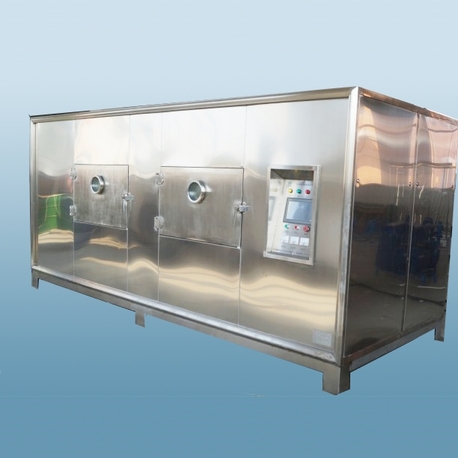
Cleaning the ChamberCross-contamination is a risk. The interior should be polished stainless steel to make cleaning easy. Ensure that no residue is left on the heating plates, as this acts as an insulator and reduces heat transfer.
Calibrating SensorsPressure and temperature sensors drift over time. If your temperature reading is off by 5 degrees, you could be overheating your product without knowing it. Calibrate these annually.
Operating under vacuum introduces specific hazards.
Implosion is a risk, although rare with modern equipment. Never modify the vacuum chamber or drill holes into it.
If drying solvents, you must know the flash point. Even under vacuum, chemical reactions can occur. Ensure your condenser is rated for the specific solvent you are recovering.
Hot surfaces are another danger. The shelves might be 100°C while the vacuum prevents you from feeling the heat radiating out. Operators should always wear protective gloves when unloading.
The vacuum dryer is not just an alternative to an oven; it is a specialized tool for quality control. It allows producers to decouple heat from drying, providing a way to preserve the essential characteristics of the material.
Whether you are in the pharmaceutical sector ensuring drug stability, or in the food industry creating premium snacks, the ability to dry at low temperatures is a competitive advantage. It signals to your customers that you prioritize quality.
Investing in robust equipment from reputable brands like Nasan ensures that your production line remains reliable. By understanding the science, maintaining the vacuum pumps, and optimizing your loading processes, you can maximize the efficiency of your drying operations.
In a market that increasingly demands higher quality and better preservation, vacuum drying technology offers the solution many manufacturers are looking for.
Q1: What is the difference between a vacuum dryer and a freeze dryer?
A1: The main difference is the state of the water. In a vacuum dryer, the water is liquid and evaporates at a low temperature. In a freeze dryer (lyophilizer), the product is frozen first, and the ice turns directly into vapor (sublimation). Freeze drying preserves structure better but is much slower and more expensive than vacuum drying.
Q2: Can I dry liquid products in a vacuum dryer?
A2: Yes, vacuum dryers are excellent for liquids, pastes, and slurries. Because the boiling point is lower, you can boil off the water without burning the solids. However, you must be careful with "bumping" (sudden boiling) which can splash the liquid. specialized cycle programming helps prevent this.
Q3: Does vacuum drying consume a lot of energy?
A3: It is generally more energy-efficient than atmospheric drying for specific applications. While you have to power a vacuum pump, the lower drying temperatures mean less thermal energy is wasted. Additionally, the drying speed is often faster, reducing the total running time of the machine.
Q4: How often do I need to change the oil in the vacuum pump?
A4: This depends on the water load. If you are drying very wet products, moisture can accumulate in the pump oil quickly. Check the oil sight glass daily. If the oil looks milky or cloudy, it contains water and needs to be changed immediately to prevent pump damage.
Q5: What temperature should I set for vacuum drying?
A5: The setting depends on your material's sensitivity. For most heat-sensitive food products, a shelf temperature between 40°C and 60°C is common. For less sensitive industrial chemicals, you might go higher to speed up the process. Always start lower and increase gradually to find the sweet spot for your product quality.