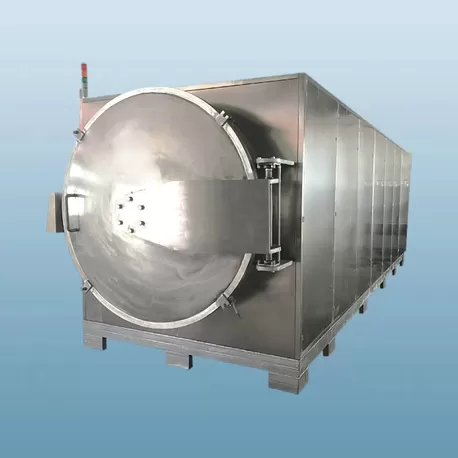
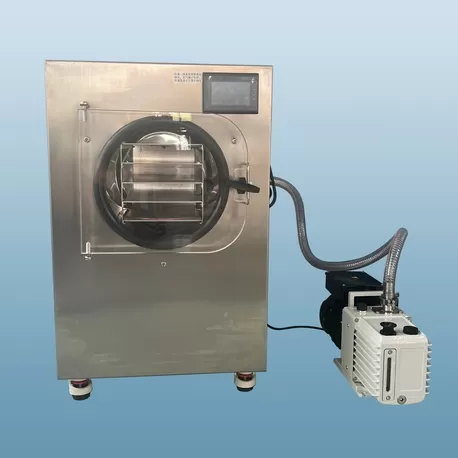
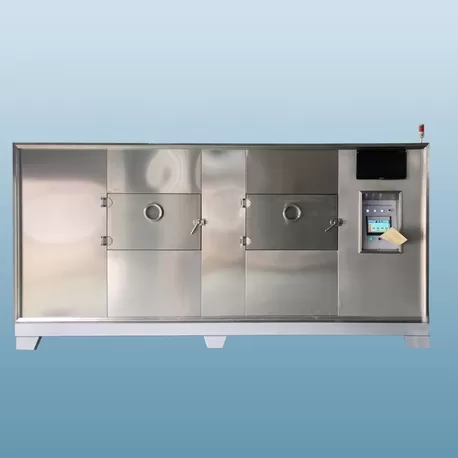
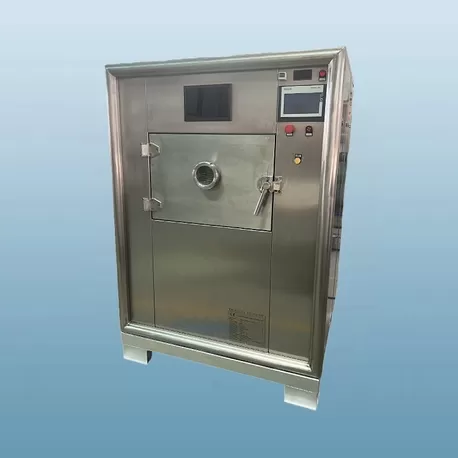
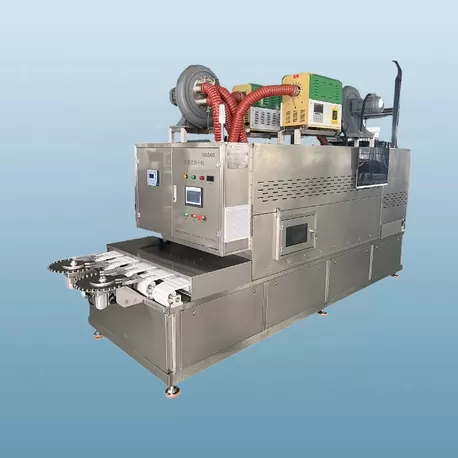
Thermal processing stands at the center of modern industrial manufacturing.
As manufacturing plants prepare for 2026, the demand for energy-efficient,
precise, and automated thermal processing equipment continues to surge across
sectors.
Whether you process food ingredients, pharmaceuticals, bulk chemicals, or
composite polymers, a dependable hot air dryer remains the most
practical and cost-effective workhorse in your facility.
However, purchasing the wrong commercial drying equipment can trigger severe
production bottlenecks. Uneven moisture removal, excessive energy consumption,
and product thermal degradation quickly erode profit margins.
With over 20 years of equipment manufacturing experience, Nasan engineers
have compiled this comprehensive buying guide. Review these seven crucial
factors before issuing your next procurement tender.
1. Material Characteristics and Thermal Sensitivity
Every raw material exhibits unique drying kinetics. Before evaluating machine
specifications, you must define how your product interacts with thermal energy
and air velocity.
Certain items release surface moisture rapidly, while dense or hygroscopic
compounds hold bound moisture deep inside their cellular matrix. You must
evaluate the following properties:
Maximum Temperature Limits: Heat-sensitive active
pharmaceutical ingredients (APIs) and enzyme-rich botanical extracts often
degrade at temperatures above 60°C. They require low-temperature, high-volume
airflow configurations.
Moisture Binding State: Free surface water evaporates
quickly, but bound intracellular moisture demands staged heating to prevent case
hardening.
Physical Form: Powders, granular pellets, wet cakes,
extruded pastes, and sliced roots each require distinct tray arrangements or
agitation methods.
Corrosiveness and Flammability: Acidic food slurries or
solvent-laden chemical cakes demand explosion-proof electrical fittings and
specialized metallurgy.
Modern industrial operations in 2026 rely on multi-stage drying curves.
Rather than applying a single constant temperature, advanced systems modulate
heat and exhaust cycles as moisture levels drop.
Nasan configures custom thermal curves tailored to specific raw materials.
This engineering approach protects product bio-activity, visual color, and
structural integrity throughout the drying cycle.
2. Airflow Dynamics and Drying Uniformity
Heat transfer efficiency depends directly on fluid dynamics. The internal
airflow path within a hot air dryer machine determines whether
your batch dries evenly or leaves localized wet spots.
Uneven air distribution forces operators to over-dry the majority of a batch
just to bring the dampest trays into specification. This bad practice wastes
significant energy and degrades overall batch consistency.
Industrial buyers should examine two primary circulation designs:
Horizontal Cross-Flow Circulation: Air travels horizontally
across the surface of stacked trays. This layout suits dense sheets, sliced
vegetables, and non-porous materials where air cannot pass through the product
bed.
Vertical Through-Circulation: Forced air penetrates
vertically through perforated trays and porous materials. This pattern
accelerates moisture removal for granular chemicals, seeds, and loose
textiles.
Air distribution plates, guide vanes, and blower static pressure must remain
balanced throughout the internal chamber. Without proper duct balancing, air
naturally bypasses high-resistance zones, leaving the middle shelves
under-processed.
To eliminate these dead zones, Nasan uses computational fluid dynamics (CFD)
to design internal air channels. This ensures thermal variation across all tray
tiers stays within ±1°C, delivering consistent quality batch after batch.
3. Energy Efficiency and Heating Source Flexibility
Rising industrial utility rates make operating expenditure (OPEX) the largest
component of total ownership cost. Over a ten-year lifespan, energy bills far
exceed the initial machine purchase price.
When selecting a hot air circulation drying oven, evaluate
how effectively the system captures, transfers, and retains thermal energy.
Key energy considerations include:
Heating Medium Versatility: Choose a heating method that
matches your plant infrastructure. Options include electric heating elements,
high-pressure steam radiators, indirect natural gas or diesel burners, and
thermal oil exchangers.
Air-Source Heat Pump Integration: In 2026, closed-loop heat
pump hybrid systems are increasingly popular for low-temperature applications,
cutting electrical demand significantly.
Thermal Insulation Integrity: Inspect the cabinet
construction. Premium equipment uses 80mm to 120mm of high-density rock wool or
aluminum silicate insulation to keep external skin temperatures near ambient
levels.
Exhaust Heat Recovery: Dehumidification exhaust carries
away substantial latent heat. Integrated air-to-air heat exchangers can preheat
incoming fresh air using outgoing exhaust streams.
Nasan designs drying systems with dual-energy switching capabilities and
advanced heat recovery loops. These thermal innovations help processing plants
reduce overall energy consumption by 20% to 35% per operating cycle.
4. Production Capacity: Batch vs. Continuous Processing
Aligning machine architecture with your facility throughput prevents costly
production bottlenecks and equipment under-utilization.
Dryers broadly divide into two structural formats:
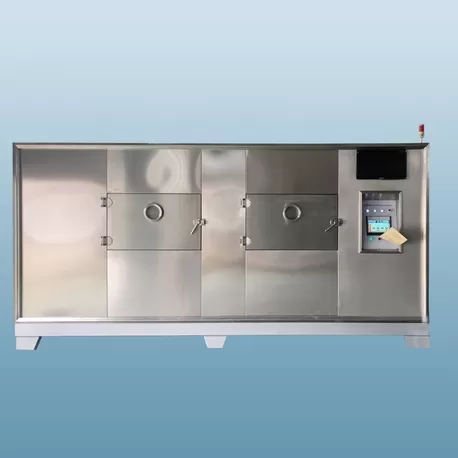
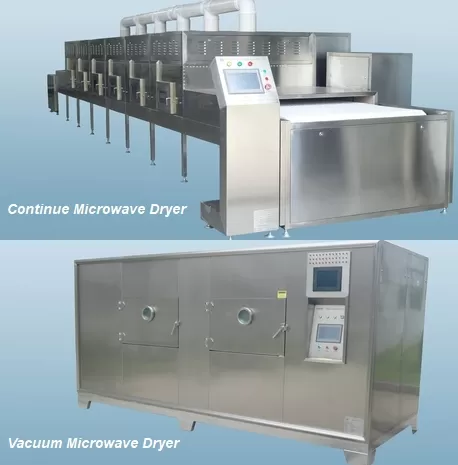
Chamber and Tray Dryers (Batch Processing)
Batch-style chamber dryers suit facilities handling moderate volumes,
multiple distinct product lines, or variable recipes. Operators load products
onto mobile trolleys lined with shallow trays.
These units offer straightforward cleaning between batches, making them ideal
for pharmaceutical manufacturing, laboratory testing, and specialty chemical
synthesis.
Conveyor Belt Dryers (Continuous Processing)
Continuous tunnel dryers transport materials along a single or multi-pass
wire mesh conveyor belt through temperature-controlled drying zones. Raw wet
feedstock enters continuously at one end, and dried goods discharge at the
other.
This layout suits high-volume food processing plants, mineral operations, and
large-scale industrial manufacturing lines running 24/7 schedules.
Nasan builds scalable equipment ranging from compact single-door pilot ovens
to high-capacity continuous multi-tier dehydration lines, ensuring a direct
match for your plant output targets.
5. Build Quality, Sanitary Engineering, and Regulatory Compliance
Industrial processing environments place rigorous mechanical and chemical
demands on equipment. Substandard materials lead to structural warping, weld
joint corrosion, and batch contamination.
When evaluating competing equipment specifications, focus on these critical
build standards:
Contact Surface Metallurgy: All parts touching the product
must use certified SUS304, SUS316, or SUS316L stainless steel. For corrosive
halide chemicals, specialized alloys like Hastelloy or titanium may be
required.
Hygienic Internal Geometry: Look for fully seal-welded
internal liners with radiused, coved corners. Avoid internal designs with
exposed pop rivets, raw overlapping joints, or unsealed dead spaces where
powders collect.
Gasket and Seal Chemistry: Ensure door seals and air ducts
utilize food-grade silicone, EPDM, or PTFE gaskets that resist degradation under
sustained thermal cycling.
Certifications: Verify that the equipment meets CE
machinery directives, ISO 9001 quality management benchmarks, and cGMP sanitary
standards where applicable.
Nasan applies rigorous weld polishing and clean-in-place (CIP) readiness to
every custom hot air drying system, ensuring smooth compliance
during sanitary audits and international safety inspections.
6. Smart Automation and Digital Control Systems
By 2026, standalone mechanical drying cabinets will no longer meet the data
visibility and quality control demands of modern facilities. Automated recipe
execution minimizes human error and guarantees repeatable batch profiles.
A capable industrial dryer must function as an intelligent node within your
plant network. Essential automation features include:
Touchscreen PLC Interfaces: Multi-lingual programmable
logic controllers let operators store dozens of multi-step recipes, controlling
temperature, humidity, fan speed, and dwell time with a single touch.
Automated Humidity Exhaust Control: Rather than running
exhaust fans continuously, smart sensors open damper valves only when chamber
relative humidity peaks, conserving valuable heat.
Data Logging and Audit Trails: Automatic batch records log
real-time temperature curves, setpoints, alarms, and operator interventions for
regulatory compliance.
Remote Diagnostics and Industrial IoT: Network connectivity
allows factory engineers to monitor system performance, perform remote software
updates, and troubleshoot operational alarms via secure web gateways.
Nasan integrates robust Siemens and Schneider PLC systems with intuitive
graphic interfaces. This level of automation gives your operators complete
control over batch parameters while keeping supervisory staff informed via
real-time SCADA integration.
7. Manufacturer Reliability, Customization, and After-Sales Support
Buying an industrial hot air dryer represents a multi-decade
capital investment. The success of that investment depends heavily on the
technical capability and support infrastructure of your equipment supplier.
Commercial brokers and standard catalogue vendors rarely possess the
engineering depth needed to modify airflow or duct geometry for difficult-to-dry
materials. Choosing a dedicated industrial dryer manufacturer with in-house fabrication facilities is vital.
Consider these manufacturer evaluation criteria:
Material Testing Laboratories: Can the manufacturer run
empirical pilot drying tests using your actual raw feedstock to verify drying
rates and shrinkage before fabrication starts?
Engineering Customization: Can the factory adapt machine
dimensions, door placements, heating sources, and tray layouts to fit your
available floor space and ceiling height?
Global Logistics and Field Support: Does the supplier offer
verified international crating, comprehensive technical documentation, on-site
commissioning, and reliable operator training?
Spare Parts Availability: Can you readily source routine
wear items like blower bearings, heating elements, silicon gaskets, and solenoid
valves without extended shipping delays?
For more than two decades, Nasan has delivered customized thermal processing
machinery to industrial clients across more than 40 countries, including the
United States, Germany, France, Singapore, and Australia. Our dedicated
engineering team supports projects from initial material trials straight through
to final plant commissioning.
Frequently Asked Questions (FAQ)
Q1: How does an industrial hot air dryer compare to a vacuum dryer or
freeze dryer?
A1: A hot air dryer uses convective airflow
under atmospheric pressure, making it the most cost-effective and
highest-capacity option for non-boiling thermal dehydration. Vacuum dryers lower
the boiling point of water for sensitive products that cannot tolerate
atmospheric oxygen, while freeze dryers sublimate ice under high vacuum for
delicate pharmaceuticals. Hot air dryers provide significantly lower capital and
operating costs whenever atmospheric drying is suitable.
Q2: What is the typical drying time for products inside a hot air
circulation drying oven?
A2: Drying duration varies widely based on initial moisture,
physical thickness, and material composition. Thin sliced agricultural goods or
granular chemicals may reach target moisture levels in 2 to 4 hours. In
contrast, dense roots, thick pastes, or slow-diffusing polymers may require 12
to 24 hours. Conducting a pilot material trial is the most reliable way to
calculate cycle duration accurately.
Q3: Can a single hot air dryer process multiple distinct raw
materials safely?
A3: Yes, provided the dryer features a programmable PLC
system and a sanitary stainless steel design that allows thorough cleaning
between runs. Facilities running multiple products must use dedicated recipe
presets to adjust temperature curves, fan speeds, and exhaust timing for each
distinct material.
Q4: What routine maintenance does commercial drying equipment
require?
A4: Basic preventive maintenance includes inspecting and
cleaning air intake filters, checking door gaskets for seal integrity,
lubricating circulation fan bearings, verifying sensor calibration (RTD
temperature probes and RH transmitters), and inspecting heating elements or
steam coils for scaling and debris accumulation. Most facilities perform these
checks monthly or quarterly.
Q5: What essential safety systems should buyers demand for gas or
steam-heated dryers?
A5: Gas-fired dryers require automatic flame-monitoring
safety valves, pre-ignition purge cycles, pressure relief panels, and
over-temperature high-limit cutoffs. Steam-heated units must include certified
pressure relief valves, correct steam trap assemblies, and vacuum breakers.
Explosion-proof blower motors and grounded antistatic tray designs are essential
when handling flammable solvent vapors.
Selecting the Right Industrial Hot Air Dryer for 2026
Investing in a high-performance industrial hot air dryer requires a balanced assessment of capital expenditure and ongoing operational
costs. Prioritizing precision airflow design, robust thermal insulation,
automated recipe control, and certified build materials ensures your processing
line stays profitable and dependable for decades to come.
Avoid one-size-fits-all machinery that forces you to compromise on throughput
or batch consistency. Partnering with an experienced manufacturer allows you to
configure a thermal processing system engineered specifically for your product
characteristics.
Ready to optimize your plant drying efficiency? Contact the
thermal engineering specialists at Nasan today. Submit your material
specifications and throughput requirements to receive a customized technical
proposal and quotation.