Industrial thermal processing is moving away from fossil-fueled convection
systems toward precise, electrically driven methods. For decades, processors
relied on rotary kilns, fluid bed dryers, and hot-air tunnels to dry bulk
solids. These legacy methods depend on thermal conduction and convection,
transferring heat slowly from the surface inward.
This surface-to-core mechanism creates steep thermal gradients. It often
results in case hardening, surface scorch, long processing cycles, and massive
flue-gas energy losses. As manufacturing plants target stricter energy quotas
and lower carbon footprints, conventional hot-air drying struggles to keep
up.
Microwave heating changes the core physics of thermal
processing. By deploying high-frequency electromagnetic fields (typically 915
MHz or 2450 MHz), electromagnetic energy couples directly with polar water
molecules and conductive ions inside the bulk mass. This molecular friction
produces volumetric heating throughout the entire depth of the product
instantly.
Water turns to vapor from the inside out, establishing an internal vapor
pressure gradient that expels moisture toward the surface. As a premier
manufacturer with 20 years of dedicated experience in drying technology,
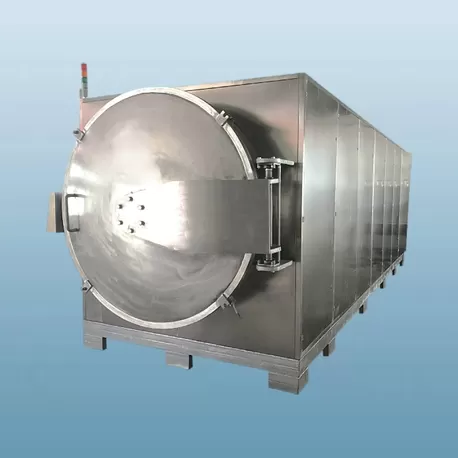
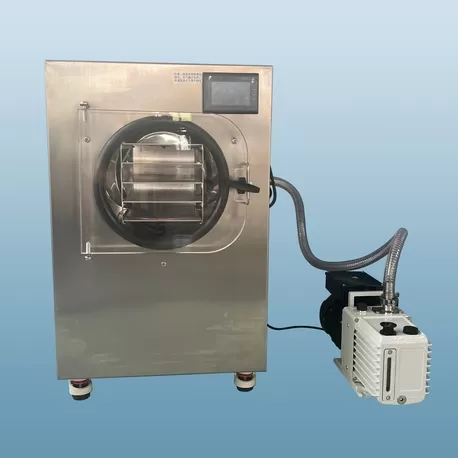
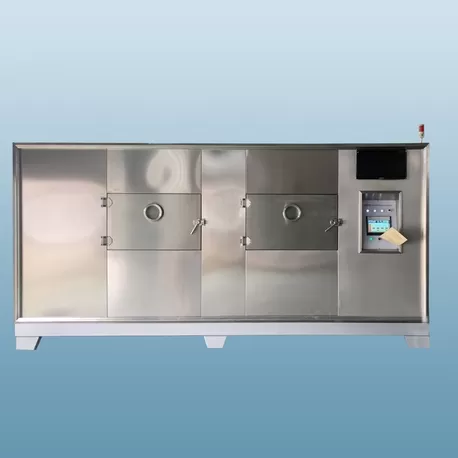
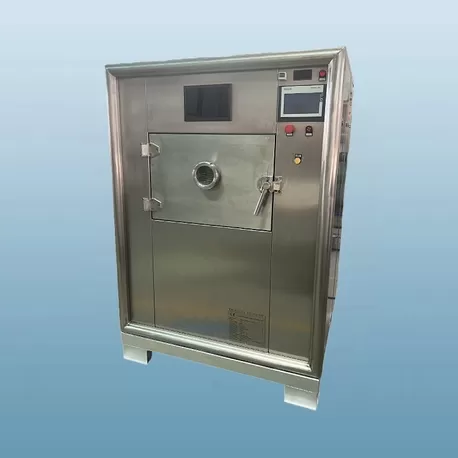
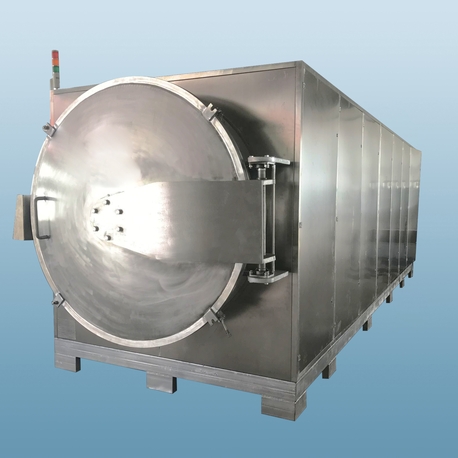
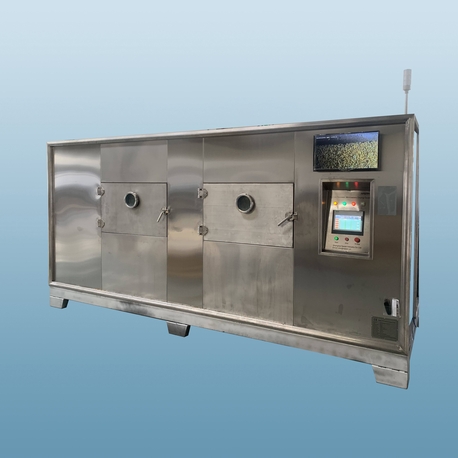
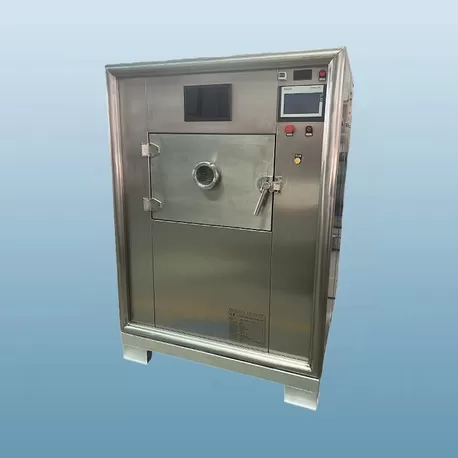
Nasan designs advanced microwave drying equipment that cuts
thermal cycle times while safeguarding product integrity.
Top 8 Industrial Applications of Microwave Heating in Bulk Material
Drying
Microwave technology is no longer limited to niche laboratory environments.
Modern high-capacity continuous microwave systems process tons of bulk solids
every hour. Below are the top eight industrial applications setting production
benchmarks today.
1. Food Processing and Bulk Agricultural Commodities
Drying bulk agricultural goods requires precise temperature moderation to
preserve volatile flavor compounds, vitamins, and natural pigmentation.
Traditional hot-air drying exposes food to prolonged heat, causing nutrient
degradation and surface discoloration.
Target Materials: Grains, dehydrated vegetables, spice
blends, tree nuts, pet food kibble, and marine proteins.
Process Benefits: Microwave heating drives simultaneous
dehydration and non-chemical pasteurization. The rapid volumetric rise in
temperature ruptures bacterial cell walls, eliminating insect larvae and mold
spores without requiring chemical fumigants.
The Nasan Engineering Edge: Nasan builds sanitary
continuous microwave tunnel systems featuring food-grade stainless steel belts,
automated clean-in-place (CIP) washdowns, and zoned power regulation to maintain
bulk nutritional value while reducing energy consumption by up to 45%.
2. Fine Chemicals, Pigments, and Catalyst Carriers
Chemical powders and catalyst bases often form hard crusts when dried in
conventional ovens. This crust traps internal moisture and slows down production
lines.
Target Materials: Molecular sieves, inorganic pigments,
polymer powders, silica gels, and alumina catalyst extrudates.
Process Benefits: Because energy transfer is volumetric,
moisture leaves the particles without dragging binder materials to the exterior
surface. This prevents binder migration and keeps pores open, ensuring high
catalytic surface area and uniform color dispersion.
The Nasan Engineering Edge: Nasan supplies explosion-proof,
corrosion-resistant microwave dryers built with inert gas purge systems and
real-time infrared thermal imaging to manage volatile compounds
safely.
3. Pharmaceuticals and Herbal Extract Granules
Active Pharmaceutical Ingredients (APIs) and botanical extracts are highly
sensitive to thermal degradation. Prolonged exposure to hot air damages
therapeutic properties.
Target Materials: Wet-granulated APIs, traditional herbal
extract cakes, antibiotic powders, and direct-compression tablet
excipients.
Process Benefits: Microwave vacuum drying drops the boiling
point of moisture to 35°C–45°C. This allows deep dehydration without crossing
the thermal degradation thresholds of active molecules. Closed-loop operation
also prevents dust emissions and cross-contamination.
The Nasan Engineering Edge: Nasan designs fully documented,
cGMP-compliant microwave vacuum dryers equipped with automated recipes,
cleanroom interfaces, and precise process validation logging.
4. Advanced Ceramics, Refractories, and Structural Building Materials
Drying dense, thick-walled ceramic blocks or green bodies with hot air often
results in structural failure. Surface shrinkage outpaces core shrinkage,
causing micro-cracking and deformation.
Target Materials: Honeycomb ceramic catalyst substrates,
refractory bricks, gypsum boards, and technical ceramic components.
Process Benefits: Microwave fields penetrate deep into
dense ceramic bodies, heating the interior water first. Moisture pushes out
through microscopic pores without generating the differential shrinkage stresses
that cause structural fractures.
The Nasan Engineering Edge: High-power, multi-magnetron
drying chambers from Nasan ensure uniform electromagnetic field distribution,
reducing drying cycles from several days down to a few hours while cutting
reject rates.
5. Industrial Wood, Lumber, and Paper Converting
Thick hardwood lumber and high-density fiberboards dry slowly in conventional
kilns, often taking weeks to reach equilibrium moisture content.
Target Materials: Hardwood planks, corrugated board,
spiral-wound paper cores, and composite wood panels.
Process Benefits: Microwave heating targets moisture
pockets trapped within wood cells. It evaporates bound water rapidly without
causing checking, case hardening, or warping. The process also sterilizes the
timber against wood-boring pests for export compliance.
The Nasan Engineering Edge: Nasan delivers hybrid
microwave-convection drying tunnels that combine surface air wiping with core
electromagnetic excitation, increasing throughput by over 300%.
6. Environmental Sludge Dewatering and Waste Valorization
Municipal and industrial wastewater treatment plants generate thousands of
tons of high-moisture sludge cake every day. High disposal costs per ton make
efficient moisture removal a major economic priority.
Target Materials: Municipal digested sludge, petrochemical
effluent sludge, paper mill sludge, and biomass residues.
Process Benefits: Sludge transitions through a viscous,
sticky phase between 45% and 65% moisture content where mechanical dryers often
clog. Microwave heating bypasses this sticky phase through rapid internal steam
formation, converting wet cakes into dry, sterile granules ready for
co-incineration or land application.
The Nasan Engineering Edge: Heavy-duty industrial microwave
dryers built by Nasan feature non-stick PTFE belt materials, integrated
scrubbers, and automated scrapers designed for continuous, round-the-clock waste
handling.
7. Plastics, Engineering Polymers, and Rubber Vulcanization
Hygroscopic engineering polymers absorb ambient humidity deep within their
molecular matrices. Processing damp resin pellets causes cosmetic flaws and
structural weakness in molded parts.
Target Materials: Polyamides (Nylon), polycarbonate, PET
flakes, and continuous extruded rubber profiles.
Process Benefits: Desiccant dryers can take 4 to 6 hours to
dry high-performance polymers. Microwave heating excites the polar water
molecules directly inside the resin pellets, removing deep-seated moisture in
under 20 minutes without thermal degradation.
The Nasan Engineering Edge: Nasan builds compact microwave
pre-heating and drying hoppers that install directly above extruders to feed
dry, pre-heated resin continuously into the melt barrel.
8. Battery Electrode Slurries and Conductive Advanced Materials
The global battery manufacturing sector requires precise, rapid drying of
thick cathode and anode coatings to maintain battery energy density and
production yields.
Target Materials: Lithium iron phosphate (LFP) slurries,
nickel-manganese-cobalt (NMC) wet cakes, graphene nanopowders, and carbon
black.
Process Benefits: Convection ovens evaporate solvents from
the top down, pulling active binders toward the surface and causing the coating
to peel. Microwave drying heats the current collector foil and the inner coating
layer directly, keeping the binder evenly distributed for optimal adhesion and
electrical performance.
The Nasan Engineering Edge: Nasan engineers specialized
continuous microwave curing lines that use closed-loop inert solvent recovery
systems to handle hazardous organic solvents like NMP safely.
ROI & Efficiency Analysis: Microwave Heating vs. Traditional Drying
Adopting microwave technology delivers clear operational and financial
benefits. The chart below highlights the key differences between industrial
microwave systems and conventional hot-air drying equipment:
| Performance Metric | Conventional Hot-Air / Gas Dryers | Industrial Microwave Heating Systems |
|---|
| Heat Transfer Mechanism | External conduction, convection, and radiation (surface-inward) | Direct volumetric electromagnetic heating (inside-out) |
| Processing Time | Hours to days (material thickness dependent) | Minutes to hours (typically 60%–80% faster) |
| Thermal Efficiency | 25% – 45% (significant heat lost via exhaust air) | 75% – 90% (energy goes directly into water molecules) |
| Floor Space Footprint | Large footprint; requires long continuous tunnels or kilns | Compact; reduces factory footprint by 50%–70% |
| Process Start-up & Shut-down | 30–90 minutes of thermal warm-up time | Instant on/off power response |
| Carbon Footprint | High direct emissions from burning natural gas or fuel oil | Zero direct on-site emissions; works with clean renewable
power |
Replacing large fuel-fired ovens with targeted microwave units typically
generates a full return on investment (ROI) within 12 to 24 months. These
savings come from lower energy bills, reduced reject rates, and recovered plant
floor space.
Why Global Processors Choose Nasan Drying Equipment
For more than two decades, Nasan has engineered
high-performance drying systems for demanding bulk processing plants worldwide.
We build our equipment with a focus on structural integrity, operational safety,
and high thermal efficiency.
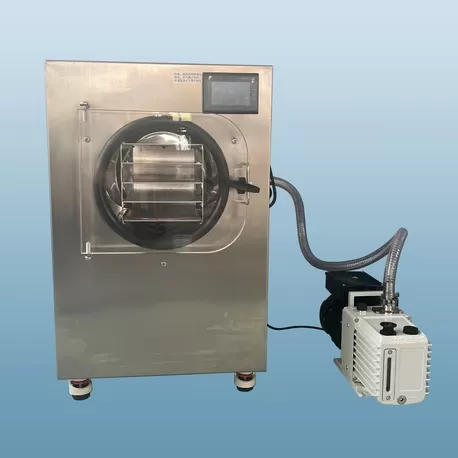
20 Years of Specialized Engineering: Nasan focuses
exclusively on industrial drying, dewatering, freeze-drying, and custom
microwave thermal processing equipment.
High Quality & Process Safety: Our systems feature
multi-layered electromagnetic shielding, automatic leakage interlocks (keeping
emissions well below 5 mW/cm² standards), and certified electrical
controls.
Trusted Across 40+ Countries: Nasan drying equipment
operates in major manufacturing hubs throughout the United States, Germany,
France, Italy, the United Arab Emirates, Malaysia, Russia, South Africa, Brazil,
Australia, and beyond.
Turnkey Customization: We evaluate your raw material
moisture content, throughput targets, and factory layout to build custom
conveyor systems, vacuum chambers, and power configurations tailored to your
exact needs.
Frequently Asked Questions (FAQ)
Q1: How does microwave heating handle heat-sensitive materials
without scorching them?
A1: Microwave energy couples preferentially with liquid
water molecules rather than the dry solid matrix. As free moisture evaporates
from a zone, that zone absorbs less microwave power automatically. This natural
moisture-leveling effect prevents dry areas from overheating. In addition, Nasan
integrates closed-loop infrared pyrometers and variable power controls to keep
product temperatures below critical thermal limits.
Q2: Can industrial microwave dryers process materials with flammable
organic solvents?
A2: Yes. Industrial microwave systems handle volatile
solvents by operating under deep vacuum or using sealed, nitrogen-purged
chambers. These environments keep oxygen levels well below combustion
thresholds. Nasan integrates solvent recovery condensers and
ATEX/explosion-proof sensors to capture evaporated solvents safely.
Q3: What is the typical payback period for upgrading to a continuous
microwave dryer?
A3: Most manufacturing facilities see a complete return on
capital investment within 12 to 24 months. These financial returns stem from 30%
to 60% cuts in energy consumption, lower scrap rates, reduced labor through PLC
automation, and a much smaller equipment footprint.
Q4: How does Nasan manage international equipment commissioning,
calibration, and support?
A4: Nasan supports installations worldwide through on-site
field engineering teams and secure remote diagnostic links. Our systems use
standardized PLC hardware and open communication protocols, allowing our
technical team to monitor, troubleshoot, and calibrate your system in real time
from anywhere in the world.
Q5: Can we run drying trials on our bulk materials before committing
to an equipment order?
A5: Yes. Nasan maintains a fully equipped pilot testing
laboratory. Clients ship representative material samples to our facility, where
we determine dielectric properties, drying curves, and specific energy
consumption metrics. We then provide a detailed test report to confirm equipment
specifications before commercial fabrication begins.
Upgrade Your Bulk Drying Line with Nasan
Are long drying cycles, rising gas prices, or uneven product moisture slowing
down your production lines? Take advantage of modern volumetric heating to
increase your throughput and lower unit operational costs.
Contact our engineering team today to discuss your process requirements,
schedule a material test run in our laboratory, or request an engineering quote
for a custom Nasan drying line.
Submit your process inquiry today and let Nasan engineer your custom
drying solution.