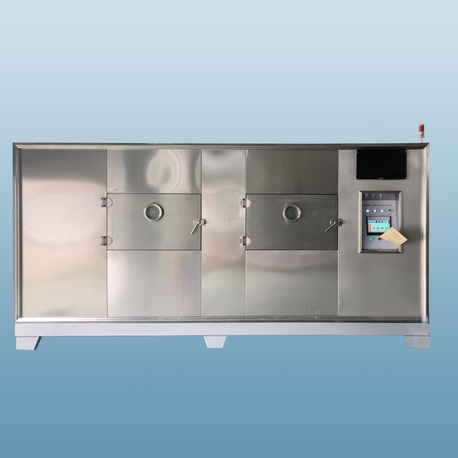
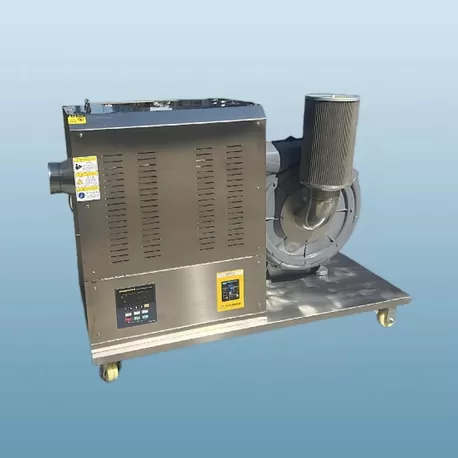
Thermal processing across heavy industries depends on the precise, reliable
generation of heated air to drive moisture removal, calcination, curing, and
thermal synthesis. Within continuous manufacturing environments, the industrial
hot air generator functions as the thermal core, converting chemical energy from
fuels or electrical input into a convective heat transfer medium. Achieving
steady-state temperature control while maintaining fuel efficiency requires a
deep understanding of fluid dynamics, combustion thermodynamics, metallurgy, and
heat exchanger geometry.
Process engineers face stringent demands regarding energy consumption,
emissions compliance, and equipment durability under continuous thermal cycling.
Selecting or sizing thermal air generation equipment requires evaluating raw
thermal capacity alongside boundary layer physics, aerodynamic pressure drop,
refractory integrity, and downstream particulate tolerance. This analysis
examines the engineering disciplines governing high-performance air heating
equipment, structural designs, operational mechanics, and integration
methodologies across process lines.
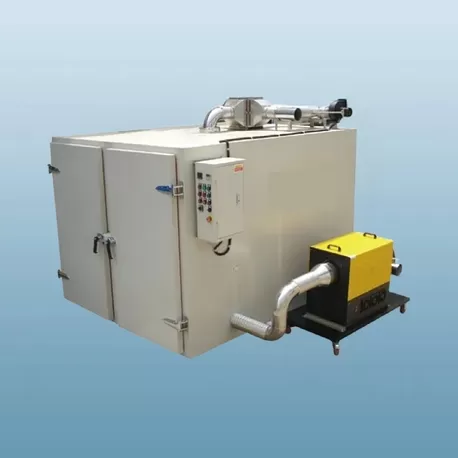
Thermodynamic Classification: Direct vs. Indirect Heating
Configurations
The core classification of thermal air units rests on whether combustion
gases directly contact the process airstream or transfer energy across an
impermeable boundary.
Direct-Fired Thermal Systems
Direct-fired units introduce the products of combustion directly into the
main process airflow. Because there is no intervening physical barrier between
the burner flame and the delivery ducting, direct-fired systems achieve
theoretical thermal efficiencies exceeding 98%. Fuel energy converts almost
entirely into sensible heat within the air mixture, limited only by casing
radiation losses.
Process air temperatures in direct systems can span from moderate drying
levels up to 1200°C. These systems suit processes where trace hydrocarbons,
carbon dioxide, or combustion particulates do not compromise the finished
product. Typical applications include mineral calcination, aggregate drying,
non-sensitive chemical dehydration, and wastewater sludge reduction.
Indirect-Fired Heat Exchanger Systems
Products sensitive to contamination require clean, unadulterated heated air.
Selecting an indirect hot air generator ensures zero contamination by utilizing
a high-integrity heat exchanger between the combustion flue gas circuit and the
clean process air stream. The process stream remains completely isolated from
fuel byproducts, carbon particulates, and combustion moisture.
Indirect systems generally operate within thermal efficiency ranges of 75% to
88% in basic configurations, which can rise past 92% with secondary heat
recovery systems. Maximum output temperatures are governed by the mechanical and
metallurgical limits of the heat exchanger tubes, typically reaching between
300°C and 650°C under standard industrial alloy selections.
Core Structural Components and Engineering Physics
Industrial thermal generation units comprise several interdependent
mechanical sub-assemblies. Each component must withstand mechanical vibration,
thermal expansion gradients, and chemical exposure from fuel impurities.
Combustion Chamber: Fabricated from heavy-gauge carbon
steel or structural alloys, lined with high-alumina refractory brick, castable
ceramics, or ceramic fiber modules. The chamber geometry must provide sufficient
residence time for complete fuel atomization and combustion before flue gases
enter the convective zone.
Heat Exchanger Bundles: In indirect systems, shell-and-tube
or plate-type heat exchangers facilitate thermal transmission. Tubes are
arranged in staggered or in-line multi-pass configurations, often utilizing
extended surfaces or internal turbulators to disrupt boundary layers and improve
convective heat transfer coefficients.
Burner Assembly: Fully modulating industrial burners
capable of handling natural gas, LPG, light diesel, heavy fuel oil, or
bio-fuels. Advanced units feature high turndown ratios (up to 10:1) to
accommodate fluctuating process loads without flame instability.
Process and Combustion Air Fans: Centrifugal blowers
engineered with backward-curved or airfoil impellers supply consistent air mass
flow rates against system static pressure resistance.
Dilution and Mixing Plenums: Specially profiled aerodynamic
chambers that blend primary heated air with bypass or recirculation streams,
maintaining uniform temperature profiles across the exit duct
diameter.
Metallurgical Considerations and High-Temperature Materials
High thermal operating environments expose materials to creep deformation,
oxidation, high-temperature corrosion, and cyclic thermal fatigue. Equipment
longevity requires matching alloy compositions to specific temperature zones
within the system.
Combustion zones and initial heat exchanger passes experience the highest
metal temperatures. Here, austenitic stainless steels such as AISI 310S or AISI
309 are standard choices due to their chromium (24–26%) and nickel (19–22%)
content, which form an adherent, protective chromia scale resistant to oxidation
up to 1050°C. For severe sulfur-bearing fuel applications, specialized
high-nickel alloys or ferritic stainless steels like AISI 446 are selected to
prevent nickel-sulfide eutectic formation.
Downstream heat exchanger passes, operating at lower gas temperatures,
transition to AISI 304L or standard corten and carbon steels (such as ASTM A516
Grade 70) to balance thermal performance with mechanical fabrication costs.
Shell structures designed by manufacturers such as Nasan incorporate sliding
support footings, expansion bellows, and floating tube sheets to absorb axial
and radial thermal growth without generating high mechanical stresses on weld
joints.
Combustion Air Dynamics and Burner Control Architecture
Precise thermal air generation requires tight management of the air-fuel
stoichiometric ratio throughout the operational curve. Excess air must be
carefully regulated: too little air causes incomplete combustion, soot
accumulation, and carbon monoxide emissions, while excessive air dilutes flue
gas temperatures and lowers overall system thermal efficiency.
Modern combustion systems use parallel positioning or electronic linkageless
burner controls. Independent servomotors position fuel valves and air dampers
based on real-time feedback from continuous oxygen (O2) and carbon monoxide (CO)
flue gas analyzers. Flame monitoring using ultraviolet (UV) or infrared (IR)
scanners interfaces with certified burner management controllers to ensure safe
ignition, purging, and emergency shutdowns.
Where volatile organic compounds (VOCs) are released from the drying process,
secondary combustion loops can direct process exhaust through the main burner
flame. This incinerates hazardous compounds while recovering their chemical
energy as usable process heat, turning environmental compliance into thermal
recovery.
Integration within Industrial Drying and Processing Operations
The hot air stream serves as the carrier gas for heat and mass transfer
across various industrial operations. System matching between thermal generation
units and process vessels dictates overall manufacturing throughput.
Spray Drying Facilities
Spray dryers for dairy, food ingredients, and fine chemicals demand clean air
at constant temperatures with minimal spatial deviation. Sudden temperature
changes alter droplet drying kinetics, leading to uneven moisture content or
wall deposition within the drying tower. Continuous operation of a hot air
generator requires precise proportional-integral-derivative (PID) tuning to hold
outlet air temperatures within ±1°C of the setpoint.
Rotary Drums and Fluid Bed Dryers
Bulk materials, minerals, and granular agricultural goods require high mass
flow rates to suspend or agitate solid beds. In these configurations, static
pressure management is paramount. The air generation system must overcome deep
bed resistances, cyclone dust collectors, and wet scrubbers while maintaining
balanced draft conditions to prevent positive pressure leakage of dust into the
workspace.
Continuous Curing and Coating Ovens
Finishing lines for textiles, coated steel coils, and paper converters use
zoned air delivery to establish controlled drying profiles. Heat exchanger
topologies engineered by Nasan utilize cross-flow configurations that deliver
variable temperature zones from a centralized thermal generator, standardizing
fuel delivery while allowing flexible operational recipes.
Efficiency Enhancement and Thermal Energy Recovery
Fuel expenses constitute the largest portion of life-cycle operating costs
for industrial thermal equipment. Implementing advanced energy recovery systems
can reduce fuel consumption by 10% to 25% compared to non-recuperative
designs.
Flue gas condensing economizers recover sensible and latent heat from exhaust
channels to preheat incoming combustion air or process feed water. Adding a
shell-and-tube or heat-pipe recuperator into the exhaust ducting preheats
incoming ambient air before it reaches the combustion chamber, shifting baseline
temperatures higher and reducing the fuel needed to reach operating
setpoints.
External insulation must also be designed carefully. Multi-layered
high-density mineral wool or calcium silicate insulation covered with
heavy-gauge aluminum or stainless steel cladding holds outer surface
temperatures below 60°C. This protects plant personnel and prevents parasitic
skin heat losses to the ambient surroundings.
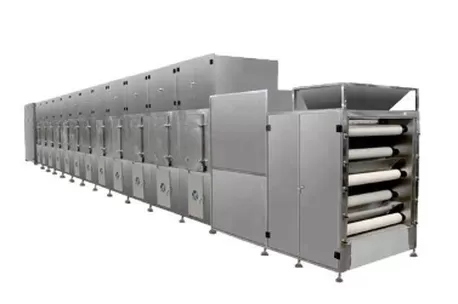
Preventive Maintenance and Operational Reliability Protocols
Sustained thermal output requires proactive maintenance routines focused on
heat transfer efficiency, mechanical alignment, and safety interlocks.
Soot and Ash Cleaning: Firing with heavy fuels or biomass
produces ash deposits on heat exchanger tubes that act as thermal insulators.
Installing automated soot blowers (steam or compressed air) or running periodic
acoustic cleaning prevents foulant buildup and maintains design heat transfer
coefficients.
Refractory Inspection: High-temperature combustion liners
must be regularly checked via thermal imaging cameras for structural spalling,
cracking, or hot spots on external steel shells.
Combustion Balancing: Fuel pressure regulators, atomizing
nozzles, and burner diffusers should undergo scheduled recalibration to preserve
symmetric flame geometry and avoid flame impingement on tube walls.
Dynamic Blower Balancing: Process fans must be monitored
for dynamic vibration, bearing lubrication, and drive belt tension to prevent
unexpected shutdowns during long production campaigns.
Frequently Asked Questions (FAQ)
What is the primary difference between a direct and indirect hot air
generator?
A direct system mixes combustion exhaust gases directly with the process air
stream, providing up to 98% thermal efficiency for processes tolerant of trace
combustion byproducts. An indirect system uses an internal heat exchanger to
isolate combustion gases from process air, delivering 100% clean air ideal for
food, pharmaceutical, and specialty chemical applications.
How do you determine the required thermal capacity for a system?
Thermal sizing is calculated using the mass flow rate of air, the specific
heat capacity of air at mean temperature, and the required temperature
differential (Delta-T) between ambient intake and process discharge. Additional
margins (typically 10-15%) are factored in to account for casing radiation
losses, piping pressure drops, and cold-start dynamic heating requirements.
Which fuel types offer the most cost-effective thermal generation?
Fuel selection depends on regional fuel availability, local emissions
regulations, and operational duty cycles. Natural gas remains the industry
standard for clean combustion and simple burner modulation. Light diesel or
heavy fuel oils are standard alternatives in areas with limited gas pipeline
access, while biomass and bio-gas provide renewable alternatives where
agricultural or process wastes can be repurposed.
Can thermal generators integrate with existing legacy process dryers?
Yes. Custom industrial air generation units can be retrofitted into existing
spray dryers, fluid beds, kilns, or drying tunnels. Engineering assessments
ensure that supply fan airflow, duct diameters, static pressures, and control
interface protocols match existing control systems.
What refractory materials are recommended for high-temperature combustion
chambers?
For temperatures exceeding 1000°C, high-alumina bricks (60% to 80% Al2O3) or
dense low-cement refractory castables provide exceptional structural strength
and resistance to thermal shock. For lower temperatures or fast thermal-cycling
applications, ceramic fiber modules provide low thermal mass, rapid heat-up
times, and superior insulating performance.
How does ambient air humidity affect thermal air output calculations?
High ambient humidity increases the moisture mass fraction of incoming air,
which slightly alters the specific heat capacity of the air-vapor mixture and
reduces drying capacity downstream. Engineering designs for high-humidity
climates incorporate psychrometric adjustments to ensure air mass flow rates and
burner thermal power remain sufficient under all seasonal weather
conditions.
Engineering Consultation and System Inquiries
Configuring industrial thermal systems demands precise alignment between
thermodynamic sizing, mechanical construction, and process safety standards. If
you are designing a new processing facility, expanding current drying
throughput, or upgrading an aging thermal system, contact the thermal
engineering team at Nasan to discuss your project requirements, request a
detailed technical proposal, or explore custom heat transfer configurations
tailored to your production demands.