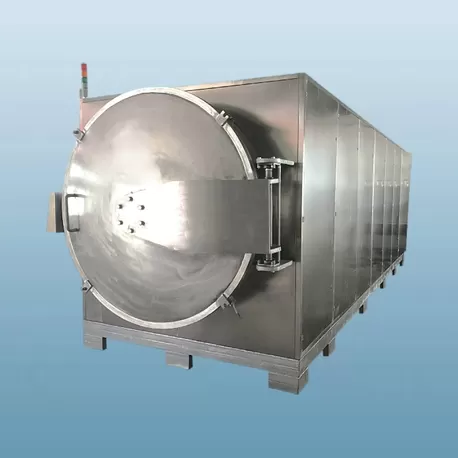
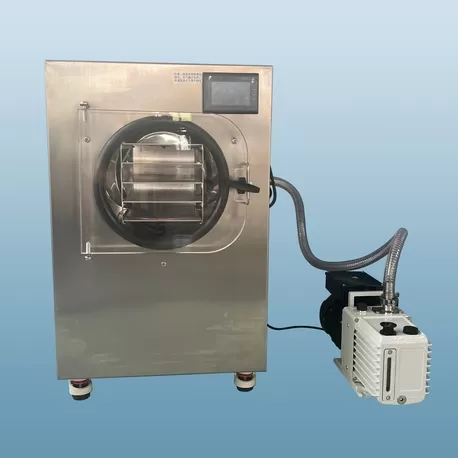
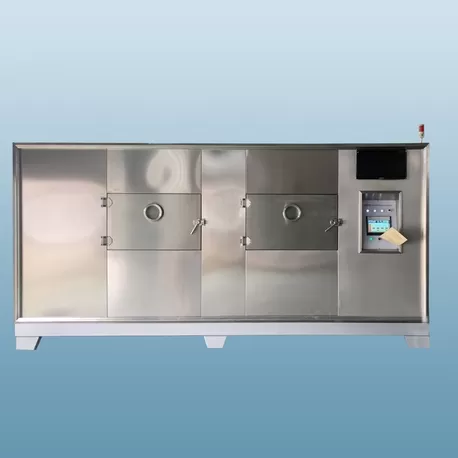
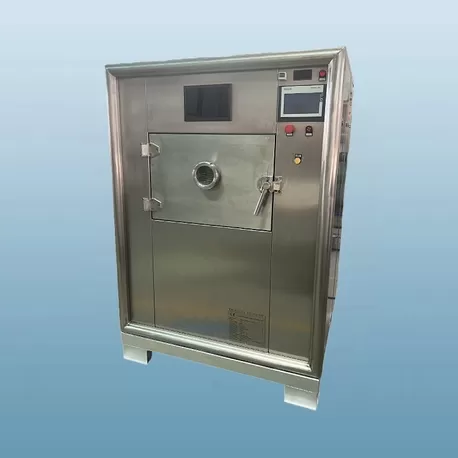
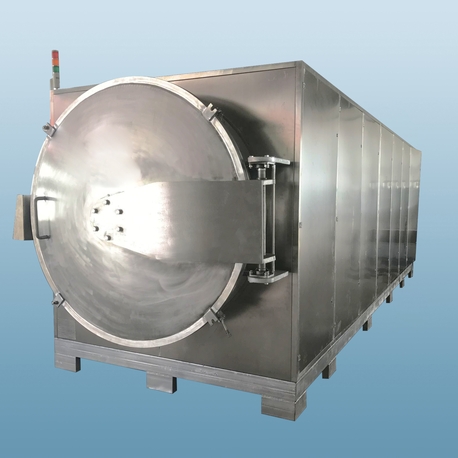
Choosing the right industrial dryer is a critical decision for any manufacturing or processing plant. The wrong equipment can lead to excessive energy costs, product inconsistency, and frequent downtime. In today's competitive market, focusing on efficiency, reliability, and adaptability is non-negotiable. This article breaks down the essential considerations to guide your investment. We'll also look at how manufacturers like Nasan integrate these principles into their drying solutions.
An industrial dryer is far more than just a source of heat. It is a precision-engineered system designed to remove moisture from bulk solids, powders, sheets, or parts consistently and safely. From food and pharmaceuticals to minerals and chemicals, the application dictates the technology. The core challenge lies in matching the dryer's capabilities to your specific material, desired throughput, and operational goals.

Energy Efficiency: The Primary Cost Factor
Operating costs for an industrial dryer are dominated by energy consumption. The most efficient models use advanced heat recovery systems. These systems capture exhaust heat and reuse it to preheat incoming air. This simple mechanism can slash fuel or electricity bills significantly.
Direct-fired dryers offer high thermal efficiency by bringing combustion gases into contact with the material. Indirect dryers use a heat exchanger, which is ideal for sensitive products. The choice depends on your product's tolerance to temperature and combustion byproducts. Modern control systems are also vital. Precise temperature and airflow management prevent over-drying, which wastes energy and can degrade product quality.
Construction and Durability for Demanding Environments
An industrial dryer must withstand harsh conditions. Abrasive materials, constant thermal cycling, and corrosive moisture demand robust construction. Look for high-grade stainless steel in key areas, especially when processing food or corrosive chemicals. The quality of welds, insulation, and component access panels directly impacts longevity.
The drying chamber, fan blades, and ducting should resist wear. Easy access for maintenance and cleaning is a feature often overlooked. A well-built dryer from a reputable manufacturer reduces lifetime costs. Brands like Nasan emphasize durable construction to ensure their systems operate reliably for years with minimal intervention.
Adapting to Your Specific Material and Process
No single industrial dryer type fits all applications. The material's physical characteristics dictate the technology.
- Belt Dryers are excellent for continuous processing of sheets, pellets, or certain foods.
- Fluidized Bed Dryers provide rapid, uniform drying for powders and granules.
- Rotary Drum Dryers are workhorses for bulk solids like minerals, fertilizers, and aggregates.
- Spray Dryers transform liquid slurries into powders, common in dairy and chemical industries.
Understanding your material's heat sensitivity, particle size, and initial moisture content is the first step. Pilot testing with a manufacturer is highly recommended. This ensures the selected industrial dryer will meet your final moisture specifications without compromising product integrity.
The Role of Automation and Smart Controls
Today's industrial dryer is often a smart node in a connected factory. Programmable Logic Controllers (PLCs) and touch-screen interfaces allow for recipe storage. This ensures repeatable results from batch to batch. Sensors monitor temperature, humidity, and pressure in real-time, allowing for automatic adjustments.
These systems can alert operators to potential issues before they cause downtime. Remote monitoring capabilities enable technical support from the manufacturer to diagnose problems quickly. This level of control is essential for quality assurance and operational efficiency in modern plants.
Safety and Regulatory Compliance
Safety is paramount. Dryers processing combustible materials must have appropriate explosion venting or suppression systems. Electrical components should be rated for the operating environment. Proper airflow design prevents the accumulation of dust or fumes, which are major safety hazards.
For food and pharmaceutical applications, compliance with sanitary standards is required. This includes features like polished stainless steel surfaces, clean-in-place (CIP) systems, and documentation for validation. Ensuring your industrial dryer supplier understands these regulatory landscapes is crucial.

Total Cost of Ownership Over Initial Price
The purchase price is just one part of the financial equation. A cheaper, less efficient industrial dryer will cost far more over five years in energy and repairs. Total Cost of Ownership (TCO) includes energy use, maintenance parts, labor, and potential production losses from downtime.
Investing in a well-designed, efficient system from a trusted supplier pays dividends. Companies like Nasan focus on designing for low TCO, providing clients with reliable performance that protects their bottom line long-term. The right partnership extends beyond the sale, offering critical support and spare parts.
Selecting an industrial dryer is a significant technical and financial decision. Prioritizing energy-efficient design, durable construction, and process suitability will ensure a reliable return on investment. By partnering with experienced manufacturers who offer robust testing and support, you can secure a system that enhances your productivity for years to come. For operations seeking durability and process efficiency, exploring the engineered solutions from providers such as Nasan is a step toward achieving those operational goals.
Frequently Asked Questions (FAQs)
Q1: What is the main difference between direct-fired and indirect-fired industrial dryers?
A1: A direct-fired industrial dryer introduces combustion gases directly into the drying chamber, offering high thermal efficiency. An indirect-fired dryer uses a heat exchanger to separate combustion gases from the product air, making it suitable for heat-sensitive or contaminant-sensitive materials.
Q2: How can I reduce the high energy consumption of my existing industrial dryer?
A2: Several retrofits can improve efficiency. Adding a heat recovery system to preheat incoming air is the most effective. Also, ensure regular maintenance of burners, check for air leaks, and optimize drying cycles with updated controls to prevent over-drying.
Q3: What maintenance is essential for an industrial dryer to ensure long life?
A3: Regular maintenance includes cleaning or replacing air filters, inspecting and lubricating fan bearings, checking heater elements or burners, and ensuring all sensors are calibrated. Following the manufacturer's scheduled maintenance plan is crucial for preventing unexpected failures.
Q4: My product is sticky and abrasive. What dryer features should I look for?
A4: For sticky and abrasive materials, look for an industrial dryer with easy-clean access, wear-resistant liners in high-impact areas, and possibly a design that minimizes areas where material can build up, such as a fluidized bed or a specially designed rotary drum with internal lifters.
Q5: Why is pilot testing often recommended before purchasing an industrial dryer?
A5: Pilot testing uses a small-scale version of the dryer to process your actual material. It verifies the drying rate, final moisture content, and product quality achieve your goals. This de-risks the capital investment by confirming the technology's suitability before purchasing a full-scale unit.