

Industrial Fruit and Vegetable Dehydrators: A Guide for Commercial Drying Efficiency
...
View Details
2026-07-11
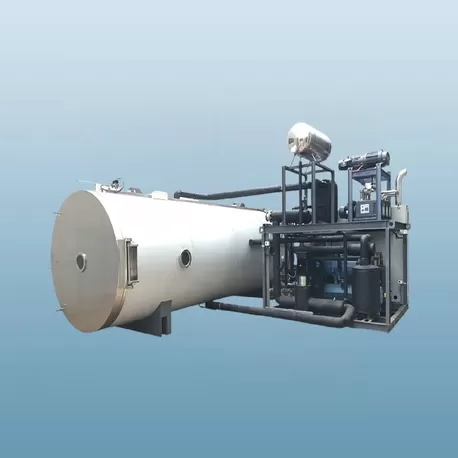
In the world of commercial food processing, extending shelf life without compromising nutritional value or taste is a constant challenge. Freezing requires costly logistics, canning alters texture, and additives are increasingly unpopular with consumers. This is where the commercial vegetable dehydrator steps in as a fundamental piece of equipment. By efficiently and consistently removing moisture, these systems transform perishable produce into lightweight, shelf-stable ingredients, snacks, and powders. For businesses scaling up from home kitchen trays to industrial output, selecting the right industrial-grade system is critical. Companies like Nasan have built a reputation for providing robust dehydration solutions that meet the rigorous demands of food production facilities worldwide.
A commercial vegetable dehydrator is far more than a large version of a home appliance. It is a precision-engineered system designed for continuous operation, uniform results, and strict adherence to food safety standards. The core principle—using controlled heat and airflow to remove water—is executed on a scale and with a consistency that small units cannot match. This process inhibits the growth of microorganisms, drastically slowing spoilage while concentrating flavors and nutrients.
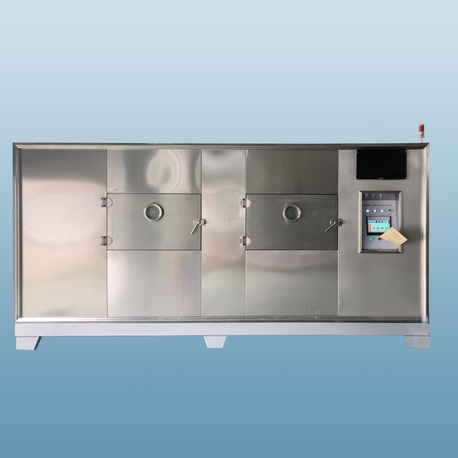
The process begins with prepared vegetables—sliced, diced, or pureed. These are loaded onto trays or conveyor belts, which are then fed into a drying chamber. Inside, a system of fans circulates heated air at carefully controlled temperatures, typically between 50°C and 70°C (122°F to 158°F) for vegetables. The low heat and constant airflow allow moisture to evaporate from the surface without cooking the food.
As the surface moisture evaporates, internal moisture migrates outward to replace it. This continues until the product reaches its target moisture content, often between 5% and 15%. Advanced industrial units feature multiple drying zones, allowing operators to adjust temperature and airflow at different stages for optimal efficiency and product quality.
The uses for an industrial vegetable dehydrator are vast and drive multiple market segments. In the snack industry, they produce kale chips, beet chips, and dried carrot sticks. For ingredient manufacturing, dehydrated onions, garlic, bell peppers, and tomatoes are essential for soup mixes, seasonings, and ready meals.
The rise of plant-based diets has increased demand for vegetable powders (like spinach or broccoli powder) used in smoothie blends, pasta, and supplements. Agricultural cooperatives use large-scale dehydrators to preserve surplus harvests, reducing waste and creating value-added products for year-round sales. Each application has specific requirements for texture, color retention, and nutrient preservation.
Choosing the wrong system can lead to uneven drying, high energy costs, and a subpar product. Capacity and throughput are the first considerations. You must calculate your required output in kilograms per hour of finished product.
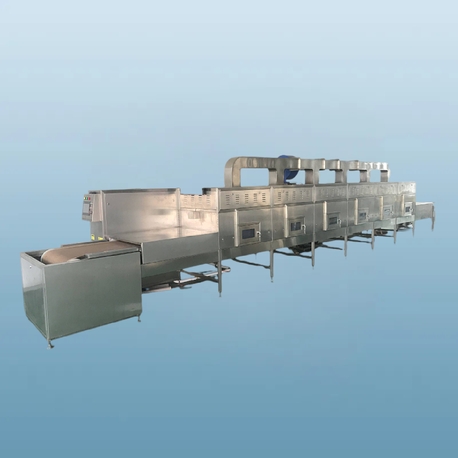
The drying method is next. The most common types for vegetables are tray dryers (batch process, good for small-batch variety) and conveyor belt dryers (continuous process, ideal for high-volume, uniform products). For purees or pastes, a drum dryer or spray dryer may be necessary.
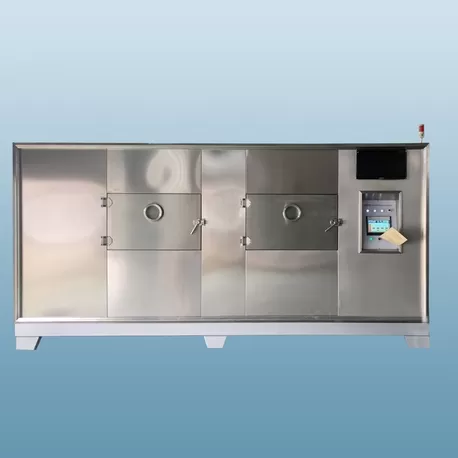
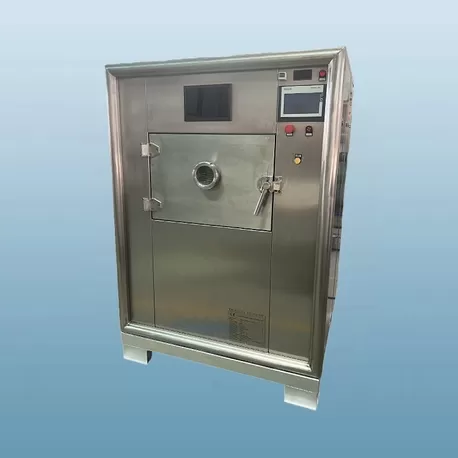
Heat source and control are vital. Options include electric, gas, or steam. Modern units feature precise digital control panels for temperature and airflow, which are non-negotiable for consistent quality. Hygiene is paramount, so look for food-grade stainless steel construction and easy-clean designs.
The price of an industrial vegetable dehydrator varies widely. A small batch cabinet dryer may start in the thousands, while a fully automated, high-capacity conveyor system can represent a six-figure investment. Key price drivers include capacity (size), the drying technology (tray vs. conveyor vs. heat pump), the level of automation, and the quality of components like fans and heaters.
However, the purchase price is only part of the story. Operational costs, primarily energy consumption, are a major ongoing expense. This is where technology choices matter greatly. Standard hot-air dryers can be energy-intensive. More advanced models, such as heat pump dehydrators, recapture waste heat, significantly improving efficiency and lowering running costs. The durability and low maintenance of a well-built unit from a supplier like Nasan can offer a better total cost of ownership over a decade, despite a potentially higher initial price.
To protect your investment, regular maintenance is essential. Daily tasks include cleaning trays, belts, and the interior chamber to prevent cross-contamination and bacterial growth. Regular inspection and lubrication of fan motors, bearings, and conveyor drives prevent unexpected breakdowns.
Filter screens for air intakes must be cleaned to maintain proper airflow. For businesses, a preventative maintenance schedule provided by the manufacturer or a qualified technician is the best strategy. Reliable suppliers offer service contracts, readily available spare parts, and technical support to minimize costly downtime, ensuring your vegetable dehydrator operates at peak efficiency.

Today’s industrial dehydrators are smarter and more efficient. Heat pump technology, as mentioned, is a game-changer for reducing energy bills by up to 60% compared to conventional dryers. Precise humidity control within the drying chamber allows for better retention of heat-sensitive vitamins and vibrant colors.
Automation and IoT integration are also transforming operations. Systems can now automatically adjust drying parameters based on real-time moisture sensors, ensuring a perfectly consistent product every time. Remote monitoring allows managers to track performance and receive maintenance alerts from anywhere. These technological edges help large-scale producers stay competitive and meet stringent quality standards.
For any business serious about producing high-quality dried vegetables at scale, an industrial vegetable dehydrator is not just an expense but a core strategic asset. It enables product diversification, reduces raw material waste, and taps into growing markets for healthy, natural foods. Success depends on careful selection, focusing on efficiency, control, and hygienic design. For those prioritizing engineering excellence and reliable performance in their drying process, the solutions offered by Nasan are certainly worth detailed consideration.
Q1: What is the main difference between a commercial and a home vegetable dehydrator?
A1: The differences are scale, control, and construction. A commercial vegetable dehydrator is built for 24/7 operation using industrial-grade stainless steel components. It offers precise, digital control over temperature and airflow for absolute consistency across large batches. Home units are smaller, use plastic, have less precise controls, and are not designed for the throughput or food safety protocols required in a commercial kitchen or factory.
Q2: What vegetables are most profitable to dehydrate commercially?
A2: High-value vegetables with strong flavor profiles and good shelf life after drying are often most profitable. This includes onions, garlic, tomatoes, mushrooms, herbs (like basil and parsley), kale for chips, and carrots for powders or snacks. The profitability also depends on your local supply chain for fresh produce and your target market (e.g., organic, restaurant ingredients, retail snacks).
Q3: How long does it take to dehydrate vegetables in an industrial machine?
A3: Drying time in an industrial vegetable dehydrator depends on the vegetable type, slice thickness, initial moisture content, and the machine's temperature/airflow settings. Thinly sliced herbs may dry in 2-4 hours, while thicker slices of beet or carrot could take 6-10 hours. Conveyor dryers have a fixed cycle time (e.g., 5 hours from feed to discharge), which is tuned for the specific product.
Q4: Do dehydrated vegetables lose their nutritional value?
A4: Some heat-sensitive nutrients, like Vitamin C, can be reduced during dehydration. However, many other nutrients, including fiber, minerals, and antioxidants, become concentrated. Using lower drying temperatures (as modern dehydrators allow) and blanching vegetables before drying can help preserve a greater percentage of vitamins. Overall, dehydrated vegetables remain a nutrient-dense food.
Q5: What are the critical food safety concerns when operating a commercial dehydrator?
A5: The primary concerns are bacterial growth and cross-contamination. If drying temperatures are too low, pathogens like E. coli or Salmonella can survive, especially in contaminated produce. Consistent, adequately high temperatures are crucial. Hygiene is equally important: the vegetable dehydrator and all trays/belts must be cleaned and sanitized regularly. Implementing a HACCP plan for your drying process is a standard industry practice to manage these risks.