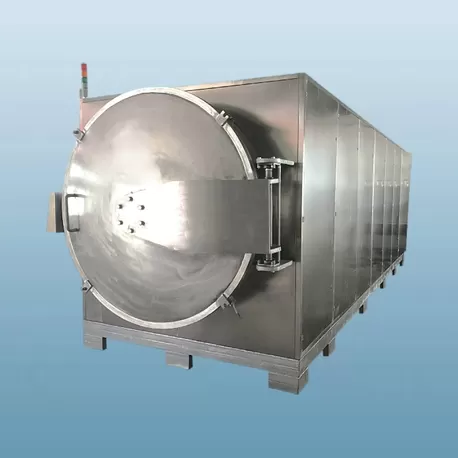
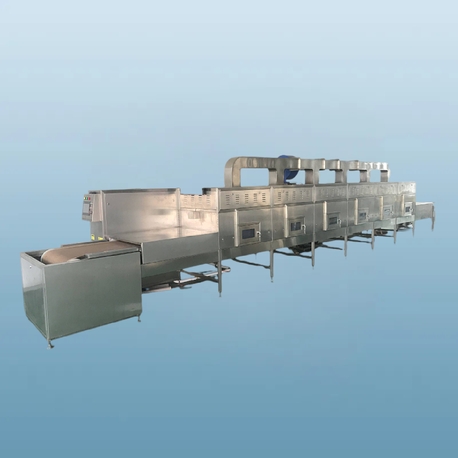
Fresh produce is a volatile asset. For food processors and agricultural businesses, the window between harvest and spoilage is where profit is either made or lost. This is where a professional fruit and vegetable dehydrator becomes a critical piece of infrastructure.
Instead of battling the clock with fresh inventory, commercial drying allows you to stabilize your raw materials. You can turn excess mangoes into premium snacks or convert surplus herbs into high-value spices. This shift doesn't just reduce waste; it opens entirely new revenue streams.
At manufacturers like Nasan, the focus has shifted from simple heating elements to sophisticated climate control. Modern drying technology is no longer just about removing water; it is about retaining color, flavor, and nutritional value while keeping energy costs manageable.

In the past, industrial drying was often synonymous with "baking." Old ovens would blast high heat at the produce. This dried the food effectively but often cooked it in the process, destroying enzymes and altering the taste.
A modern fruit and vegetable dehydrator operates differently. It functions more like an artificial ecosystem. By controlling relative humidity and airflow velocity, the machine extracts moisture from the center of the product to the surface, where it evaporates.
This precise control is essential for scalability. If you are drying one ton of apple slices, you cannot afford for the top rack to be burnt while the bottom rack is still soggy. Uniformity is the primary goal of industrial equipment.
Reducing Post-Harvest Losses
One of the biggest challenges in agriculture is the "glut" season. When tomatoes or strawberries are in peak season, the market price drops due to oversupply.
By implementing a dehydration line, you can buy or harvest during peak abundance when prices are low. You then process and store the inventory as dried goods. These can be sold year-round at a stable price, insulating your business from market volatility.
How the Industrial Drying Process Works
Understanding the workflow is important for anyone considering an investment in this machinery. While the engineering inside a fruit and vegetable dehydrator is complex, the operator experience is designed to be streamlined.
1. Preparation and Pre-treatment
Before the machine is involved, the produce must be prepped. This usually involves washing, peeling, and slicing. Uniform slicing is crucial. If slices vary in thickness, they will dry at different rates.
2. Loading the Trays
Produce is spread on stainless steel trays. Overloading is a common mistake. There must be enough space for air to circulate between the pieces.
3. Setting the Parameters
The operator sets the temperature and humidity profile. For example, delicate herbs might require a low temperature (around 40°C), while dense root vegetables might start higher.
4. The Drying Cycle
This is where the machine takes over. In a heat pump system, dry, warm air is circulated through the chamber. As the air picks up moisture from the food, it passes over an evaporator which condenses the water out. The air is then reheated and recirculated.
5. Cooling and Packaging
Once the moisture content hits the target (usually between 5% and 15%), the product must cool down before packaging to prevent condensation inside the bag.
Applications Across Different Sectors
A commercial fruit and vegetable dehydrator is not limited to just apples and carrots. The versatility of these machines allows businesses to pivot depending on market demand.
Dried Fruits:This is the most common application. Products like dried mango, pineapple rings, and apricot halves command high retail prices. The texture needs to be chewy, not brittle.
Vegetable Chips:Root vegetables like beetroots, sweet potatoes, and parsnips are often dried to a crisp texture to serve as healthy alternatives to potato chips.
Spice and Herb Production:Drying basil, parsley, or chili peppers requires low temperatures to keep the essential oils intact. High heat will vaporize the flavor profile.
Pet Treats:The same equipment is frequently used to dry meat jerky and sweet potato chews for the pet food market. The sanitation standards for these machines make them suitable for cross-industry use.
Solutions for High Energy Costs
Energy consumption is the primary concern for any drying facility. Traditional electric heating coils are expensive to run.
This is why brands like Nasan have popularized heat pump technology in their dehydrators. A heat pump acts like a reverse air conditioner. Instead of creating heat from scratch, it moves heat.
This method can save up to 70% of the energy compared to traditional electric heating or oil-burning dryers. For a factory running 24/7, this efficiency difference is often the deciding factor in profitability.

When evaluating equipment, specific technical features matter more than general claims.
Airflow Design:You need to look at how the air moves. In a "closed-loop" system, the air is recycled. This is great for energy efficiency and hygiene, as no outside dust enters the chamber.
Material Construction:The interior should be made of food-grade 304 stainless steel. It is resistant to the acidic nature of fruit juices and is easy to pressure wash during cleaning cycles.
PLC Control Systems:Manual dials are outdated. A touchscreen interface allows you to program "stages." For instance, you might want to blast at 60°C for the first two hours, then drop to 50°C for the remaining ten hours. Automation ensures consistency between batches.
Overcoming Common Drying Challenges
Even with the best fruit and vegetable dehydrator, operators face challenges. Here is how industrial solutions address them.
Uneven Drying
If you find that products near the door are wet while those near the fan are dry, the machine has poor airflow design. Commercial units use 360-degree circulation fans to eliminate dead zones.
Case Hardening
If the temperature is too high initially, the outside of the fruit dries into a hard shell, trapping moisture inside. This leads to mold later. Advanced dryers allow for humidity control, keeping the surface pores open so moisture can escape from the center.
Loss of Color
Oxidation causes browning. While some pretreatment (like lemon juice) helps, the drying speed also matters. Faster drying at controlled temperatures locks in the color better than slow, sun-drying methods.
Selecting the Right Capacity for Your Business
Sizing your machine correctly is vital. If you buy too small, you create a bottleneck. If you buy too big, you waste energy heating empty space.
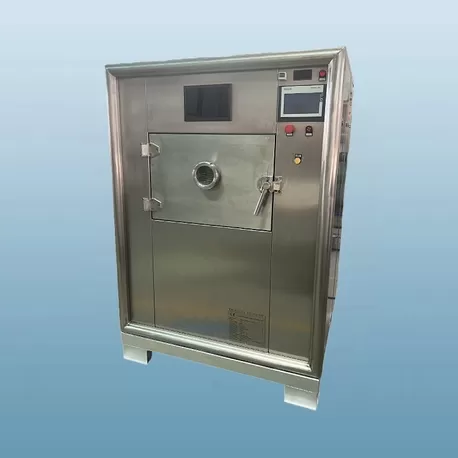
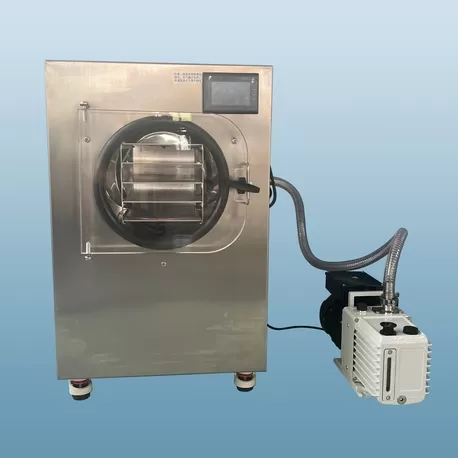
Small to Medium Enterprises:Cabinet dryers are usually sufficient. These look like large fridges and hold racks of trays. They are modular, meaning you can add more units as you grow.
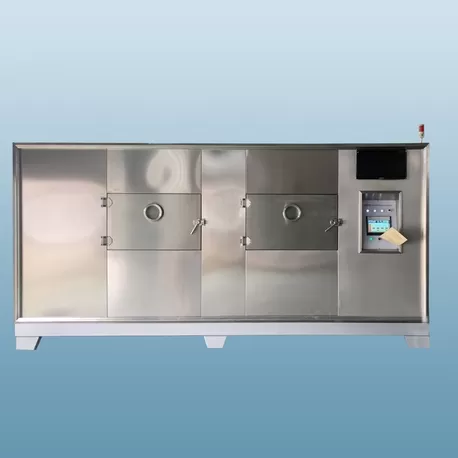
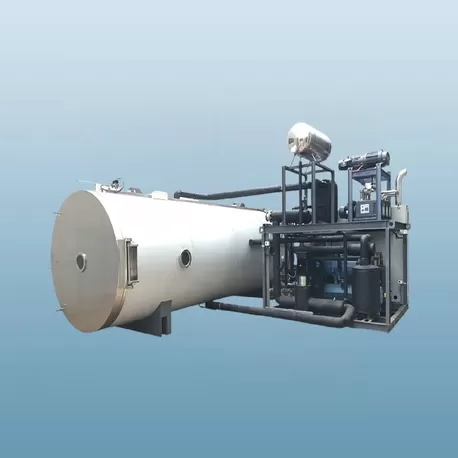
Large Industrial Operations:For large volumes, a belt dryer or a large drying room is required. In these systems, trolleys are rolled into a room-sized chamber. Nasan offers various configurations that cater to these specific volume requirements, helping businesses transition from batch processing to semi-continuous workflows.
The Economics of Dried Food
Why are so many businesses investing in a fruit and vegetable dehydrator now? The economics are compelling.
Weight Reduction:Fresh fruit is mostly water. By removing 80-90% of the weight, shipping costs drop dramatically. You can ship a truckload of dried apple chips for a fraction of the cost of shipping fresh apples.
Extended Shelf Life:Fresh produce lasts days. Dried produce lasts months or years. This allows you to hold inventory and sell when the market price is favorable, rather than being forced to sell immediately after harvest.
Value Addition:A bruised banana is unsellable. Sliced and dried, it becomes a premium oatmeal topper. Processing upgrades "waste" into "product."
Maintaining Your Equipment
To keep a fruit and vegetable dehydrator running for years, maintenance is non-negotiable.
Daily Cleaning:Sugar residues from fruit can build up on trays and floor panels. If left, these caramelize and become impossible to remove, or worse, harbor bacteria.
Filter Checks:The air intake filters must be kept clean. A clogged filter makes the fans work harder, increasing electricity usage and burning out motors.
Sensor Calibration:The humidity and temperature sensors are the brain of the machine. Once a year, these should be checked to ensure that 50°C on the screen actually means 50°C inside the chamber.
Investing in a commercial drying system is a strategic move for any food business looking to improve efficiency and reduce waste. It transforms the liability of perishable goods into the asset of shelf-stable inventory.
Whether you are drying exotic fruits for export or creating vegetable powders for the supplement industry, the technology you choose will dictate your product quality. By prioritizing energy efficiency and precise airflow—features prominent in Nasan machinery—you set your operation up for long-term reliability. The right equipment does more than just dry food; it secures the bottom line.
Frequently Asked Questions
Q1: What is the average drying time for common fruits in a commercial dehydrator?
A1: The drying time varies significantly based on the water content and sugar density of the fruit. Generally, sliced apples take between 6 to 10 hours, while high-sugar fruits like mangoes or pineapples may take 12 to 18 hours. The thickness of the slice is the biggest variable; thinner slices dry much faster.
Q2: Does a heat pump fruit and vegetable dehydrator use a lot of electricity?
A2: Compared to traditional electric resistance dryers, heat pump models are very energy efficient. They typically consume only 25% to 30% of the electricity required by conventional dryers. This is because they recycle waste heat rather than constantly generating new heat, making them the preferred choice for industrial operations concerned with operating costs.
Q3: Can I dry meat and vegetables in the same machine?
A3: Yes, the machine itself can handle both. However, it is not recommended to dry them at the same time due to cross-contamination of flavors (e.g., your apples tasting like beef jerky). You must also thoroughly clean and sanitize the interior and trays when switching between raw meats and plant-based products to meet food safety standards.
Q4: How do I know when the product is fully dried?
A4: In an industrial setting, you cannot rely on guessing. You should use a moisture meter to check the final product. Different products have different targets; for example, vegetable chips might need to be below 5% moisture to be crisp, while dried fruit might be safe at 15% moisture. A consistent texture test (snapping or bending) is also a quick manual check used by operators.
Q5: Why is the temperature control so important in a fruit and vegetable dehydrator?
A5: Temperature control affects both safety and quality. If the temperature is too low, bacteria can grow before the food dries. If it is too high, you destroy vitamins, flavor, and color (enzymatic browning). Precise temperature control allows you to maintain the "sweet spot" where moisture evaporates efficiently without cooking the food, preserving its raw nutritional profile.