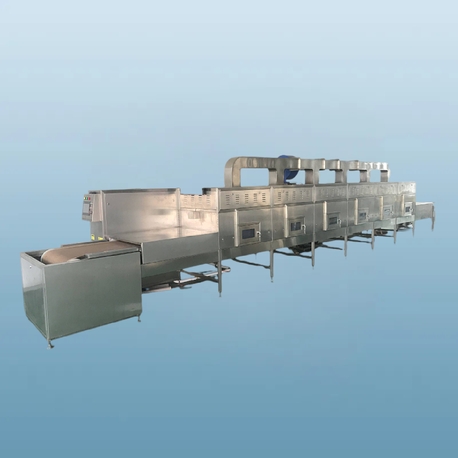

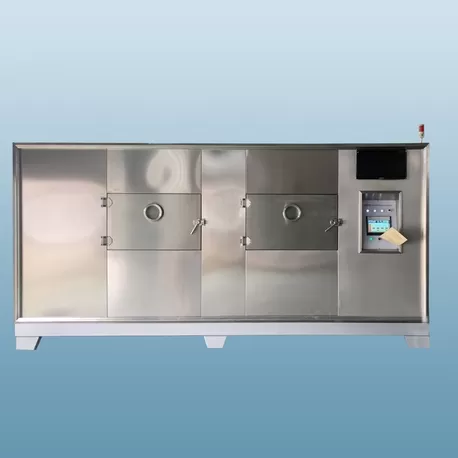
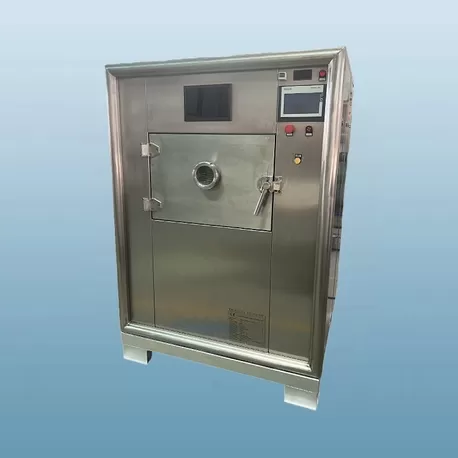
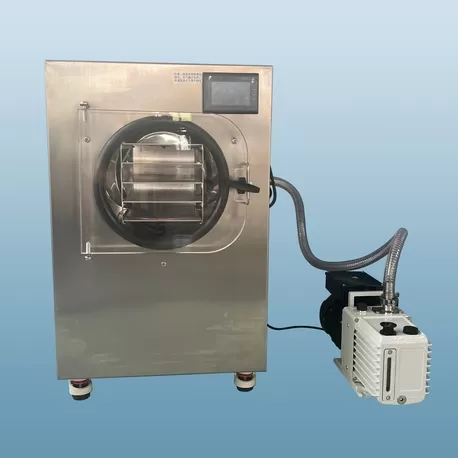
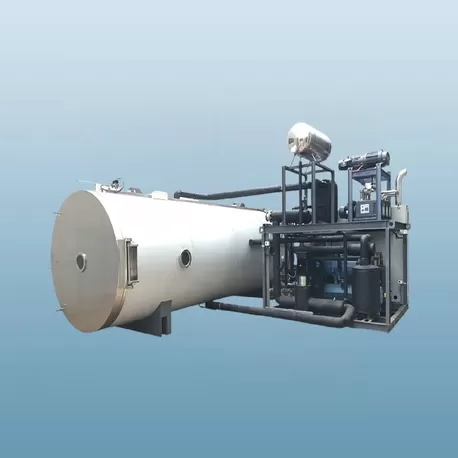
In the world of commercial food production, preserving freshness, extending shelf life, and creating value-added products are constant priorities. An industrial vegetable dehydrator serves as a fundamental tool to achieve these goals efficiently and at scale. Moving far beyond small kitchen appliances, these systems use controlled temperature and airflow to remove moisture from produce. This process inhibits the growth of spoilage microorganisms and enzymes, resulting in lightweight, shelf-stable, and nutrient-concentrated foods. For operations ranging from large-scale snack manufacturers to agricultural cooperatives, integrating a robust dehydration system is a strategic decision. Manufacturers like Nasan provide industrial-grade solutions designed for continuous operation, helping businesses transform perishable crops into profitable, long-lasting goods.

Understanding the core technology behind dehydration helps in selecting the right equipment. The principle is simple, but its precise execution on an industrial level requires sophisticated engineering.
The Science of Moisture Removal
Dehydration works by applying gentle heat and moving air across the vegetable product. The warm air raises the temperature of the food, causing moisture within it to evaporate. A constant, controlled airflow then carries this water vapor away. The key is to remove moisture efficiently without applying so much heat that it cooks the food, leading to case hardening where the exterior seals and traps interior moisture.
Primary System Components
A modern industrial vegetable dehydrator is built around several key subsystems that work in concert.
Drying Methods: Batch vs. Continuous
Industrial systems typically operate on one of two principles.
Investing in a dedicated industrial vegetable dehydrator offers distinct benefits over makeshift methods or undersized equipment. These advantages impact both product quality and the bottom line.
Extended Shelf Life and Reduced Waste
By removing the water that bacteria, yeast, and molds need to grow, dehydration can extend a vegetable's shelf life from days or weeks to months or even years. This dramatically reduces post-harvest loss, allows for long-term storage, and facilitates distribution over greater distances without costly refrigeration.
Nutrient Retention and Flavor Concentration
Properly controlled low-temperature drying preserves most vitamins and minerals far better than canning or high-heat processing. The process also concentrates the natural sugars and flavors of the vegetables, creating an intense taste and satisfying texture that is popular in snacks and ingredients.
Operational Efficiency and Cost Savings
Industrial dehydrators are built for productivity. They can process large volumes in a relatively small footprint. The reduction in product weight and volume lowers packaging and transportation costs. For businesses, this translates into the ability to preserve seasonal gluts, stabilize prices, and create new product lines from existing raw materials.
Key Applications in the Food Industry
The use of industrial dehydration spans multiple sectors within the food supply chain. It adds versatility and value to raw agricultural products.
Snack Food and Ingredient Production
This is a major application area. Dehydrated vegetables are used to create popular consumer goods and functional ingredients.
Agricultural Processing and Bulk Commodities
For farms and cooperatives, dehydration is a vital post-harvest tool. It helps manage surplus produce, creates new revenue streams, and reduces dependency on immediate fresh market sales.
Specialty and Emerging Markets
The functionality of dehydration supports niche and growing market segments.
Choosing an industrial vegetable dehydrator requires careful comparison with other preservation methods and an evaluation of different dryer types.
Dehydration vs. Freeze Drying vs. Canning
Each method has its place, and the best choice depends on the desired product characteristics and budget.
Factors for Choosing an Industrial Dehydrator
Several technical and operational factors guide the purchase decision.
Companies like Nasan offer expertise in helping clients navigate these choices, matching dryer specifications to specific production goals and constraints.

Achieving a superior, consistent dried product depends on more than just the machine. It involves careful preparation and process control.
Essential Pre-Treatment Steps
Proper preparation ensures even drying and maintains quality.
Optimizing the Drying Process
The drying cycle itself must be managed actively.
To summarize, an industrial vegetable dehydrator is a versatile and powerful asset for any business involved in food processing. It bridges the gap between perishable agricultural produce and stable, market-ready goods. By enabling waste reduction, product diversification, and efficient operation, it offers a strong return on investment. For operations seeking reliable and scalable drying performance, evaluating the engineered solutions from established providers like Nasan is a practical step toward building a more resilient and profitable food production business.
Q1: What is the typical energy consumption of an industrial vegetable dehydrator?
A1: Energy use varies significantly based on the dryer's size, design, heat source, and the product being dried. Modern, well-insulated dehydrators with heat recovery systems are far more efficient than older models. It's best to request specific energy consumption data (e.g., kWh per kg of water removed) from manufacturers for an accurate estimate based on your planned usage.
Q2: Can the same dehydrator process different types of vegetables efficiently?
A2: Yes, but with important considerations. Batch dryers are well-suited for product changeovers. However, you must adjust time, temperature, and tray loading for each vegetable type. Cleaning between batches is also crucial to prevent flavor transfer. Continuous tunnel dryers are less flexible and are typically dedicated to one product at a time for optimal efficiency.
Q3: How do I prevent discoloration in my dried vegetables?
A3: Discoloration is often caused by enzymatic activity or exposure to oxygen during drying. Pre-treatment steps are key. Blanching is the most effective method to stop enzyme action and preserve bright colors. Using dehydrators with controlled, low-oxygen environments (though more complex) or post-drying nitrogen flushing for packaging can also help.
Q4: What maintenance does an industrial dehydrator require?
A4: Regular maintenance ensures safety, efficiency, and longevity. Key tasks include cleaning air filters and fan blades to maintain airflow, inspecting and calibrating temperature and humidity sensors, checking electrical connections and heating elements, and lubricating moving parts like conveyor chains or fan motors according to the manufacturer's schedule.
Q5: What final moisture content should I aim for in dried vegetables?
A5: The target moisture content depends on the vegetable and its intended shelf life. Generally, most dried vegetables are safe and shelf-stable at a moisture content of 10% or less, which corresponds to a water activity (aw) below 0.65. Specific products like dried onions or garlic may have different standards. It is essential to follow food safety guidelines and industry standards for your specific product.