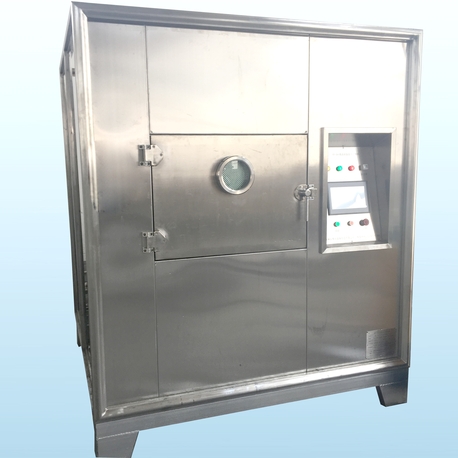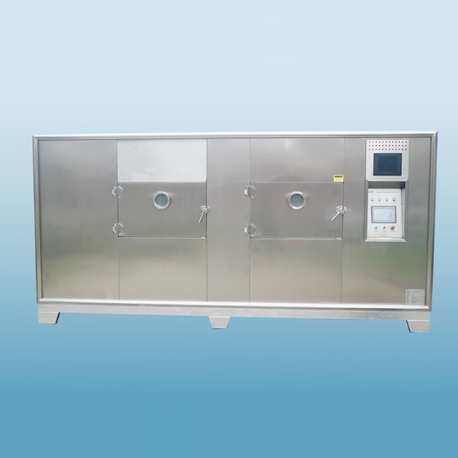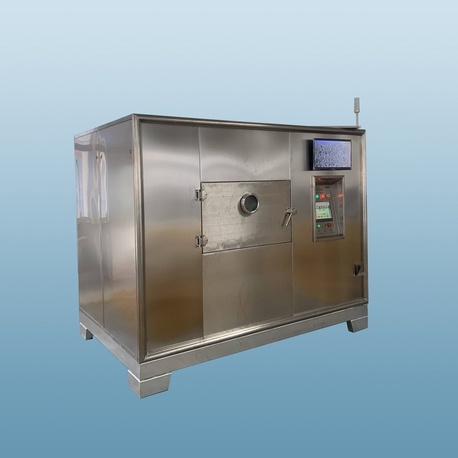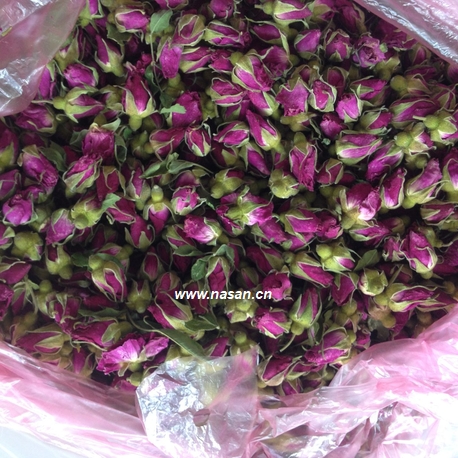



For commercial florists, tea manufacturers, and botanical processors, the clock is always ticking. Fresh blooms have a short lifespan, and traditional methods of preservation often lead to disappointment. Brown petals, lost scents, and crumbled textures are the nightmares of the industry. This is why upgrading to a professional flower dryer is not just an option; it is a necessity for scaling a business.
In the past, hanging flowers in a barn or using silica gel was sufficient for hobbyists. But when you are processing hundreds of kilograms of roses, lavender, or chamomile, those methods are too slow and inconsistent.
Industrial drying technology has evolved. It now allows businesses to lock in the vibrant colors and essential oils of plants within minutes or hours, rather than weeks. Companies like Nasan have recognized this need, developing systems that cater specifically to the delicate nature of floral tissues.
If you are looking to improve your product quality and reduce waste, here is a detailed look at how modern drying technology transforms the floral industry.

Why Traditional Drying Fails Commercial Needs
To understand the value of an industrial machine, we first have to look at why old methods fail at scale.
Air drying relies heavily on the weather. High humidity can cause mold before the flower is dry. Direct sunlight bleaches the color, turning vibrant reds into dull browns.
Silica gel produces great results but is labor-intensive. burying every single flower by hand is not feasible when you have a daily quota of 500 pounds.
A commercial flower dryer eliminates these variables. It creates a controlled environment where temperature, humidity, and airflow are precise. This consistency allows you to promise your clients a specific quality standard, shipment after shipment.
The Science Inside a Modern Flower Dryer
How does a machine dry a delicate petal without cooking it?
The technology varies, but the most efficient industrial systems often use microwave energy or vacuum technology. Unlike a standard oven that heats from the outside in, these systems target water molecules directly.
When you place blooms in an industrial flower dryer, the energy penetrates the plant material. It vibrates the water molecules, generating heat internally. The moisture turns to vapor and is immediately extracted by the exhaust system.
Because the heat comes from within, the drying process is rapid. This speed is crucial. The faster you remove the water, the less time the plant has to degrade. This is the secret to keeping that fresh-picked look.
Preserving Color and Nutrient Integrity
Color is money in the flower business. A bright yellow sunflower commands a higher price than a pale one.
Chlorophyll and other pigments break down when exposed to prolonged heat and oxygen. Standard dehydrators often take too long, leading to oxidation.
An advanced flower dryer reduces the exposure time significantly. By finishing the drying cycle in a fraction of the time required by convection ovens, the chemical structure of the pigments remains intact.
For edible flowers or tea ingredients, this also means preserving nutrients. Vitamins and antioxidants are heat-sensitive. Rapid, controlled drying ensures that the health benefits remain in the final product.
Applications Beyond Decorative Florals
When people think of dried flowers, they often think of bouquets. However, the industrial scope is much wider.
Herbal Teas:Jasmine, rosebuds, and hibiscus are staples in the tea industry. They need to be dried to a precise moisture content to prevent mold during storage while keeping their aromatic oils.
Essential Oils and Potpourri:To extract oil, you often need dried material. If the drying process is too harsh, the volatile oils evaporate. A precise flower dryer retains these oils within the plant structure until they are ready for extraction.
Confetti and Resin Art:The wedding industry is seeing a surge in biodegradable confetti. Resin artists require perfectly dry flat flowers. Industrial machines can process these bulk materials efficiently.
The Operational Workflow
Integrating a flower dryer into your production line is straightforward, but it requires a process.
1. Preparation:Fresh flowers are sorted. Damaged petals are removed. For some machines, stems are cut to a uniform length to maximize space on the belt or tray.
2. Loading:The flowers are spread out on the conveyor belt or trays. Overcrowding should be avoided to ensure even airflow and energy distribution.
3. Setting Parameters:Operators set the power level and belt speed. This varies by flower type. A thick Protea requires different settings than a delicate Pansy.
4. The Drying Cycle:The machine runs the cycle. In continuous systems, the flowers move through a tunnel. In batch systems, the chamber seals and runs for a set time.
5. Cooling and Packaging:The product exits the machine. It must cool down before packaging to prevent condensation inside the bag.
Nasan and the Move Toward Customization
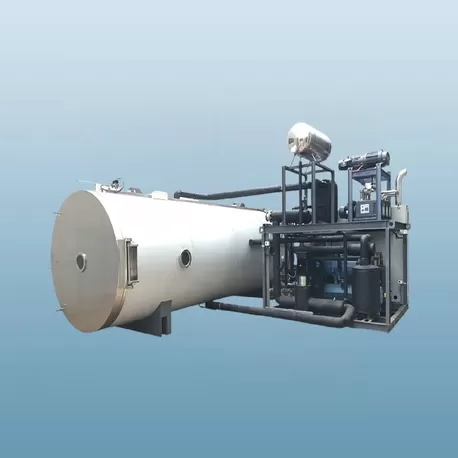
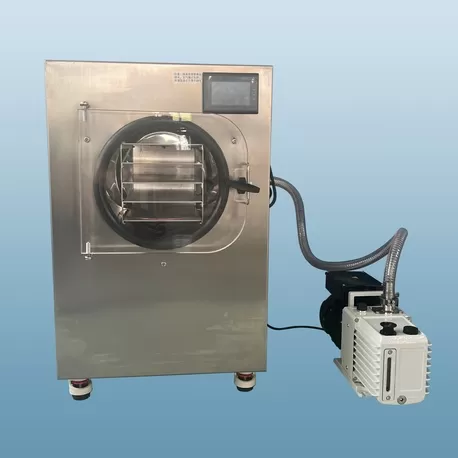
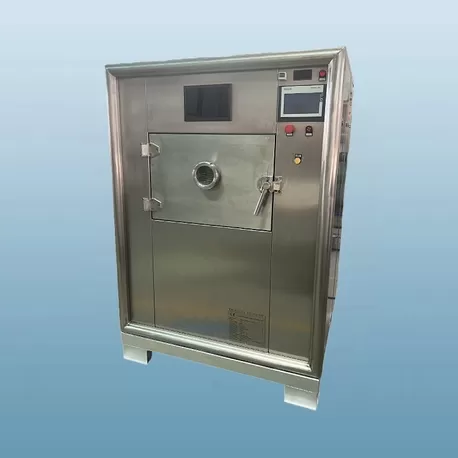
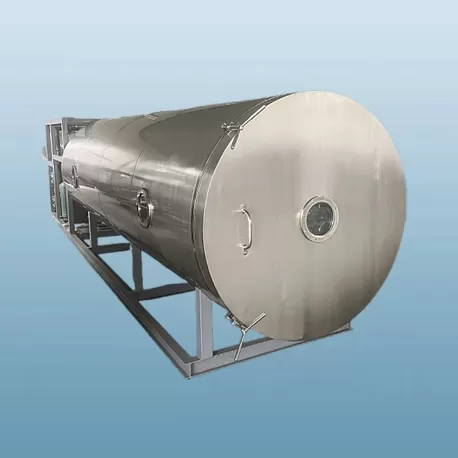
Not all facilities have the same needs. A startup might need a batch dryer, while a major exporter needs a continuous tunnel system.
This is where manufacturers like Nasan stand out. They understand that a "one size fits all" approach results in damaged product. They allow for customization in terms of power output and tunnel dimensions.
If you are drying hemp flowers, you need specific airflow to preserve terpenes. If you are drying marigolds for pigment extraction, density is key. Having a partner that tailors the equipment ensures your investment pays off.
Reducing Post-Harvest Losses
One of the biggest financial drains in agriculture and floriculture is post-harvest loss.
Fresh flowers are highly perishable. If you cannot sell your stock within a few days, it goes to the compost pile.
Owning an industrial flower dryer gives you a "Plan B." If fresh market prices drop, or if you have a surplus, you can immediately process the fresh stock into dried stock.
Dried inventory has a shelf life of months or even years. This turns a potential loss into a sellable asset that can be marketed during the off-season.
Energy Efficiency and Sustainability
Running large heating equipment can be expensive. However, modern technology has focused heavily on efficiency.
Old gas-fired dryers waste a lot of heat heating the air and the metal walls of the chamber.
Microwave-assisted flower dryer units are far more efficient because they only heat the water in the flower. The air in the chamber remains relatively cool. This means you are not paying to heat empty space.
Furthermore, because the process is so much faster, the total energy consumed per kilogram of product is often lower than slow-drying methods. This helps businesses lower their carbon footprint.
Comparing Freeze Drying vs. Heat Drying
You will often hear about freeze drying (lyophilization). While it produces excellent results, it has downsides.
Freeze dryers are incredibly expensive to buy and run. The cycle can take 24 to 48 hours. For high-volume commodities like tea flowers or potpourri, the cost is often too high to be profitable.
A thermal or microwave flower dryer offers a balance. It provides near-freeze-dried quality but at a speed and cost that makes sense for mass production. For most industrial applications, this is the logical choice.
Installation and Maintenance Considerations
When you install industrial equipment, you need to consider the infrastructure.
Ventilation:You are removing a lot of water. That moisture needs to go somewhere. A strong exhaust system is critical to prevent humidity buildup in the factory.
Power Supply:Industrial dryers run on high voltage. Ensure your facility has the electrical capacity to handle the load.
Cleaning:Floral debris can build up on belts and sensors. Regular cleaning is vital to prevent fire hazards and ensure the waves or heat reach the product evenly.

ROI: When Does the Machine Pay for Itself?
The price tag of an industrial machine can be intimidating. However, you must look at the Return on Investment (ROI).
Calculate the labor you save by not hanging flowers manually.Calculate the money saved by not throwing away spoiled fresh stock.Calculate the premium price you can charge for higher-quality, brighter dried flowers.
Most businesses find that a professional flower dryer pays for itself within 12 to 18 months of operation, simply through increased throughput and reduced waste.
Solving the "Brown Center" Problem
A common issue with thick flowers like chrysanthemums or roses is that the outside dries, but the center remains wet. This leads to rot from the inside out later on.
This happens because heat usually travels from the outside in.
Advanced drying technology solves this by penetrating the core. The energy reaches the center of the flower immediately. This ensures that the heart of the bloom is just as dry as the outer petals, guaranteeing long-term stability.
The Future of Floral Processing
The demand for natural products is growing. Consumers want natural confetti, natural tea ingredients, and natural home decor.
The industry is moving away from chemically preserved or dyed flowers. They want the real thing, preserved perfectly.
Technology is keeping pace. We are seeing smarter machines with sensors that automatically adjust power based on the moisture content of the flower.
As brands like Nasan continue to innovate, the barrier to entry lowers. High-tech drying is becoming accessible to medium-sized growers, not just massive conglomerates.
Transitioning to an industrial flower dryer is a strategic move. It gives you control over your product, your schedule, and your profitability.
It allows you to capture the beauty of the harvest and freeze it in time, ready to be sold when the market demand is highest. Whether you are in the tea business, the wedding industry, or botanical extracts, quality is your currency.
Don't let your hard work rot away or fade in the sun. Invest in technology that respects the delicacy of your crop while delivering the speed your business model requires. With the right equipment, you can turn a perishable commodity into a lasting, profitable product.
Frequently Asked Questions
Q1: Will an industrial flower dryer change the shape of the flowers?
A1: It depends on the technology used. Air-drying often leads to shriveling. However, a high-quality industrial flower dryer, particularly those using microwave technology, dries the flower quickly from the inside out. This helps maintain the structural integrity and "puffiness" of the bloom better than slow conventional oven drying, though it may not be as perfectly rigid as freeze-drying.
Q2: How long does the drying process take?
A2: The time varies significantly based on the flower type and moisture content. Thin petals like calendula might dry in minutes using microwave technology. Dense flowers like whole roses might take longer. However, compared to air drying which takes weeks, industrial machines typically finish the job in a matter of minutes to a few hours.
Q3: Is the machine difficult to operate?
A3: Modern machines are designed with user-friendly interfaces (PLC systems). Once the parameters (temperature, speed, power) are set for a specific flower type, the operation is largely automated. Operators mainly need to focus on loading and unloading. Training is usually straightforward.
Q4: Can I dry different types of flowers at the same time?
A4: It is generally not recommended to mix different types of flowers in the same batch. A thick sunflower head dries at a different rate than a delicate lavender sprig. Mixing them would result in some being over-dried (burnt) and others being under-dried. Sorting your harvest before drying ensures consistent quality.
Q5: Does the process affect the scent of the flowers?
A5: Rapid drying is actually the best way to preserve scent. Prolonged exposure to heat and air causes aromatic oils to evaporate or degrade. By reducing the drying time with a professional flower dryer, you lock in more of the essential oils, resulting in a more fragrant final product compared to sun drying.