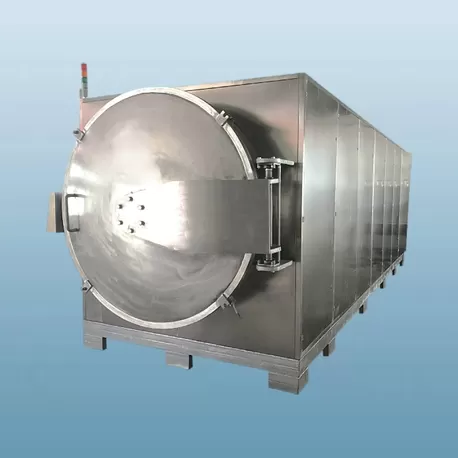
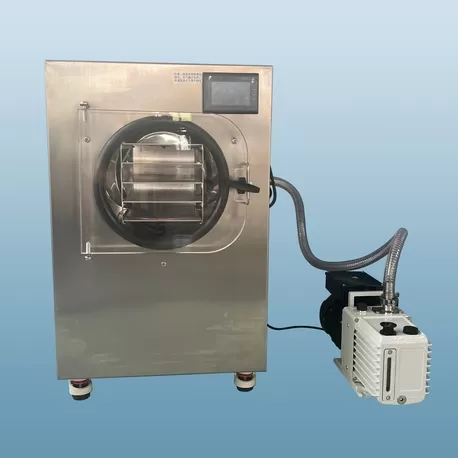
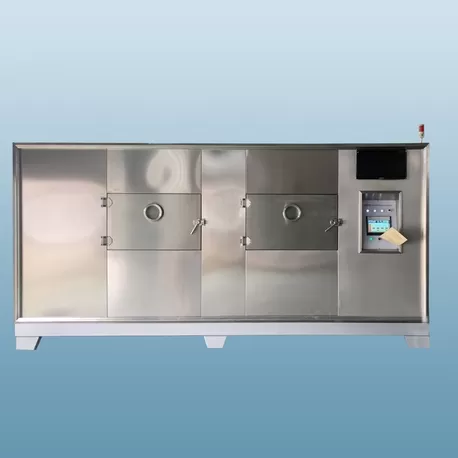
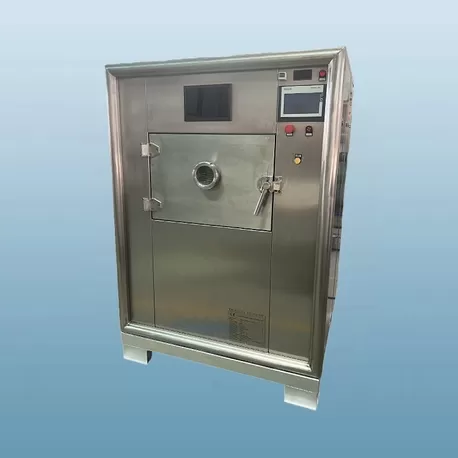
The global market for dehydrated food is expanding rapidly. Consumers are increasingly seeking shelf-stable ingredients that retain their nutritional value and flavor. For food processing businesses, the ability to dry fruit vegetable products efficiently is no longer a luxury; it is a necessity for survival.
Traditional methods, such as sun drying, are becoming obsolete in the commercial sector. They are too dependent on weather and pose significant hygiene risks. Modern manufacturing demands consistency, speed, and hygiene. This is where industrial heat pump technology steps in to revolutionize the supply chain.
Companies like Nasan have recognized this shift. They provide equipment that allows processors to turn perishable inventory into high-value commodities. Whether you are a large agricultural cooperative or a specialized food factory, understanding how to properly dehydrate fresh produce is the key to profitability.

Why Modern Factories Need to Dry Fruit Vegetable Commodities
Reliance on the sun is a gamble. An unexpected rainstorm can ruin days of work and tons of harvest. Even on sunny days, wind blows dust, pollen, and insects onto the food. In a strict food safety environment, this is unacceptable.
Controlled dehydration environments eliminate these variables. By using a closed chamber, you ensure that the product is processed under sanitary conditions. This is vital for meeting international export standards.
Furthermore, the ability to dry fruit vegetable harvests immediately allows farmers to mitigate losses during peak seasons. When the market is flooded with fresh produce and prices drop, drying preserves the value. The product can then be sold when demand rises.
The Mechanics of Heat Pump Drying Technology
The most efficient way to remove moisture on an industrial scale is through heat pump technology. Unlike traditional boilers or electric resistance heaters, heat pumps do not generate heat directly. Instead, they move heat.
The system works by extracting latent heat from the air inside the chamber. It condenses the moisture into water, which is drained away. The recovered heat is then recirculated back into the drying room.
This process significantly reduces energy consumption. For every unit of electricity consumed, a heat pump can produce three to four units of thermal energy. This efficiency lowers the cost per kilogram of the final product.
The drying process begins long before the machine is turned on. Quality in equals quality out. Material selection is the first critical step. Produce should be sorted for ripeness and size.
Washing is essential to remove soil and pesticides. Depending on the crop, peeling may be required. For example, dried apples often have the skin removed for a smoother texture, while dried apricots are kept whole.
Slicing is the most technical part of preparation. Uniform thickness ensures uniform drying. If slices vary in size, thin pieces will burn while thick pieces remain moist. This inconsistency can lead to mold growth during storage.
Heat releases moisture from the cells, but airflow carries it away. Without proper circulation, the air inside the chamber becomes saturated. This creates a steaming effect rather than a drying effect.
Industrial machines utilize complex fan systems. These fans ensure that dry, warm air reaches every corner of the chamber. There should be no "dead zones" where air remains stagnant.
Manufacturers like Nasan engineer their systems to provide 360-degree circulation. This means that trays located at the top of the rack dry at the same rate as those at the bottom. This reduces the labor cost associated with manually rotating trays.
Temperature Profiles for Different Crops
Vegetables and fruits react differently to heat. Leafy greens and herbs require low temperatures, typically around 35°C to 45°C. High heat destroys their color and essential oils.
Root vegetables and dense fruits can withstand higher temperatures, often up to 65°C or 70°C. However, the temperature must be ramped up gradually. Starting with high heat can cause "case hardening."
Case hardening happens when the surface dries too quickly, forming a hard shell. This shell traps moisture inside the center. Eventually, this internal moisture will rot the product from the inside out. A programmable machine prevents this.
Preserving Nutrition While You Dry Fruit Vegetable Stocks
One of the main selling points of dehydrated food is nutrition. Unlike canning, which uses high heat that destroys Vitamin C, gentle drying preserves most nutrients.
Enzymes are also sensitive to heat. For "raw" food markets, the internal temperature of the product must not exceed a certain threshold. Precise temperature controls allow producers to meet these niche market requirements.
The color of the final product is also a nutritional indicator. Bright colors suggest that antioxidants are intact. Brown or grey products indicate oxidation and nutrient loss.
Energy Efficiency and Operational Costs
For a factory running 24/7, electricity is a major expense. Reducing this cost directly impacts the bottom line. Heat pump dryers are currently the most energy-efficient option available.
They operate in a closed loop. Heat is not vented outside; it is recycled. This is a stark contrast to old-school oil or gas burners that pump hot exhaust into the atmosphere.
While the initial investment in a heat pump system might be higher, the operational savings are substantial. Most businesses see a return on investment within two years purely through energy savings.

Solutions to Dry Fruit Vegetable Products Without Additives
Consumers are moving away from preservatives. In the past, sulfur dioxide was commonly used to keep dried apricots orange and apples white. Today, clean labels are preferred.
To achieve good color without chemicals, the process must be fast and controlled. Rapid moisture removal in the early stages stops the enzymatic reactions that cause browning.
Some producers use natural pre-treatments, such as dipping fruit in lemon juice or salt water. These natural barriers help maintain color without frightening consumers with chemical names on the ingredient list.
Automation and Smart Controls
Modern industrial dryers are not manual machines. They are equipped with PLCs (Programmable Logic Controllers). Operators can set specific "recipes" for different crops.
For instance, a recipe for onions might involve a low starting temperature to prevent burning, followed by a blast of higher heat. A recipe for mangoes would be completely different.
Nasan integrates smart controls that allow for remote monitoring. A manager can check the humidity levels and temperature of the dryer from a smartphone. This ensures that problems are caught immediately, even during night shifts.
Versatility: One Machine for Many Uses
The equipment used to dry fruit vegetable items is versatile. It is not limited to just one type of food. The same machine can process meat for jerky, dry flowers for tea, or harden spices.
This versatility allows a business to pivot based on market trends. If the demand for dried mango drops, the factory can switch to drying tomatoes or garlic flakes without buying new machinery.
This flexibility makes the equipment a safe investment. It adapts to the changing needs of the agricultural market.
Hygiene and Maintenance Standards
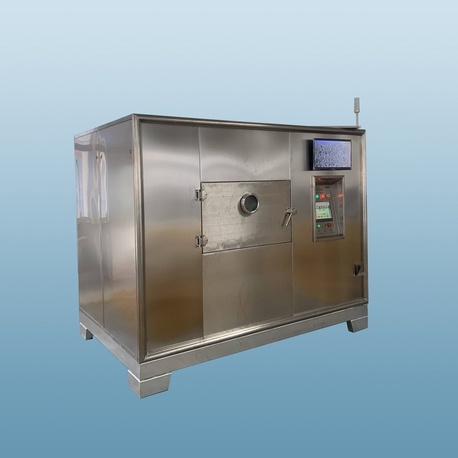
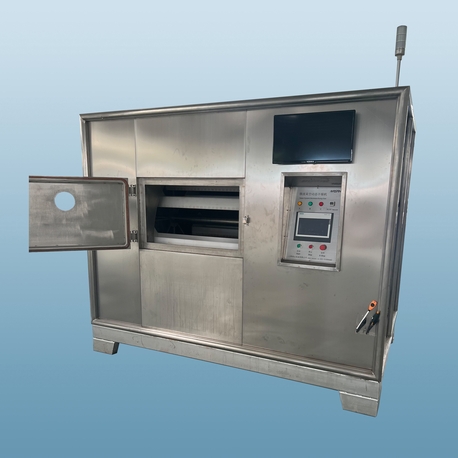
In food processing, cleanliness is paramount. The interior of the drying chamber must be easy to clean. Stainless steel is the industry standard because it resists rust and creates a hostile environment for bacteria.
Trays and racks should be washed after every cycle. Residue from sugary fruits can become a breeding ground for contaminants if left unchecked.
Air filters also need regular attention. They prevent dust from entering the system. If filters are clogged, the fans have to work harder, increasing energy use and reducing airflow.
Addressing Space and Installation Requirements
Industrial dryers are large pieces of equipment. They require adequate floor space for operation and maintenance. There must be room to load and unload trolleys efficiently.
Ventilation is also important. Even closed-loop systems produce some ambient heat. The room should be well-ventilated to keep the working environment comfortable for staff.
Strategic placement near the preparation area reduces the time produce spends sitting out. The faster the fruit moves from the slicing station to the dryer, the better the final quality.
The Role of Humidity Sensors
Guesswork is dangerous in dehydration. Removing the product too early leads to mold. Leaving it in too long wastes energy and reduces weight, which means less profit.
Modern machines use electronic humidity sensors. These sensors constantly measure the moisture content of the air inside the chamber.
Some advanced systems utilize "Auto-Stop" features. When the humidity drops to a target level, the machine automatically turns off. This guarantees consistency from batch to batch.
Scaling Up Production
Small businesses often start with single-chamber units. As demand grows, they need to scale up. Modular drying systems allow for expansion.
Instead of buying a massive machine from day one, a business can add drying units as needed. This approach manages cash flow while allowing for growth.
Standardizing the equipment makes scaling easier. Staff already know how to operate the interface, and spare parts are interchangeable between units.
Choosing the Right Partner
Buying an industrial dryer is a partnership, not just a transaction. You need technical support, spare parts availability, and advice on drying profiles.
Brands like Nasan offer this level of support. They help clients troubleshoot issues and optimize their drying recipes. This relationship is crucial for minimizing downtime.
When selecting a vendor, look for experience in your specific crop. A company that understands the nuances of drying ginger is better than a generic equipment seller.
The transition from fresh produce sales to processed food manufacturing offers immense opportunities. It stabilizes income, reduces waste, and opens up global markets. However, success depends on the technology used.
To dry fruit vegetable products to a commercial standard requires precision. It demands control over temperature, humidity, and airflow. Industrial heat pumps provide this control while keeping energy costs low.
As the food industry evolves, efficiency and quality will distinguish the leaders from the followers. By investing in reliable machinery from established manufacturers like Nasan, producers can ensure their products meet the high expectations of modern consumers. The future of food preservation is efficient, clean, and sustainable.
Frequently Asked Questions
Q1: What is the ideal temperature range to dry fruit vegetable products?
A1: The ideal temperature varies by product. Generally, fruits are dried between 55°C and 65°C, while vegetables often require slightly lower temperatures, around 50°C to 60°C. Delicate herbs should be processed below 45°C to preserve their essential oils and color.
Q2: How much energy does a heat pump dryer save compared to a traditional electric dryer?
A2: Heat pump dryers are significantly more efficient. They typically save between 60% to 75% of energy compared to traditional electric resistance dryers. This is because they recycle waste heat rather than constantly generating new heat.
Q3: Is it possible to dry different types of produce in the same batch?
A3: It is generally not recommended to mix crops. Different items have different moisture contents and drying rates. Furthermore, strong odors from items like onions or garlic can transfer to mild fruits like apples, ruining the flavor profile.
Q4: How does the drying process affect the weight of the raw material?
A4: The weight reduction is substantial. For most fruits and vegetables, the weight typically drops by 80% to 90%. For example, 10 kilograms of fresh onions might yield only 1 kilogram of dried flakes, depending on the final moisture content required.
Q5: What daily maintenance is required for these machines?
A5: Daily maintenance focuses on hygiene. Operators should clean the stainless steel trays and trolleys to prevent bacterial growth. Additionally, checking the air intake filters and wiping down the moisture sensors ensures the machine operates accurately and efficiently.