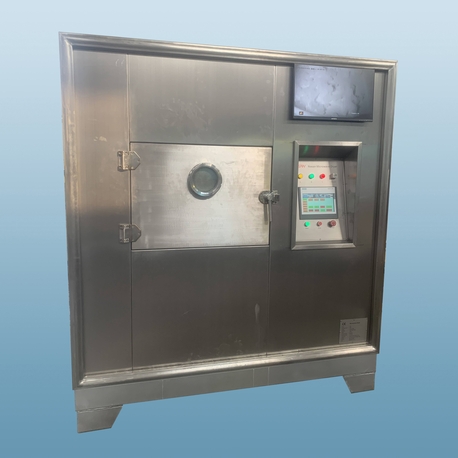

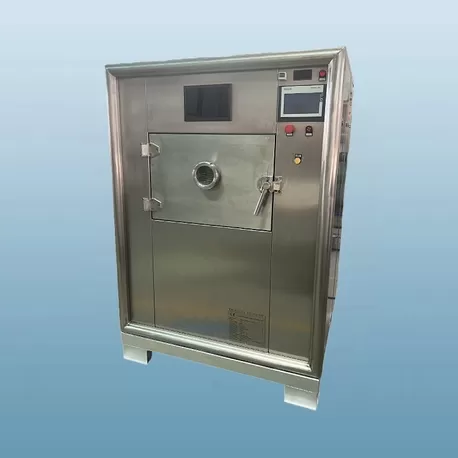
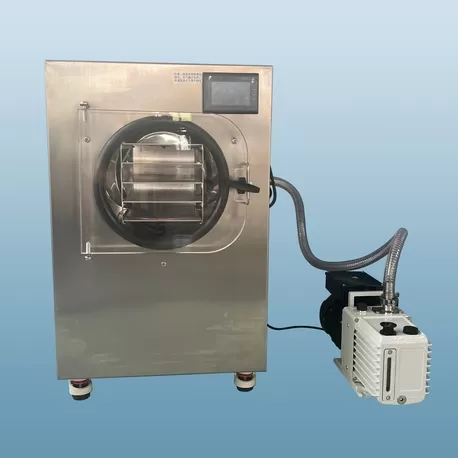
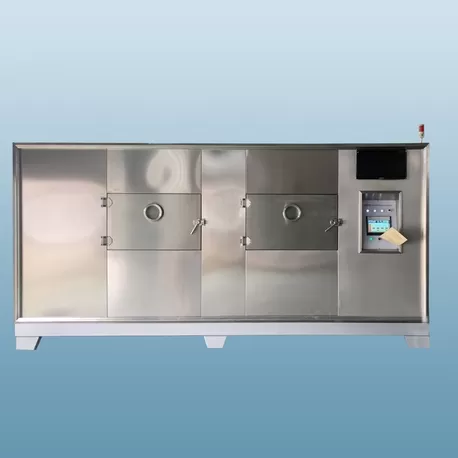
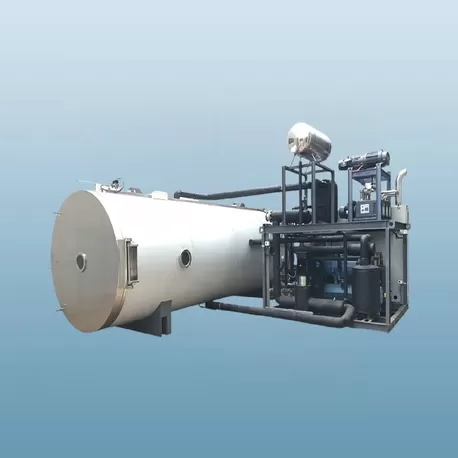
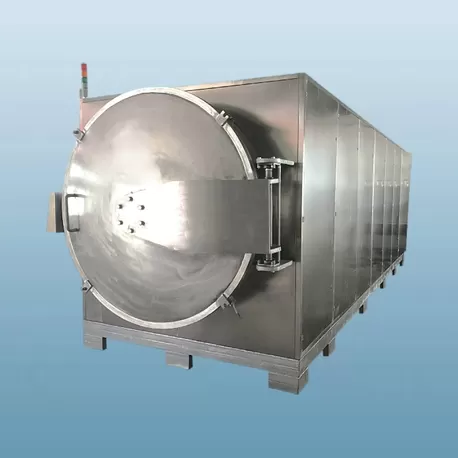
Producing high-quality beef jerky at scale requires precise control over moisture removal. Traditional methods often fall short in consistency and speed. This is where an industrial beef jerky dryer becomes essential. These specialized systems offer reliable, efficient drying for commercial operations, ensuring product safety and taste. Companies like Nasan have developed advanced dryers that meet the rigorous demands of the food processing industry. This article explains the technology behind these dryers, their benefits, and how they compare to other methods.

An industrial beef jerky dryer operates by carefully managing temperature, humidity, and airflow. The goal is to remove moisture from marinated meat slices without cooking them. This process preserves flavor and texture while extending shelf life.
The dryer uses forced air circulation to distribute heat evenly across multiple trays. Sensors monitor conditions inside the chamber, adjusting parameters in real-time. This controlled environment prevents case hardening, where the outside dries too quickly, trapping moisture inside.
Key components in a modern system include:
Heating elements that maintain low temperatures, typically between 40°C and 70°C.
High-efficiency fans for consistent airflow.
Humidity control systems to manage moisture removal rates.
Programmable logic controllers (PLCs) for automation.
This setup allows for gradual drying, which is critical for achieving the perfect chewiness and safety standards in jerky production.
Precise control separates industrial dryers from basic setups. Too high a temperature can cook the meat, altering its protein structure and taste. Too low, and drying takes too long, raising the risk of bacterial growth. A well-designed beef jerky dryer balances these factors. Brands like Nasan integrate smart controls that let operators set custom profiles for different recipes.
Commercial operations choose specialized dryers for several compelling reasons. These advantages translate to better products and higher profits.
Uniform drying is hard to achieve with manual methods. An industrial dryer ensures every batch meets the same standards. This consistency builds brand trust and reduces waste from uneven drying.
Even moisture distribution across all trays.
Controlled environment minimizes texture variations.
Repeatable results with automated cycles.
Speed matters in commercial settings. A dedicated beef jerky dryer reduces drying time compared to air drying or basic ovens. This boost in throughput helps meet high demand without sacrificing quality.
Operators can run multiple batches per day. Efficient designs from Nasan optimize space and energy use, further enhancing productivity.
Food safety regulations require precise moisture control to prevent pathogens. Industrial dryers maintain conditions that inhibit bacterial growth. They provide documentation features for audits, which is crucial for export and retail compliance.
Accurate tracking of time and temperature ensures every product is safe to eat. This reliability protects consumers and the brand's reputation.
Modern dryers are built for energy efficiency. They recirculate air and use insulated chambers to minimize heat loss. Over time, this reduces utility costs significantly. The initial investment pays off through lower operational expenses and higher output.
The use of a commercial beef jerky dryer extends beyond basic jerky production. These systems serve various segments of the food processing sector.
Big facilities need reliable equipment for continuous operation. Industrial dryers handle high volumes of meat, from beef to poultry and game. They integrate seamlessly into production lines, supporting slicing, marinating, and packaging stages.
Smaller businesses focusing on gourmet jerky also benefit. A compact dryer allows for experimentation with flavors and textures. It provides the control needed to craft premium products without scaling up to industrial sizes.
Versatile units can dry other snacks, like fruits or vegetables, offering flexibility for diverse product lines.
Companies that produce jerky for multiple brands require consistent results. An industrial dryer ensures each client's specifications are met precisely. This capability supports custom orders and bulk contracts.

Understanding how industrial dryers differ from conventional approaches highlights their value. We compare them to common alternatives.
Speed: Industrial dryers are much faster, completing the process in hours instead of days.
Consistency: Dryers offer controlled conditions; air drying depends on weather and environment.
Safety: Dryers maintain safe temperatures to prevent spoilage; air drying risks contamination.
Scalability: Dryers support large batches; air drying is limited by space and climate.
Temperature Control: Dryers provide precise low-temperature drying; ovens may run too hot, cooking the meat.
Humidity Management: Dryers actively remove moisture; ovens often lack humidity controls, leading to uneven results.
Energy Use: Dryers are optimized for drying efficiency; ovens may waste energy on excessive heating.
Product Quality: Dryers preserve jerky's texture and flavor better than ovens, which can cause toughness.
For serious producers, investing in a dedicated beef jerky dryer is a clear choice. It addresses the limitations of older methods, ensuring quality and efficiency. Brands like Nasan offer systems that outperform general-purpose equipment.
The industrial beef jerky dryer has become a cornerstone of modern meat processing. It delivers the control, speed, and safety needed for commercial success. By adopting this technology, producers can enhance product quality, meet regulatory standards, and improve profitability. As demand for jerky grows globally, reliable drying solutions will remain critical. Companies like Nasan continue to innovate, providing dryers that support both large-scale operations and specialty producers. Evaluating a professional dryer is a smart step for any business aiming to excel in this competitive market.
Q1: What is the ideal temperature range for drying beef jerky in an industrial dryer?
A1: The ideal range is typically between 40°C (104°F) and 70°C (158°F). This low and slow approach removes moisture without cooking the meat. Specific temperatures depend on the recipe and desired texture. Modern dryers, like those from Nasan, allow precise settings to optimize this range.
Q2: How long does it take to dry beef jerky in a commercial dryer?
A2: Drying time varies based on meat thickness, humidity, and temperature settings. On average, it takes 4 to 8 hours in an industrial dryer. This is significantly faster than air drying, which can take days. Automated cycles ensure consistent timing for each batch.
Q3: Can a beef jerky dryer be used for other types of meat or products?
A3: Yes, many industrial dryers are versatile. They can dry poultry, pork, fish, and even fruits or vegetables. The key is adjusting temperature and humidity profiles. Always consult the manufacturer's guidelines to ensure proper use for different products.
Q4: What maintenance is required for an industrial beef jerky dryer?
A4: Regular maintenance includes cleaning trays and chambers to prevent residue buildup, checking and replacing air filters, and calibrating sensors and controls. Following the manufacturer's schedule, such as Nasan's service recommendations, ensures long-term reliability and hygiene.
Q5: How do I choose the right size dryer for my operation?
A5: Consider your daily production volume, available space, and future growth. Calculate the batch size you need and check the dryer's tray capacity and footprint. It's wise to consult with suppliers like Nasan for a needs assessment. They can help match a system to your specific output goals.