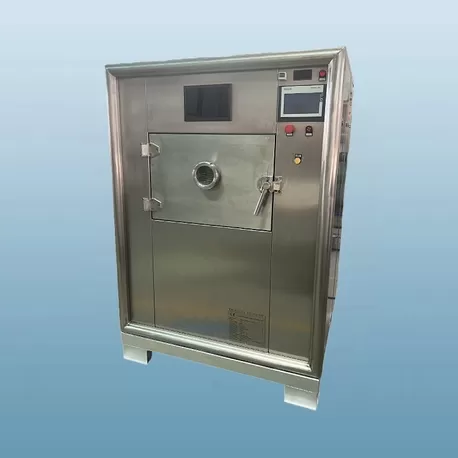
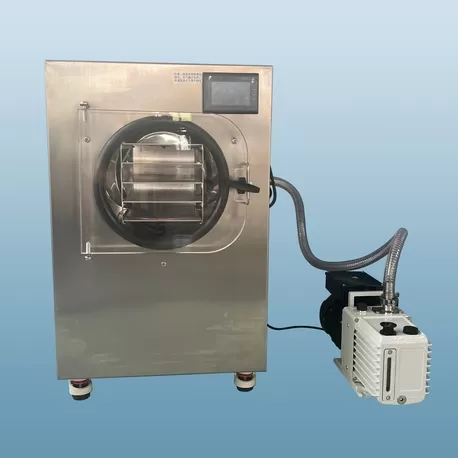
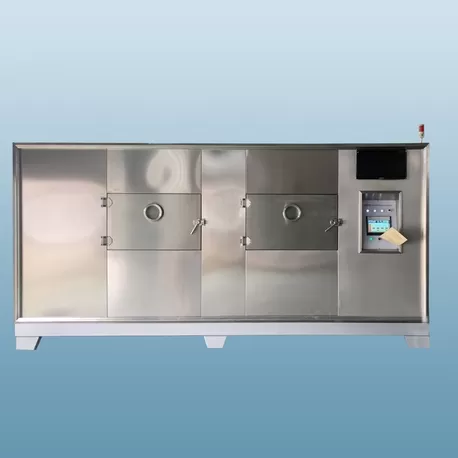
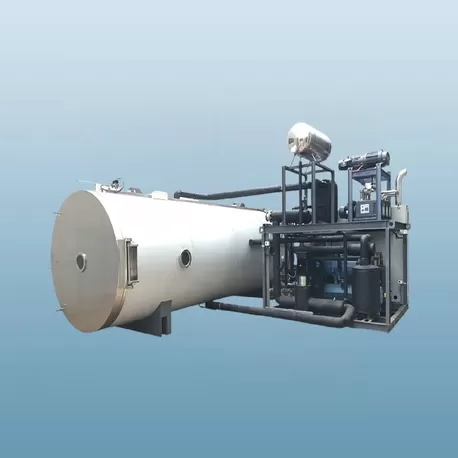
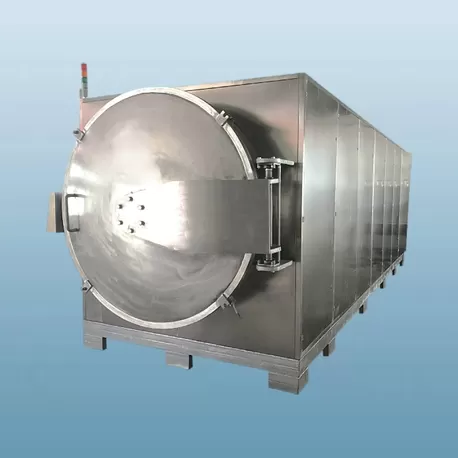
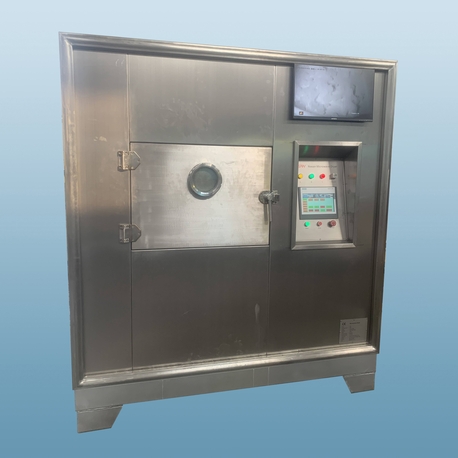
The global beef jerky market continues to grow, driven by demand for high-protein, shelf-stable snacks. For commercial producers, the single most critical piece of equipment determining product quality, consistency, and profitability is the beef jerky dryer. Moving beyond simple food dehydrators, industrial-scale beef jerky drying is a precise science that balances temperature, humidity, and airflow to achieve the perfect texture, safety, and yield. This article delves into the technical and commercial considerations for selecting and operating a commercial beef jerky dryer.
Understanding the Commercial Beef Jerky Drying Process
At its core, drying jerky is about removing moisture to prevent microbial growth. However, in a commercial context, it's not just about dehydration; it's about controlled dehydration. The process must reliably achieve a water activity (aw) level of 0.85 or below to meet food safety standards without overcooking the meat. A proper beef jerky dryer does not merely blast the meat with heat. It carefully manages the environment to ensure uniform drying from the inside out, preventing case hardening—a condition where the exterior becomes tough and leathery, trapping moisture inside.
1. Drying Technology: Heat Pump vs. Conventional Electric
The heart of any beef jerky dryer is its heating and dehumidification system. The choice here significantly impacts operating costs and product quality.
Conventional Electric Dryers: These units use electric heating elements to generate heat and often rely on simple exhaust vents to remove moisture. While they have a lower upfront cost, they are notoriously inefficient. They constantly heat incoming cold air and expel humid air, leading to high energy bills and less control over the drying climate.
Heat Pump Dryers: This is the modern standard for efficient commercial beef jerky drying. A heat pump works like a reversible air conditioner, extracting heat from the surrounding air and transferring it into the drying chamber. Crucially, it also actively condenses and removes moisture. This closed-loop system can be 60-70% more energy-efficient than conventional electric dryers. It allows for precise temperature and humidity control, which is essential for producing a consistent, high-quality product with minimal waste.
2. Capacity and Throughput: Matching Your Production Volume
Selecting the right size beef jerky dryer is a balance between current needs and future growth. Capacity is typically measured by the number of trays or the total square meterage of drying space.
Small Batch (50-100 lbs per cycle): Ideal for start-ups, specialty butchers, or farmers' markets. These often feature 10-20 trays.
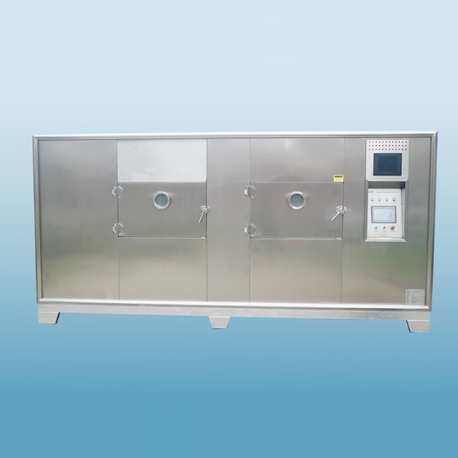
Medium-Scale (100-500 lbs per cycle): Suited for established brands supplying local retailers or online stores. These are robust cabinet dryers with multiple carts.
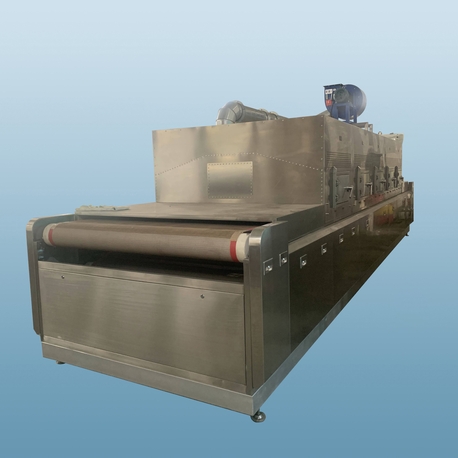
Large-Scale (500+ lbs per cycle): For national brands and co-packers. These are often continuous conveyor dryers where raw meat enters one end and finished jerky exits the other, allowing for non-stop production.
Always factor in loading, unloading, and cleaning time when calculating your actual daily throughput.
3. Precision Control Systems: The Brain of the Operation
Consistency is king in commercial food production. The control system of your beef jerky dryer is what ensures every batch is identical.
Digital PID Controllers: Look for dryers with programmable PID (Proportional-Integral-Derivative) controllers. These systems don't just turn heat on and off; they modulate power to maintain a precise temperature, avoiding fluctuations that can affect drying times and texture.
Humidity Control: Advanced dryers allow you to set and maintain specific relative humidity (RH) levels throughout the different stages of the beef jerky drying cycle. Starting with higher humidity prevents case hardening, while lower humidity in the final stages ensures the target moisture level is reached.
Programmable Recipes: The ability to save and recall drying programs for different products (e.g., traditional jerky, ground meat jerky, turkey jerky) is a massive time-saver and eliminates operator error.
4. Airflow Design: The Unsung Hero of Uniform Drying
Even temperature and humidity mean little without proper airflow. A poorly designed airflow system will create hot and cold spots, resulting in a single batch containing jerky that is burnt, perfectly dried, and under-dried.
Horizontal vs. Vertical Airflow: Horizontal airflow systems, where air moves across the trays, are generally considered superior for beef jerky drying. They provide a more uniform environment for each tray compared to some vertical systems where the top and bottom of the chamber can have significant temperature gradients.
Air Velocity: The fan system must be powerful enough to ensure consistent air movement across every tray without being so strong that it begins to "cook" the meat's surface.
5. Construction and Hygiene: Built to Last and Easy to Clean
A commercial beef jerky dryer operates in a demanding environment. Its construction materials directly impact its lifespan and your ability to maintain food safety standards.
Frame and Casing: The internal frame and external casing should be made of food-grade stainless steel (e.g., 304 or 316). It is corrosion-resistant, durable, and easy to sanitize.
Trays and Carts: Trays should be made of stainless steel or food-grade polymer and be easily removable for cleaning. Carts should roll smoothly on robust casters.
Sealing and Insulation: High-quality door seals and ample insulation (such as polyurethane foam) are essential for thermal efficiency, reducing energy costs and ensuring a stable internal climate.
6. Energy Efficiency and Total Cost of Ownership
The purchase price is only part of the investment. A cheaper, inefficient beef jerky dryer can cost far more in the long run through excessive electricity consumption.
Focus on kW per Pound: When comparing models, calculate the estimated energy consumption per pound of finished jerky. A heat pump beef jerky dryer will have a significantly lower kW/lb ratio than a conventional electric model.
ROI Calculation: The higher initial investment in an efficient heat pump dryer can often be justified by a return on investment (ROI) of less than 24 months due to energy savings and potentially higher yields from better quality control.
7. Supplier Support and Service
An industrial beef jerky dryer is a long-term asset. The manufacturer or supplier's reputation and support network are critical.
Warranty: Look for comprehensive warranties on the compressor (for heat pump models), the controller, and the overall structure.
Technical Support and Spare Parts: Ensure that spare parts (heaters, fans, controllers) are readily available and that technical support is accessible. A supplier with a global service network is a major advantage for larger operations.
Selecting the right commercial beef jerky dryer is a complex decision that directly impacts your product quality, brand reputation, and bottom line. By prioritizing advanced heat pump technology, precision controls, uniform airflow, and robust construction, you can invest in a machine that will produce superior jerky consistently and efficiently for years to come. The modern beef jerky dryer is not just an appliance; it is the core of a scalable and profitable jerky production business.
Frequently Asked Questions (FAQ)
Q1: What is the typical drying time in a commercial beef jerky dryer?
A1: Drying time varies based on meat thickness, marinade content, and the dryer's settings, but it typically ranges from 4 to 8 hours in a well-calibrated commercial beef jerky dryer. This is significantly faster than many home dehydrators due to more powerful and precise control over temperature and humidity.
Q2: Can I use a beef jerky dryer for other products?
A2: Absolutely. A high-quality commercial beef jerky dryer is versatile and can be used to dry a wide range of products, including other meat jerkies (turkey, venison), fish, fruits, vegetables, and herbs. You simply need to create and save a specific drying program for each product type.
Q3: How do I clean and maintain my industrial beef jerky dryer?
A3: Daily cleaning of trays and the interior with food-safe sanitizers is crucial. Maintenance involves regularly checking and cleaning air filters, inspecting door seals for integrity, and having a qualified technician perform an annual service on the refrigeration circuit (for heat pump models) and electrical components to ensure optimal performance and safety.
Q4: Why is my jerky coming out unevenly dried, with some pieces still soft?
A4: This is most commonly caused by one of three factors: 1) Inconsistent slicing of the meat, leading to varying thicknesses; 2) Overloading the trays, which restricts proper airflow; or 3) A flaw in the beef jerky dryer's airflow design, creating hot and cold spots within the chamber.
Q5: What is the difference between a dryer and a smoker for making jerky?
A5: A beef jerky dryer uses controlled, low-temperature air to dehydrate meat. A smoker uses heat and smoke for both flavoring and cooking/drying. While smokers can make jerky, a dedicated beef jerky dryer offers far greater control over the drying process, resulting in more consistent texture, better food safety control, and higher yields. Many commercial producers will smoke the meat for flavor first, then finish it in a beef jerky dryer for precise dehydration.