

Industrial Dehydrator Machines: A Guide for Commercial & Processing Applications
...
View Details
2026-07-17
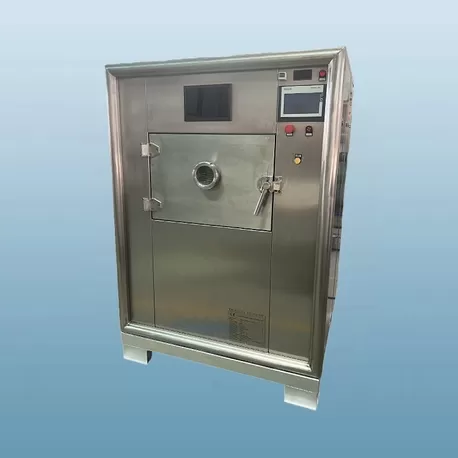
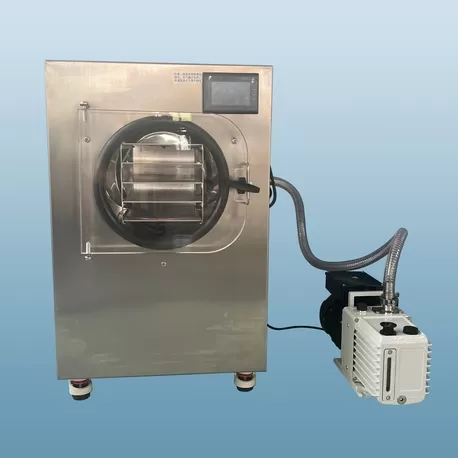
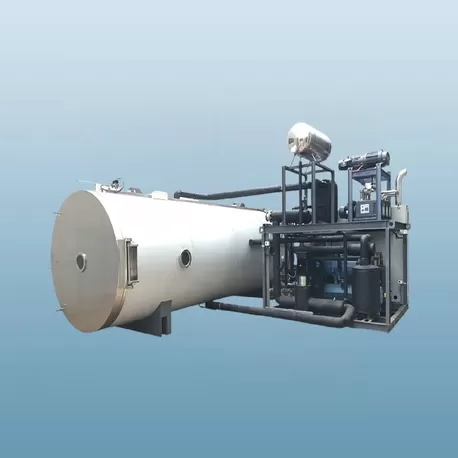
In the world of food processing, pharmaceuticals, and chemical manufacturing, controlling moisture is the most critical step. If you leave too much water in a product, it spoils. If you dry it too much, you waste energy or ruin the texture. This is where a high-quality dehydrator machine becomes the most valuable asset in your factory.
For years, businesses relied on the sun or simple ovens. But today, the technology has changed. A commercial dehydrator machine offers precision that old methods cannot match. It gives you control over temperature, humidity, and airflow. Whether you are making beef jerky, dried fruit, or chemical powders, the right equipment ensures consistency.
Companies like Nasan have stepped up to provide advanced solutions in this space. They understand that reliability is just as important as speed. In this post, we will look at how these machines work, where they are used, and why upgrading your equipment is a smart move for your bottom line.

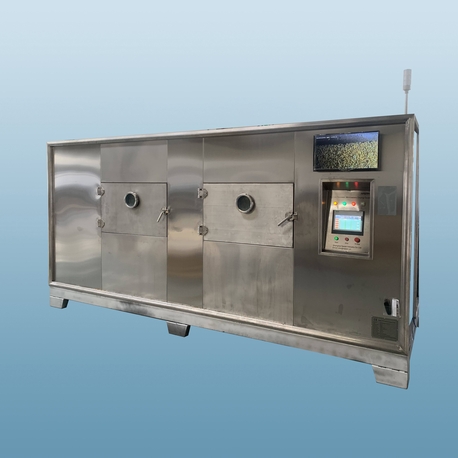
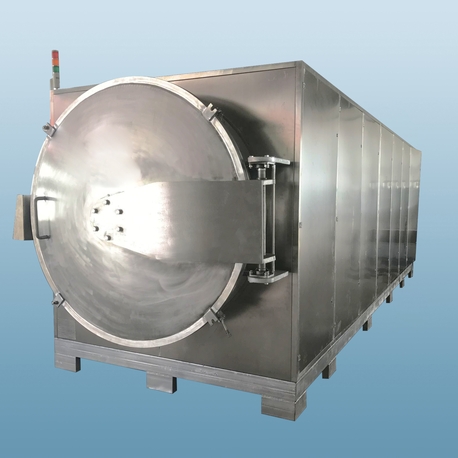
A dehydrator machine in an industrial setting is a large-scale system designed to remove moisture from raw materials. Unlike the small plastic units found in home kitchens, these are built from heavy-duty stainless steel. They are designed to run 24 hours a day, 7 days a week.
The core function is simple: heat transfer and mass transfer. The machine applies heat to the product, causing water to evaporate. Then, it removes that water vapor from the chamber. However, the engineering behind a modern dehydrator machine is complex. It must ensure that every tray or every inch of the conveyor belt receives the same amount of heat.
If the airflow is uneven, some parts dry faster than others. This leads to waste. A professional dehydrator machine solves this with sophisticated fan systems and sensors.
Not every dehydrator machine works the same way. Depending on your product, you might need different heating sources.
This is the most common type of dehydrator machine. It uses electric heating elements, steam, or gas to heat air. Fans circulate this hot air around the product. It is reliable and cost-effective for general drying needs like vegetables or simple industrial parts.
For energy-conscious factories, a heat pump dehydrator machine is the top choice. Instead of venting hot, moist air outside, it captures the heat and recycles it. It works like an air conditioner in reverse. This can save up to 70% of energy compared to traditional electric heaters. It operates at lower temperatures, which is great for preserving color in fruits.
This is where speed comes in. A microwave dehydrator machine heats the water inside the product directly. It does not need to heat the air first. This results in incredibly fast drying times. Manufacturers like Nasan are well-known for integrating this technology, helping factories reduce processing time from days to minutes.
The versatility of a dehydrator machine allows it to serve many industries. Here is where they are most commonly found.
This is the biggest market. A dehydrator machine is used to make snacks like mango slices, apple chips, and raisins. It is essential for the meat industry to produce jerky and cured sausages.
Preservation is the goal. By lowering water activity, bacteria cannot grow. This extends shelf life from days to years without using chemical preservatives.
Pet owners want natural treats. A dehydrator machine allows manufacturers to dry chicken breast, liver, and sweet potatoes for dogs and cats. The machine preserves the nutritional value of the meat, which is a huge selling point for pet food brands.
Pills, granules, and powders must have exact moisture levels. If a pill is too wet, it might crumble or mold. A dehydrator machine in this sector usually requires high-end sanitary standards. The machine must be easy to clean to prevent cross-contamination between batches.
Farmers use a dehydrator machine to save their harvest. Fresh herbs, tea leaves, and flowers are dried immediately after picking. This locks in the aroma and essential oils. Without a machine, these crops would rot before reaching the market.
Using an industrial dehydrator machine is a structured process. Here is how a typical workflow looks.
1. PreparationThe raw material is washed, peeled, and sliced. Uniform slicing is important. If slices vary in thickness, the dehydrator machine will dry them unevenly.
2. LoadingThe product is placed on trays or a conveyor belt. Operators must ensure the product is not stacked too high. Overloading the dehydrator machine blocks airflow and slows down the process.
3. Setting ParametersThe operator sets the target temperature and time. Advanced machines allow for "stage drying." For example, the dehydrator machine might start at a high temperature to remove surface water quickly, then lower the heat to finish the center gently.
4. The Drying CycleThe machine runs automatically. Sensors monitor the humidity inside the chamber. When the humidity drops to the set level, the cycle is complete.
5. Cooling and PackagingYou cannot pack hot food. It must cool down first. Some systems have a cooling section built into the dehydrator machine. Once cool, the product goes to packaging.
Running a dehydrator machine requires power. For a factory, energy bills are a major cost. This is why selecting the right machine is vital.
Old machines simply vent hot air out of a chimney. You are essentially throwing money out the window. A modern dehydrator machine uses insulation and heat recovery systems.
Heat pump technology is the leader here. By recycling latent heat, a heat pump dehydrator machine drastically lowers operating costs. Although the upfront cost is higher, the savings on electricity pay for the machine in one or two years.
One common issue in drying is "case hardening." This happens when the outside of the product dries too fast. It forms a hard shell. This shell traps moisture inside the center.
This often leads to the product rotting from the inside later on. A cheap dehydrator machine often causes this because it only blasts hot air.
A quality dehydrator machine uses controlled humidity. It keeps the air slightly moist at the beginning of the cycle. This keeps the pores of the surface open, allowing internal moisture to escape. Brands like Nasan design their control systems to manage this delicate balance automatically.
In the food and pharma sectors, the material of the dehydrator machine is non-negotiable. It must be food-grade stainless steel, typically SS304 or SS316.
Carbon steel or painted iron will eventually rust. Rust cannot be allowed near food. A stainless steel dehydrator machine is easy to wash down. It resists corrosion from fruit acids and cleaning chemicals.
Furthermore, the design must avoid "dead corners." These are spots where dust or food particles accumulate and rot. A sanitary dehydrator machine has smooth welds and accessible panels for cleaning.
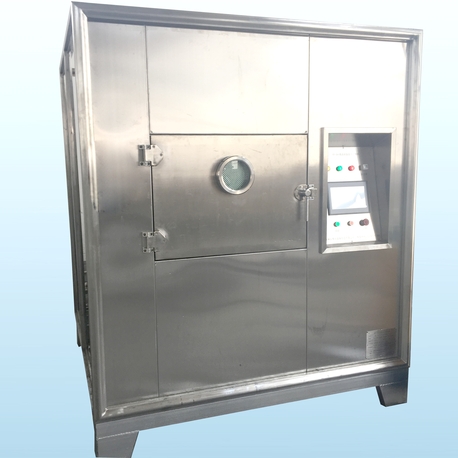
A standalone dehydrator machine is fine for small batches. However, large factories need automation.
Continuous belt dryers are the solution. The dehydrator machine becomes part of a tunnel. Wet product enters one end and dry product exits the other.
This reduces labor costs. You do not need workers to load and unload trays manually. The dehydrator machine can be synced with slicers and packaging machines to create a fully automated line.
Different products need different temperatures. Herbs are delicate. If the dehydrator machine is too hot (above 40°C or 50°C), the herbs turn brown and lose flavor.
Meat, on the other hand, needs a higher temperature initially to kill pathogens. A flexible dehydrator machine offers a wide temperature range, usually from 30°C to 90°C.
Precision is key. A fluctuation of 5 degrees can ruin a batch of high-value saffron or medical cannabis. Therefore, the thermostat and sensors in your dehydrator machine must be calibrated and accurate.
Buying a dehydrator machine is a long-term investment. You need a manufacturer who provides support after the sale.
Spare parts availability is crucial. If a heating element breaks, you need a replacement immediately. You also need a partner who understands your specific material.
Nasan has gained a reputation for consulting with clients. They often test the customer's material in their lab to find the perfect drying curve. This ensures that when the dehydrator machine arrives at your factory, it is ready to work efficiently.
Many buyers look only at the price tag. Buying the cheapest dehydrator machine is often a mistake.
Cheap machines often have poor insulation. They leak heat into your factory, making the room hot and wasting electricity. They also tend to have weak fans, leading to uneven drying.
Another mistake is underestimating capacity. Always buy a dehydrator machine that handles slightly more than your current production needs. This gives you room to grow without buying a second machine immediately.
The industry is moving toward smart manufacturing. The next generation of dehydrator machine models will feature AI integration.
These machines will "learn" from previous batches. If the ambient humidity in the factory changes, the dehydrator machine will self-adjust to maintain consistency.
Remote monitoring is also becoming standard. Managers can check the status of the dehydrator machine from their smartphones. They can see temperature graphs and error logs without being on the factory floor.
Moisture control is the backbone of product quality in many industries. Whether you are preserving food, creating pharmaceuticals, or processing chemicals, a reliable dehydrator machine is essential.
It saves time, reduces waste, and allows you to scale your business. Moving from manual drying to a professional system improves consistency and hygiene.
When selecting your equipment, look for energy efficiency, build quality, and precise control systems. Companies like Nasan offer the robust technology required to compete in the global market. Investing in a high-quality dehydrator machine is not just an expense; it is a direct investment in the quality of your final product.
Q1: How much electricity does a commercial dehydrator machine consume?
A1: The consumption depends on the heating method. A heat pump dehydrator machine typically consumes 1kW of electricity to generate 3kW to 4kW of heat energy. Traditional electric heating dryers consume significantly more. The exact cost depends on your local electricity rates and the moisture content of your product.
Q2: Can I dry different products in the same dehydrator machine at the same time?
A2: It is generally not recommended. Different products have different humidity release rates and strong smells. For example, if you dry fish and apples in the same dehydrator machine, the apples will absorb the fishy odor. It is better to dry one type of product per batch.
Q3: What is the typical drying time for beef jerky in a commercial machine?
A3: In a high-efficiency dehydrator machine, beef jerky usually takes between 4 to 6 hours. This depends on the thickness of the meat slices and the temperature settings. Older, less efficient units might take 8 to 12 hours.
Q4: How do I clean a large industrial dehydrator machine?
A4: Most industrial units are designed with waterproofing. You can remove the trays or conveyor belts for high-pressure washing. The interior of the dehydrator machine should be wiped down with food-safe sanitizers. Regular cleaning of air filters is also required to maintain airflow.
Q5: What is the difference between a freeze dryer and a dehydrator machine?
A5: A freeze dryer uses a vacuum and freezing temperatures to sublime water. It preserves texture perfectly but is extremely expensive and slow. A standard dehydrator machine uses heat and airflow. It is much faster, significantly cheaper to buy and operate, and is suitable for 95% of commercial food processing needs.
Q6: Can Nasan build a custom dehydrator machine for my factory layout?
A6: Yes, manufacturers like Nasan offer customization. They can adjust the dimensions, the number of trolleys, or the length of the conveyor belt to fit your specific floor plan and production capacity requirements.