News Categories

Hot Articles

Industrial Dehydrator Machines: A Guide for Commercial & Processing Applications

Source:NASAN
Published on:2026-01-27 17:55:10
Industrial Dehydrator Machines: A Guide for Commercial & Processing Applications

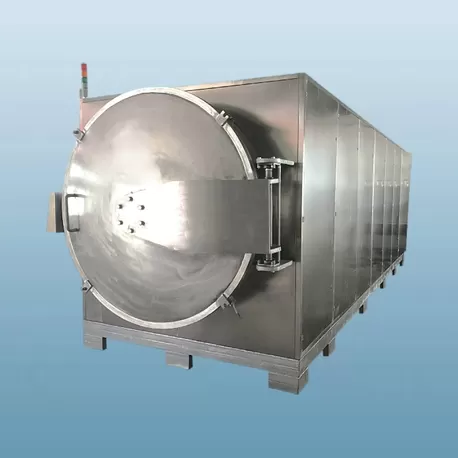
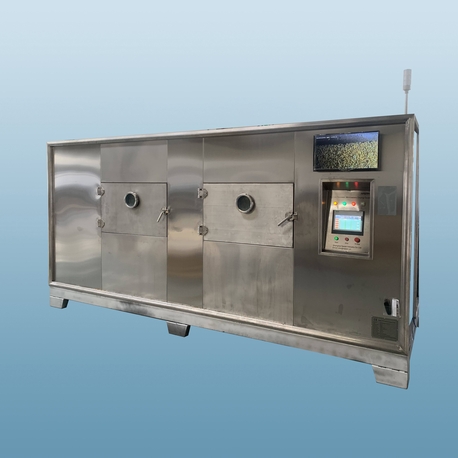
Across the globe, industries require efficient methods to remove moisture from raw materials. This process preserves products, reduces weight for shipping, and prepares items for further manufacturing stages. For many operations, the industrial **dehydrator machine** stands as the most reliable and versatile solution. Unlike simple kitchen appliances, these commercial units are engineered for continuous, high-volume output with precise control. Brands like Nasan have developed robust systems that cater to the stringent demands of food processing, pharmaceuticals, and chemical production, ensuring consistent results batch after batch.

How an Industrial Dehydrator Machine Operates

The principle behind a commercial **dehydrator machine** is controlled evaporation. It creates an ideal environment where warm, dry air circulates around the product, gently drawing out moisture without cooking or damaging the material's core structure.

Core Components and Process Flow

An industrial system is built around several key parts working in unison. The process is straightforward but highly effective.

  • Air Intake and Heating: Ambient air is drawn into the system and passed over electric or steam-heated elements. Temperature can be precisely regulated, often from 30°C to over 200°C.

  • Forced Air Circulation: Powerful, industrial-grade fans distribute the heated air evenly throughout the drying chamber. Uniform airflow is critical to prevent uneven drying.

  • Product Trays or Conveyors: Material is placed on stainless steel trays or moved through the chamber on a continuous conveyor belt, maximizing exposure to the air.

  • Humidity Exhaust: As the air picks up moisture from the product, it becomes humid. The system actively vents this damp air, replacing it with fresh, dry air to maintain drying efficiency.

Key Advantages of Using a Commercial Dehydrator

Choosing the right **dehydrator machine** for industrial use brings tangible benefits that affect product quality, operational cost, and scalability.

Preservation of Quality and Nutrients

Low-temperature drying settings are ideal for sensitive products. This gentle process helps retain vital nutrients in foods, the potency of medicinal herbs, and the active enzymes in various biological materials. Color, flavor, and aroma are conserved far better than with aggressive high-heat methods.

Energy Efficiency and Cost Control

Modern dehydrators are designed to use energy intelligently. Precise temperature control and well-insulated chambers prevent heat waste. Compared to large oven dryers or spray dryers, a well-sized **dehydrator machine** often uses less energy per kilogram of product dried, leading to lower utility bills.

Consistency and Process Control

Repeatability is a major strength. Operators set exact parameters for time, temperature, and airflow. This ensures that every batch meets the same moisture content specification, which is vital for product safety, shelf life, and compliance with industry standards. Manufacturers like Nasan integrate advanced control panels for this precise management.

Scalability and Versatility

From pilot-scale testing to full production lines, the technology scales effectively. The same basic principle applies whether drying fruits, ceramics, or textiles. Simply adjusting the tray configuration, temperature profile, and cycle time allows one type of machine to process a wide array of materials.

Primary Industrial Applications for Dehydrator Machines

The use of commercial dehydrators spans numerous sectors. They solve specific moisture-related challenges in each field.

Food and Agricultural Processing

This is the most common application. Units produce shelf-stable ingredients and snacks with concentrated flavors.        
- Drying fruits (mangoes, bananas, apples) and vegetables for snacks or ingredients.        
- Preserving herbs, spices, and teas to lock in essential oils.        
- Making meat jerky and fish products at a commercial scale.        
- Processing grains and cereals to a safe storage moisture level.

Pharmaceutical and Herbal Industries

Here, precision and hygiene are paramount. Stainless steel construction and cleanable interiors are standard. Dehydrators gently dry medicinal plant leaves, roots, and powders without degrading their active compounds. They are also used for drying certain pill formulations and lab samples.

Chemical and Industrial Manufacturing

Many non-food products require drying. A commercial **dehydrator machine** can handle tasks like drying chemical crystals, certain plastics, filtered precipitates, and specialty clays. The controlled environment prevents contamination and ensures uniform dryness, which is critical for subsequent processing steps.

Dehydrator vs. Other Industrial Drying Methods

How does dehydration stack up against alternative technologies? The best choice depends on the product and production goals.

Compared to Tray or Cabinet Ovens

  • Mechanism: Dehydrator: Circulates heated air. Oven: Often relies on radiant heat and natural convection.

  • Efficiency: Dehydrator: Generally more energy-efficient due to targeted airflow and ventilation. Oven: Can lose more heat to the surrounding environment.

  • Result: Dehydrator: More uniform drying, lower risk of case-hardening. Oven: May create hot spots leading to uneven drying.

Compared to Freeze Dryers (Lyophilizers)

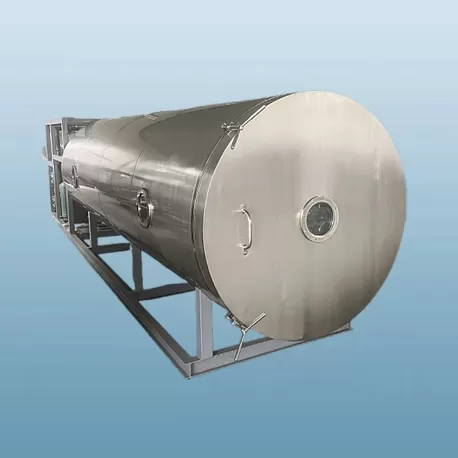
Freeze drying is excellent for preserving structure and nutrients but operates in a different class. It is a much slower, more complex, and significantly more expensive process both in equipment cost and energy consumption. A **dehydrator machine** offers a far more cost-effective solution for products where perfect structural retention is not the primary requirement.

Compared to Spray Drying

Spray drying is for liquids and slurries, transforming them into powder instantly. It is not suitable for solid pieces. Dehydrators are the go-to for solid, whole, or sliced materials. For some product lines, a dehydrator from a supplier like Nasan provides the right balance of gentle processing and throughput for solid foods or materials.

Conclusion: Making an Informed Drying Investment

Selecting the right drying technology is a significant decision for any processing business. For a vast range of solid and semi-solid materials, the industrial **dehydrator machine** proves to be a workhorse of consistency, quality, and operational efficiency. Its gentle, controlled approach to moisture removal makes it indispensable in industries where preserving the intrinsic properties of a product is as important as drying it. When evaluating equipment, consider factors like chamber size, heating source, airflow design, and control sophistication. Partnering with an established manufacturer known for durability and support, such as Nasan, provides long-term value and reliability. By implementing the correct dehydrator, businesses can enhance product quality, optimize production costs, and build a more resilient and scalable operation.

Frequently Asked Questions (FAQs)

Q1: What types of materials are NOT suitable for a dehydrator machine?
       A1: Industrial dehydrators are best for solid or semi-solid materials. Pure liquids, oily products that can drip and cause a fire hazard, or materials with extremely high initial moisture content (like slurries) are better suited for other methods like spray drying or drum drying.

Q2: How do I determine the right capacity and size for my needs?
       A2: Capacity is based on the weight of wet product you need to process per batch or per day. Consider your raw material's moisture content and your desired finished moisture level. Reputable suppliers like Nasan often offer testing services or can recommend sizing based on your specific product data and production goals.

Q3: Are commercial dehydrators expensive to run?
       A3: Operating costs are primarily electricity or steam for heating. Modern, well-insulated units are designed for efficiency. While there is an energy cost, it is often lower per unit of output than less targeted drying methods. The savings from reduced product waste and higher quality can offset the utility costs.

Q4: How important is the construction material (like stainless steel)?
       A4: It is very important, especially for food and pharmaceutical use. Stainless steel (often grade 304 or 316) is non-corrosive, easy to clean, and meets strict hygiene standards. It ensures no contamination reacts with your product and supports compliance with regulations like FDA or GMP.

Q5: Can a dehydrator be automated for a continuous production line?
       A5: Yes. While many units are batch-style, continuous conveyor dehydrators are a common industrial configuration. Product is fed onto a belt at one end and emerges dry at the other, allowing for seamless integration into an automated processing line. This is ideal for very high-volume applications.