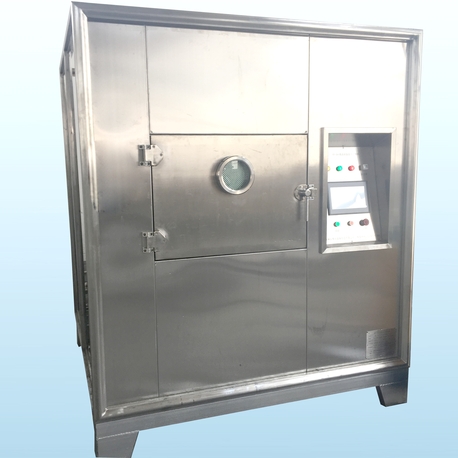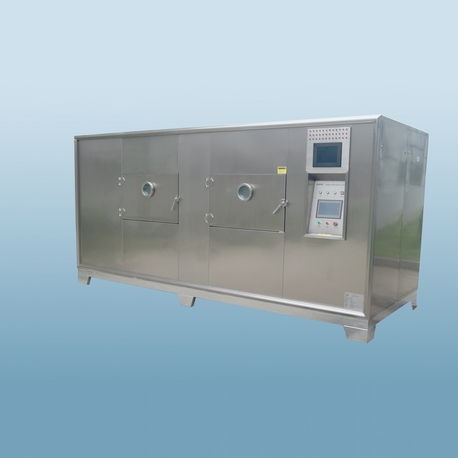

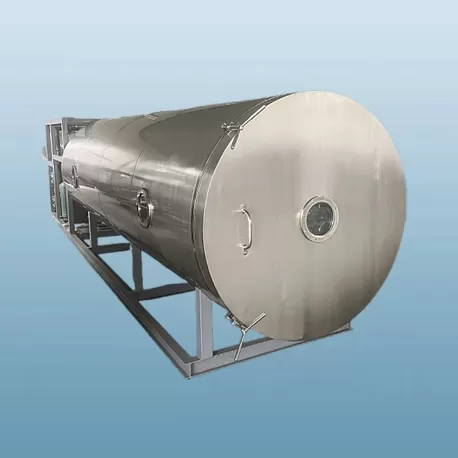
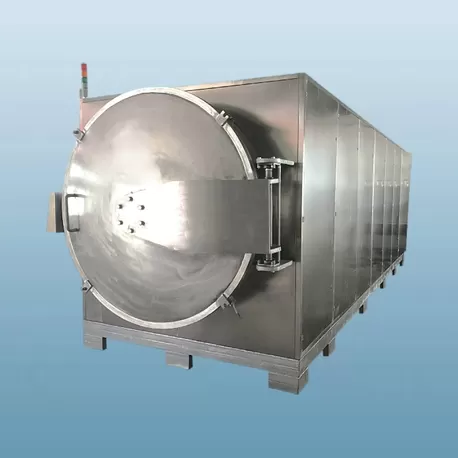
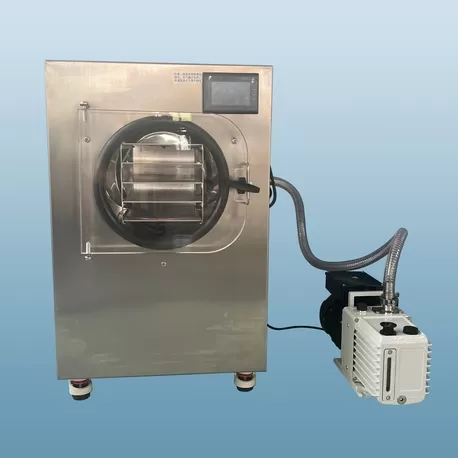
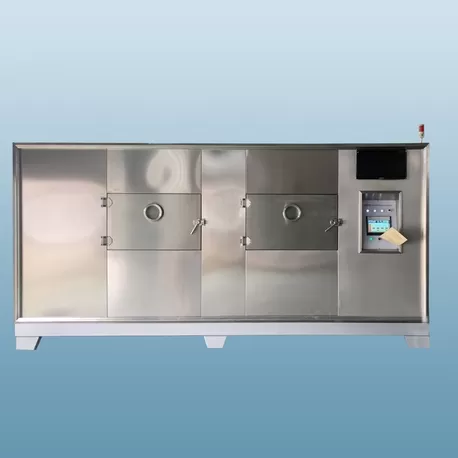
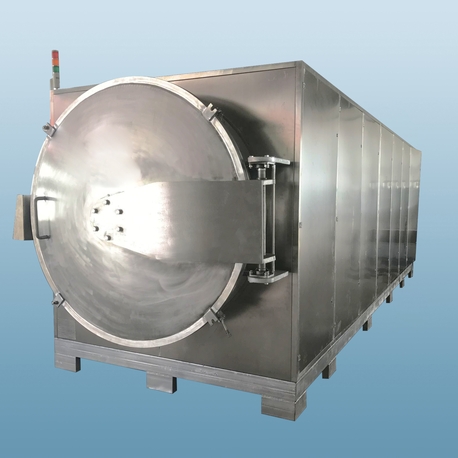
When considering large-scale, efficient food preservation and processing, a professional food dehydrator is an indispensable piece of equipment. Moving far beyond simple home kitchen gadgets, industrial-grade systems are engineered for continuous operation, superior product quality, and significant energy savings. They operate on precise, controlled principles to remove moisture effectively, ensuring safety and extending shelf life. In the commercial and industrial sectors, reliability is paramount, which is why brands like Nasan have developed robust dehydrators designed to meet rigorous daily demands. This article explores the core aspects that make a modern commercial food dehydrator a smart investment for businesses worldwide.

At its heart, a commercial food dehydrator doesn't just heat food; it systematically removes moisture through a controlled process. Understanding this technology is key to appreciating its advantages.
Industrial dehydrators use a simple yet highly effective two-step mechanism:
This combination is crucial. The low temperature gently encourages moisture to move from inside the food to its surface without cooking it. The constant, forced airflow then carries that evaporated moisture away, preventing a humid microenvironment that would slow down further drying.
Modern units, such as those from Nasan, integrate advanced digital controls. Operators can set exact temperatures and timers. This precision ensures reproducible results batch after batch. It allows for customizing drying profiles for different products, from delicate herbs to tough jerky, protecting vital nutrients, color, and flavor that are often lost in less controlled methods.
Choosing a professional system offers tangible benefits that directly impact product quality and operational efficiency. These advantages justify its central role in food processing lines.
Consistent, adjustable heat preserves the natural enzymes, vitamins, and flavors better than many high-temperature methods. The even drying prevents case hardening, where the outside seals while the inside remains wet and prone to spoilage. By reducing water activity to safe levels, it inhibits the growth of bacteria, yeast, and mold, ensuring a shelf-stable, safe product without needing artificial preservatives.
Commercial dehydrators are built for scale.
This high throughput makes them ideal for handling seasonal gluts or meeting consistent market demand.
A single machine can process a stunning array of products, adding tremendous flexibility to a business. This versatility helps reduce waste by preserving surplus ingredients for later use or creating value-added snacks.
The use of food dehydrators spans numerous industries, proving their adaptability and value.
This is the most common application. Dehydrators produce ingredients for other food products, such as dried fruits for cereals, powdered vegetables for soups and seasonings, and meat for pet treats or jerky. The stability and concentrated flavor of dried ingredients are major advantages for manufacturers.
The boom in healthy, clean-label snacks is powered by this technology. It creates crispy fruit chips, vegetable crisps, dried meat snacks, and raw food products. Brands like Nasan provide equipment that helps producers meet this demand with high-quality outputs.
Farmers' cooperatives use large-scale dehydrators to preserve harvests like herbs, teas, mushrooms, and specialty crops. This allows them to store product longer and sell at better prices outside the harvest window. It also standardizes the quality of medicinal and culinary herbs.
Large kitchens, cruise ships, and catering services use commercial dehydrators to create garnishes, infused powders, and durable ingredients for their menus. It enhances culinary creativity while managing inventory effectively.

How does a dedicated dehydrator stack up against other common drying techniques? A direct comparison highlights its specialized role.
Sun drying is inexpensive but highly unreliable and unhygienic for commercial use.
While possible, using a convection oven is inefficient for serious drying work.
Freeze drying is excellent but represents a different investment tier.
For any business seeking reliable, high-volume food preservation, investing in a professional food dehydrator is a strategic decision. The control over quality, the gains in efficiency, and the sheer versatility it brings to a production line are unmatched by improvised methods. By focusing on precise technology and robust construction, leading manufacturers provide the tools necessary for businesses to expand their offerings, reduce waste, and ensure product safety. As the demand for natural, preserved foods grows, the role of this essential equipment, exemplified by reliable brands in the sector, will only become more central to global food processing.
Q1: How does a commercial food dehydrator ensure even drying across all trays?
A1: High-quality commercial dehydrators use a carefully engineered airflow system. This often involves a rear-mounted fan and heater with dedicated air channels that distribute air evenly from the center outwards or in a horizontal pattern across every tray, eliminating hot or cold spots.
Q2: What is the average energy consumption of an industrial food dehydrator?
A2: Consumption varies greatly by size and model. However, because they operate at lower temperatures than ovens and are well-insulated, they are generally more energy-efficient per kilogram of product dried. Specific energy usage data should be obtained from the manufacturer for a particular model.
Q3: Can I dehydrate different types of food at the same time in one unit?
A3: It is not recommended. Different foods have different drying times and can release distinct aromas and moisture profiles. Mixing products can lead to cross-flavoring and makes it difficult to achieve perfect dryness for each item, as you cannot remove one without interrupting the process for the others.
Q4: How important is stainless steel construction in a commercial dehydrator?
A4: Extremely important. Stainless steel is durable, non-corrosive, and easy to sanitize. It meets stringent food safety and hygiene standards required in commercial settings, ensuring the equipment can withstand frequent cleaning and a long service life.
Q5: What type of maintenance does a professional food dehydrator require?
A5: Regular maintenance is simple but essential. It primarily involves cleaning trays and the interior after each use to prevent residue buildup. Periodically, the air intake and exhaust vents should be checked for blockages, and the fan and heating elements should be inspected for proper function according to the manufacturer's manual.