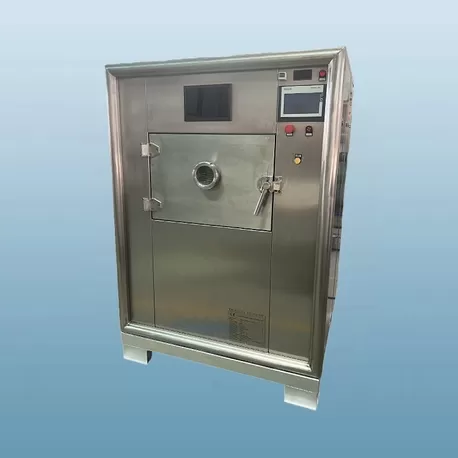
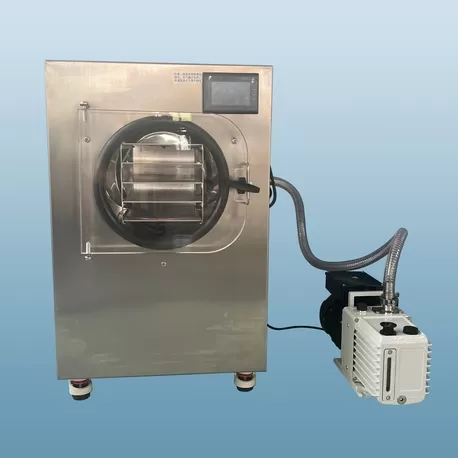
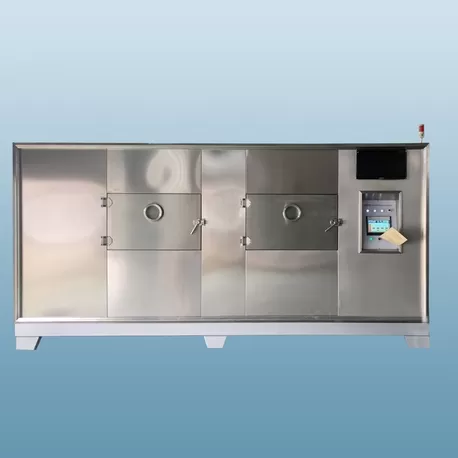
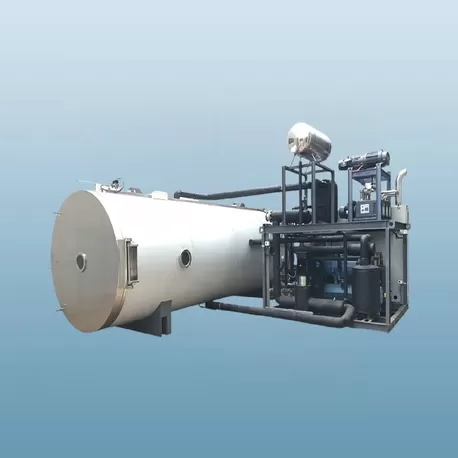
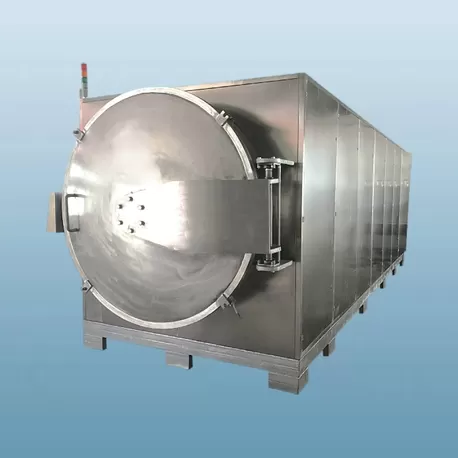
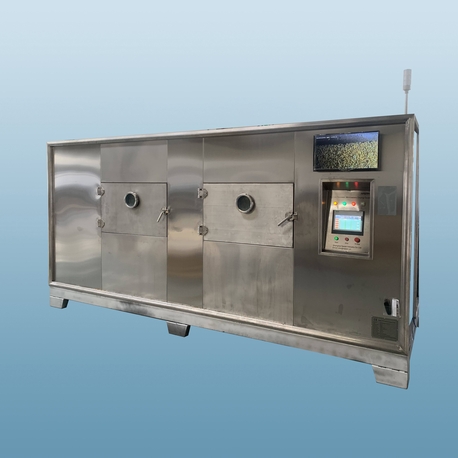
Harvesting is only the first step in a profitable agricultural cycle. For commercial grain processors and large-scale farmers, the real challenge begins the moment the crop leaves the field. Managing moisture levels is critical, and utilizing a high-efficiency corn dryer is the standard solution for preventing spoilage and ensuring the product meets market grades.
Leaving corn with high moisture content poses significant risks. It invites mold growth, insect infestation, and the production of dangerous mycotoxins like aflatoxin. These issues can render a harvest unsellable.
In the commercial drying sector, technology has shifted toward systems that prioritize grain integrity while reducing energy costs. Companies like Nasan have observed this shift, adapting equipment designs to meet the rigorous demands of modern food and feed safety standards.
The goal of this article is to look at how these machines function, why they are essential for your bottom line, and how to operate them effectively.
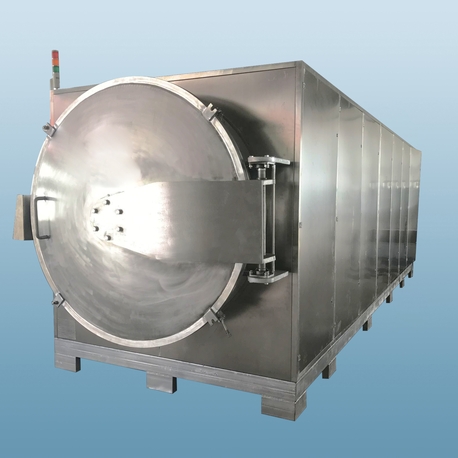
Why Moisture Control is Critical for Commercial Storage
When corn is harvested, it often holds a moisture content ranging from 20% to 30%, depending on the weather and region. However, for long-term storage, this level must be brought down to approximately 13% to 15%.
If you skip this step, biological respiration within the grain continues. This generates heat. Hot spots develop in the silo, leading to rapid spoilage. A professional corn dryer removes this excess water rapidly but gently.
The economic impact is straightforward. Wet corn incurs dockage fees at the elevator. If you sell by weight, you might think water weight helps, but buyers penalize heavily for moisture. Furthermore, drying your own grain allows you to store it and wait for better market prices rather than selling immediately at harvest lows.
Understanding the Airflow and Heating Mechanism
The core function of any drying machinery involves heat and airflow. However, blasting corn with extreme heat is not the answer. This causes "stress cracks" or brittle kernels that break during transport.
A quality corn dryer balances temperature with air volume. The process typically involves a heating chamber where air is warmed. Fans push this air through the grain column. The heat creates a vapor pressure deficit, pulling moisture from the kernel surface.
Internal moisture then migrates to the surface to replace what evaporated. If the surface dries too fast compared to the migration rate, the kernel creates a hard shell, trapping moisture inside. This is called "case hardening."
Modern equipment uses varying temperature zones. High heat is applied initially when the grain is wettest, followed by lower heat zones, and finally, a cooling section. This tempering process preserves the starch structure and nutritional value of the corn.
Key Features to Look for in Drying Machinery
When evaluating equipment, you must look beyond just holding capacity. The efficiency of the heat exchange system is paramount.
Automation is another non-negotiable feature in today’s market. Operators cannot stand by the machine 24/7 adjusting valves. Advanced systems use moisture sensors that sample the grain in real-time. The machine automatically adjusts the discharge speed or air temperature based on these readings.
Safety systems are also vital. Grain dust is highly combustible. A reliable machine includes fire detection sensors and emergency shut-off protocols. Clean-out doors and easy access to moving parts reduce the downtime required for maintenance.
Energy source versatility is also a consideration. While many older units run on propane or natural gas, there is a growing trend toward electric heat pump technology for specific applications, a niche where manufacturers like Nasan are providing competitive options to reduce carbon footprints.
Solving the "Stress Cracking" Problem
One of the biggest complaints from grain buyers is broken kernels. Broken corn generates fine material (fines) that restricts airflow in storage bins, leading to spoilage.
Stress cracking occurs when the grain is cooled too quickly after being heated. The sudden temperature shock fractures the starch.
To solve this, modern drying protocols utilize a process often called "dryeration." In this workflow, hot corn is removed from the dryer at about 16-17% moisture and transferred to a tempering bin. It sits without airflow for several hours. The residual heat finishes the drying process slowly. Afterward, low-airflow fans cool the grain.
Implementing this extra step can increase the capacity of your corn dryer by allowing faster throughput (since you discharge sooner) and significantly improves grain quality ratings.
The Role of Heat Pump Technology in Grain Drying
Traditionally, tower dryers and mixed-flow dryers have dominated the landscape. They are powerful but can be energy-intensive.
In recent years, heat pump drying technology has gained traction for specialty corn products, such as seed corn or food-grade maize. This method uses a closed-loop system. It dehumidifies the air rather than just heating it.
The benefit is precise temperature control. You can dry at lower temperatures, which is crucial for seed corn where germination viability must be preserved. It is also excellent for food-grade products where color and texture are important.
While a standard high-temp dryer is faster, the heat pump method is far more energy-efficient. It recycles waste heat. Brands like Nasan have engineered these systems to serve facilities that prioritize low operational costs and high product quality over raw speed.
Operational Workflow for Maximum Efficiency
Running a drying facility requires a strict operational workflow.
1. Pre-Cleaning: Before the grain enters the corn dryer, it should pass through a cleaner. Removing stalks, cobs, and fines improves airflow within the drying column and reduces fire risk.
2. Loading: Ensure the dryer is filled evenly. Uneven loading leads to airflow channeling, where air takes the path of least resistance, leaving wet spots in the grain mass.
3. Monitoring: Even with automation, manual checks are necessary. Measure the moisture content of the input grain and the output grain every hour to calibrate the sensors.
4. Cooling: Never store hot grain. If your dryer does not have a cooling section, you must have a dedicated cooling bin. Grain should be cooled to within 10 degrees of the ambient outside temperature.
5. Storage: Once dried and cooled, the corn goes to long-term storage. However, the job isn't done. You must run aeration fans periodically to keep the temperature uniform and prevent moisture migration within the bin.

Maintenance to Prolong Equipment Life
Industrial machinery is a significant investment. Neglecting maintenance ensures a breakdown right in the middle of harvest season.
Before the season starts, check all belts and bearings. Lubricate moving parts according to the manual. Inspect the burner to ensure the flame is blue and steady, not yellow and erratic.
Clean the screens daily during operation. Corn skins (beeswings) clog the perforations, choking off airflow. If the air cannot move, the corn does not dry, and fuel is wasted.
After the season, do a full clean-out. Remove all leftover grain. Rodents will destroy wiring if grain is left inside the machine during the off-season.
Economic Analysis: ROI of Upgrading
Is it worth upgrading an old system?
Newer models offer better fuel efficiency. If you are spending thousands on propane, a 10% efficiency gain adds up quickly.
Furthermore, newer technology offers better "test weight" retention. Test weight is a density measurement used in grading. Over-drying or harsh drying lowers test weight. By upgrading to a smoother, sensor-controlled corn dryer, you consistently hit the optimal moisture target.
Selling 10,000 bushels of corn at 15% moisture is more profitable than selling 9,500 bushels of corn that shrank to 13% because of poor equipment control. You are selling water weight legally and ethically when you hit the exact target.
Choosing the Right Size for Your Operation
Selecting the right capacity is a balancing act. If the machine is too small, it becomes a bottleneck. Combines have to stop and wait for the dryer to catch up.
If the machine is too large, you waste fuel heating up a massive system for small batches.
A general rule is to size your drying capacity to match your daily harvest rate. If you harvest 5,000 bushels a day, your system should be able to process that amount in about 16 to 20 hours, leaving time for maintenance.
Consider future growth. It is often cheaper to buy a modular system that can be expanded later than to buy a completely new unit in three years.
The difference between a profitable harvest and a spoiled one often comes down to how you handle the grain after it leaves the field. Investing in a reliable, efficient corn dryer is not just an operational cost; it is an asset that protects the value of your hard work.
From preventing mycotoxins to ensuring high test weights, the drying process is the gatekeeper of quality. Whether you opt for a traditional high-temperature system or a modern, energy-saving solution from manufacturers like Nasan, the focus must always remain on consistent airflow, precise temperature control, and safety. By adhering to proper maintenance schedules and understanding the science of moisture migration, you can turn your drying facility into a center of efficiency and profit.
FAQ: Common Questions About Corn Drying
Q1: What is the ideal temperature for drying corn in a commercial dryer?
A1: For commercial corn intended for livestock feed, air temperatures typically range between 180°F to 220°F (82°C to 104°C). However, if the corn is for milling or food grade, lower temperatures around 130°F to 140°F (54°C to 60°C) are recommended to prevent stress cracks. For seed corn, temperatures should never exceed 110°F (43°C) to protect germination.
Q2: How much moisture can be removed in one pass?
A2: While high-capacity machines can remove 10-15% moisture in a single pass, it is often safer for the grain quality to limit removal to 5-7% per pass if using high heat. Removing too much moisture too quickly causes the kernels to fracture. For very wet corn (over 25%), multiple passes or a slower flow rate is necessary.
Q3: Does the type of fuel affect the quality of the dried corn?
A3: Generally, no, provided the burner is functioning correctly. Natural gas and liquid propane are the most common and burn cleanly. However, if the burner is dirty, it can deposit soot or odors onto the grain. Indirect-fired units (which use a heat exchanger) prevent combustion gases from touching the corn, which is preferred for food-grade applications. Electric heat pumps are the cleanest option.
Q4: How do I calculate the cost of drying corn?
A4: Drying cost is calculated based on fuel consumption, electricity for fans, and labor. A common industry metric is the energy required to remove one point of moisture per bushel. On average, it takes about 0.02 gallons of propane to remove one point of moisture from one bushel of corn. You multiply the points removed by the bushels dried and the fuel price to get a rough estimate.
Q5: Why is my corn coming out of the dryer with inconsistent moisture levels?
A5: This is usually caused by uneven loading or trash in the grain. If fines accumulate in one area of the column, airflow is blocked, leaving that spot wet. Alternatively, the unloading mechanism may be feeding unevenly. Ensure the grain is pre-cleaned and that the spreader at the top of the corn dryer is distributing grain levelly across the drying chamber.