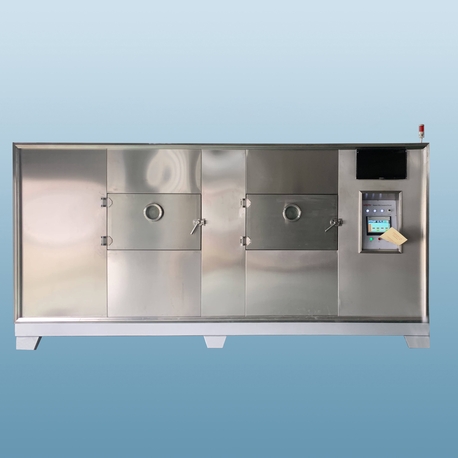
Global consumer demand for clean-label, high-protein meat snacks continues to
surge. For processors, moving from small batch cabinets to a true industrial
beef dehydrator is a massive step. It marks the transition from artisanal trials
to high-yield commercial throughput.
Scaling up brings distinct mechanical challenges. Jerky production requires
massive thermal loads, intense moisture extraction, and strict bactericidal
control. A commercial beef jerky dehydrator must deliver steady output without
burning edges or leaving raw centers.
Sales reps often highlight cosmetic features. As equipment builders, we
prefer looking at duct static pressure, thermal loss, and operational cost per
pound. This guide covers what you need to evaluate before investing in
commercial equipment for 2026 and beyond.
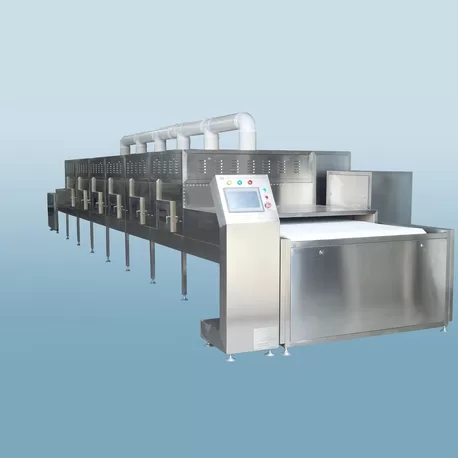
1. Understanding the Core Drying Technologies for Beef Jerky in 2026
Thermal processing methods determine your monthly electric bill, drying
speed, and finished product texture. Selecting the right heat source forms the
foundation of plant efficiency.
Traditional Electric Heating vs. Industrial Heat Pump Dehydrators
Electric element cabinets are simple to construct and carry a lower purchase
price. However, they vent heated, moist air straight outdoors. This setup dumps
precious thermal energy into the atmosphere, which drives up running costs in
large-scale operations.
A closed-loop heat pump beef dehydrator recycles latent heat by condensing
airborne water vapor on an evaporator coil. It uses that captured heat to warm
the supply air back up. While capital expenditure is higher, a heat pump uses
roughly 40% to 60% less electricity than standard resistive heaters.
- Resistive Electric: Ideal for pilot plants running
intermittent batches under 200 kg of wet meat.
- Industrial Heat Pump: Best suited for facilities operating
multiple shifts, drying continuous loads above 500 kg per batch.
Airflow Dynamics: Why Horizontal Airflow is Vital for Uniform Beef
Drying
Vertical airflow designs force air from the bottom floor to the ceiling. In
dense loads, bottom trays dry out quickly while top trays stay wet. This forces
workers to rotate carts halfway through a 10-hour cycle, which drives up labor
costs.
Industrial units rely on horizontal cross-flow aeration. Reversible axial
fans push conditioned air evenly across the surface of every single tray.
Consistent static pressure prevents "case hardening"—a defect where the outer
meat crust dries too fast and traps moisture inside the strip.
The Role of Multi-Stage Temperature & Humidity Control
Beef jerky cannot be dried using a single flat temperature. Premium jerky
requires a multi-stage profile:
- Stage 1 (Conditioning & Lethality): High heat and high
relative humidity to kill surface pathogens without surface crusting.
- Stage 2 (Rapid Moisture Evacuation): Moderate heat and
continuous moisture venting during the primary drying phase.
- Stage 3 (Finishing & Equilibrium): Lower heat to
stabilize water activity (aw) below target thresholds without scorching
seasonings.
2. Critical Factors to Evaluate When Buying an Industrial Beef
Dehydrator
When selecting a commercial food dehydrator, build quality and sanitary
design dictate your long-term success. Equipment failure during peak harvest or
holiday seasons can ruin entire production runs.
Capacity & Footprint: Calculating Tray Area from Raw Input
Never size a machine based on finished product weight. Beef loses between 50%
and 65% of its total mass during dehydration. You must size your chamber
according to raw meat input.
On average, operators load approximately 4.5 to 5.5 kilograms of sliced,
marinated raw beef per square meter of tray space. If your target is processing
1,000 kg of raw meat per cycle, you need roughly 200 square meters of usable
tray area. Factoring in rack spacing, door clearances, and clean-down access
helps define the real factory footprint.
Material & Hygiene Compliance
Jerky marinades contain heavy concentrations of salt, soy sauce, and acidic
vinegar. These compounds corrode cheap metals rapidly. Demand full construction
in certified stainless steel.
The interior chamber, ductwork, and structural chassis should use AISI 304 as
a minimum standard, governed by ASTM A240 specifications for heat-resistant chromium-nickel stainless steel. For aggressive, highly acidic marinades, upgrading to
marine-grade SUS316 for internal drip pans and fan blades prevents pitting and
structural fatigue.
Check the cleanability of internal radiused corners. Flush floor channels
allow sanitizers to drain completely without pooling, simplifying your daily
sanitation protocol.
Food Safety & Regulatory Standards
Process validation is critical for any meat drying machine. Regulatory bodies
require proof that your thermal schedule achieves required pathogen
reductions.
In the United States, commercial jerky processors must follow validated
protocols established by the USDA Food Safety and Inspection Service (FSIS) Compliance
Guidelines for Jerky. The drying chamber must reach a core meat temperature
of 160°F (71.1°C) to eliminate Salmonella and E. coli, maintaining high process
humidity throughout the initial lethality phase.
Make sure your supplier equips the beef dehydrator with calibrated core meat
temperature probes and sealed wet-bulb sensors to record valid HACCP audit
trails.
3. The 2026 Tech Edge: Smart Features That Save Labor and Cut Waste
Industrial machinery in 2026 relies on automated controls to minimize human
error. Labor shortages continue to burden meat plants, making automation
essential for processing facilities.
PLC Touchscreens & Programmable Jerky Recipes
Modern industrial systems replace manual dials with industrial PLC
microcontrollers. Operators select a pre-programmed recipe—such as "Teriyaki
Beef Strips" or "Peppered Biltong"—and the computer manages airflow, fan
direction, and temperature intervals automatically.
Systems built by Nasan include multi-phase profiling. This allows processors
to store dozens of custom recipes, ensuring that seasonal temps or recipe tweaks
run accurately across different crews.
IoT Remote Monitoring & Fault Alerts
Processing batches overnight carries financial risk. A tripped breaker or
stalled compressor can spoil thousands of dollars of raw meat sitting in a warm,
moist room.
Industrial machines now integrate secure cloud connectivity. If humidity
levels spike or a heating stage underperforms, maintenance managers receive
immediate alerts on mobile devices. Remote diagnostics allow our engineers to
inspect internal valve statuses, pressures, and system health without visiting
your plant floor.
4. Calculating the Real ROI: Beyond the Machine Price Tag
The lowest purchase bid rarely delivers the cheapest operating solution. A
commercial beef jerky dehydrator represents both upfront capital expenditure
(CAPEX) and recurring operating costs (OPEX).
Review the components that drive your true total cost of ownership:
- Utility Expenses: Inefficient cabinet insulation drives
constant heat loss. Double-skinned polyurethane or rockwool wall insulation
(minimum 75mm to 100mm thickness) pays for itself quickly through lower electric
bills.
- Moisture Balance & Yield: Over-drying jerky by just 2%
water activity wastes billable weight. A smart beef dehydrator maintains exact
water activity (aw 0.80 to 0.85), protecting your margins across every single
shift.
- Downtime Prevention: Industrial machines should rely on
standard components from global brands like Schneider Electric or Danfoss.
Proprietary, unbranded electronic boards leave you stranded when a replacement
is needed.
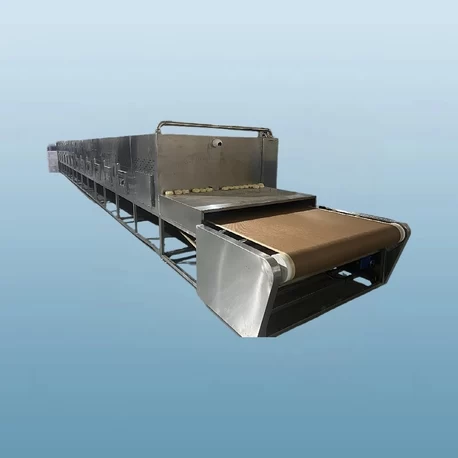
5. Four Common Pitfalls to Avoid When Sourcing from Manufacturers
Navigating vendor proposals can be difficult. We frequently see processing
startups run into avoidable problems during equipment selection.
Pitfall 1: Underestimating moisture extraction rates. Many
general-purpose fruit dryers lack the air exchange velocity required for jerky.
Raw meat releases large bursts of water early in the cycle. If your exhaust
system cannot purge this vapor quickly, you boil the meat rather than dry
it.
Pitfall 2: Overlooking oil and fat accumulation. Beef
releases liquefied beef tallow during processing. If equipment lacks sloped
floor drainage and accessible heating coils, rancid grease gathers inside your
ductwork. This creates serious microbial contamination risks and fire
hazards.
Pitfall 3: Sacrificing tray build quality. Welded wire trays
often pop at the joints after repeated cleaning cycles. Choose stamped,
electro-polished stainless steel screens with food-safe non-stick coatings, or
heavy wire mesh rated under ISO 22000 compliant food contact
standards.
Pitfall 4: Neglecting factory installation support. Buying a
crate without setup support creates operational bottlenecks. Ensure your
manufacturing partner supplies comprehensive electrical schematics, clear
commissioning documentation, and on-site engineering services.
Frequently Asked Questions (FAQ)
Q1: What is the typical beef jerky dehydration time and temperature
in an industrial machine?
A1: Total processing time ranges between 5
and 9 hours depending on slice thickness, sugar content, and casing use. The
process begins with an initial lethality phase holding product at 160°F to 165°F
(71°C to 74°C) with elevated humidity, followed by steady moisture removal
around 145°F to 155°F (62°C to 68°C).
Q2: What is the average commercial jerky equipment cost for an
industrial setup?
A2: Mid-range commercial cabinets processing 200
kg to 500 kg per batch run between $15,000 and $40,000. Large continuous drying
rooms or commercial heat pump systems scaling beyond 1,000 kg input generally
exceed $60,000, depending on custom layout, trolley automation, and CIP
sanitation options.
Q3: Can an industrial beef dehydrator also process chicken, pork, and
pet treats?
A3: Yes. High-end units feature programmable PLC menus
to handle varied processing parameters. Pet treats usually demand thicker cuts
and extended drying curves, while poultry requires strict adherence to higher
salmonella lethality temperatures.
Q4: Why is water activity (aw) more critical than moisture content
when drying beef?
A4: Moisture content simply measures overall water
weight. Water activity (aw) evaluates free water available to support mold,
yeast, and bacterial proliferation. Meat regulators look for an aw reading below
0.85 for shelf-stable jerky, and below 0.70 for non-refrigerated snack
sticks.
Q5: How many trolleys and trays do I need per production
run?
A5: We advise keeping two complete sets of trays and trolleys
for every active dehydrator chamber. This allows your team to slice, marinate,
and load the secondary set while the primary batch dries, preventing production
bottlenecks.
Conclusion & Next Steps
Selecting an industrial beef dehydrator is a strategic infrastructure
decision. It defines your throughput capacity, operating overhead, and food
safety standards for years to come. Focus your evaluation on airflow uniformity,
cleanable sanitary construction, precise humidity controls, and realistic energy
profiles.
At Nasan, we engineer and build heavy-duty industrial drying systems tailored
for commercial jerky plants, pet treat operations, and specialty meat companies
worldwide.
Ready to configure your next drying line? Contact the Nasan
engineering group today to share your daily target output, request detailed
equipment specifications, or schedule an in-house drying trial using your
seasonings and meat cuts.