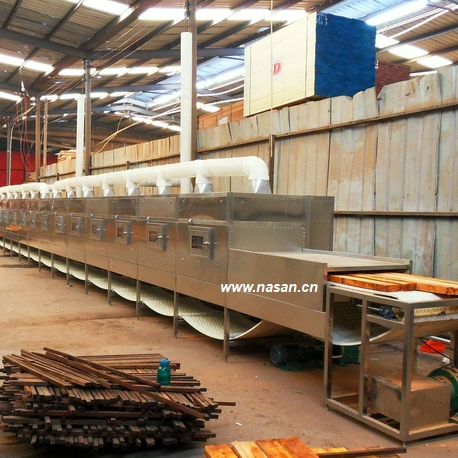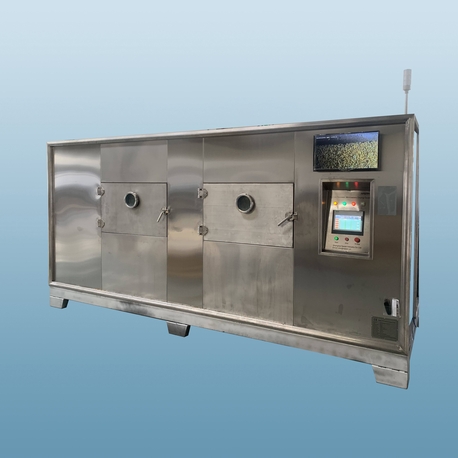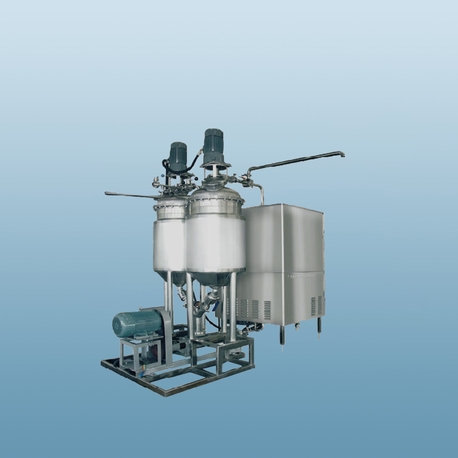


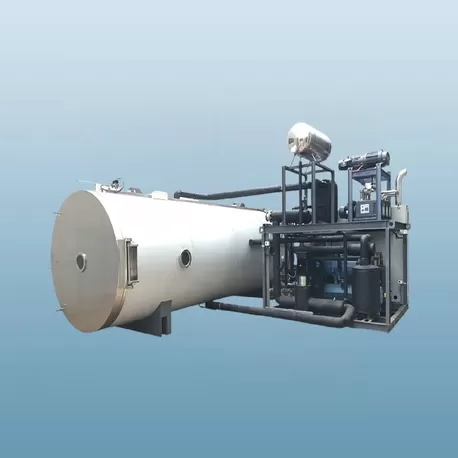

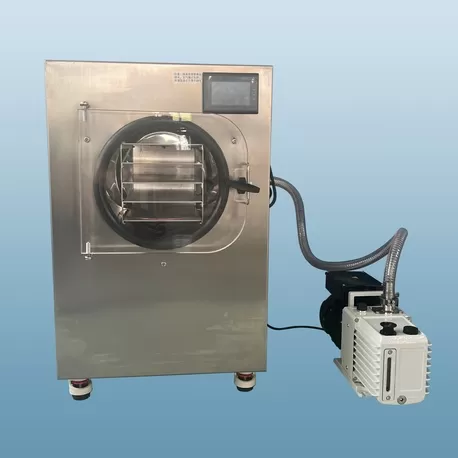
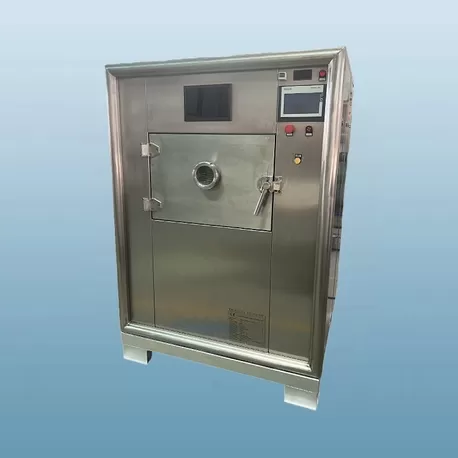
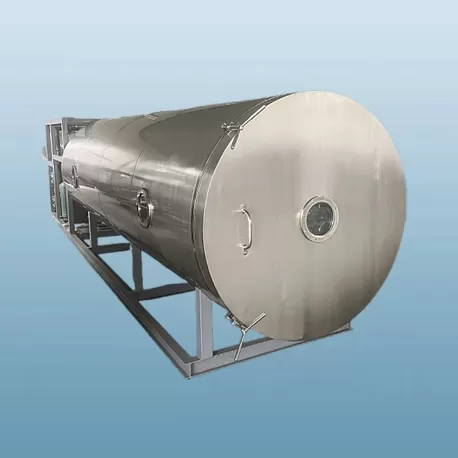
Removing moisture from delicate materials is one of the toughest challenges in manufacturing and laboratory work. If you simply turn up the heat in a standard convection dryer, you risk damaging the product through scorching or oxidation. This is where a vacuum oven becomes an essential tool for engineers and technicians.
By altering the pressure within the chamber, these machines allow water and solvents to boil off at much lower temperatures. It is a safer, faster, and more efficient way to dry heat-sensitive items. whether you are curing aerospace components or refurbishing LCD screens with equipment from brands like Nasan, understanding the physics and benefits of this technology will improve your production quality.

How a Vacuum Oven Actually Works
To understand the value of this equipment, we have to look at the relationship between temperature and pressure. In a normal environment, water boils at 100°C (212°F). However, many polymers, electronics, and biological samples break down before they reach that temperature.
A vacuum oven works by pumping air out of the chamber. When the atmospheric pressure drops, the boiling point of liquids drops with it. At a deep vacuum, water can vaporize at room temperature. This means you can dry a sample completely without ever exposing it to high heat that might degrade its structure.
This process also promotes "outgassing." When air is removed, trapped gas bubbles inside viscous materials (like epoxy or silicon) expand and rise to the surface. This leaves you with a bubble-free, solid finish that is crucial for structural integrity.
Why Sensitive Materials Require a Vacuum Oven
Standard drying methods rely on hot air moving over a surface. This works for simple tasks, but it has limitations. Oxygen is present in standard ovens, and when you combine oxygen with heat, you get oxidation. Metal parts rust, and organic materials turn yellow or brittle.
A vacuum oven removes oxygen from the equation. This creates an inert environment perfect for drying copper interconnects, medical implants, or sensitive chemical powders. You don't need to purge the system with expensive nitrogen gas because the vacuum itself prevents chemical reactions.
Furthermore, conventional drying often leads to "case hardening." This happens when the surface of a material dries too fast and forms a crust, trapping moisture inside. Because vacuum drying lowers the boiling point throughout the material simultaneously, moisture evaporates from the center outward, preventing that hard crust from forming.
Operational Steps for a Commercial Vacuum Oven
Operating this machinery requires a specific sequence to ensure safety and efficiency. Unlike a toaster, you cannot just set a timer and walk away immediately. Here is the general workflow for industrial drying.
1. Preparation and LoadingArrange your samples on the shelves. Do not overcrowd them. Space is needed for the vapors to escape. If you are using a specialized Nasan machine for screen repair, ensure the alignment fits the specific tray molds.
2. Sealing the ChamberClose the door and engage the latch. Check the gasket. It must be clean and free of debris to hold a proper seal.
3. Engaging the PumpTurn on the vacuum pump. You will see the gauge needle move. Watch for the desired pressure level. If the needle bounces or doesn't drop, you likely have a leak.
4. Applying HeatOnce the pressure is stable, turn on the heating elements. Set your target temperature. Because there is no air to transfer heat via convection, these ovens rely on conduction through the shelves.
5. The Drying CycleAllow the machine to run for the required time. Monitor the pressure gauge occasionally to ensure the pump is maintaining the vacuum.
6. RepressurizationTurn off the heat and the pump. Slowly open the release valve to let air back into the chamber. Do not rush this, or the sudden rush of air could disturb your samples.
5 Common Industrial Applications for the Vacuum Oven
You will find these machines in almost every sector that deals with precision manufacturing.
Electronics ManufacturingPrinted circuit boards (PCBs) often absorb humidity from the air. If these are soldered while wet, the water expands and causes "popcorn" cracking. Technicians bake PCBs in a vacuum oven to ensure they are bone-dry before assembly.
Medical Device ProcessingImplants and catheters must be completely free of solvents used during manufacturing. The vacuum process pulls these chemicals out from deep within the material pores, ensuring the device is safe for the human body.
LCD and Screen RefurbishmentThis is a massive market. When gluing glass to LCDs, bubbles often get trapped in the OCA glue. Using a specialized machine, often supplied by manufacturers like Nasan, allows repair shops to remove these bubbles, making refurbished screens look factory-new.
Aerospace EngineeringComposite materials used in aircraft must be cured without voids. Any trapped air pocket can become a structural weakness at high altitudes. Vacuum curing ensures these composites are dense and uniform.
Cannabis and Botanical ExtractsProducers need to purge residual solvents (like butane or ethanol) from their extracts. A vacuum environment allows them to do this at low temperatures, preserving the terpenes and flavor profiles that high heat would destroy.

Solving the Challenge of Capillary Action
One of the distinct advantages of using a vacuum oven is its ability to overcome capillary action.
Capillary action is the force that holds water inside narrow tubes or porous structures. In a standard dryer, surface tension makes it incredibly difficult to get moisture out of deep holes or complex geometries.
When you reduce the pressure, the gas expands. This physical expansion pushes the liquid out of the pores. It forces moisture to the surface where it can evaporate. If you are cleaning intricate nozzles, filters, or watches, this is the only way to ensure the internal components are truly dry.
Best Practices for Vacuum Oven Maintenance
To keep your drying schedule on track, regular maintenance is non-negotiable. These machines are durable, but they rely on tight seals and pump health.
Check the Gasket DailyThe silicone or Viton gasket on the door is the most critical part. If it cracks or flattens, you cannot hold a vacuum. Wipe it down regularly to remove grit.
Change Pump OilIf you use an oil-based rotary vane pump, the moisture you pull out of your product ends up in the pump oil. Milky oil means it is full of water. This ruins the pump’s ability to pull a deep vacuum and causes internal rusting. Change the oil frequently.
Calibrate Temperature SensorsOver time, the thermocouple inside the chamber can drift. Verify the temperature with an external thermometer once a quarter to ensure your readings are accurate.
Inspect the WindowMost units have a tempered glass window. Check it for chips or stress cracks. Under high vacuum, a compromised window can be a safety hazard.
Choosing the Right Pump for Your Vacuum Oven
The oven is only half the system; the pump is the engine. Choosing the wrong pump can lead to poor results or equipment failure.
For general aqueous solutions (water), a standard rotary vane pump is usually sufficient. However, you must use a cold trap to catch the water vapor before it hits the pump, or you will be changing oil daily.
For harsh solvents or acids, a dry diaphragm pump is a better choice. These are more expensive but are resistant to chemical corrosion and require less maintenance.
If your application requires an ultra-high vacuum for specialized physics applications, a turbomolecular pump might be needed, though this is rare for standard drying tasks.
Why Precision Matters
In the world of commercial drying, "close enough" is rarely good enough. A trace amount of moisture in a brake sensor or a micro-bubble in a smartphone screen can lead to product returns and reputation damage.
Using a vacuum oven gives you control. It allows you to control the atmosphere, the temperature, and the drying rate. It transforms a chaotic drying process into a repeatable scientific procedure.
Whether you are a lab manager running experiments or a business owner using Nasan equipment for high-volume repairs, the investment in vacuum technology pays for itself through reduced waste and higher product quality. It protects your materials from thermal shock and oxidation, ensuring that the final output meets strict industrial standards.
Common Questions (FAQ)
Q1: How long does it take to dry materials in a vacuum oven?
A1: There is no single answer as it depends on the material volume, moisture content, and surface area. However, drying under vacuum is generally significantly faster than conventional drying. For example, a process that takes 24 hours in a convection oven might only take 4 to 6 hours in a vacuum chamber because the boiling point of the liquid is reduced.
Q2: Can I put plastic items inside the chamber?
A2: Yes, but you must know the melting point of the plastic. The benefit of this equipment is that you can dry plastics at low temperatures (e.g., 40°C or 50°C) to remove moisture without warping or melting the item. Always check the thermal specifications of your plastic before loading.
Q3: Do I need a cold trap?
A3: If you are drying items with a lot of moisture or aggressive solvents, a cold trap is highly recommended. It sits between the oven and the pump, condensing vapors into ice or liquid. This prevents water and solvents from entering your vacuum pump, which extends the pump's life and reduces maintenance frequency.
Q4: Why is the temperature reading on the display different from the thermometer I put inside?
A4: In a vacuum, there is no air to transfer heat, so the temperature is not uniform throughout the empty space like it is in a standard oven. The display usually shows the temperature of the shelf or the wall. A thermometer suspended in the middle of the void has no way to absorb heat efficiently. Always measure the temperature of the shelf or the sample itself, not the empty space.
Q5: Is it safe to leave the oven running overnight?
A5: Generally, yes, industrial vacuum oven models are designed for continuous duty. However, you should ensure your pump is capable of running for long durations and that the system has over-temperature protection. It is also wise to check that your facility's safety protocols allow for unattended thermal equipment.