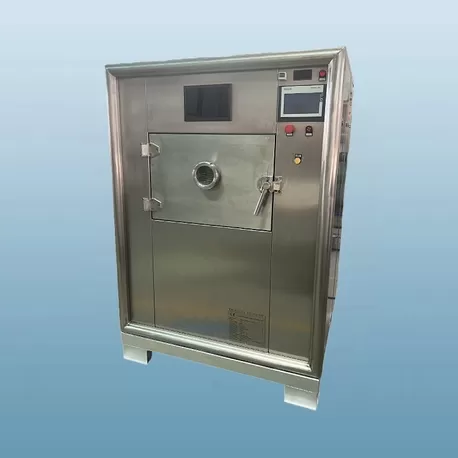
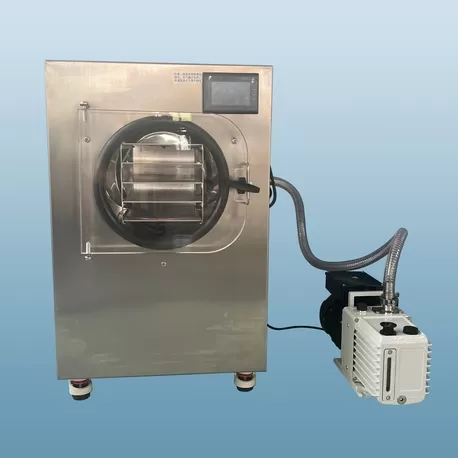
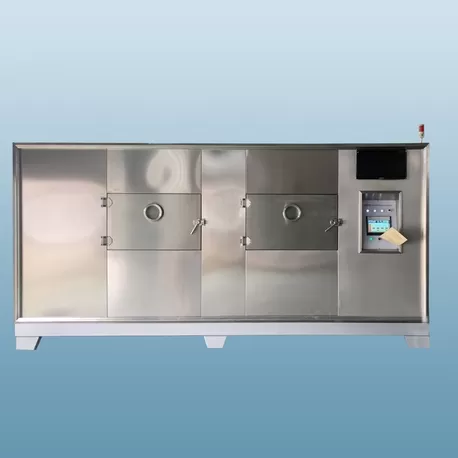
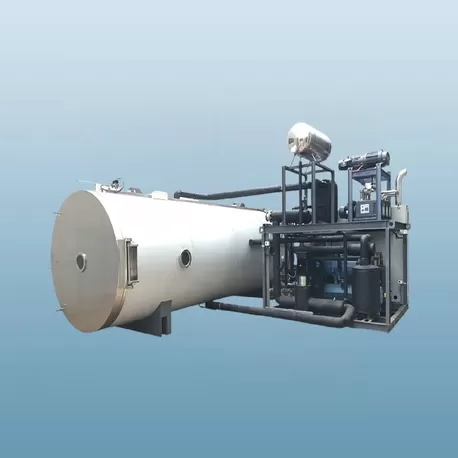
The market for dried meat snacks has exploded in recent years. From classic beef jerky to artisanal biltong and premium pet treats, the demand for shelf-stable protein is higher than ever. For food manufacturers and serious processors, relying on sunlight or standard convection ovens is no longer an option. Consistency is the currency of the food industry.
To achieve that consistency, you need the right tools. A specialized meat dehydrator is the backbone of modern jerky production. These machines transform raw cuts into safe, flavorful, and long-lasting products. Whether you are a startup scaling up your operation or an established facility upgrading your line with brands like Nasan, understanding the nuances of this equipment is vital for success.
The primary function of any drying unit is not just to make food taste good; it is to make it safe. Raw meat is a breeding ground for bacteria like Salmonella and E. coli.
A professional meat dehydrator does more than blow hot air. It manages "Water Activity" (Aw). This is a technical term for the amount of free water available for microbial growth. By lowering the Aw level below 0.85, you effectively shut down the ability for pathogens to reproduce.
However, safety also involves temperature control. A "kill step" is often required at the beginning of the process. This involves bringing the meat to a lethal temperature quickly before the drying phase begins. Industrial units are designed to reach and hold these temperatures accurately, eliminating the cold spots that are common in homemade setups.
Distinguishing a Commercial Meat Dehydrator From Home Units
Many small businesses start with a stack of plastic countertop dehydrators. While this works for a hobby, it is a nightmare for commercial production.
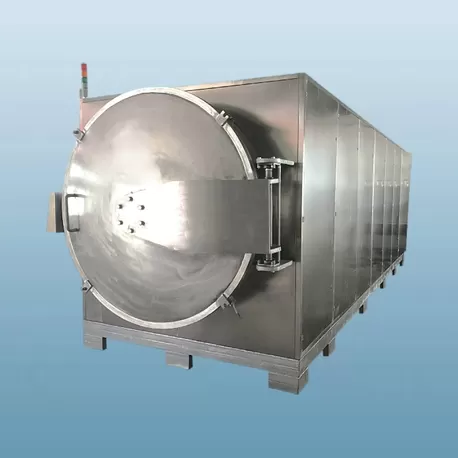
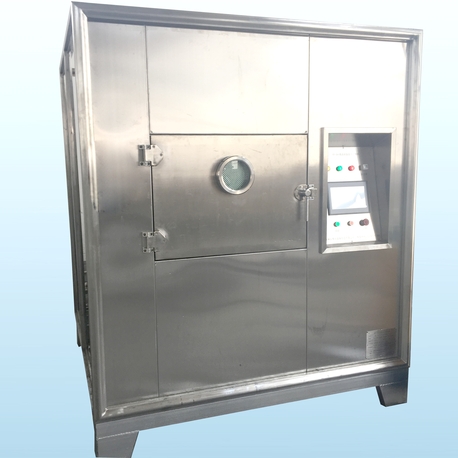
A commercial meat dehydrator is built for airflow dynamics. In cheaper units, the air usually comes from the bottom. This means the trays at the bottom dry faster than the ones at the top, leading to uneven batches.
In contrast, industrial machines utilize a horizontal airflow system. Fans are positioned at the rear or sides of the chamber. This pushes air evenly across every tray simultaneously. Every piece of meat, from the top rack to the bottom, receives the same heat and airflow velocity. This ensures that your entire batch finishes at the same time, maximizing throughput.
Essential Workflow for Operating Your Meat Dehydrator
Getting the best results requires a strict standard operating procedure. A machine is only as good as the process you follow.
Preparation and SlicingUniformity is key. If one slice of beef is 3mm thick and another is 6mm, they will not dry at the same rate. Use a commercial slicer to ensure exact thickness.
Marination and CuringSalt and sugar do more than add flavor; they bind water. A heavy marinade might increase the drying time. Ensure the meat is drained well before loading.
Loading the TraysThis is where many operators fail. Do not overlap the meat. Each piece needs space for air to circulate around it. If pieces touch, moisture gets trapped between them, creating a risk of mold later on.
The Drying PhaseLoad the trays into the meat dehydrator. Set your initial temperature. Many producers start high to achieve the safety kill step, then lower the temperature to preserve the texture.
Cooling and PackagingNever package warm jerky. Condensation will form inside the bag, ruining all your hard work. Let the product cool completely in a low-humidity environment.
Handling Texture Issues with a Meat Dehydrator
One of the most frustrating problems in meat drying is "case hardening." This happens when the outside of the meat dries too fast, forming a hard crust.
This crust acts like a barrier. It traps moisture inside the meat. To the touch, the jerky feels done. But inside, it is still raw and wet. A few days after packaging, this internal moisture migrates out, causing the product to rot.
Advanced equipment helps solve this. High-quality units, such as those engineered by Nasan, often allow for humidity control or damper adjustments. By keeping the humidity slightly higher during the early stages of drying, you keep the surface pores open. This allows internal moisture to escape before the surface hardens.
Diverse Applications for the Modern Meat Dehydrator
While beef jerky is the most famous application, these machines are versatile workhorses in the food industry.
Pet TreatsThe pet food market is shifting towards single-ingredient treats. Chicken breast, duck liver, and sweet potato slices are easily processed in these units. The visual appeal of the treat is preserved better than in high-heat baking.
Fish and SeafoodDrying fish requires lower temperatures to prevent the oils from becoming rancid. A precise meat dehydrator can run at lower settings (around 40-50°C) to gently desiccate fish skins or fillets without cooking them.
Cured SausagesProducts like landjäger or snack sticks require a different approach. They often need fermentation followed by drying. A controlled environment is crucial here to prevent "grease out," where the fat melts and separates from the meat.
Energy Efficiency and Operational Costs
Running heating elements and large fans for 10 to 20 hours draws significant power. For a business, electricity is a major line item on the budget.
Modern drying technology has focused heavily on efficiency. Insulation plays a huge role. Double-walled stainless steel chambers with high-density insulation prevent heat loss. If the outside of your machine is hot to the touch, you are paying to heat the room, not the meat.
Some advanced setups utilize heat recovery systems. These systems capture the waste heat from the exhaust air and use it to pre-warm the incoming fresh air. This can reduce energy consumption by a significant margin. When calculating ROI, the energy rating of the meat dehydrator is just as important as its capacity.
Cleaning and Sanitation Standards
In the food industry, if you can’t clean it, you shouldn’t use it. Meat leaves behind residue. Fat drips, sugar burns, and protein fragments stick to surfaces.
A commercial meat dehydrator must be constructed from food-grade stainless steel (usually 304 grade). Plastic interiors are unacceptable as they absorb odors and are difficult to sanitize.
The design should minimize crevices where bacteria can hide. Removable racks and drip trays are mandatory. The floor of the chamber should be sloped or easily accessible for wiping down. A rigorous cleaning schedule prevents cross-contamination, especially if the machine is used for different proteins, like switching from chicken to beef.
Scaling Up with the Right Partner
As your production grows, your equipment needs change. You might start with a cabinet that holds 50kg of wet product. Eventually, you may need a walk-in room that holds 500kg or more.
Consistency becomes harder to maintain as you scale. A small batch is easy to manage. A room full of drying racks requires complex air circulation engineering to ensure there are no "dead zones" where air doesn't move.
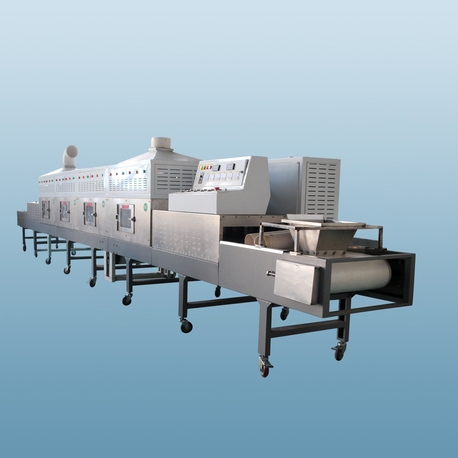
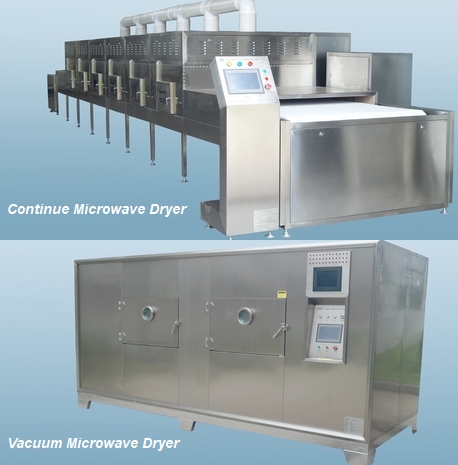
This is where selecting a manufacturer matters. Companies like Nasan provide scalable solutions that grow with your business. Moving from a batch cabinet to a semi-continuous system requires a partner who understands the thermodynamics of drying at scale.
The Impact of Humidity on Drying Times
Many operators overlook ambient humidity. The air outside the machine matters. If your facility is located in a humid coastal area, your machine has to work harder.
A meat dehydrator works by heating air, which lowers its relative humidity, allowing it to absorb moisture from the meat. If the intake air is already saturated with water, it cannot hold much more.
In humid environments, drying times can double. To combat this, some facilities install dehumidifiers in the processing room. This provides the dryer with dry intake air, drastically speeding up the process. It is a simple infrastructure tweak that boosts the efficiency of the machine itself.
The Future of Meat Drying
The trend in food processing is moving towards "clean label" products. Consumers want snacks with no artificial preservatives. Drying is the original natural preservative.
By removing water, you preserve the food without adding chemicals. This aligns perfectly with modern consumer demands. The technology driving the humble meat dehydrator is evolving to be smarter, more energy-efficient, and more connected.
Data logging is becoming standard. Quality assurance managers want to see a graph of the temperature and humidity curve for every batch. This traceability is essential for certifications like HACCP or SQF.
Final Thoughts on Choosing Equipment
Investing in industrial drying machinery is a commitment. It dictates the quality of your product and the efficiency of your workflow. You cannot compromise on airflow, temperature stability, or hygiene.
Whether you are drying massive batches of biltong or crafting delicate organ meats for the pet industry, the machine does the heavy lifting. Brands that specialize in this technology, such as Nasan, understand the critical balance between heat, air velocity, and time.
By mastering the variables of your meat dehydrator, you turn a raw, perishable ingredient into a valuable, shelf-stable commodity. It is a blend of culinary art and industrial science that serves as the foundation of the snack food industry.
Common Questions (FAQ)
Q1: What is the ideal temperature for drying beef jerky in a commercial meat dehydrator?
A1: Most food safety guidelines recommend an internal meat temperature of 160°F (71°C) for beef and 165°F (74°C) for poultry to kill pathogens. However, to preserve texture, many producers heat the meat to this level initially (the kill step) and then drop the air temperature to around 140°F-150°F (60°C-65°C) to finish drying without cooking the meat too thoroughly.
Q2: How long does it typically take to dry a batch of meat?
A2: Drying time varies heavily based on meat thickness, fat content, and marination. Generally, a commercial cycle takes between 4 to 8 hours. Thicker slices or meats with high sugar content in the marinade will take longer. High-fat meats also take longer because fat does not release water as easily as lean muscle fiber.
Q3: Can I cure meat directly in the dehydrator?
A3: No, curing is a chemical process that happens before drying. You must mix your meat with salt and curing agents (like Prague Powder) and let it sit, usually in a refrigerator, for 12 to 24 hours. The meat dehydrator is solely for removing moisture after the curing flavor and safety profile have been established.
Q4: How do I know when the jerky is finished?
A4: You use the "bend test." Take a piece out of the oven and let it cool for a few minutes. When you bend it, the meat should crack but not break entirely. If it snaps cleanly in half, it is too dry. If it bends without cracking and feels spongy, it needs more time.
Q5: Why is fat removal important before using a meat dehydrator?
A5: Fat does not dry; it only renders (melts) and goes rancid. While lean muscle dries and preserves well, fat will spoil quickly even after dehydration, reducing the shelf life of your product. Always trim as much visible fat as possible from the meat before slicing and loading it into the machine.