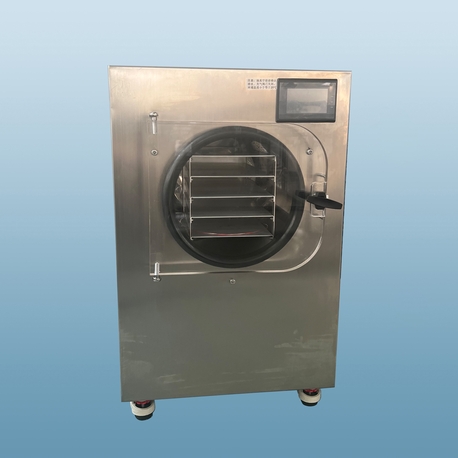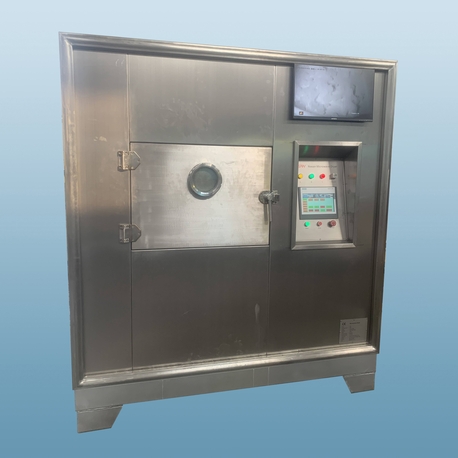


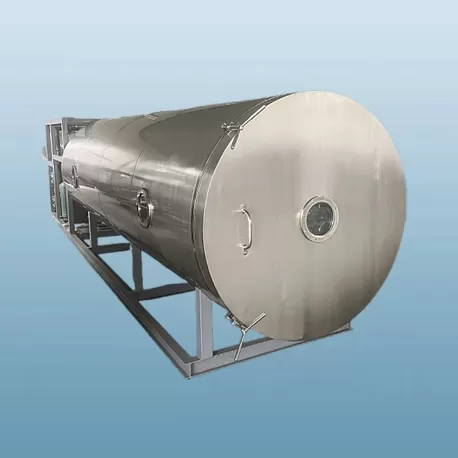
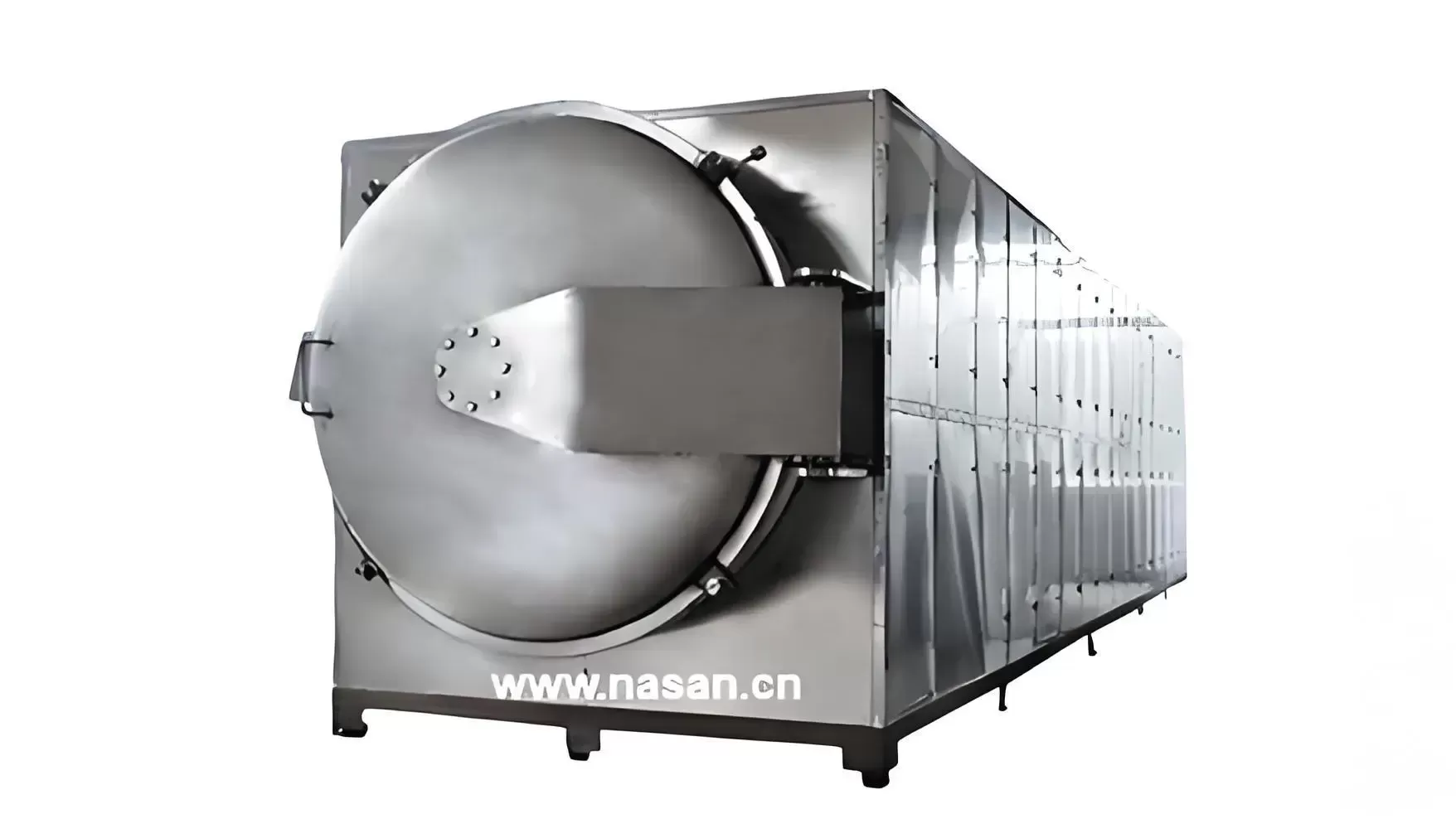
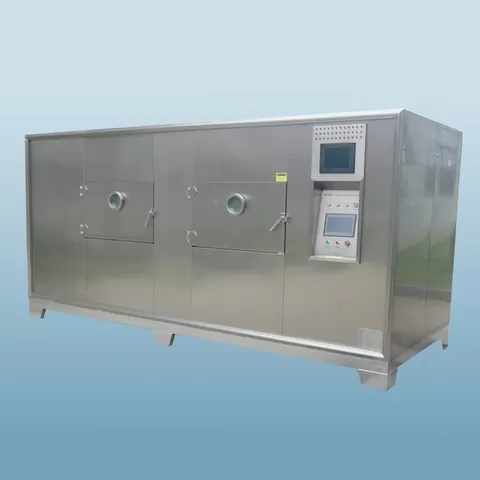

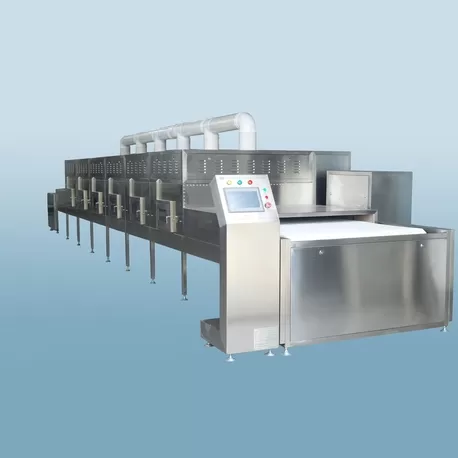
In the high-value sectors of food processing, pharmaceutical manufacturing, and advanced nutraceuticals, moisture removal dictates ultimate product viability. Traditional thermal convection drying often causes cellular collapse, severe color degradation, and the destruction of heat-sensitive active ingredients. To preserve the exact structural geometry and biological integrity of the raw material, facility engineers turn to lyophilization. Sourcing a commercial freeze dehydrator machine is a massive capital expenditure that fundamentally alters a plant's operational economics. Evaluating this specialized equipment requires moving beyond basic capacity claims and diving deeply into the physics of vacuum sublimation, condenser refrigeration limits, and automated thermal fluid control.

The Physics of Lyophilization: The Three-Stage Process
A professional freeze dehydrator machine does not "dry" a product by evaporating liquid water. Instead, it utilizes absolute pressure control to force frozen water to transition directly into a vapor state, a phase change known as sublimation. To evaluate the quality of a machine, procurement teams must analyze how the equipment handles the three distinct phases of this process.
Phase 1: Deep Freezing and Cellular Preservation
Before any vacuum is applied, the product must be frozen solidly below its eutectic point. If the product is not completely frozen, the remaining liquid will boil violently when the vacuum engages, destroying the cellular structure. High-end industrial dehydrators utilize integrated freezing shelves within the main chamber, rapidly plunging temperatures to -40°C or -50°C. This rapid freezing creates microscopic ice crystals, preventing large ice formations that would otherwise puncture and rupture the cell walls of delicate biologicals or high-end fruits.
Phase 2: Primary Drying via Sublimation
Once frozen, the massive industrial vacuum pumps engage, dropping the chamber pressure below the triple point of water (typically below 6 mbar). At this precise pressure, the machine's internal thermal fluid system gently warms the shelves. This highly controlled thermal energy forces the ice crystals within the product to sublimate directly into water vapor, completely bypassing the liquid phase. The machine must provide incredibly precise, uniform heat across every square inch of the shelf; otherwise, the product will suffer from localized melting (collapse) or uneven moisture retention.
Phase 3: Secondary Drying (Desorption)
After all free ice has sublimated, approximately 5% to 8% of bound moisture remains trapped within the molecular matrix of the product. The freeze dehydrator machine elevates the shelf temperature further—often above ambient room temperature—while maintaining a deep vacuum. This final desorption phase strips away the molecularly bound water, lowering the final moisture content to below 2%, ensuring a shelf life that can extend for decades without chemical preservatives.
Evaluating Condenser Capacity and Defrosting Efficiency
When the ice sublimates in the main chamber, the resulting massive volume of water vapor must go somewhere. If the vapor enters the vacuum pumps, the oil will become contaminated, destroying the heavy machinery instantly.
The solution is the cold trap, or condenser. This secondary chamber operates at temperatures significantly colder than the product shelves (often -60°C to -80°C). The water vapor rushes toward this extreme cold, instantly turning back into solid ice on the condenser coils. A key metric when evaluating a freeze dehydrator machine is the surface area and chilling capacity of this condenser. If the condenser lacks the refrigeration power to trap the vapor as fast as the product sublimates it, the chamber pressure will spike, and the entire drying cycle will fail.
Furthermore, evaluating plant efficiency requires examining the defrost cycle. After a heavy production run, the condenser is coated in thick, solid ice. Premium manufacturers design automated, rapid hot-water or hot-gas defrosting systems that strip this ice away in under an hour, minimizing machine downtime and allowing the factory to initiate the next batch rapidly.
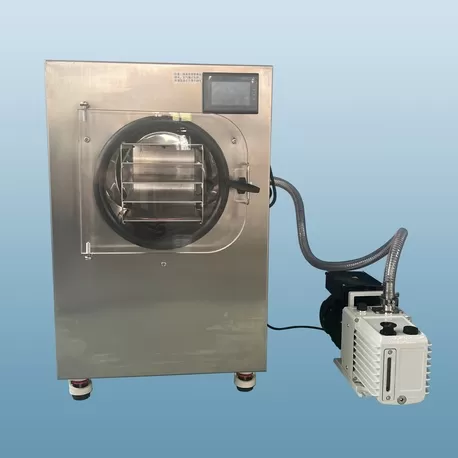
The Economics of Vacuum Processing: CAPEX vs. OPEX
Deploying a massive freeze dehydrator machine introduces a unique financial equation for facility managers. While the product quality is unmatched, the energy consumption required to run heavy refrigeration compressors and deep vacuum pumps simultaneously is immense.
When requesting quotations, buyers must analyze the Operational Expenditure (OPEX) just as strictly as the initial Capital Expenditure (CAPEX). Advanced industrial systems utilize highly insulated cylindrical vacuum chambers rather than square boxes, as cylinders resist vacuum implosion naturally without requiring excessively thick, heavy steel. Additionally, top-tier manufacturers integrate variable frequency drives (VFDs) on their vacuum pumps and compressors, scaling electrical power draw dynamically based on real-time chamber pressure, which significantly lowers the overall energy footprint per batch.
Frequently Asked Questions
Q1: Why is a freeze dehydrator machine significantly more expensive
than a standard vacuum oven?
A1: A vacuum oven only
utilizes pressure and heat to boil water at lower temperatures. A freeze
dehydrator requires complex, multi-stage refrigeration compressors to freeze the
product to -40°C, and secondary extreme-low refrigeration to chill the vapor
condenser to -80°C, alongside heavy-duty vacuum systems to manage the
sublimation phase change.
Q2: How long does a typical industrial freeze-drying cycle
take?
A2: Cycle times are heavily dependent on the
thickness and sugar content of the raw material. Thinly sliced fruits or
biological powders may complete a cycle in 18 to 24 hours. Dense, sugar-rich
products or large pharmaceutical vials can require 36 to 48 hours for complete
internal sublimation.
Q3: Can a commercial machine process liquids and solid foods
simultaneously?
A3: While the machine can
physically freeze both, it is highly unadvisable to process them in the same
batch. Liquids and solids have drastically different eutectic points and
sublimation rates. Mixing them forces the PLC software to compromise on shelf
temperatures, resulting in ruined batches.
Q4: What maintenance is required for the heavy industrial vacuum
pumps?
A4: Oil-sealed rotary vane pumps require
strict maintenance. Operators must monitor the oil clarity daily and perform
full oil changes at scheduled intervals to remove any trace moisture that
bypasses the condenser. Some modern facilities upgrade to dry scroll pumps,
which eliminate oil changes entirely but carry a higher initial capital
cost.
Q5: How do operators load massive quantities of product into the
drying chamber efficiently?
A5: Industrial machines
utilize external rail systems and modular rolling trolleys. The product is
loaded onto stainless steel trays in a separate prep room, placed onto a
trolley, and rolled smoothly onto the thermal shelves inside the chamber,
minimizing loading time and reducing physical strain on the workforce.
Scale Your Production with Precision Vacuum Technology
Transitioning from traditional dehydration to industrial lyophilization is a monumental step for any manufacturing facility. It demands equipment built with uncompromising vacuum integrity, precise thermodynamic control, and robust continuous-duty refrigeration. Sourcing your machinery from a manufacturer that understands the harsh realities of multi-shift processing is critical to maintaining your plant's profitability and preventing catastrophic batch losses.
At Nasan, we engineer and manufacture advanced drying infrastructure designed to solve these exact industrial challenges. With over 20 years of dedicated manufacturing experience, our factory is supported by an excellent quality management team, a professional research division, and highly skilled production workers who ensure consistent, unyielding product quality across every machine we build.
Our comprehensive engineering portfolio extends beyond the standard freeze dehydrator machine. We supply a complete range of industrial drying machines and dehydrators, successfully deployed across the food, chemical, pharmaceutical, and building materials industries. Our equipment also serves highly specialized sectors, including plastics, paper products, furniture and wood processing, and sensitive electronic component manufacturing.
We do not just supply heavy machinery; we deliver the process engineering support necessary to scale your global operations. Contact the industrial engineering division at Nasan today to discuss your specific material parameters, review our comprehensive equipment specifications, and request a detailed throughput analysis tailored to your exact facility requirements.