Industrial drying operations depend on equipment that delivers consistent
moisture removal without compromising product integrity. Among batch drying
technologies, tray dryers remain a cornerstone for industries requiring gentle
thermal processing of granular materials, powders, and solid products. Selecting
the right tray dryer manufacturer involves evaluating
engineering depth, material compatibility, and process control capabilities.
This examination addresses the technical parameters that define high-performance
tray drying systems and the manufacturing standards that ensure long-term
operational stability.
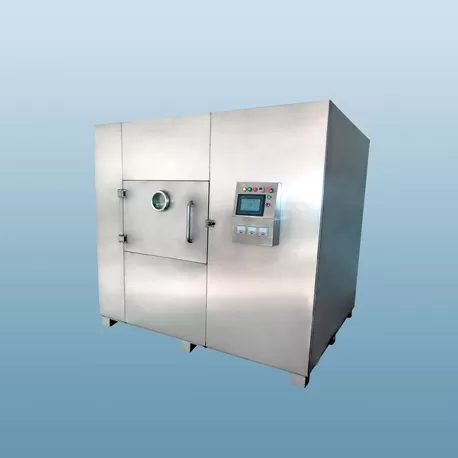
Engineering Principles Behind Tray Drying Systems
The fundamental operation of a tray dryer centers on forced air convection
combined with controlled heating. Heated air circulates across product-laden
trays, transferring thermal energy to reduce moisture content through
evaporation. A well-engineered system maintains uniform airflow distribution
across every tray level, preventing localized overheating or under-drying. The
design of air plenums, baffle geometry, and fan selection directly influences
temperature uniformity—a parameter that distinguishes superior equipment from
average alternatives.
Heat transfer mechanisms in tray dryers involve both convection from the air
stream and conduction through tray surfaces. Stainless steel trays with
optimized thermal conductivity accelerate heat transfer while resisting
corrosion from acidic or saline product residues. Advanced control systems
monitor inlet and exhaust air temperatures, adjusting heating coil output to
maintain set-point stability within ±1°C. These engineering choices determine
the dryer's ability to process heat-sensitive materials such as active
pharmaceutical ingredients (APIs), enzymes, and botanical extracts without
degrading potency or color.
Airflow velocity and directionality require careful calculation during the
design phase. Excessive velocity can entrain fine particles, leading to product
loss and cross-contamination risks. Insufficient velocity prolongs drying
cycles, reducing throughput and increasing energy consumption per batch.
Reputable tray dryer manufacturers conduct computational fluid dynamics (CFD)
simulations to optimize plenum chamber geometry and outlet louver positions,
ensuring each tray receives comparable air volume. This level of engineering
rigor directly correlates with batch-to-batch reproducibility—a non-negotiable
requirement in regulated industries.
Application Domains for Tray Drying Equipment
Tray dryers serve diverse industrial sectors, each presenting unique material
handling challenges. Pharmaceutical manufacturers rely on these systems for
drying wet granules prior to tablet compression, as well as for drying API
crystals and herbal extracts. The enclosed drying chamber prevents airborne
contamination while maintaining cleanroom-compatible surface finishes.
Pharmaceutical-grade tray dryers feature hygienic welds, crevice-free
construction, and easy-clean designs that facilitate validation protocols and
changeover procedures between product runs.
Food processing operations employ tray dryers for dehydrating fruits,
vegetables, herbs, and meat products. The gentle drying action preserves natural
flavors, colors, and nutritional profiles better than high-temperature spray or
drum drying methods. For specialty ingredients like mushroom powders, seaweed
flakes, and spice blends, tray drying offers controlled moisture extraction
without fracturing cellular structures. A tray dryer manufacturer serving the
food sector must incorporate food-grade materials, including 304L or 316L
stainless steel, and design chambers that comply with FDA sanitary
standards.
Chemical and fine chemical industries utilize tray dryers for drying
pigments, catalysts, polymer intermediates, and specialty salts. Many chemical
products exhibit hygroscopic behavior or undergo phase transitions at elevated
temperatures, requiring precise drying profiles with programmable ramp rates.
Explosion-proof configurations with inert gas purging are available for
processing solvent-wet materials or combustible dusts. These specialized
variants demand manufacturing expertise in ATEX-compliant construction and
pressure-relief engineering.
Agricultural and nutraceutical sectors also benefit from tray dryer
technology. Seed drying, grain sample preparation, and bioactive compound
stabilization represent growing application areas. The adaptability of tray
dryers to small-batch, high-value products makes them indispensable in research
and development laboratories as well as pilot-scale production facilities.
Critical Parameters for Selecting a Tray Dryer Manufacturer
Procurement decisions for industrial drying equipment extend beyond initial
capital cost. A comprehensive evaluation of potential suppliers examines
technical capabilities, material sourcing, quality systems, and after-sales
support infrastructure. The following parameters provide a structured framework
for assessing tray dryer manufacturers.
Design flexibility and customization capacity. Standard
catalog models rarely address every process requirement. Manufacturers offering
modular tray configurations, variable tray spacing, adjustable air distribution
plates, and multi-zone temperature control demonstrate engineering adaptability.
Customization options for tray dimensions, loading mechanisms, and access doors
accommodate facility layout constraints and ergonomic considerations.
Manufacturers with in-house fabrication capabilities deliver shorter lead times
and tighter quality control over welded assemblies and machined components.
Material traceability and certification. Pharmaceutical and
food applications demand full material provenance. A credible tray dryer
manufacturer maintains documented records for all wetted parts, including mill
certificates for stainless steel grades, gasket compounds, and insulation
materials. Surface finish specifications (Ra values) should be verifiable
through profilometer measurements. These documentation practices support
regulatory submissions and audit preparedness.
Control system integration. Modern tray dryers incorporate
programmable logic controllers (PLCs) with human-machine interfaces (HMIs) for
recipe management, data logging, and alarm annunciation. Compatibility with
distributed control systems (DCS) and supervisory control and data acquisition
(SCADA) platforms enables seamless integration into existing plant automation
architectures. Manufacturers offering open-architecture control solutions reduce
dependency on proprietary protocols and simplify future upgrades.
Performance validation data. Reputable suppliers provide
thermal mapping reports, airflow velocity maps, and temperature uniformity test
results for each model series. These empirical data sets allow buyers to verify
that the equipment meets specified performance criteria before shipment.
Manufacturers investing in dedicated test bays for factory acceptance testing
(FAT) demonstrate commitment to quality assurance.
Quality Assurance in Tray Dryer Production
Manufacturing excellence for tray drying equipment hinges on rigorous quality
control throughout the production cycle. Raw material inspection, dimensional
verification, weld quality assessment, and functional testing constitute the
core elements of a robust quality management system. Tray dryer manufacturers
adhering to ISO 9001 or ASME certification frameworks implement documented
procedures for non-conformance handling and corrective action tracking.
Welding processes receive particular scrutiny in tray dryer fabrication.
Full-penetration butt welds for pressure-retaining components require qualified
welding procedures and certified welders. Non-destructive examination (NDE)
methods, including dye penetrant testing and radiographic inspection, verify
weld integrity without compromising component serviceability. For pharmaceutical
applications, orbital welding of tubing systems ensures smooth internal surfaces
that resist bacterial colonization and facilitate clean-in-place (CIP)
operations.
Chamber insulation quality affects both thermal efficiency and surface
temperature safety. High-density mineral wool or foam glass insulation with
vapor barriers prevents condensation and heat loss. Manufacturers performing
thermal imaging surveys during factory testing identify insulation gaps or
thermal bridging points that could impair performance. These proactive measures
reduce field installation issues and enhance equipment reliability from the
first production batch.
Electrical and pneumatic component selection also reflects manufacturing
quality. Motors, heaters, thermocouples, and solenoid valves from established
industrial brands ensure reliable operation and readily available replacement
parts. A tray dryer manufacturer that specifies components with proven track
records in similar applications reduces the risk of premature failures and
unplanned downtime.
Nasan incorporates these quality principles across its tray dryer product
lines, with documented traceability for every critical component and assembly
step. The company's manufacturing protocols align with cGMP guidelines for
equipment intended for pharmaceutical and food contact applications.
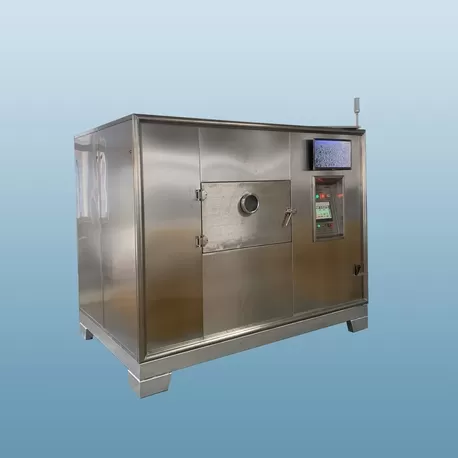
Operational Efficiency and Maintenance Considerations
Maximizing return on investment in tray drying equipment requires attention
to operational practices and preventive maintenance schedules. Energy
consumption represents a significant operational expense, and manufacturers
design systems with heat recovery options to preheat incoming air using exhaust
heat. Variable frequency drives (VFDs) on circulation fans modulate airflow
according to product moisture curves, reducing electrical demand during the
later stages of the drying cycle.
Loading and unloading procedures influence cycle times and labor
requirements. Tray dryer manufacturers offer trolley systems with removable rack
assemblies that permit offline loading, minimizing chamber open time and
preserving thermal energy. Automated tray indexing mechanisms further reduce
manual handling and improve reproducibility for high-volume production.
Maintenance access is a design priority that affects long-term
serviceability. Hinged access doors with quick-release latches, removable fan
assemblies, and modular heater banks simplify inspection and component
replacement. Manufacturers providing comprehensive maintenance manuals with
illustrated parts breakdowns enable in-house maintenance teams to perform
routine service tasks efficiently. Spare parts availability and lead times
should be discussed during the procurement phase to avoid production delays from
component obsolescence.
Cleaning protocols for tray dryers vary by product type and residue
characteristics. Water-washdown designs with sloped chamber floors and drainage
ports expedite cleaning after sticky or adhesive product runs. For solvent-based
processes, closed-loop solvent recovery systems mitigate environmental emissions
and reduce solvent consumption. Manufacturers offering cleanability validation
data assist customers in developing standard operating procedures (SOPs) that
meet regulatory expectations.
Nasan engineers emphasize modular construction in their tray dryer designs,
facilitating component-level maintenance and reducing total cost of ownership
over the equipment lifecycle.
Frequently Asked Questions About Tray Dryer Manufacturing and Selection
What distinguishes a high-quality tray dryer manufacturer from average
suppliers?
Superior tray dryer manufacturers demonstrate engineering depth through
CFD-optimized airflow designs, material traceability programs, and comprehensive
factory testing protocols. They provide thermal mapping reports, surface finish
certifications, and weld inspection documentation. Customer references and
equipment longevity records further validate manufacturing quality.
How does tray loading capacity affect dryer performance and cycle
efficiency?
Tray loading capacity directly influences drying uniformity and batch
throughput. Overloading trays reduces air circulation around individual
particles, extending drying times and potentially causing uneven moisture
distribution. Manufacturers recommend specific loading densities (kg/m²) based
on product bulk density and thermal conductivity to achieve optimal
performance.
Which industries most commonly use tray dryers, and why?
Pharmaceutical, food processing, chemical, and nutraceutical industries
frequently employ tray dryers. The technology accommodates heat-sensitive
materials, small to medium batch sizes, and products requiring gentle drying
with minimal attrition. Tray dryers also suit R&D applications where process
parameters require frequent adjustment.
What documentation should a tray dryer manufacturer provide with equipment
delivery?
Essential documentation includes installation drawings, electrical
schematics, pneumatic diagrams, operating manuals, maintenance guides, material
certificates, instrument calibration records, and factory acceptance test
reports. Pharmaceutical applications additionally require validation support
documentation, including design qualification (DQ), installation qualification
(IQ), and operational qualification (OQ) protocols.
How can a tray dryer manufacturer assist with process scale-up from
laboratory to production?
Experienced manufacturers offer pilot-scale tray dryers with instrumentation
suites that capture process data for scale-up modeling. They provide guidance on
tray geometry scaling, airflow equivalence, and heating profile translation.
Some manufacturers maintain testing laboratories where customers can conduct
feasibility trials using their actual materials to confirm drying parameters
before equipment procurement.
What are the main maintenance challenges for tray dryers in continuous
production environments?
Common maintenance challenges include fan bearing wear, heater element
degradation, thermocouple drift, and gasket deterioration. Regular inspection
schedules, predictive maintenance using vibration analysis, and thermographic
monitoring of electrical connections mitigate these issues. Manufacturers
offering remote diagnostic capabilities reduce downtime by facilitating rapid
troubleshooting.
How does tray dryer insulation quality impact operational costs?
Superior insulation reduces heat loss through chamber walls, lowering energy
consumption and maintaining consistent internal temperatures. Insufficient
insulation leads to surface condensation, thermal gradients, and increased
heating element duty cycles. High-quality insulation materials with low thermal
conductivity (k-values) deliver measurable energy savings over the equipment
service life.
For detailed technical specifications, custom configuration options, or to
discuss your specific drying requirements, please contact our engineering team.
Nasan provides comprehensive design consultations, performance modeling, and
after-sales support to ensure your tray drying system delivers reliable,
repeatable results across every production batch.