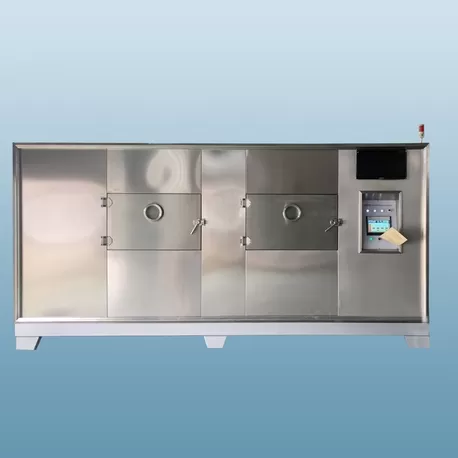
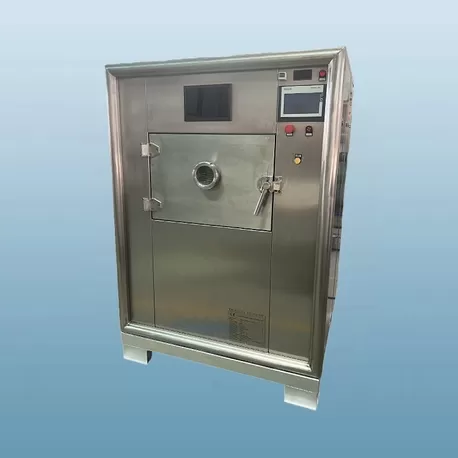
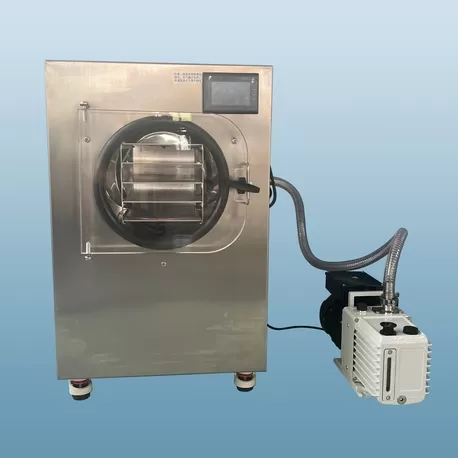
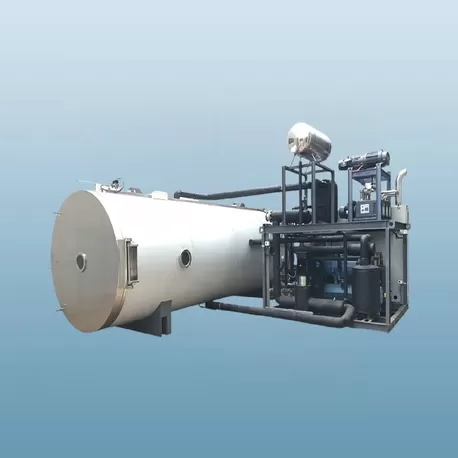
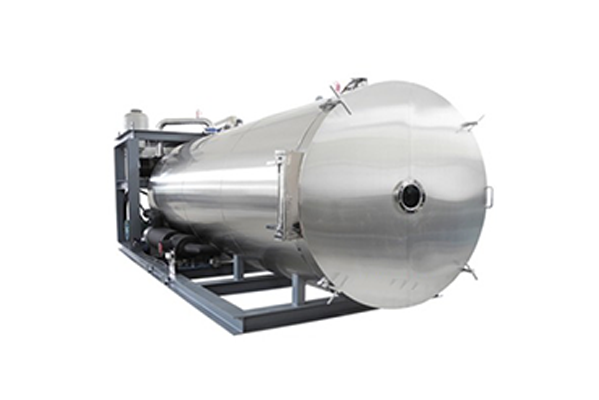
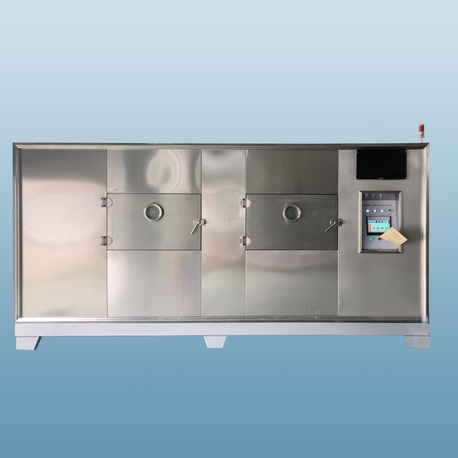
The global demand for high-quality food preservation and pharmaceutical stability has pushed the manufacturing sector toward more sophisticated solutions. For businesses looking to maintain the nutritional integrity and shelf-life of their products, investing in professional freeze drying equipment is no longer a luxury but a strategic necessity. Companies like Nasan have been at the forefront of this shift, providing industrial-grade machinery that bridges the gap between scientific precision and mass production.
Choosing the right freeze drying equipment requires a deep understanding of how sublimation works on a large scale. Unlike traditional thermal drying, which can damage heat-sensitive compounds, the freeze-drying process—or lyophilization—removes moisture while the product remains frozen. This results in a final product that retains its original shape, color, and biological activity, making it the preferred method for high-end snacks, biological reagents, and life-saving vaccines.

At its core, freeze drying equipment operates through three distinct stages: freezing, primary drying (sublimation), and secondary drying (desorption). During the initial freezing phase, the product is cooled to below its triple point, ensuring that all water content is turned into ice. This is a critical stage because the size of the ice crystals formed will dictate the pore structure of the final dried product.
Once frozen, the freeze drying equipment creates a vacuum environment. By lowering the pressure and introducing a controlled amount of heat, the ice turns directly into vapor without passing through the liquid phase. This is known as sublimation. High-quality freeze drying equipment must have an exceptionally efficient condenser to trap this vapor, preventing it from entering the vacuum pump and damaging the system.
The final stage involves secondary drying, where the remaining bound water molecules are removed. Modern freeze drying equipment uses precise shelf heating to drive off this residual moisture. The result is a product with a moisture content as low as 1% to 4%, which is stable at room temperature for years if packaged correctly.
Key Components of Industrial Freeze Drying Equipment
When evaluating different models of freeze drying equipment, the quality of the internal components determines the longevity of the machine. The drying chamber is usually constructed from high-grade stainless steel, such as SUS304 or SUS316, to prevent corrosion and ensure food safety compliance. A robust chamber can withstand the significant pressure differentials required for deep vacuum operations.
The refrigeration system is another vital part of any freeze drying equipment. Industrial units often utilize two-stage compressors or specialized cryogenic cooling to reach temperatures as low as -50°C or even -80°C. This ensures that even products with high sugar or salt content can be frozen completely before the drying cycle begins.
Furthermore, the vacuum system in professional freeze drying equipment must be capable of reaching and maintaining very low pressures consistently. This often involves a combination of rotary vane pumps and roots pumps. Without a stable vacuum, the sublimation process fails, leading to "melt-back," where the product thaws and collapses, ruining the entire batch.
Evaluating Freeze Drying Equipment for Food Processing
In the food industry, the primary goal of using freeze drying equipment is to create products that are lightweight, shelf-stable, and flavorful. From strawberries and coffee to specialty pet treats, the versatility of these machines is unmatched. When selecting freeze drying equipment for food, capacity is the most important factor. Manufacturers usually categorize these machines by the surface area of their shelves or the total ice-catching capacity of the condenser.
Energy efficiency has also become a major talking point in the selection of freeze drying equipment. Because the process can take anywhere from 12 to 48 hours, the electricity consumption can be significant. Brands like Nasan have focused on optimizing heat transfer and insulation to reduce the energy footprint per kilogram of dried product.
Hygiene is another non-negotiable factor. The freeze drying equipment used in food production must be easy to clean and sanitize. Look for systems that feature "Clean-in-Place" (CIP) capabilities, which automate the washing of the chamber and shelves. This reduces downtime between batches and ensures that there is no cross-contamination, especially in facilities that handle allergens.
Why Nasan is Leading the Way in Freeze Drying Equipment Innovation
In the competitive landscape of industrial machinery, Nasan has established a reputation for reliability and technological advancement. Their approach to building freeze drying equipment focuses on the user experience and long-term durability. By integrating smart control systems, they allow operators to monitor the drying curve in real-time, making adjustments as needed to optimize the cycle.
The modular design of Nasan's freeze drying equipment also allows for scalability. A business might start with a medium-sized unit and later integrate additional modules or upgrade to a larger system as demand grows. This flexibility is essential for startups and expanding enterprises that need to manage their capital expenditure carefully.
Technical Specifications to Look for in High-End Units
When comparing various freeze drying equipment options, you must look beyond the price tag. The shelf spacing is a technical detail that is often overlooked. If you are drying bulky items like whole fruits, you need more vertical clearance than if you are drying thin layers of liquid extract. Adjustable shelf heights are a premium feature in some freeze drying equipment models.
The condenser temperature is another crucial metric. For most food items, a condenser reaching -50°C is sufficient. However, for pharmaceutical applications or products with low eutectic points, you will need freeze drying equipment with a condenser that can hit -80°C or lower. This ensures that the water vapor is effectively trapped, maintaining the integrity of the vacuum throughout the process.
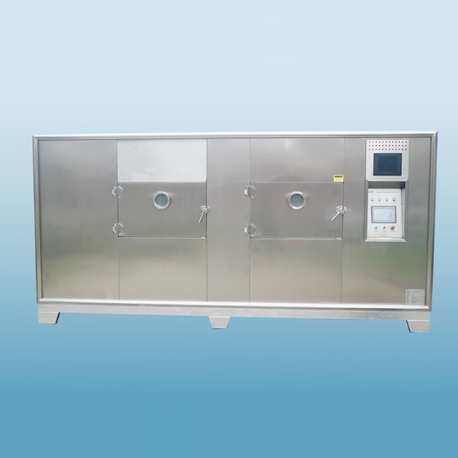
Finally, consider the control system of the freeze drying equipment. Manual controls are rare nowadays; most modern systems use PLC (Programmable Logic Controller) touchscreens. These systems should offer data logging, recipe storage, and remote monitoring capabilities. Being able to track the history of every batch is vital for quality control and meeting international regulatory standards.
Calculating the ROI of Your Freeze Drying Equipment Investment
The initial cost of professional freeze drying equipment can be high, often ranging from tens of thousands to hundreds of thousands of dollars. However, the return on investment (ROI) is driven by the value-added nature of the process. Freeze-dried products often command a premium price in the market due to their superior quality compared to air-dried or spray-dried alternatives.
When calculating the ROI for your freeze drying equipment, consider the reduction in waste. Because freeze-dried items have a shelf life of up to 25 years, businesses can process seasonal gluts of produce and sell them year-round. Additionally, the lightweight nature of the final product significantly reduces shipping and logistics costs, which is a major benefit for international trade.
Maintenance costs should also be factored into your budget. Like any heavy-duty machinery, freeze drying equipment requires regular servicing of the vacuum pumps and refrigeration compressors. Choosing a supplier that offers excellent after-sales support and readily available spare parts is critical for minimizing downtime and maximizing the lifespan of the equipment.
Maintenance and Longevity of Professional Systems
To get the most out of your freeze drying equipment, a strict maintenance schedule is necessary. The vacuum pump oil must be changed regularly, as it can become contaminated with moisture and solvents over time. Checking the door seals for leaks is also a routine task, as even a microscopic gap can prevent the freeze drying equipment from reaching the necessary vacuum levels.
Defrosting the condenser is another essential part of the workflow. After every cycle, the ice buildup on the condenser coils must be melted and drained. Some advanced freeze drying equipment features a hot gas defrost cycle, which speeds up this process and allows for faster turnaround times between batches.
Properly maintained freeze drying equipment can last for decades. It is not uncommon to find industrial units that have been in operation for over 20 years with only minor component replacements. Investing in a high-quality brand like Nasan ensures that the core structure and engineering are built to withstand the rigors of continuous industrial use.
Trends in the Freeze Drying Equipment Industry
The industry is currently seeing a move toward "Green Lyophilization." This involves using natural refrigerants and more efficient vacuum technology to reduce the environmental impact of freeze drying equipment. As regulations on synthetic refrigerants tighten globally, manufacturers are adapting their designs to be more eco-friendly without sacrificing performance.
Another trend is the integration of Artificial Intelligence (AI) in the control software of freeze drying equipment. AI can analyze sensor data to predict exactly when the primary drying phase is complete, automatically transitioning the machine to the next stage. This "smart" operation prevents over-drying and saves significant amounts of energy and time.
Automation in loading and unloading is also becoming common in large-scale pharmaceutical setups. Robotic arms can move vials from the filling line directly into the freeze drying equipment, reducing human contact and the risk of contamination. While this level of automation is expensive, it is becoming the standard for high-volume, sterile manufacturing.
Investing in freeze drying equipment is a significant milestone for any processing business. It represents a commitment to quality and a forward-thinking approach to product preservation. By understanding the technical nuances—from vacuum pump efficiency to condenser temperatures—you can select a machine that perfectly matches your production goals.
Whether you are in the food, pharmaceutical, or chemical industry, the right freeze drying equipment will provide a competitive edge through superior product quality. Brands like Nasan continue to innovate, ensuring that their customers have access to the most efficient and reliable technology on the market. As the world moves toward more natural and long-lasting products, the role of high-performance freeze drying equipment will only continue to grow.
Frequently Asked Questions
Q1: What is the average lifespan of industrial freeze drying equipment?
A1: With proper maintenance, high-quality industrial freeze drying equipment can last between 15 and 25 years. Regular servicing of the vacuum system and refrigeration units is key to ensuring this longevity.
Q2: Can I use the same freeze drying equipment for both food and pharmaceuticals?
A2: While the basic principles are the same, pharmaceutical-grade freeze drying equipment usually requires higher sterilization standards (like SIP - Steam-In-Place) and more precise validation documentation than standard food-grade machines.
Q3: How long does a typical cycle take in freeze drying equipment?
A3: A standard cycle usually takes between 24 and 48 hours. The exact time depends on the moisture content of the product, the thickness of the material, and the specific capabilities of the freeze drying equipment being used.
Q4: What is the most expensive part of operating freeze drying equipment?
A4: Electricity is typically the highest ongoing cost due to the continuous operation of the vacuum pump and refrigeration compressors. However, the high market value of freeze-dried products usually offsets these energy costs.
Q5: How do I know what size of freeze drying equipment I need?
A5: You should calculate your required output per week. Freeze drying equipment is rated by shelf area and ice capacity. It is often better to buy a slightly larger unit than you currently need to allow for future business growth.
Q6: Does Nasan offer custom configurations for their freeze drying equipment?
A6: Yes, Nasan and other leading manufacturers often provide customization options, such as specific shelf spacings, specialized tray designs, and integrated software features tailored to a client's specific production workflow.